Posted in 5th Grade, 6th Grade, School Paper Articles

MOTHER TERESA – December 2010 Issue – Primary School of Pteleos

Mother Teresa
by Julie Alamanioti (6th grade)

Mother Teresa (26 August 1910 – 5 September 1997) was Agnes Gonxha Bojaxhiu and she was a catholic nun of Albanian origin and Indian citizenship, who founded the Missionaries of charity in Calcutta, India in 1950. For 45 years she helped the poor, sick, orphaned, and dying, while leading the Missionaries of charity expansion, first throughout India and then to other countries. Following her death she was beatified by Pope John Paul II and given the title Blessed Teresa of Calcutta.
http://en.wikipedia.org/wiki/Mother_Teresa

Posted in 5th Grade, 6th Grade, School Paper Articles

LAVRENTIS MAHERITSAS, A SINGER/COMPOSER FROM PTELEOS, GREECE – December 2010 Issue – Primary School of Pteleos

LAVRENTIS MAHERITSAS, A SINGER/COMPOSER FROM PTELEOS, GREECE
by Danae Xiromeriti (5th grade)

Lavrentis Mahairitsas was born in Volos. At the age of 20, he forms the group P.L.D…, with which he goes to France aiming for an international career. When they fail, they return to Greece, where they release their first album in English, ARMAGEDON, in 1982. After the low interest shown in that disc, they turned to Greek lyrics. The group was renamed to TERMITES and they released their second album, named TERMITES, in 1983.

In 1984, they released the album “Amartoli Maria”, which makes everyone get interested in their music. Giorgos Ntalaras takes part in two of their songs. Two other albums followed, the “Tsimentenia trena” [1986] and “Perimentas ti vrohi” (1988). The last album by Termites was a live album, recorded in Lycabitos and named “Tsimedenio Kontserto “. In 1989, Lavrentis Mahairithas began his solo career by releasing the album “O Magapas ki i sagapw”.

Two years later, in 1991 the popular “Didimoteiho blues” is released and it becomes gold. In 1993, he released the album “Rikse Kokkino sti nyhta”. Then he met Dionissis Tsaknis. Their successful live performances led to an album, which was released in 1994 named “I nyhta tha to pei”. The songs were recorded during their concert in Lycabitos and two of their performances on Metro stage. These albums are followed by the not so popular, but still great, “Parathyra pou kourase i thea”, in 1995 and “ Pafsilipon”, in1996, which was widely accepted by the audience.

After that, he releases the album “Etsi drapetevo ap’ tis parees”, in June 1999, which contains the popular song “Kai ti zitao” with the voice of Dionissis Savopoulos. After that, he composed the soundtrack of the movie “Enas ki enas” and many songs for the album of Giorgos Ntalaras. He released a new album in 2001, named “To dialeimma krataei dio zoes”. A significant fact about this album is his collaboration with Angelo Branduardi. In 2003, a new album came out under the title” Sto afierono”. Also he took part in Philippos Pliatsikas’ album collaborating with Dionissis Tsaknis, in the song “Hriazete ena thavma edo”!

In 2005 “Alkyonides Meres” is released with songs recorded in live performances and it is followed by “Eroes me karbon”, in 2005. This year, he has just released a new album, the “I enohi ton amnon”. All these years, apart from the memorable collaboration with Dionissis Tsaknis in albums and live performances, he has also cooperated with some of the greatest Greek artists, such as Eleftheria Arvanitaki, Haris Alexiou, Vassilis Papakonstantinou, Christos Thiveos and others.

Pteleos, our village, is his actual hometown. He visits it quite often and, recently, he has paid a visit to our evening English class, where he gave us his autographs. All these make him shine in the Greek music scene and his songs will always be heard no matter how many years shall pass!

Posted in 5th Grade, 6th Grade, School Paper Articles

STAR SIGNS by a 6th grade ‘expert’ – December 2010 Issue – Primary School of Pteleos

STAR SIGNS
by Julie Alamanioti

Aries (21/3-20/4)
You must be more careful in school because maybe you’ll have bad grades this term.

Taurus (21/4-20/5)
It would be better to be more careful with your friends, because maybe you’ll lose some of them.

Gemini (21/5-21/6)
You must exercise more in order to be healthier.

Cancer (22/6-22/7)
You must be friendlier and kinder to your parents if you want them to buy you what you want.

Leo (23/7-22/8)
Keep studying very hard because this is the only way to get good grades.

Virgo (23/8-22/9)
One day you will go shopping. Be careful, you must have much money with you!

Libra (23/9-22/10)
This month you will have a test in Science and you must study very very hard.

Scorpio (23/10-21-11)
You will buy a new thing for you with you parents but you must be very careful because they may convince you to buy something that you don’t like!

Sagittarius (22/11-20/12)
You mustn’t eat a lot of fast food because you will be very fat.

Capricorn (21/12-20/1)
You do not study very hard and will be sad if your grades are not good. Try to do something about it!

Aquarius (21/1-18/2)
Family problems! Some family members will need some help with money.

Pisces (19/2-20/3)
This must be your lucky week! Something good will happen!

Posted in 5th Grade, School Paper Articles

MONUMENTS AROUND THE WORLD by our 5th graders – December 2010 Issue – Primary School of Pteleos

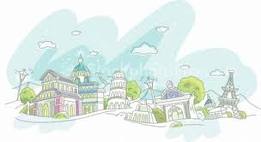
MONUMENTS AROUND THE WORLD
by our 5th graders

Parthenon, Athens, Greece
by John Kalantzis

My country Greece has got a lot of sights. One of the most important sights is Parthenon in Athens. Parthenon was made from two ancient Greeks, Hictinos and Kallikrates, in 447-438 B.C.

Today many of the marbles of Parthenon are destroyed and some other marbles are saved in museums in Great Britain, France and other European countries.

Every year many people visit Athens to see the beauty of Parthenon. Finally I suggest that you come to Greece and see the Parthenon and other Greek sights. For more information visit: http://en.wikipedia.org/wiki/Parthenon

The Colosseum of Rome, Italy
by Helen Kaltsouni

The Colosseum is an elliptical amphitheatre in the city of Rome, Italy, the largest ever built in the Roman Empire. It is considered one of the greatest works of Roman architecture and Roman engineering.

Capable of seating 50.000 spectators, the Colosseum was used for gladiatorial contests and public spectacles, such as mock sea battles, animal hunts, executions etc.

Although in the 21st century it stays partially ruined because of damage caused by devastating earthquakes and stone-robbers, the Colosseum is an iconic symbol of Imperial Rome. It is one of Rome’s most popular tourist attractions and still has close connections with the Roman Catholic Church. The Colosseum is also depicted on the Italian version of the fire-cent euro coin.

The Colosseum today is now a major tourist attraction in Rome with thousands of tourists each year paying to view the arena.
(http://en.wikipedia.org/wiki/Colosseum)

The White Tower of Thessaloniki, Greece
by Alex Pardalos

The White Tower of Thessaloniki is a monument and museum on the water front of the city of Thessaloniki, capital of the region of Macedonia in northern Greece. It has been adopted as the symbol of the city, also as a symbol of Greek sovereignty over Macedonia.

The present tower dates from reign of Ottoman Sultan Suleiman the Magnificent. There was an older tower on the same site, probably built by French knights during the period of the ottomans successively as a fort, garrison and a prison. In 1826, there was a massacre of the prisoners in the Tower. Owing to the countless victims of ottoman torturers and executioners, the tower acquired the name ‘’Tower of blood“which it kept until the end of the 18th century.

When Thessaloniki was captured by the Greeks during the Balkan War of 1912, the tower was whitewashed a symbolic gesture of cleansing, and acquired its present name. King George I of Greece was assassinated not far from the White Tower in 1913.

The Tower is now a buff colour but has retained the name White Tower. It now stands on Thessaloniki’s waterfront boulevard, Nikis Victory Street. It houses a Byzantine museum and is one of the city’s leading tourist attractions.
(http://en.wikipedia.org/wiki/White_Tower_of_Thessaloniki)

The White Tower, Thessaloniki, Greece
by George Papargiris

The White Tower is a very old and big tower. It is in Thessaloniki, Greece. A lot of tourists visit it every day. Near the tower there are a lot of cafes and very big hotels. Next to the tower there is a beach. People can enjoy their coffee and the sunshine. It’s very beautiful!

The Eiffel Tower, Paris, France
by Helen Alamanioti

The Eiffel Tower was made in 1889 by an engineer Gustavo Eiffel. Its height is 325 m. It was the highest building in the world. Its weight is 10.100 tons. 300 workers put together 18.038 pieces of steel with 2,5 million bolts. Millions of people visit the Eiffel Tower every year. Everyday people enjoy the view from the Eiffel Tower.

Posted in 5th Grade, School Paper Articles

INTERVIEWING LOCAL PROFESSIONALS by our 5th graders – December 2010 Issue – Primary School of Pteleos

INTERVIEWING LOCAL PROFESSIONALS
by our 5th graders

In October, we, the 5th grade learners, decided to interview some local professionals in order to find out more about their jobs. We interviewed the local chemist and the carpenter.

INTERVIEW WITH A CARPENTER
by Danae Xiromeriti & John Kalantzis

In October 2010 we visited Mr. Jim Xiromeritis and we asked him if he wanted to answer our questions. He willingly accepted.

How many years have you been doing this job?
I was very young when I started helping my dad in this job. That’s how I learnt this job.

Have you studied to do this job?
I finished senior high school and I preferred my father’s job.

Does one need a lot of money to do this job?
One needs a lot of money and, once you decide to do this job, you must make a lot of investments.

Do you think your job is profitable?
This job is creative, pleasant, the works satisfies you, but the job isn’t profitable.

INTERVIEW WITH THE CHEMIST
by Helen Kaltsouni & Alex Pardalos (5th grade learners)

In October we visited the chemist of Pteleos and we asked him if he wanted to answer our questions. He willingly welcomed us in his shop.

How many years have you been doing this job?
I have been doing this job for 22 years.

How difficult is your job?
There are a lot of problems. First of all, the types of prescriptions are different. Also, there are always changes in the way of prescribing. In addition, it is sometimes hard to find medicine and a chemist needs to be in touch with a lot of warehouses in order to supply his shop with medicine.

Do you think that your job is profitable?
In the past it was profitable and now is not very much.

Do you have to study at the university to do this gob?
Yes, it is necessary for someone to study at the university.

How do you buy your medicine for your pharmacy?
I buy medicine from the cooperative unions in Volos, Athens and Thessaloniki.

What are your job difficulties?
The new machinery and the people who don’t know what they want!

Do you believe that this is a job young people should try to do?
Yes, they should follow it, studying new technologies and modernizing their technique, following the right practices which will be taught by the right teachers.

Posted in 5th Grade, School Paper Articles

A DAY IN MY LIFE by our 5th graders – December Issue 2010 – Primary School of Pteleos

A DAY IN A FIFTH GRADER’S LIFE
What is really the daily routine of a fifth-grader? Learners, based on their course book, have written articles on a day in their life!

A DAY IN MY LIFE
by Danae Xiromeriti

My name is Danae, I’m 10 years old. I get up at 7:00 o’clock every morning. I eat breakfast. Then I wear my clothes, brush my teeth, my hair and I wash my face. After that, I go to school.

At school we learn Maths, Greek, English, History, Geography and French. School starts at 8:00am and ends at 13:15pm but on Thursday and Friday it finishes at 14:00pm. In school we have one teacher for most of the subjects and one teacher for English, one for French and one for P.E.

When I get home from school I do my homework. I play with my friends volleyball. I like sitting with my family in the sofa and watching TV and eating popcorn. In my spare time, I play with my play station two.

Before I go to bed I watch TV. I like watching programmes like ‘Patty’ and ‘Great Creatures’. After that, I brush my teeth, I say goodnight and I go to bed at 10:00pm.

A DAY IN MY LIFE
by George Papargiris

My name is George. I ’m ten years old. I get up at seven o’clock every morning. I have my breakfast and I go to school.

The school starts at quarter past eight and ends at quarter past one. On Thursday and Friday it ends at two o’clock. At school we learn Geography, Language, Maths, French, English and History.

When I get home I eat and I do my homework. In the afternoon I play with my friend.

In the evening I watch TV. My favourite TV program is Spiderman 3.At eleven o’clock I go to bed.

A DAY IN MY LIFE
by Helen Kaltsouni

Every day I wake up at 7 o’clock in the morning. I wash my face, I brush my teeth, I eat breakfast, I put on my clothes, I take my school bag and I usually go to school by my dad’s car.

The bell rings at eight o’clock and the lesson begins. We have a lot of subjects at school; Greek Language, Maths, History, Geography, Physical Education, English, French, etc, so every day is a difficult day. We have three breaks between the lessons to eat our snack.

The school ends at half past one, I come back home only to change my bag, because I have an English lesson just after school. The English lessons ends at half past three, I return home, I wash my hands and finally it’s time for lunch. Then, I have some rest watching TV, or I sometimes go to bed for an hour.

Between five and six o’clock it’s time to do my homework for the next day. I eat something for dinner at nine o’clock. If I have time, I watch some TV and I go to bed at eleven o’clock, because another difficult day at school comes!!!

Posted in 4th Grade, School Paper Articles

OUR SCHOOL by our 4th grade learners – December Issue 2010 – Primary School of Pteleos

OUR SCHOOL
by Vasso Boukorou and Zoe Gerogiakomou

Our school is in Pteleos. It’s very old but it’s very big. There is one floor and there are six classrooms. There are ten teachers and fifty pupils.

There is a large playground and one computer room. There isn’t a music room, a football field or a basketball court. There is a small library in the hall and a small kitchen.

Our classroom is in the back and we are eleven pupils. I like my school because it’s very big and colourful.

There are some things that we would like it to have, for example, a gym to do gymnastics when it rains. Also, we would like it to have a volleyball court and finally we would like each child to have his/her own computer. That’s our school and we love it!

Posted in 5th Grade, School Paper Articles

PTELEOS, OUR VILLAGE by our 5th graders – December 2010 Issue – Primary School of Pteleos


PTELEOS, OUR VILLAGE
by our 5th graders

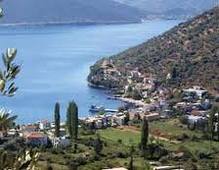
Pteleos is the name of our village. It is in central Greece and it is very beautiful. It has a lot of places to visit. Some of them are the following:

THE VILLAGE OF HAMAKO
by George Papargiris & Kosmas Gourgiotis

Hamako was a very old village. The people left it in 1927.Hamako had a windmill on a hill for the people’s service in the past. Today people who visit it can see the ruins. People left the village around 1915 and it didn’t have any residents in 1927. People went to other cities and villages because they wanted to grow olive trees and they didn’t want to have animals any more.

THE SEA MUSEUM OF ACHILLIO
by Joanna Skoura & Helen Alamanioti

The Sea Museum of Achillio was founded by the Prefecture of Pteleos. A tourist can see the secrets and the beauties of the sea world. The museum opened for the first time in May, 2002. Ever since, people who want to visit the Museum, call and make an appointment. It is one of the most important sea museums of continental Greece. Near the museum you can see the ruins of a windmill. The Hamako community board built this windmill at the top of a hill, so that it could be used by the people of the village and the neighboring villagers. Today you can only see its ruins.

PTELEOS CASTLE
by George Papargiris & Kosmas Gourgiotis

Pteleos was always one of the most important ports of the Aegean Sea. A castle was built in the entrance of the port in 1204. It was very tall and big. Its entrance was very big for safety. The only way to get into the castle was to use a ladder. There were a lot of houses around the castle.

THE BEACHES OF PTELEOS
by George Papargiris & Kosmas Gourgiotis

Pteleos has a lot of beaches. The biggest is Lyhoura which is famous for its birds. It’s 1 kilometer long. You can also visit a lot of other beaches. They’re Karavotsaki, Mitrouna and Lefki. A lot of tourists also visit Panagia, because it has a beach bar and a lot of umbrellas. Then, they can take a shower and have lunch.

Posted in 6th Grade, School Paper Articles

MY COUNTRY by our 6th graders – December 2010 Issue, Primary School of Pteleos


MY COUNTRY
by our 6th grade learners

This year we learnt in our English lesson how to write a report about our country. Here are some of our reports:

GREECE, MY COUNTRY
by Hryssa Papalexopoulou

My name is Hryssa and I am twelve years old. It’s a Greek name because my family is from Greece. My family and I live in Pteleos, a village in Greece. Greece borders with Bulgaria, Albania, F.Y.R.O.M., Italy and Turkey.

The weather is very cold in winters and hot in summers and it rains a lot every year.

The people here are friendly, good, very beautiful and they are clever.

In my opinion, you must visit Greece because it’s a fantastic country, full of surprises. I love Greece and you will, if you come here and see all the wonderful things that God has given us!

GREECE, AN ADORABLE COUNTRY
by Natasha Hassioti

The greatest philosophers and poets were born in Greece, such as Aristotle and Euripides. We are proud of being Greeks because we live in a country with a glorious past.

In addition, Greece is full of natural beauties. The climate is temperate, so many plants are thriving in the valleys and offer many nutritional products. The country has many magnificent landscapes, such as rivers, forests, lakes and many beaches.

Greece has a population of ten million people. It has developed stockbreeding, agriculture and breeding.

ALBANIA, MY COUNTRY
by Marilena Louska

My name is Marilena and I am twelve years old. My country is Albania. Now, I live in Pteleos, in Greece. The name of my village in Albania is Bulgiars. My country borders with Bulgaria, Italy and Greece.

Albania is mostly mountainous, with plains, hills and seas. Rivers flow across the country.

The weather is very very cold in winter and warm in summer. It rains and snows most of the time.

The people of Albania speak Albanian and are very hard-working.

I love my country very much!

RUSSIA, MY COUNTRY
by Julie Alamanioti

The name of my country is Russia, or Russian Federation. Russia is the biggest country in the world with an extent of 17,075,400 square kilometers. Its population is 140.041.247 people. Its capital city is Moscow. The official language is Russian and its currency is the ‘rouvli’. It is divided into 83 prefectures.

My parents and I go to Russia on holidays. The weather in summer is hot there and the people are friendly. The landscape is not very mountainous.

I love my country very much!

Posted in Computer-Assisted Language Learning, Public Education

RESEARCH ON COMPUTER ASSISTED LANGUAGE LEARNING IN GREEK PUBLIC PRIMARY SCHOOLS

questionnaire.jpg

Dear Colleague,

My name is Paraskevi Hamilou and I am an English teacher in a Primary School in the public sector. I have been working in public Primary Schools since 2003 and my permanent position is at the 2nd Primary School of Portaria – Alli Meria, although, this past year, I have been appointed at the 1st Primary School of Almyros.

As I am attending the Master’s Degree program for English language teachers at the Hellenic Open University (ΕΑΠ), I have chosen to conduct a research on Computer Assisted Language Learning in Greek Primary Schools for my dissertation. My research focuses on familiarization with and frequency of use of technology, school facilities and equipment, teacher training and teachers’ opinions on the benefits and disadvantages of computer-assisted lessons.

If you are an EFL teacher in a Greek Primary School or have recently worked in one, I would really appreciate it if you took part in my research by completing a questionnaire. It should be noted that it is anonymous and all the information provided will be strictly used for the purpose of research. The questionnaire can be completed in about 10 minutes and sent at your earliest convenience to my email address: vivi_hamilou@hotmail.com.

Unfortunately, it is impossible to upload the document in this blog, so, if you are interested in participating in my research, please, send me a blank email writing QUESTIONNARE as a topic, so that I can forward the questionnaire to you. Thank you in advance for your time to complete this questionnaire. Your contribution will be highly appreciated.

Kind Regards,
Paraskevi Hamilou

Posted in Computer-Assisted Language Learning, Events / Seminars / Conferences, Public Education

ΕΝΤΑΞΗ ΚΑΙ ΧΡΗΣΗ ΤΩΝ ΤΠΕ ΣΤΗΝ ΕΚΠΑΙΔΕΥΤΙΚΗ ΔΙΑΔΙΚΑΣΙΑ

computer-at-school.jpeg
ΕΝΤΑΞΗ ΚΑΙ ΧΡΗΣΗ ΤΩΝ ΤΠΕ ΣΤΗΝ ΕΚΠΑΙΔΕΥΤΙΚΗ ΔΙΑΔΙΚΑΣΙΑ

1η Ανακοίνωση – Μάρτιος 2010

2ο Πανελλήνιο Συνέδριο
«Ένταξη και χρήση των ΤΠΕ στην Εκπαιδευτική Διαδικασία»
28-30 Απρίλη 2011
Συνεδριακό και Πολιτιστικό Κέντρο Πανεπιστημίου Πατρών
Υπό την αιγίδα του Υπουργείου Παιδείας, Δια Βίου Μάθησης και Θρησκευμάτων
Διοργάνωση
o Ελληνική Επιστημονική Ένωση Τεχνολογιών Πληροφορίας & Επικοινωνιών στην Εκπαίδευση (ΕΤΠΕ).
o ΠΤΔΕ Πανεπιστημίου Πατρών – Εργαστήριο Η/Υ και Εκπαιδευτικής Τεχνολογίας (ΕΗΥΕΤ).

Σκοπός
Να δώσει βήμα σε ενεργούς εκπαιδευτικούς, σε μελλοντικούς εκπαιδευτικούς και σε ερευνητές με ενδιαφέρον για τις ΤΠΕ στην Εκπαίδευση (ΤΠΕΕ), ώστε να παρουσιάσουν μέσα από ένα επιστημονικά αξιόπιστο πρίσμα τις θεωρητικές, αλλά κυρίως τις έμπρακτες προτάσεις τους αναφορικά με την ένταξη και χρήση των ΤΠΕΕ, αναδεικνύοντας σημαντικά σημεία θετικής, αλλά και αρνητικής, κριτικής απέναντι σε μεθοδολογίες, εργαλεία και πρακτικές που ενσωματώνουν τις ΤΠΕΕ.
Απευθύνεται σε
Εκπαιδευτικούς Πρωτοβάθμιας και Δευτεροβάθμιας Εκπαίδευσης με ενδιαφέρον για τις ΤΠΕΕ * Ερευνητές στο χώρο των ΤΠΕΕ * Επιμορφωτές ΤΠΕE * Μεταδιδακτορικούς φοιτητές στο χώρο των ΤΠΕΕ * Υποψήφιους διδάκτορες και Μεταπτυχιακούς φοιτητές στο πεδίο των ΤΠΕΕ * Φοιτητές Παιδαγωγικών Τμημάτων και Τμημάτων Η/Υ και Πληροφορικής με ενδιαφέρον για τις ΤΠΕE.
Θεματικές περιοχές
* Διδασκαλία και μάθηση με ΤΠΕ * Σχεδίαση, παραγωγή, αξιολόγηση και χρήση εκπαιδευτικού λογισμικού * Εκπαιδευτικές δραστηριότητες με χρήση των ΤΠΕ * Logo, Εκπαιδευτική ρομποτική * Σύγχρονες τεχνολογίες υποστήριξης του διδακτικού έργου * Εκπαιδευτικές χρήσεις Διαδικτύου * Εξ αποστάσεως σχολική εκπαίδευση.
Εργασίες – Συνεδρίες – Εργαστήρια Ειδικοτήτων
Στο Συνέδριο προβλέπονται: ερευνητικές εισηγήσεις (6-10 σελίδες), σύντομες εισηγήσεις (3-4 σελίδες), εισηγήσεις σε ομάδες συζήτησης (2-3 σελίδες) και εργαστηριακές παρουσιάσεις (2-3 σελίδες).
Επιμορφωτικά Εργαστήρια – Ψυχαγωγικές Εκδηλώσεις
Στα πλαίσια διεξαγωγής του Συνεδρίου προβλέπονται:
* Παρουσιάσεις και επιμορφωτικά εργαστήρια στο χώρο της ψηφιακής κυρίως μετάδοσης δεδομένων μέσω υπολογιστών και ραδιοκυμάτων από την Ένωση Ραδιοερασιτεχνών Δυτικής Πελοποννήσου.
* Μουσικές ψυχαγωγικές εκδηλώσεις.
Κρίσιμες ημερομηνίες
1 Δεκεμβρίου 2010: Καταληκτική ημερομηνία υποβολής εισηγήσεων κάθε είδους (πλήρες κείμενο).
15 Ιανουαρίου 2011: Ενημέρωση αποδοχής κάθε είδους εισήγησης.
15 Φεβρουαρίου 2011: Καταληκτική ημερομηνία υποβολής τελικών κειμένων για τα πρακτικά.
Οι εργασίες για το Συνέδριο θα πρέπει να αποσταλούν με e-mail στη διεύθυνση: educonf2@upatras.gr
Επικοινωνία
Δικτυακός τόπος: http://www.CETL.ELEMEDU.UPATRAS.gr/conference
e-mail: educonf2@upatras.gr τηλ: 2610 969718, 2610 997907, fax: 2610 969777
Συντονιστής
Παναγιωτακόπουλος Χρήστος, Αναπληρωτής Καθηγητής ΠΤΔΕ Πανεπιστημίου Πατρών, cpanag@upatras.gr

Posted in 4th Grade, School Paper Articles

1st Primary School of Almyros – February Issue – Μια Γέφυρα από Καρτ Ποστάλ Ανάμεσα σε Ελλάδα και Τουρκία

bridge1.jpg
ΜΙΑ ΓΕΦΥΡΑ ΑΠΟ ΚΑΡΤ ΠΟΣΤΑΛ ΑΝΑΜΕΣΑ ΣΕ ΕΛΛΑΔΑ ΚΑΙ ΤΟΥΡΚΙΑ

Στα πλαίσια του προγράμματος Etwinning, οι μαθητές της Δ’ Τάξης του σχολείου μας έχουν επικοινωνήσει στα αγγλικά με δύο σχολεία της Τουρκίας μέσω καρτ ποστάλ. Το project που έχουν αναλάβει ονομάζεται «ΜΙΑ ΓΕΦΥΡΑ ΑΠΟ ΚΑΡΤ ΠΟΣΤΑΛ ΑΝΑΜΕΣΑ ΣΕ ΕΛΛΑΔΑ ΚΑΙ ΤΟΥΡΚΙΑ» και στοχεύει στη γνωριμία των μαθητών με τον πολιτισμό, την εκπαίδευση και την καθημερινότητα των Τούρκων συμμαθητών τους. Βελτιώνοντας τη γνώση της αγγλικής γλώσσας, οι μικροί μας μαθητές έχουν ήδη ανταλλάξει πληροφορίες για την πόλη τους, την οικογένειά τους και το σχολείο τους.

Posted in School Paper Articles

1st Primary School of Almyros – February Issue – Τριήμερο Εκδηλώσεων

books.jpg
ΤΡΙΗΜΕΡΟ ΕΚΔΗΛΩΣΕΩΝ

Η φετινή σχολική χρονιά εξέπληξε ευχάριστα όλους μας, όταν, με την έναρξη της λειτουργίας της σχολικής δανειστικής βιβλιοθήκης, οι μαθητές μας, ακόμη και εκείνοι των μικρότερων τάξεων, άρχισαν να κυκλοφορούν με λογοτεχνικά βιβλία στα χέρια, δανειζόμενοι, ή επιστρέφοντάς τα.

Με μεγάλη χαρά, λοιπόν, θα φιλοξενήσουμε στο χώρο του σχολείου μας μια έκθεση βιβλίου, που θα διαρκέσει από την Τετάρτη 17 Μαρτίου, μέχρι και την Παρασκευή 19 Μαρτίου. Κατά τη διάρκεια της έκθεσης, μικροί και μεγάλοι, θα έχουν τη δυνατότητα να ενημερωθούν για τις νέες κυκλοφορίες, καθώς και να προμηθευτούν λογοτεχνικά βιβλία της αρεσκείας τους, για τους ίδιους ή και για να τα δωρίσουν.

Την Πέμπτη 18 Μαρτίου, στα πλαίσια της γνωριμίας με το βιβλίο, θα έχουμε την τιμή να φιλοξενήσουμε στο σχολείο μας τον συγγραφέα παιδικών βιβλίων Άρη Δημοκίδη. Ο κ. Δημοκίδης θα επισκεφθεί κάθε τάξη χωριστά, αλλά και θα κάνει μια παρουσίαση σε όλους τους μαθητές και εκπαιδευτικούς του σχολείου μας.

Την Παρασκευή 19 Μαρτίου, τελευταία μέρα της λειτουργίας της έκθεσης βιβλίου, οι μικροί μας μαθητές θα μπορούν να παραλάβουν μαζί με τους γονείς τους τη βαθμολογία του β’ τριμήνου. Παράλληλα, θα λειτουργεί στο χώρο του σχολείου Παζάρι με Πασχαλινές κατασκευές των μαθητών του σχολείου μας. Διοργανωτές του παζαριού οι μαθητές της Ε’ Τάξης, καθώς με δική τους πρωτοβουλία ανέλαβαν να συγκεντρώσουν κάποιο ποσό, προκειμένου να το διαθέσουν στα παιδιά της Αφρικής, μέσω της ActionAid.

Posted in 4th Grade, School Paper Articles

1st Primary School of Almyros – February Issue – Thoughts About Seasons Expressed in Poems

seasons.jpg
THOUGHTS ABOUT SEASONS EXPRESSED IN POEMS
by our 4th graders

Learning about the seasons in their English lesson, the students of the 4th grade expressed their ideas about seasons by writing a poem in English. It was something they had never tried before, but the result was impressive! Let’s see how they did!

SUMMER
by Costas M.

The sun is shining
Summer is here
We are eating ice-cream
Summer is here

Swim in the sea
Summer is here
We are going on holiday
Summer is here

We don’t have school
Summer is here
And we play in the park
Summer is here

WINTER
by Jim V.

It is raining
Winter is here

It’s cold
Winter is here

It’s snowing
Everything is white
Winter is here

The children play snow war
And they make a snowman
Winter is here

Christmas and New Year is coming
Winter is here

SUMMER
by Tina P.

The sun is shining
The clouds are away
The schools are closing
The kids are free

Beautiful summer
I like the sea
The boats are sailing
With you and me

The nights are hot
The stars are bright
Beautiful summer
Keep us awake

I am so happy
The fruits are so sweet
Beautiful summer
Stay with me!

SUMMER
by Vaggelitsa P. and Konstandina Ch.

Summer is here
Children are happy
Summer is here
People are swimming in the sea

Summer is here
The sun is shining
Summer is here
It is really hot
Summer is here
Children are making castles on the beach
Summer is here

SUMMER
by John A.

They sky is clean
And the sea is full
Now the children play tennis
They feel wonderful
Summer is here!

SUMMER
by Vasso T.
It’s summer, it’s sunny
It’s summer, kids swimming
It’s not autumn, not winter
Kids are happy

WINTER
by Vasso T.
It’s winter, it’s snowing
And kids are making a snowman
It’s winter, it’s cold.

SUMMER
by Jim V.

The sun is shining
Summer is here
The sea is beautiful
Summer is here
School is closed
Summer is here
We eat ice cream
Summer is here

Posted in 5th Grade, School Paper Articles

1st Primary School of Almyros – February Issue – Pancakes

pancakes1.jpg
PANCAKES
by our 5th graders

Ingredients:
2 cups of flour
2 tablespoons of baking powder
1 vanilla extract
1 tablespoon of sugar
a pinch of salt

Liquid ingredients:
2 cups of milk
2 eggs
2 tablespoons of olive oil
(some butter for the frying pan)

Preparation:
Mix all the ingredients in a bowl and all the liquid ingredients in another bowl. Empty the liquid ingredients mixture in the flour mixture and mix until you get a smooth mash. Then, take a small frying pan and put half a teaspoon of butter in it. After it melts, pour some of the mash into the frying pan. When you see small bubbles appearing, turn your pancake on the other side. Leave it until it becomes brownish, and put it on a tray. Put your pancakes one on top of the other, so that they remain hot! Try it at home with your family and good luck! Don’t forget: you can serve them with honey, praline, syrup, marmalade … anything sweet!

Posted in School Paper Articles

1st Primary School of Almyros – February Issue – The Real English Breakfast

breakfast.jpg
THE REAL ENGLISH BREAKFAST
by Maria I.

The English breakfast is quite heavy and it is not something that they eat every day. They often eat is as ‘brunch’ (something between breakfast and lunch), because if you eat it, you will not be hungry for many many hours. The beverage they prefer in the morning is the one they enjoy during the day, meaning tea. They usually put milk and sugar in their tea. But, what is there to eat?

 Sausage baked in the grill. The English sausages are very strange, they have less spices than ours.
 Grilled bacon, or even fried.
 Eggs sunny-side-up.
 Tomatoes cut in half and baked until they are soft and warm enough.
 Mushrooms. They are usually roasted with a little olive oil, cooked enough to be crunchy.
 Toasted bread. They usually spread plenty of butter on it.
 Beans. They don’t usually boil them, they get them from tins.

Except for all these, there are also many more things to eat. They usually include black pudding, brownies, pancakes and fried potatoes. Also, there is always a bottle of ketchup, or brown sauce on the table. What do you think? Can you eat all these and not get a stomach ache?

Posted in 5th Grade, School Paper Articles

1st Primary School of Almyros – February Issue – Breakfast at School

breakfast1.jpg
ENGLISH BREAKFAST AT SCHOOL
by Evi N.

On February 19th, me and all my other classmates ate English breakfast at school, during our English lesson.

We had a cup of tea with milk and sugar, milk with cereals and pancakes with chocolate syrup. Yum!!! They were delicious! All those years I’ve lived in England, in London, I’ve never eaten this kind of breakfast before. I knew the English ‘brunch’ (something between breakfast and lunch).

We had a great time. Also, pancakes are healthy, so we could all have them for breakfast. Anyway, the English breakfast was very good and I hope I will eat some more some time soon! Yum!!!

Posted in School Paper Articles

1st Primary School of Almyros – February Issue – Πρόγευμα στην Δ’ Τάξη

olive.jpg
ΠΡΟΓΕΥΜΑ ΣΤΗΝ Δ’ ΤΑΞΗ
από το Γιάννη Α. και το Δημήτρη Β.

Ένα χειμωνιάτικο πρωινό αποφασίσαμε να πάρουμε πρόγευμα στην τάξη μας.

Μια συμμαθήτριά μας, η Μαρία, έφερε βιολογικό τσάι από την καλλιέργεια του μπαμπά της. Η μαμά της Βαγγελίτσας έφερε φρέσκο ψωμί από το φούρνο της. Η Συράννα επίσης έφερε πρόσφορο ψωμί από την εκκλησία.

Το μάθημα της Γλώσσας είχε θέμα την ελιά και γι’ αυτό και η κυρία Ρούλα μας είπε να φέρουμε 4 – 5 ελιές. Μας έφερε επίσης φρυγανιές και κασέρι για να φάμε. Τη βοηθήσαμε να ετοιμάσει τα τραπέζια με ωραία χρωματιστά τραπεζομάντηλα. Τα κορίτσια μας σέρβιραν τα φαγητά και η κυρία το τσάι σε ωραία τσαγιέρα.

Μετά, ξεκινήσαμε να τρώμε. Όλα ήταν πεντανόστιμα. Αυτή ήταν μια αξέχαστη εμπειρία που δεν θα την ξεχάσουμε ποτέ.

Posted in 5th Grade, School Paper Articles

1st Primary School of Almyros – February Issue – Cities All Around the World

city.jpg
CITIES ALL AROUND THE WORLD
by our 5th grade students

The 5th graders of our school have participated in a school project for their English lesson. They have been asked to find information on a city anywhere around the world and present it in class. Here, we are more than happy to host the written part of their projects!

PARIS
by Jim S.

My favourite city abroad is Paris, which is the capital of France. I love this city, which is called ‘the city of light’ (ville lumiere), because it has many monuments and sights. These sights are: the Eiffel Tower, Arc de Triomphe (triumphal arch), Disneyland, the Virgin Mary of Paris (Notre Dame) and the river Seine, which separates the city into two parts. The city has important monuments, such as the monument of Bastille and the palace of Versailles, and museums, like the Louvre and the Picasso Museum.

SYDNEY
by Apostolos B.

Sydney is the capital city of Australia. Its population is about 4 million people. It has skyscrapers, fantastic shops and friendly residents. There are many museums, art galleries and the famous Sydney Opera House. It is a hot place, especially in the summer.

THESSALONIKI
by Apostolos B.

Thessaloniki is a big city in Greece. It has many blocks of flats, traditional shops and friendly residents. There are many museums, art galleries, beautiful churches and the famous White Tower. It is really hot in the summer and very cold in the winter.

MOSCOW
by Apostolos B.

Moscow is a big city in Russia. Its population is about 9 million people. It has many traditional buildings, museums and churches. Also, there is the famous Red Square and there are many statues. It is really cold in the winter and it snows a lot.

NEW YORK
by Apostolos B.

New York is a famous American city and millions of people live there. It has many skyscrapers, theatres, cinemas and many shops. There is the famous Times Square and many famous people live there. It is very cold in the winter and hot in the summer.

VENICE
by Aggelos D.

Venice is an Italian city. It is well-known in the entire world for its beauty. The houses are next to small rivers. There are 117 small islands in it. It has 378 bridges and 200 canals.

PARIS
by Phillip M.

I like Paris, because it has the famous Eiffel Tower and the river Seine. If you go to Paris, you can visit the biggest funfair, Euro Disneyland!

MOSCOW
by Maria I.

Moscow is the capital of Russia. It is situated between Volgas river and Oka river. Moscow has got three airports and a big port which is connected with five seas: Kaspia Sea, Black Sea, Baltic Sea, Azov Sea and White Sea. Moscow is the biggest industrial centre of Russia. People usually make cars there and machines. In the centre of Moscow there is Kremlin, a historic complex at the heart of Moscow. In Kremlin you can find the most beautiful and great buildings of Russia, like the Church of Virgin Mary and the Church of St. Catherine.

SYDNEY OPERA HOUSE
by Maria E.

The Sydney Opera House is in Sydney, South New Wales, Australia. This is one of the most popular buildings of the 20th century and one of the most popular art centers in the world. It is on Bennelong Point, in Sydney. It is one of the most important sights in Sydney.

PARIS
by Bill T.

Paris is the capital city of France and it is in northern France, on the river Seine. The population of this metropolitan city is about 12.000.000 people and it is one of the biggest cities in Europe. In addition, it is the cultural and economic capital of France. In Paris you can find many international organizations, like the UNESCO (United Nations Educational, Scientific and Cultural Organization).

THESSALONIKI
by Panagiotis K.

Thessaloniki is a beautiful Greek city. It is in Northern Greece. Thessaloniki is the second biggest city in Greece. Its population is about 1.000.000 people. Its landmark is the White Tower.

PARIS
by Panagiotis K.

Paris is a wonderful city in France and it is the capital of this country. It is called ‘the city of lights’. Its population is about 12.000.000 people. The river Seine crosses the city. Paris has got many monuments and beautiful sights for tourists to visit.

NEW YORK
by Kostas P.

New York is one of the biggest cities in the world and its population makes it the first city in USA. Almost 22.155.00 people live there. New York is situated in the south of USA, near Hudson River. It has people of different nationalities, like Italians, Greeks and English. New York is the most important economic centre of the USA., with a lot of factories, banks, industries and a stock exchange. There are many airports (Kennedy, La Guardia and Newark) and lots of bridges. The most important of them are the Suspension Bridges of Brooklyn and George Washington Bridge. One of the most popular sights is The Statue of Liberty in the north of the city and it is 93m tall. There are also many skyscrapers and many parks in Manhattan.
Posted in 6th Grade, School Paper Articles

1st Primary School of Almyros – February Issue – Η Τρελομάσκα

mask.jpg
Η ΤΡΕΛΟΜΑΣΚΑ
της Δέσποινας Κ. και Βάσως Μ.

Μόνοι σας, ή και με φίλους, μπορείτε να δημιουργήσετε την πιο τρελή και διασκεδαστική μάσκα που υπάρχει! Εμείς, οι μαθητές της Στ’ Τάξης, δοκιμάσαμε και … δημιουργήσαμε!

Υλικά:
Μπαλόνι
Εφημερίδα κομμένη σε λωρίδες
Ξυλόκολλα, αραιωμένη σε νερό
Σπρέι (επιλέξτε το χρώμα που σας αρέσει)

Εκτέλεση:
Στην αρχή, αραιώστε την ξυλόκολλα μέσα σε νερό. Μετά, φουσκώστε ένα μπαλόνι σε κανονικό μέγεθος. Αφού το φουσκώσετε, πάρτε μία μία τις λωρίδες εφημερίδας, βουτήξτε τες μέσα στην κόλλα με το νερό, και ‘ντύστε το μπαλόνι κατά μήκος, κάθετα, βάζοντας τη μία λωρίδα δίπλα στην άλλη. Μόλις καλυφθεί όλη η επιφάνεια του μπαλονιού, στρώστε λωρίδες οριζόντια και μετά πάλι κάθετα, μέχρι να δημιουργηθούν τρία στρώματα εφημερίδας πάνω στο μπαλόνι σας. Μετά, το αφήνετε να στεγνώσει για μια μέρα. Αφού στεγνώσει, βάψτε το με σπρέι, σπάστε το μπαλόνι με μια καρφίτσα, και κόψτε κατά μήκος. Θα δημιουργηθούν δύο μάσκες, τις οποίες μπορείτε να διακοσμήσετε με ό,τι σας αρέσει (κλωστές, γκοφρέ χαρτί, σερπαντίνες για μαλλιά, μακαρόνια, δημητριακά, όσπρια για μάτια, μύτη ή στόμα – τρύπες στα μάτια και το στόμα κόβετε με ένα χαρτοκόπτη). Ελπίζουμε να φτιάξετε κι εσείς την πιο αστεία και διασκεδαστική μάσκα που έχουν δει οι φίλοι σας!