Επιμένω σ’ έναν άλλο κόσμο.

A Jellyfish

Visible, invisible,
A fluctuating charm,
An amber-colored amethyst
Inhabits it; your arm
Approaches, and
It opens and
It closes;
You have meant
To catch it,
And it shrivels;
You abandon
Your intent—
It opens, and it
Closes and you
Reach for it—
The blue
Surrounding it
Grows cloudy, and
It floats away
From you.


Μια μέδουσα

Ορατή, αόρατη,
μια κυμαινόμενη γοητεία,
ένας αμέθυστος με κεχριμπαρένιο χρώμα
κατοικεί μέσα της. Το μπράτσο σου
πλησιάζει και
κείνη ανοίγει και
κλείνει.
Έχεις σκοπό
να την πιάσεις
και κείνη συρρικνώνεται.
Εγκαταλείπεις
την πρόθεσή σου.
Εκείνη ανοίγει και
κλείνει κι εσύ
απλώνεις το χέρι σου να τη φτάσεις.
Το μπλε
που την περιτριγυρίζει
θολώνει και
κείνη, επιπλέοντας, απομακρύνεται
από σένα.

Ένα γράμμα από το σχολείο Sprankel
(πρώην Vrije Basisschool Sint-Lutgart) που βρίσκεται στη βελγική πόλη Roeselare:
Η μικρή Esther έγραψε στο μαθητή μου το Στέφανο, που τελειώνει τώρα την Ε’ τάξη.

Esther

9 Ιούν 2022

Anne Sexton

Συντάκτης: Κων/νος Βούλγαρης | Κάτω από: Εκπαίδευση στον 21ο αιώνα

Anne Sexton (1928-1974) was a poet born in Newton, Massachusetts, known for her highly personal, confessional verse.

Η Anne Sexton (1928-1974) ήταν μια ποιήτρια που γεννήθηκε στο Newton της Μασαχουσέτης και έγινε γνωστή για τον εξαιρετικά προσωπικό, εξομολογητικό της στίχο.


Σκοπός του παρακάτω ποιήματος είναι αφ’ ενός να εξυμνήσει τον πίνακα «Έναστρη Νύχτα» του Βίνσεντ Βαν Γκογκ και αφ’ ετέρου να υπαινιχθεί τα προβλήματα του ζωγράφου, αλλά και τη ζωή και την ψυχική υγεία της ίδιας της ποιήτριας.

Το εισαγωγικό σημείωμα και οι εικόνες από το ποίημα υπαινίσσονται τη θρησκεία, ίσως ακόμη και τη χριστιανική παραβολή με το κάρφος (αχυράκι) και τη δοκό.

Γιατί βλέπεις το αχυράκι που υπάρχει στο μάτι του αδελφού σου, ενώ δεν αισθάνεσαι καν το δοκάρι που είναι μες στο δικό σου μάτι;
Κατά Ματθαίον 7:3


The Starry Night

That does not keep me from having a terrible need of—shall I say the word—religion. Then
I go out at night to paint the stars.
Vincent van Gogh in a letter to his brother

The town does not exist
except where one black-haired tree slips
up like a drowned woman into the hot sky.
The town is silent. The night boils with eleven stars.
Oh starry starry night! This is how
I want to die.

It moves. They are all alive.
Even the moon bulges in its orange irons
to push children, like a god, from its eye.
The old unseen serpent swallows up the stars.
Oh starry starry night! This is how
I want to die:

into that rushing beast of the night,
sucked up by that great dragon, to split
from my life with no flag,
no belly,
no cry.


Η έναστρη νύχτα

«Αυτό δεν με εμποδίζει να έχω τρομερή ανάγκη για… —να πω τη λέξη;— θρησκεία. Ύστερα,
βγαίνω τη νύχτα να ζωγραφίσω τ’ άστρα».
(από επιστολή του Vincent van Gogh στον αδελφό του)

Η πόλη δεν υπάρχει
εκτός από κει όπου ένα μαυρομάλλικο δέντρο γλιστρά
σαν μια πνιγμένη γυναίκα στον καυτό ουρανό.
Η πόλη είναι σιωπηλή. Η νύχτα βράζει με έντεκα άστρα.
Ω έναστρη, έναστρη νύχτα! Έτσι
θέλω να πεθάνω.

Κινείται. Είναι όλα ζωντανά.
Ακόμα και το φεγγάρι φουσκώνει μες στα πορτοκαλί του σίδερα
για να σπρώξει τα παιδιά, σαν θεός, έξω απ’ το μάτι του.
Το παλιό αθώρητο φίδι καταπίνει τ’ άστρα.
Ω έναστρη, έναστρη νύχτα! Έτσι
θέλω να πεθάνω:

μέσα σε κείνο το ορμητικό θεριό της νύχτας,
ρουφηγμένη από κείνον το μέγα δράκοντα, για να διαχωριστώ
απ’ τη ζωή μου δίχως σημαία,
δίχως κοιλιά,
δίχως κραυγή.


The purpose of this poem is to celebrate The Starry Night by Vincent van Gogh while also alluding to the painter’s troubles and Anne Sexton’s own life and mental health. The epigraph and imagery from the poem hint at religion, perhaps even the parable of the Mote and the Beam.

Starry Night

Painted in June 1889, The Starry Night depicts the view from the east-facing window of Van Gogh’s asylum room at Saint-Rémy-de-Provence, just before sunrise, with the addition of an imaginary village.

Ζωγραφισμένη τον Ιούνιο του 1889, η «Έναστρη Νύχτα» απεικονίζει τη θέα από το ανατολικό παράθυρο του δωματίου στο άσυλο όπου νοσηλευόταν ο Βαν Γκογκ στο Saint-Rémy-de-Provence, λίγο πριν από την ανατολή του ηλίου, με την προσθήκη ενός φανταστικού χωριού.

Lucy : [on seeing her escargot, she tries but fails to eat it]  Maybe if I had some ketchup.
Waiter : Sauce tomate?
Lucy : Yeah, sauce tomate.
[the waiter goes to the kitchen, hardly believing his ears]
Lucy : Lots of it!
Lucy : [while the waiter is away, Lucy picks up a snail and talks to it]  I think an American cousin of yours ate my geranium plant.
Chef : [the chef comes out to Lucy’s table, furious]  C’est ridicule, absolument ridicule. Sauce tomate!

[Lucy pays the 400 francs for the meal, but the waiter and chef return, calling for the police]
Chef and Waiter, together : Gendarme! Gendarme!
Lucy : Gendarme? POLICE?
Waiter : Oui, police, madame!
Lucy : Since when is it a crime to put ketchup on snails?
Chef : (This money is counterfeit.)


Greek Escargot

Escargot is the French word for snail. It is also a dish consisting of cooked land snails. It is often served as an hors d’oeuvre and is common in France, Greece and other countries.

Snail consumption has recently increased in the U.S.

Ανθολόγιο Ε’ και ΣΤ’ Δημοτικού, σελ. 256-257,
«Οι φίλοι μας οι τσιγγάνοι»,
απόσπασμα από το μυθιστόρημα της Ελένης Σαραντίτη

Ο κήπος με τ’
αγάλματα.

H μικρή Μαρίλω έπεσε από το άλογό της και χτύπησε.

«Την άλλη μέρα οι τσιγγάνοι μαζέψανε τα πράγματά τους, λύσανε τις σκηνές τους και φύγανε. Κρατούσανε τη Μαρίλω στα χέρια. Η Μαρίλω δεν μπορούσε να περπατήσει. Την πηγαίνανε σε μεγάλη πόλη με γιατρούς και νοσοκομεία. Εμείς τους πήγαμε μέχρι τη δημοσιά. Όλα τα παιδιά μαζί τούς ξεπροβοδίσαμε. Η Μαρίλω μάς γέλαγε. Γλυκά γλυκά. Κι έλεγε πως δεν πονάει. Πονούσε όμως.

»Τι να ‘γινε, αλήθεια, η Μαρίλω… Να περπατάει τώρα πια; Εγώ λέω ναι. Γιατί είναι δυνατή και νέα. Γι’ αυτό.

»Το ξέρετε που η Μαρίλω μού έχει μάθει να ξεχωρίζω στο χέρι τη γραμμή της ζωής και τη γραμμή της αγάπης


The Garden With the Statues is a Greek television serial (miniseries) of six 30-minute episodes that aired in 1981. It was based on the 1980 novel of the same name by Eleni Saranditi. Whilst at first the main purpose of the book seems to be Greek children’s encouragement to love their ancient heritage, it subtly conveys quite a few messages about cultural diversity and acceptance as well.

Artémis speaks in his own constructed language with Ute, a little girl from Germany. They do communicate, although he does not know any German and she does not know any Greek!


At some other point, the children describe how much they love the Roma even though their parents yell at them furiously and do not let them hang out with their minority friends. But the children won’t listen.

Last year, they even got upset when a young Romani girl fell off her horse and hurt herself.

“The following day the Romani people packed up, dismantled their tents and left. They were carrying Marilo in their arms. Marilo couldn’t walk. They would take her to a big city with doctors and hospitals. We followed them to the main road. All of us children saw them off. Marilo smiled at us. Sweetly. And she told us it didn’t hurt. But it did. What’s become of her, Marilo, really? Can she walk now? I suppose she can. ‘Cause she’s strong and young. That’s why. Do you know that Marilo has taught me how to read a palm and tell the difference between the line of life and the line of love?”

Garden With Statues

Ute and Artemis

Detrás de la palabra está el silencio

Detrás de la palabra está el silencio. Detrás de lo que suena está la puerta. En cada cosa hay un envés y un pliegue que se oculta. Y lo que se acercaba se cayó y se detuvo lejos en la cercanía. Una expresión se duerme y se levanta. Y lo que estaba allá regresa. Es una forma de volver el mundo a su lugar. Y algo vuelve cuando debiera quedarse recordando.

Pero si toco el timbre el agua salta y el río vuelve a caer del agua y el cuerpo se levanta y vibra. Y la piedra se despierta y dice canto. Y la mano se transforma en un pañuelo. Y compañeros son el crepúsculo y el viento. Y ese crepúsculo aparece en medio de un relámpago. Fuera hay un pájaro y un árbol y una rama y aquel relámpago. Y sobre todo hay mediodía sin forma. Y de repente todo adquiere movimiento. Dos viajeros se encuentran y sus zapatos bailan. Y chocan la brisa y la mañana. Y corre la gaviota y el conejo vuela. Y corre y corre y corría la corriente. Detrás de eso que corre está la vida. Detrás de ese silencio está la puerta.


Behind the Word is Silence

Behind the word is silence. Behind what sounds is the door. There is a back and a fold hiding in everything. And what was approaching fell and stopped far away in proximity. An expression falls asleep and rises. And what was over there returns. It’s a way to put the world back in its place. And something comes back when it should remain remembering.

But if I ring the bell, water jumps and a river falls out of the water again. And the body rises and shakes. And the rock wakes and says I sing. And a hand turns into a kerchief. And twilight and wind are companions. And this twilight appears amid lightning. Outside there is a bird and a branch and a tree and that lightning. Above all, there is noon without form. And suddenly everything acquires movement. Two travelers meet and their shoes dance. And breeze and morning clash. And the seagull runs and the rabbit flies. And runs and runs, and the current ran. Behind what runs is life. Behind that silence is the door.
Τranslated by Tess O’Dwyer


Πίσω απ’ τη λέξη υπάρχει σιωπή

Πίσω απ’ τη λέξη υπάρχει σιωπή. Πίσω απ’ αυτό που ακούγεται, είναι η πόρτα. Υπάρχει μία πλάτη και μία πτυχή που κρύβονται παντού. Κι αυτό που πλησίαζε, έπεσε και σταμάτησε πολύ μακριά, πολύ κοντά. Μια έκφραση αποκοιμιέται κι ανασηκώνεται. Κι αυτό που υπήρχε εκεί, επιστρέφει. Είναι ένας τρόπος να βάλεις τον κόσμο πίσω στη θέση του. Και κάτι επιστρέφει ενώ θα έπρεπε να θυμάται.

Αλλά αν χτυπήσω το κουδούνι, ξεχύνεται νερό κι ένα ποτάμι ξεπηδά ξανά απ’ το νερό. Το δε σώμα σηκώνεται και δονείται. Κι η πέτρα ξυπνά και λέει «τραγουδώ». Κι ένα χέρι μεταμορφώνεται σε μαντήλι. Και γίνονται σύντροφοι το λυκόφως με τον αγέρα. Και τούτο το λυκόφως εμφανίζεται ανάμεσα στις αστραπές. Έξω υπάρχει ένα πουλί κι ένα κλαρί κι ένα δέντρο κι εκείνες οι αστραπές. Πάνω απ’ όλα, υπάρχει ένα μεσημέρι χωρίς μορφή. Και ξαφνικά, τα πάντα αποκτούν κίνηση. Συναντιούνται δυο ταξιδιώτες και χορεύουν τα παπούτσια τους. Το δε αεράκι συγκρούεται με το πρωί. Και τρέχει ο γλάρος, πετά το κουνέλι. Και τρέχει και ρέει και έρρεε το ρεύμα. Πίσω απ’ αυτό που τρέχει, είναι η ζωή. Πίσω από κείνη τη σιωπή είναι η πόρτα.

In the Well

My father cinched the rope,
a noose around my waist,
and lowered me into
the darkness. I could taste

my fear. It tasted first
of dark, then earth, then rot.
I swung and struck my head
and at that moment got

another then: then blood,
which spiked my mouth with iron.
Hand over hand, my father
dropped me from then to then:

then water. Then wet fur,
which I hugged to my chest.
I shouted. Daddy hauled
the wet rope. I gagged, and pressed

my neighbor’s missing dog
against me. I held its death
and rose up to my father.
Then light. Then hands. Then breath.

Μες στο πηγάδι

Ο πατέρας μου γράπωσε το σχοινί
με μια θηλιά γύρω απ’ τη μέση μου
και με κατέβασε
στο σκοτάδι. Μπορούσα να γευτώ

το φόβο μου. Αρχικά είχε τη γεύση
του σκοταδιού, μετά της γης, μετά της σαπίλας.
Ταλαντεύτηκα και χτύπησα το κεφάλι μου
κι εκείνη τη στιγμή βρέθηκα

σε ένα άλλο «μετά»: μετά αίμα,
που μου κάρφωσε το στόμα με σίδερο.
Χέρι με χέρι, ο πατέρας μου
με άφησε από το τότε στο μετά:

μετά νερό. Μετά υγρό τρίχωμα,
που το αγκάλιασα στο στήθος μου.
Φώναξα. Ο μπαμπάκας τράβηξε
το βρεγμένο σχοινί. Αναγούλιασα κι έσφιξα

το χαμένο σκυλί του γείτονα
πάνω μου. Kράτησα το θάνατό του
κι ανέβηκα στον πατέρα μου.
Μετά φως. Μετά χέρια. Μετά ανάσα.

Knoxville, Tennessee

I always like summer
best
you can eat fresh corn
from daddy’s garden
and okra
and greens
and cabbage
and lots of
barbecue
and buttermilk
and homemade ice cream
at the church picnic
and listen to
gospel music
outside
at the church
homecoming
and go to the mountains with
your grandmother
and go barefooted
and be warm
all the time
not only when you go to bed
and sleep


Νόξβιλ, Τενεσί

Πάντα το καλοκαίρι
μου αρέσει καλύτερα
μπορείς να φας φρέσκο καλαμπόκι
από τον κήπο του μπαμπά
και μπάμιες
και χόρτα
και λάχανο
και πολλά
ψητά
και ξινόγαλα
και σπιτικό παγωτό
στο πικνίκ της εκκλησίας
και να ακούσεις
μουσική γκόσπελ
σε εξωτερικό χώρο
στην ετήσια γιορτή
των μελών της εκκλησίας
και να πας στα βουνά με
τη γιαγιά σου
και να γυρνάς ξυπόλητος
και να ζεσταίνεσαι
όλη την ώρα
όχι μόνο όταν πέφτεις
να κοιμηθείς

• Το αγγλικό κόρνο ούτε αγγλικό είναι ούτε κόρνο!
• Ο συνθέτης Christopher Ball γεννήθηκε στην Αγγλία και συγκεκριμένα στο Leeds.

Τhe cor anglais is neither from England nor related to the various conical-bore brass instruments called “horns,” such as the French horn, the natural horn, the post horn, or the tenor horn. The instrument originated in Silesia in about 1720.


Christopher Ball (1936-2022) was a British composer, arranger, conductor, clarinetist and recorder player from Leeds.

“This poem was written after hearing Kwame Alexander and Rachel Martin talk about Martin Luther King Jr.’s speech ‘I Have a Dream’ which was inspired by Langston Hughes’ poem ‘I Dream a World.’ With all we’ve lost and learned this past year, and all that remains to be repaired, I thought perhaps we should all sit down and dream harder and more often with more clarity and infinite diversity.”
Margaret Noodin


Nimbawaadaan akiing / I Dream a World

Nimbawaadaan akiing
I dream a world

atemagag biinaagami
of clean water

gete-mitigoog
ancient trees

gaye gwekaanimad
and changing winds.

Nimbawaadaan akiing
I dream a world

izhi-mikwendamang
of ones who remember

nandagikenindamang gaye
who seek the truth and

maamwidebwe’endamang waabang
believe in tomorrow together.

Nimbawaadaan akiing
I dream a world

izhi-biimiskobideg giizhigong
where our path in the sky

waabandamang naasaab
can be seen as clearly as

gaa-izhi-niibawid wiijibemaadizid
the place where our neighbor once stood.


Nimbawaadaan akiing / Ονειρεύομαι έναν κόσμο

Nimbawaadaan akiing
Ονειρεύομαι έναν κόσμο

atemagag biinaagami
με καθαρό νερό

gete-mitigoog
αρχαία δέντρα

gaye gwekaanimad
κι ανέμους που αλλάζουν.

Nimbawaadaan akiing
Ονειρεύομαι έναν κόσμο

izhi-mikwendamang
με αυτούς που θυμούνται

nandagikenindamang gaye
που αναζητούν την αλήθεια και

maamwidebwe’endamang waabang
πιστεύουν στο αύριο μαζί.

Nimbawaadaan akiing
Ονειρεύομαι έναν κόσμο

izhi-biimiskobideg giizhigong
όπου το μονοπάτι μας στον ουρανό

waabandamang naasaab
θα μπορεί να φαίνεται τόσο καθαρά όσο

gaa-izhi-niibawid wiijibemaadizid
και το μέρος όπου κάποτε στεκόταν ο πλησίον μας.

4 Ιούν 2022

Aaron Belz

Συντάκτης: Κων/νος Βούλγαρης | Κάτω από: Εκπαίδευση στον 21ο αιώνα

The Love-Hat Relationship

I have been thinking about the love-hat relationship.
It is the relationship based on love of one another’s hats.
The problem with the love-hat relationship is that it is superficial.
You don’t necessarily even know the other person.
Also it is too dependent on whether the other person
is even wearing the favored hat. We all enjoy hats,
but they’re not something to build an entire relationship on.
My advice to young people is to like hats but not love them.
Try having like-hat relationships with one another.
See if you can find something interesting about
the personality of the person whose hat you like.


Η σχέση αγάπης-καπέλου
[λογοπαίγνιο με τη σχέση αγάπης-μίσους, love-hate relationship]

Σκέφτομαι εδώ και κάποιο διάστημα τη σχέση αγάπης-καπέλου.
Είναι η σχέση που βασίζεται στην αγάπη του ενός για τα καπέλα του άλλου.
Το πρόβλημα με τη σχέση αγάπης-καπέλου είναι ότι είναι επιφανειακή.
Δεν είναι καν απαραίτητο να ξέρεις τον άλλο.
Επίσης, εξαρτάται υπερβολικά από το αν το άλλο άτομο
φοράει το καπέλο που εσύ προτιμάς. Όλοι μας απολαμβάνουμε τα καπέλα,
αλλά δεν είναι κάτι για να χτίσεις πάνω του μια ολόκληρη σχέση.
Η συμβουλή μου στους νέους είναι να τους αρέσουν μεν τα καπέλα, αλλά να μην τα υπεραγαπούν.
Προσπαθήστε να έχετε μεταξύ σας σχέσεις του τύπου
«μ’ αρέσει το καπέλο σου».
Δείτε εάν μπορείτε να βρείτε κάτι ενδιαφέρον
στην προσωπικότητα του ανθρώπου που το καπέλο του σας αρέσει.

The Partial Explanation

Seems like a long time
Since the waiter took my order.
Grimy little luncheonette,
The snow falling outside.

Seems like it has grown darker
Since I last heard the kitchen door
Behind my back
Since I last noticed
Anyone pass on the street.

A glass of ice-water
Keeps me company
At this table I chose myself
Upon entering.

And a longing,
Incredible longing
To eavesdrop
On the conversation
Of cooks.


Η μερική εξήγηση

Φαίνεται πολύς καιρός
από τότε που ο σερβιτόρος πήρε την παραγγελία μου.
Βρώμικο μικρό φαγάδικο,
το χιόνι να πέφτει έξω.

Φαίνεται σαν να έχει σκοτεινιάσει
από την τελευταία φορά που άκουσα την πόρτα της κουζίνας
πίσω από την πλάτη μου,
από την τελευταία φορά που παρατήρησα
κάποιον περαστικό στο δρόμο.

Ένα ποτήρι νερό με πάγο
μου κρατά συντροφιά
σε αυτό το τραπέζι που διάλεξα μόνος μου
μπαίνοντας.

Και μια λαχτάρα,
μια απίστευτη λαχτάρα
να κρυφακούσω
τη συνομιλία
των μαγείρων.


Acropolis Now

Ο Ade Adepitan στην Αθήνα

Ade Adepitan in Athens

A poem concerning the coronavirus pandemic and its effect on the United States.


The Miracle of Morning

I thought I’d awaken to a world in mourning.
Heavy clouds crowding, a society storming.
But there’s something different on this golden morning.
Something magical in the sunlight, wide and warming.

I see a dad with a stroller taking a jog.
Across the street, a bright-eyed girl chases her dog.
A grandma on a porch fingers her rosaries.
She grins as her young neighbor brings her groceries.

While we might feel small, separate, and all alone,
Our people have never been more closely tethered.
Because the question isn’t if we can weather this unknown,
But how we will weather this unknown together.

So on this meaningful morn, we mourn and we mend.
Like light, we can’t be broken, even when we bend.

As one, we will defeat both despair and disease.
We stand with healthcare heroes and all employees;
With families, libraries, waiters, schools, artists;
Businesses, restaurants, and hospitals hit hardest.

We ignite not in the light, but in lack thereof,
For it is in loss that we truly learn to love.
In this chaos, we will discover clarity.
In suffering, we must find solidarity.

For it’s our grief that gives us our gratitude,
Shows us how to find hope, if we ever shall lose it.
So ensure that this ache wasn’t endured in vain:
Do not ignore the pain. Give it purpose. Use it.

Read children’s books, dance alone to DJ music.
Know that this distance will make our hearts grow fonder.
From a wave of woes our world will emerge stronger.

We’ll observe how the burdens braved by humankind
Are also the moments that make us humans kind;
Let each dawn find us courageous, brought closer;
Heeding the light before the fight is over.
When this ends, we’ll smile sweetly, finally seeing
In testing times, we became the best of beings.

Το πρωινό θαύμα

Νόμιζα πως θα ξυπνήσω σε έναν κόσμο που θα πενθούσε.
Με σύννεφα βαριά να συνωστίζονται, με μια κοινωνία σε καταιγίδα.
Υπάρχει όμως κάτι αλλιώτικο σ’ αυτό το χρυσαφένιο πρωινό.
Κάτι μαγικό στο φως του ήλιου, κάτι άπλετο που με ζεσταίνει.

Βλέπω έναν μπαμπά με ένα καρότσι να κάνει τζόγκιν.
Στο δρόμο, απέναντι, ένα κορίτσι με λαμπερά μάτια κυνηγά το σκύλο της.
Μία γιαγιά στη βεράντα της προσεύχεται με τα κομποσχοίνια της.
Χαμογελά πλατιά καθώς ο νεαρός γείτονάς της τής φέρνει τα ψώνια από το μπακάλη.

Ενώ μπορεί να νοιώθουμε μικροί, αποκομμένοι και μόνοι,
ο λαός μας δεν είχε ποτέ μεγαλύτερη συνοχή.
Επειδή το ερώτημα δεν είναι αν μπορούμε να αντέξουμε αυτό το άγνωστο,
αλλά πώς θα το αντέξουμε αυτό το άγνωστο μαζί.

Έτσι, σε αυτό εδώ το πρωινό, το γεμάτο νόημα, εμείς θρηνούμε και θεραπεύουμε.
Όπως το φως, δεν σπάμε, ακόμα κι όταν λυγίζουμε.

Ενωμένοι, θα νικήσουμε και την απόγνωση και την ασθένεια.
Στεκόμαστε δίπλα στους ήρωες της υγειονομικής περίθαλψης και σε όλους τους εργαζομένους.
Στις οικογένειες, τις βιβλιοθήκες, τους σερβιτόρους, τα σχολεία, τους καλλιτέχνες.
Τις επιχειρήσεις, τα εστιατόρια και τα νοσοκομεία που επλήγησαν περισσότερο.

Δεν παίρνουμε φωτιά μέσα στο φως, αλλά στην απουσία του,
γιατί με την απώλεια μαθαίνουμε πραγματικά να αγαπάμε.
Σε αυτό το χάος, θα ανακαλύψουμε τη διαύγεια.
Στα βάσανα, πρέπει να βρούμε την αλληλεγγύη.

Διότι είναι η θλίψη μας που μας δίνει την ευγνωμοσύνη μας,
μας δείχνει πώς να βρούμε την ελπίδα, εάν τυχόν κάποτε τη χάσουμε.
Βεβαιωθείτε λοιπόν ότι αυτόν τον πόνο δεν τον υποφέραμε μάταια:
Μην αγνοείτε τον πόνο. Δώστε του σκοπό. Αξιοποιήστε τον.

Διαβάστε παιδικά βιβλία, χορέψτε μόνοι σας με τη μουσική του DJ.
Να ξέρετε ότι αυτή η απόσταση θα κάνει τις καρδιές μας να αγαπήσουν περισσότερο.
Από ένα κύμα συμφορών, ο κόσμος μας θα βγει πιο δυνατός.

Θα παρατηρήσουμε ότι τα βάρη που άντεξε η ανθρωπότητα
είναι ταυτόχρονα κι οι στιγμές που κάνουν εμάς τους ανθρώπους καλόκαρδους.
Κάθε αυγή ας μας βρίσκει γενναίους, φερμένους πιο κοντά μεταξύ μας.
Ακολουθώντας το φως, πριν σταματήσει η μάχη.
Όταν τελειώσει όλο αυτό, θα χαμογελάμε γλυκά, βλέποντας επιτέλους
ότι, σε χαλεπούς καιρούς, γίναμε καλύτερα πλάσματα.

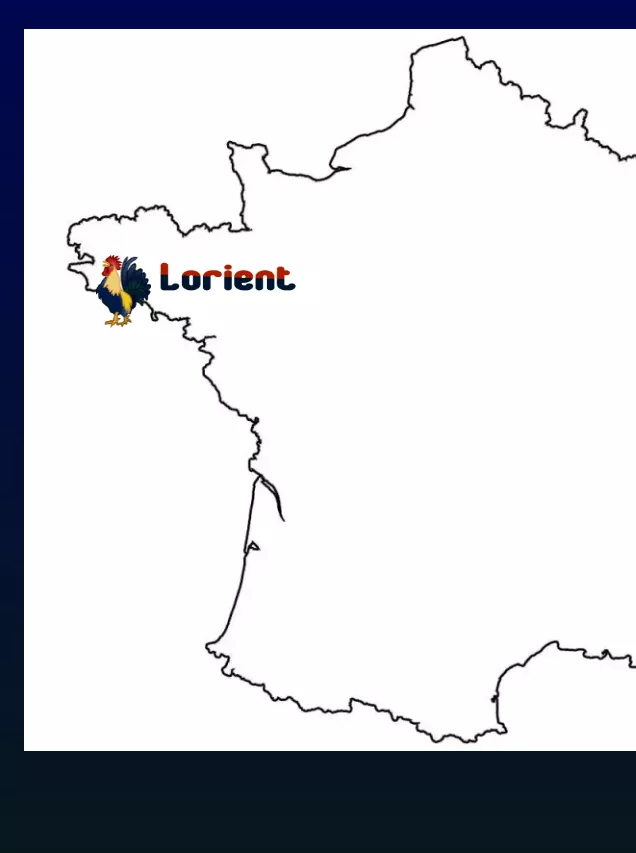
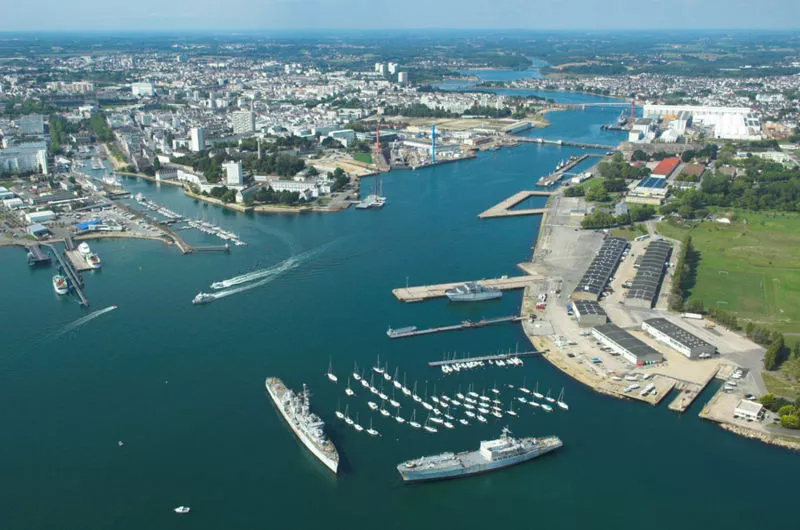
Lorient


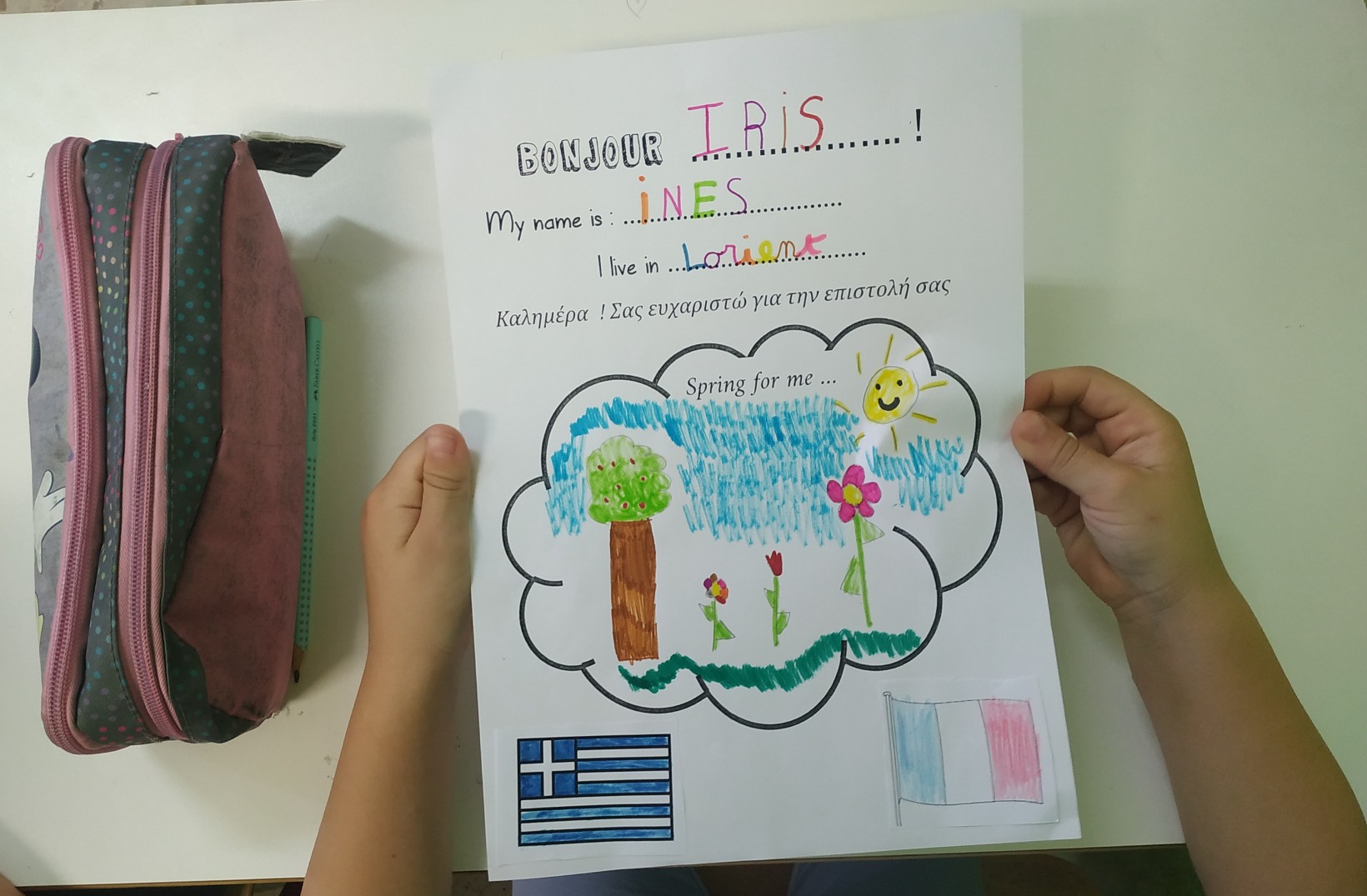
Γράμματα που μας ήρθαν για τους μαθητές και τις μαθήτριές μου της Α’ τάξης
από το σχολείο École Sainte Marie Pie X που βρίσκεται στο Lorient.

l9

l6


Lorient

Ζωγραφιές που μας ήρθαν από το Sion-les-Mines για τους μαθητές και τις μαθήτριές μου της Γ’ τάξης.

fr1

fr3

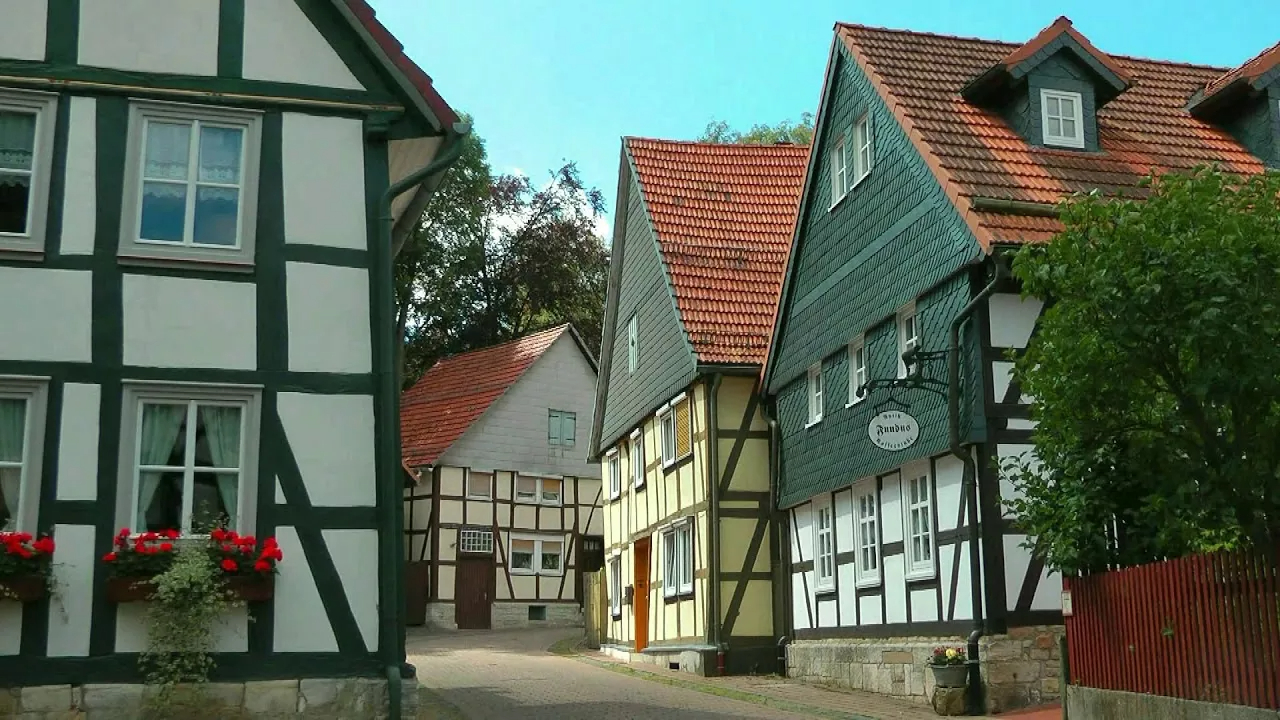
Γράμματα που ήρθαν για τους μαθητές και τις μαθήτριές μου της Δ’ τάξης
από παιδιά που ζουν στο Korbach και το Meineringhausen (Έσση)
και φοιτούν στο σχολείο Marker Breite.

g9

g12


Korbach
Korbach

MeineringhausenMeineringhausen

Today

Today I will not live up to my potential.
Today I will not relate well to my peer group.
Today I will not contribute in class.
I will not volunteer one thing.
Today I will not strive to do better.
Today I will not achieve or adjust or grow enriched or involved.
I will not put my hand up even if the teacher is wrong and I can prove it.

Today I might eat the eraser off my pencil.
I’ll look at the clouds.
I’ll be late.
I don’t think I’ll wash.

I need a rest.

Σήμερα

Σήμερα δεν θα αξιοποιήσω τις ικανότητές μου.
Σήμερα δεν θα προσπαθήσω να καταλάβω τους συνομηλίκους μου.
Σήμερα δεν θα συνεισφέρω στην τάξη.
Δεν θα προσφέρω εθελοντικά τίποτα.

Σήμερα δεν θα πασχίσω να τα πάω καλύτερα.
Σήμερα ούτε θα τα καταφέρω ούτε θα προσαρμοστώ ούτε θα αποκομίσω τίποτα ούτε που θα ασχοληθώ.

Δεν θα σηκώσω το χέρι μου ακόμα κι αν ο δάσκαλος κάνει λάθος και μπορώ να το αποδείξω.

Σήμερα μπορεί να φάω τη γόμα από το μολύβι μου.
Θα κοιτάξω τα σύννεφα.
Θα αργήσω.
Μ́άλλον θα μείνω άπλυτος, -η.

Χρειάζομαι ξεκούραση.

Introduction to Poetry

I ask them to take a poem
and hold it up to the light
like a color slide

or press an ear against its hive.

I say drop a mouse into a poem
and watch him probe his way out,
or walk inside the poem’s room
and feel the walls for a light switch.

I want them to waterski
across the surface of a poem
waving at the author’s name on the shore.

But all they want to do
is tie the poem to a chair with rope
and torture a confession out of it.

They begin beating it with a hose
to find out what it really means.


Εισαγωγή στην ποίηση

Τους ζητώ να πάρουν ένα ποίημα
και να το κρατήσουν ψηλά στο φως
σαν έγχρωμη διαφάνεια

ή να κολλήσουν το αυτί τους απάνω στο μελίσσι του.

Λέω, ρίξτε ένα ποντίκι μέσα στο ποίημα
και δείτε το να ψάχνει να βρει διέξοδο
ή περπατήστε μέσα στο δωμάτιο του ποιήματος
και ψαχουλέψτε τους τοίχους ώσπου να βρείτε το διακόπτη για το φως.

Θέλω να κάνουν θαλάσσιο σκι
σε όλη την επιφάνεια του ποιήματος,
χαιρετώντας από τη θάλασσα το όνομα του συγγραφέα στην ακτή.

Αλλά το μόνο που εκείνοι θέλουν να κάνουν
είναι να δέσουν με σχοινί το ποίημα πάνω σε μία καρέκλα
και με βασανιστήρια να το κάνουν να ομολογήσει.

Αρχίζουν να το χτυπούν με ένα λάστιχο
για να μάθουν τι σημαίνει πραγματικά.