Δεν υπάρχουν σχόλια
16 Μάι 2022
Maurice André, Jean Hubeau
Συντάκτης: Κων/νος Βούλγαρης | Κάτω από: Εκπαίδευση στον 21ο αιώνα
Maurice André (1933-2012)
Σύνθεση του Jean Hubeau (1917-1992)
12 Μάι 2022
Η άρπα της Δυτικής Αφρικής
Συντάκτης: Κων/νος Βούλγαρης | Κάτω από: Εκπαίδευση στον 21ο αιώναMamadou Diabaté (1975- ) was born in Kita, Mali.
The kora is a stringed instrument used extensively in West Africa. A kora typically has 21 strings, which are played by plucking with the fingers. It combines features of the lute and harp.
The kora is built from a large calabash, cut in half and covered with cow skin to make a resonator with a long hardwood neck. The skin is supported by two handles that run underneath it.
Kora players usually come from families and tribes who are traditional historians, genealogists and storytellers and pass their skills on to their descendants. Though played in Guinea, Guinea-Bissau, Mali, Senegal and Burkina Faso, the instrument was first discovered in the Gambia.
Being part of the oral tradition of West Africa, music for the kora was not written until the 20th century.
12 Μάι 2022
Callas in Paris, 1960’s—O mio babbino caro
Συντάκτης: Κων/νος Βούλγαρης | Κάτω από: Εκπαίδευση στον 21ο αιώναMaria Callas (1923-1977)
Recorded at Théâtre des Champs-Elysées
An aria sung by Lauretta, who begs her father Gianni Schicchi to help her marry the love of her life, Rinuccio.
O mio babbino caro
Mi piace, è bello, bello
Vo’ andare in Porta Rossa
A comperar l’anello!
Sì, sì, ci voglio andare!
E se l’amassi indarno,
Andrei sul Ponte Vecchio,
Ma per buttarmi in Arno!
Mi struggo e mi tormento!
O Dio, vorrei morir!
Babbo, pietà, pietà!
Babbo, pietà, pietà!
Oh my dear daddy
I like him, he is handsome, handsome.
I want to go to Porta Rossa
To buy the ring!
Yes, yes, I want to go there!
And if I’ve loved him in vain,
I would go to the Ponte Vecchio
And throw myself in the Arno!
I am anguished and tormented!
Oh God, I’d like to die!
Dad, have pity, have pity!
Dad, have pity, have pity!
Ω αγαπημένε μου μπαμπάκα,
μου αρέσει, είναι όμορφος, όμορφος.
Θέλω να πάω στην Πόρτα Ρόσσα
[δρόμος στη Φλωρεντία κοντά σε αγορά]
για να αγοράσω το δαχτυλίδι!
Ναι, ναι, θέλω να πάω εκεί!
Κι αν τον αγάπησα μάταια,
θα πήγαινα στο Πόντε Βέκιο [παλιό γεφύρι],
για να ριχτώ στον ποταμό Άρνο!
Αγωνιώ και βασανίζομαι!
Θεέ μου, θα ήθελα να πεθάνω!
Μπαμπά, δείξε έλεος, έλεος!
Μπαμπά, δείξε έλεος, έλεος!
This poem isn’t interested in my exhaustion
only how it can open itself,
carve a valley through my fear.
I want to name each feeling
and let each name go.
There is a place in me
where I have never been sick.
Bravery, let me speak of pain
I thought was done with me
yet still ripples outward
and outward. I had walked away
thinking the stone had reached
the bottom of memory.
Today I will not be brave.
Today I will sit still,
try to consider what it is that is
in me still. I will try to see the sky
as more than sky, more than skin,
more than this exhaustion.
Αυτό το ποίημα δεν ενδιαφέρεται για την εξάντλησή μου
μόνο πώς μπορεί να ανοίξει μόνο του,
να χαράξει μία κοιλάδα μέσα από το φόβο μου.
Θέλω να κατονομάσω κάθε συναίσθημα
και να αφήσω κάθε ονομασία να φύγει.
Υπάρχει ένα σημείο μέσα μου
όπου δεν έχω αρρωστήσει ποτέ.
Γενναιότητα, ας μιλήσω για πόνο
Νόμιζα ότι είχε τελειώσει μαζί μου
όμως ακόμα σχηματίζει κυματάκια κι εξαπλώνεται
προς τα έξω και προς τα έξω. Είχα απομακρυνθεί
νομίζοντας ότι η πέτρα είχε φτάσει
στον πάτο της μνήμης.
Σήμερα δεν θα είμαι γενναίος.
Σήμερα θα κάτσω ακύμαντος, ακίνητος και σιωπηλός,
θα προσπαθήσω να σκεφτώ τι είναι αυτό
που είναι μέσα μου ακύμαντο, μέσα μου ακόμα.
[λογοπαίγνιο με τις έννοιες του still: ακόμα, ακύμαντο, ακίνητο και σιωπηλό]
Θα προσπαθήσω να δω τον ουρανό
σαν κάτι περισσότερο από ουρανό, περισσότερο από δέρμα,
περισσότερο από αυτή την εξάντληση.
Ο Αμερικανός ποιητής Μάθιου Σίγκελ (γεν. 1984, Νέα Υόρκη) έχει διαγνωστεί με τη νόσο του Κρον.
American poet Matthew Siegel (b. 1984, New York) has been diagnosed with Crohn’s disease.
10 Μάι 2022
Μαθαίνω να βλέπω τον Άνθρωπο Learning to See the Person ♡♡♡
Συντάκτης: Κων/νος Βούλγαρης | Κάτω από: Εκπαίδευση στον 21ο αιώνα
Συγκλονιστικά στην απλότητά τους,
πραγματικά έργα τέχνης και καλοσύνης
για τους ανθρώπους με αναπηρία.
Το Δημοτικό Σχολείο Ζυγίου (παραθαλάσσιο χωριό της Κύπρου)
μας έστειλε φωτογραφίες από μία κατασκευή
που έκαναν τα παιδιά της Δ’ τάξης με βότσαλα.
Έργο eTwinning από τα Εργαστήρια Δεξιοτήτων,
που το ξεκίνησα πρόσφατα με τίτλο «Μαθαίνω να βλέπω τον Άνθρωπο»,
σε μία προσπάθεια να ξεπεράσω τα στενά όρια της ειδικότητάς μου (ΠΕ06 Αγγλικά).

Γράμματα και ζωγραφιές από το Artix για την ΣΤ’ τάξη.

9 Μάι 2022
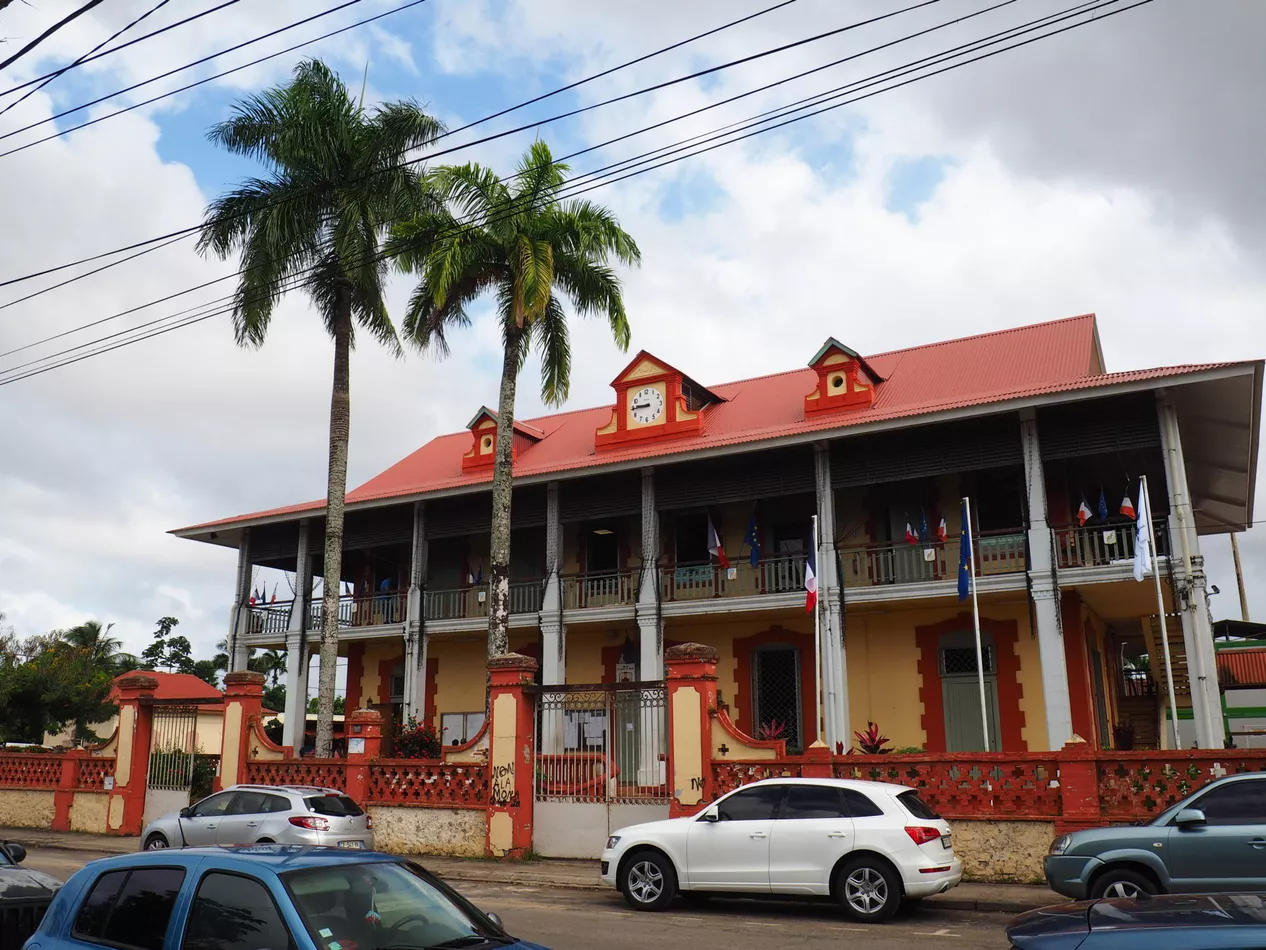
Saint-Laurent-du-Maroni, France
Συντάκτης: Κων/νος Βούλγαρης | Κάτω από: Εκπαίδευση στον 21ο αιώνα
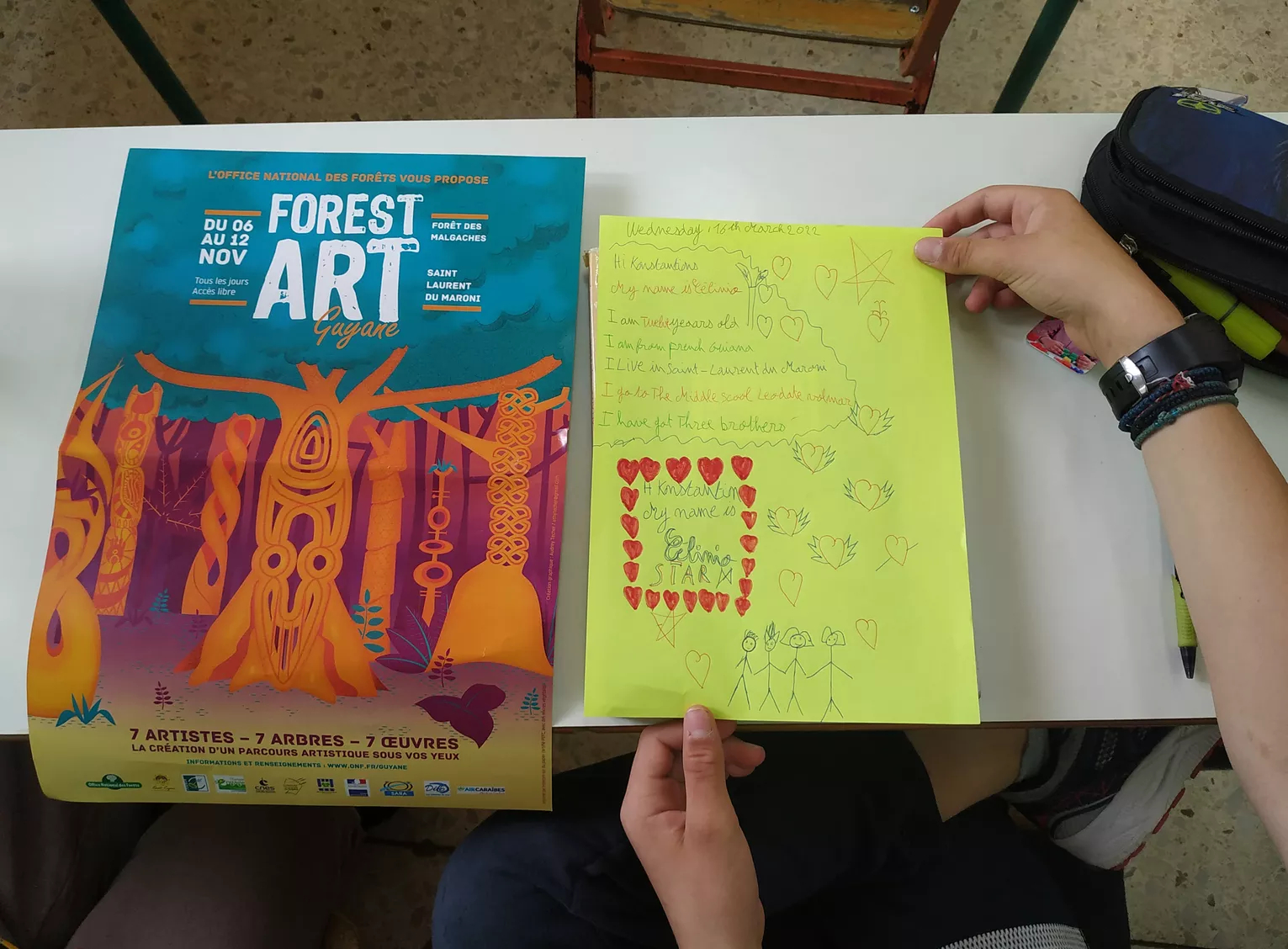
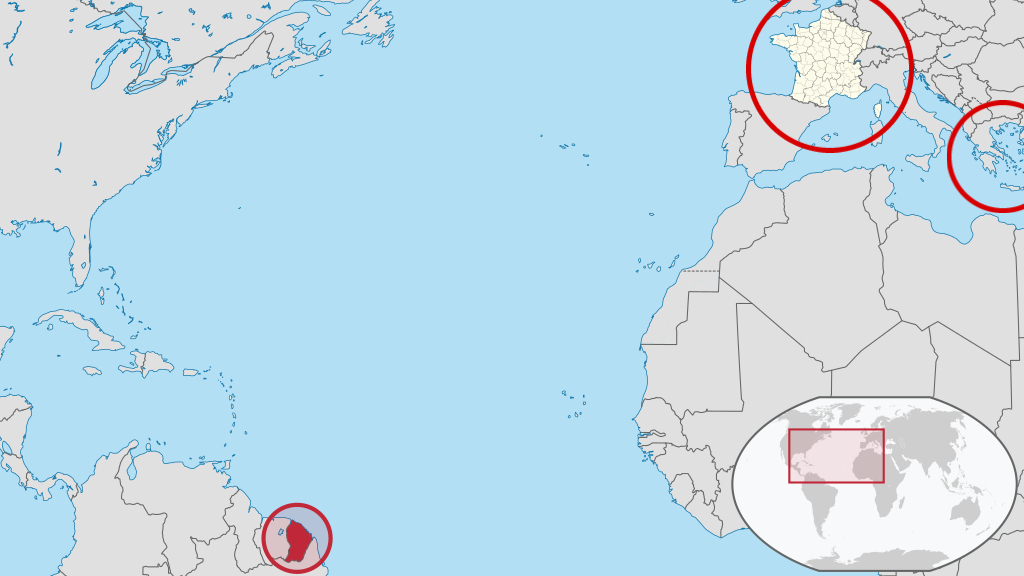
Μια αφίσα κι ένα γράμμα για το μαθητή μου Κωνσταντίνο (Ε’ τάξη) από τον μικρό Célinio που μένει στην πόλη Saint-Laurent-du-Maroni της Γαλλικής Γουιάνας (Νότια Αμερική) και φοιτά στο Collège Léodate Volmar.
Τα ψαράκια μας στα Αγγλικά της Γ’ τάξης.

Το γράμμα και οι ζωγραφιές της μαθήτριάς μου Μιράντας (Α’ τάξη) έφτασαν στον μικρό Marin που μένει στο Quéven (Γαλλία).


8 Μάι 2022
Callas in Paris, 1958—Casta Diva
Συντάκτης: Κων/νος Βούλγαρης | Κάτω από: Εκπαίδευση στον 21ο αιώναMaria Callas (1923-1977)
Recorded live at the Palais Garnier on the 19th of December 1958, this concert marked the soprano’s debut at the Paris Opera. The aria “Casta Diva” comes from Vincenzo Bellini’s opera Norma. It is a moment of stillness and calm before an oncoming war.
Norma, the head priestess, leads her people in a mesmerising prayer to the Moon goddess.
Casta Diva
Casta Diva, che inargenti
queste sacre antiche piante,
a noi volgi il bel sembiante
senza nube e senza vel.
Tempra, o Diva,
tempra tu de’ cori ardenti
tempra ancora lo zelo audace,
spargi in terra quella pace
che regnar tu fai nel ciel.
Chaste Goddess
Chaste Goddess, covering with silver
These sacred ancient plants,
Turn towards us your beautiful face
Cloudless and unveiled.
Temper, oh Goddess,
Temper the ardent hearts
And even temper the audacious zeal,
Spread the same peace on earth
That you make reign in heaven.
Αγνή Θεά
Αγνή Θεά, που ασημώνεις
αυτά τα ιερά αρχαία φυτά,
στρέψε σ’ εμάς την όμορφη θωριά σου,
ανέφελη κι ακάλυπτη.
Γαλήνεψε, ω Θεά,
ηρέμησε τις φλογερές καρδιές
κι ακόμα καταπράυνε το θρασύ ζήλο,
άπλωσε στη γη την ίδια ειρήνη
που κάνεις να βασιλεύει στον ουρανό.
Μια κάρτα για τη μαθήτριά μου Ανδριάννα (Β’ τάξη) από τη μικρή Léa που μένει στη Νάντη.


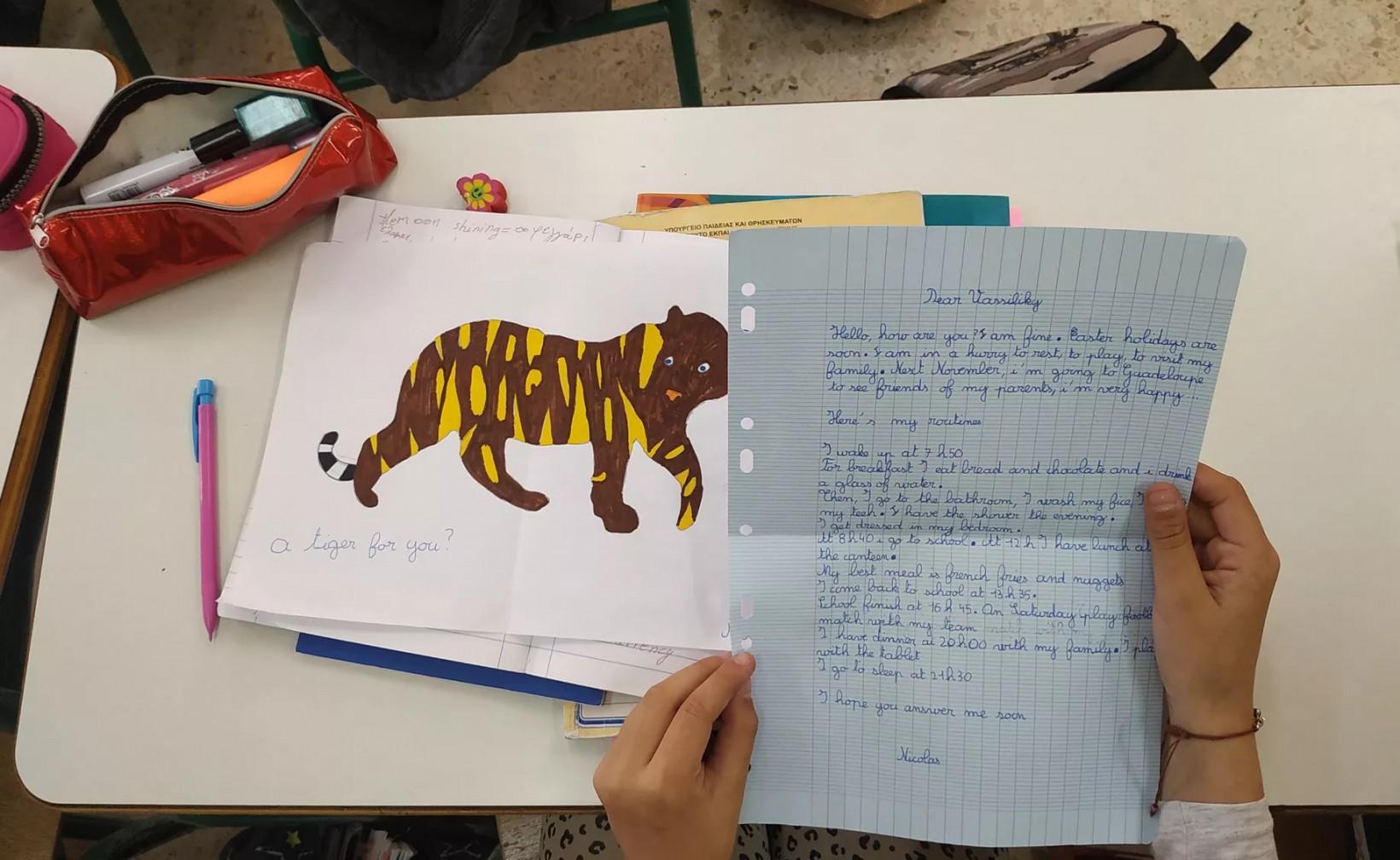
Μια ζωγραφιά κι ένα γράμμα για τη μαθήτριά μου Βασιλική (Ε’ τάξη)
από τον μικρό Nicolas, που ζει στο γαλλικό χωριό Artix και φοιτά στο σχολείο École élémentaire Jean Moulin.
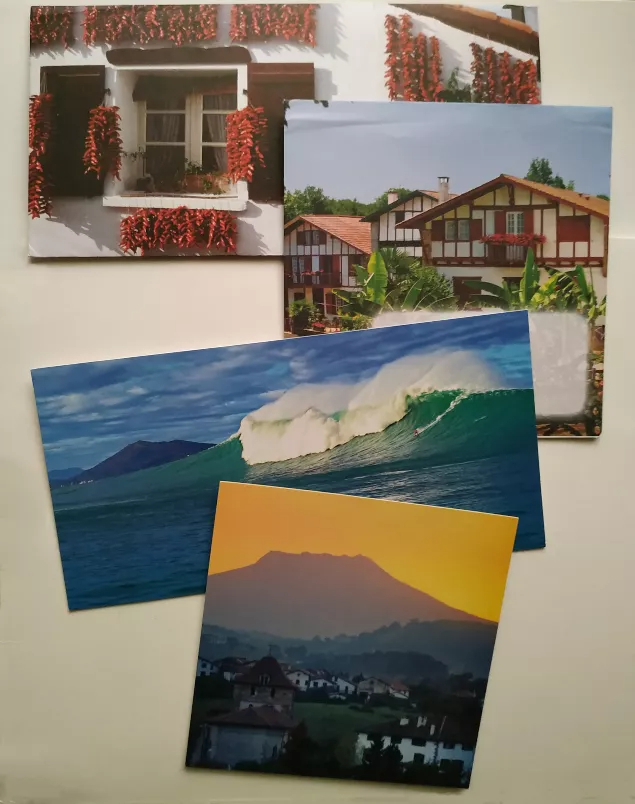
Κάρτες από τα Πυρηναία
8 Μάι 2022
Sion-les-Mines, France
Συντάκτης: Κων/νος Βούλγαρης | Κάτω από: Εκπαίδευση στον 21ο αιώναΤα γράμματά μας (Γ’ τάξη) έφτασαν στο Sion-les-Mines.

Τα γράμματά μας (Ε’ τάξη) έφτασαν στο σχολείο Sprankel (πρώην Vrije Basisschool Sint-Lutgart)
που βρίσκεται στην πόλη Roeselare.

7 Μάι 2022
Μαθαίνω να βλέπω τον Άνθρωπο Learning to See the Person #SkillsLabs
Συντάκτης: Κων/νος Βούλγαρης | Κάτω από: Εκπαίδευση στον 21ο αιώναΤο νέο μου έργο στο eTwinning
μέσα από τα Eργαστήρια Δεξιοτήτων.
Με τρόπο απλό και αυθόρμητο, νέοι με αναπηρία θίγουν θεμελιώδη και καίρια ζητήματα που απασχολούν τους ανθρώπους με αναπηρία.
Αναπτύσσοντας έναν ειλικρινή διάλογο με νέους αρτιμελείς (στο σχετικό βίντεο) και με τους μαθητές μας στην τάξη κατά την επίσκεψη που θα πραγματοποιήσουν, απαντούν στις ερωτήσεις χωρίς περιστροφές, λύνουν απορίες και περιγράφουν πώς υπερνίκησαν τα δικά τους εμπόδια και θριάμβευσαν ενάντια στις αντιξοότητες.
I Am Offering This Poem
I am offering this poem to you,
since I have nothing else to give.
Keep it like a warm coat
when winter comes to cover you,
or like a pair of thick socks
the cold cannot bite through,
I love you,
I have nothing else to give you,
so it is a pot full of yellow corn
to warm your belly in winter,
it is a scarf for your head, to wear
over your hair, to tie up around your face,
I love you,
Keep it, treasure this as you would
if you were lost, needing direction,
in the wilderness life becomes when mature;
and in the corner of your drawer,
tucked away like a cabin or hogan
in dense trees, come knocking,
and I will answer, give you directions,
and let you warm yourself by this fire,
rest by this fire, and make you feel safe
I love you,
It’s all I have to give,
and all anyone needs to live,
and to go on living inside,
when the world outside
no longer cares if you live or die;
remember,
I love you.
Προσφέρω αυτό το ποίημα
Σου προσφέρω αυτό το ποίημα,
αφού δεν έχω τίποτα άλλο να δώσω.
Φύλαξέ το σαν ένα ζεστό παλτό
όταν θα έρθει ο χειμώνας να σκεπαστείς
ή σαν ένα ζευγάρι χοντρές κάλτσες
που το κρύο δεν θα μπορεί να τις διαπεράσει,
Σ’ αγαπώ,
Δεν έχω τίποτα άλλο να σου δώσω,
είναι λοιπόν ένα δοχείο γεμάτο με κίτρινο καλαμπόκι
για να ζεστάνεις την κοιλίτσα σου το χειμώνα,
είναι ένα φουλάρι για το κεφάλι σου, να το φοράς
πάνω από τα μαλλιά σου, να το δένεις γύρω από το πρόσωπό σου,
Σ’ αγαπώ,
Κράτησέ το, εκτίμησέ το όπως θα έκανες
εάν χαθείς και χρειαστείς κατεύθυνση
στην ερημιά που γίνεται η ζωή σαν ωριμάζουμε·
και στη γωνιά του συρταριού σου,
κρυμμένο καλά σαν ένα ξύλινο σπιτάκι ή ινδιάνικο καλύβι χωμάτινο
ανάμεσα στα πυκνά δέντρα, χτύπα μου την πόρτα
και θα απαντήσω, θα σε κατευθύνω εγώ
και θα σε αφήσω να ζεσταθείς σε αυτή τη φωτιά,
να ξαποστάσεις δίπλα σε αυτή τη φωτιά
και θα σε κάνω να αισθανθείς ασφαλής
Σ’ αγαπώ,
Είναι το μόνο που έχω να δώσω
και το μόνο που χρειάζεται κανείς για να ζει
και να συνεχίσει να ζει μέσα του,
όταν ο έξω κόσμος
δεν ενδιαφέρεται πια αν ζεις ή πεθαίνεις·
θυμήσου:
Σ’ αγαπώ.

Jimmy Santiago Baca was born in 1952 in Santa Fe, New Mexico of Chicano and Apache descent. He was abandoned by his parents at the age of seven, and at 13 ran away from the orphanage where his grandmother had placed him. He was convicted on drug charges in his early 20s and spent five years in prison. There he learned to read and began writing poetry.
7 Μάι 2022
Saint-Herblain, France
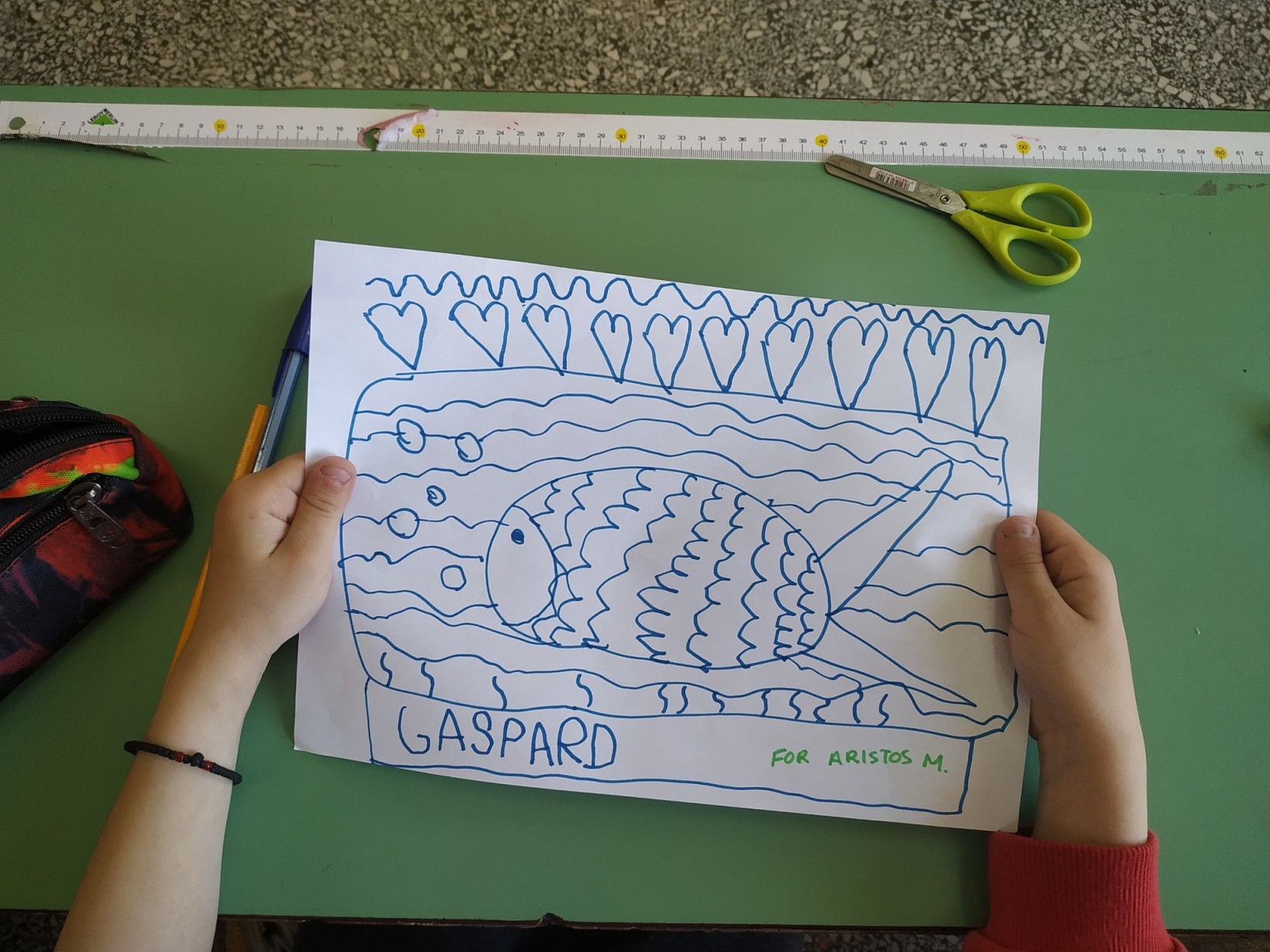
Συντάκτης: Κων/νος Βούλγαρης | Κάτω από: Εκπαίδευση στον 21ο αιώναΟ μαθητής μου Αρίστος (Β’ τάξη) κρατάει τη ζωγραφιά
που του έφτιαξε ο μικρός Gaspard από το σχολείο École primaire privée Saint Dominique που βρίσκεται στο Saint-Herblain.

Κουερόν, Γαλλία