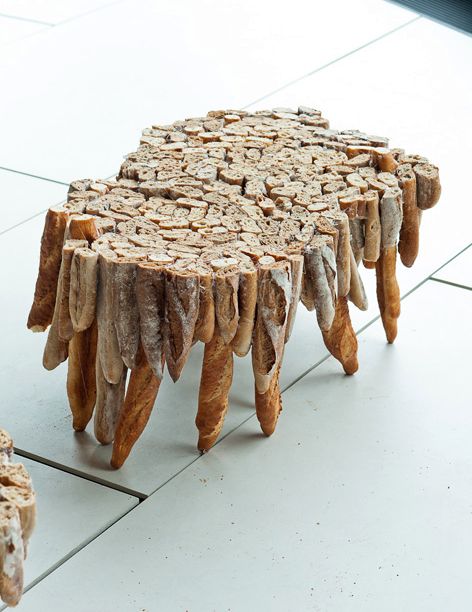
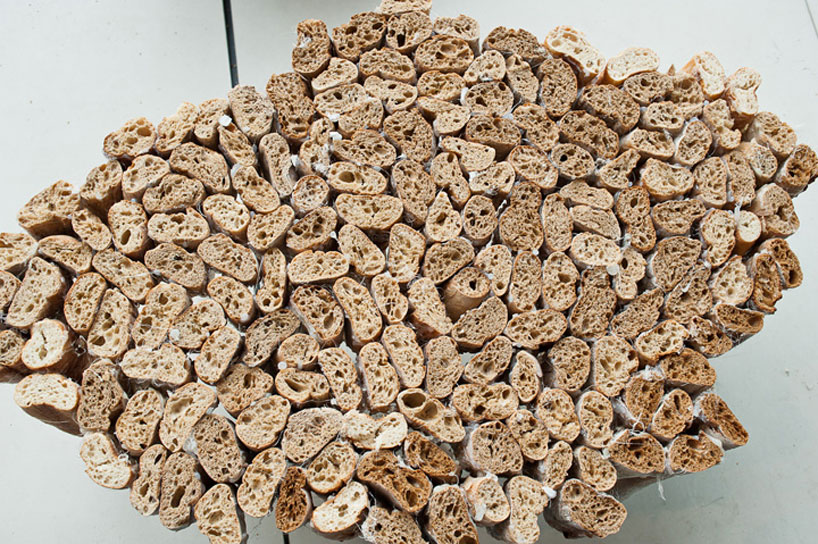
By Studio Rygalik, Poland

L’Hermitage Elementary School
Τα παιδιά από τη Γαλλία που αλληλογραφούν φέτος με τους μαθητές και τις μαθήτριές μου της Δ’ τάξης.
Our friends live in Pontoise, France, near Paris.
Οι φίλοι μας κατοικούν στο Ποντουάζ της Γαλλίας, κοντά στο Παρίσι.
που συμβάλλει στην υγιή ψυχοκοινωνική ανάπτυξη των παιδιών
και την προστασία αυτών από Δυσμενείς Παιδικές Εμπειρίες
It Doesn’t Matter What Language It’s Written In
It doesn’t matter what language it’s written in.
Every language is foreign, incomprehensible.
Every word, hardly pronounced,
Flees far away, where nothing or nobody can reach it.
It doesn’t matter how much is known.
Nobody can read.
Nobody knows what lightning is—
Even less so when it’s reflected
On the polished metal of a knife.
Now, night looks like a sea.
Across that sea we’re rowing,
Dispersed, in silence.
Carlos Barbarito (b. 1955) is an Argentine poet
born in Pergamino, Buenos Aires.
No importa en qué idioma se escriba
No importa en qué idioma se escriba.
Toda lengua es extranjera, incomprensible.
Toda palabra, apenas pronunciada,
huye lejos, adonde nada ni nadie puede alcanzarla.
No importa cuánto se sepa.
Nadie sabe leer.
Nadie sabe qué es un relámpago
y menos cuando se refleja
en el pulido metal de un cuchillo.
Ahora la noche parece un mar.
Por ese mar remamos,
dispersos, en silencio.
Δεν έχει σημασία σε ποια γλώσσα γράφτηκε
Δεν έχει σημασία σε ποια γλώσσα γράφτηκε.
Κάθε γλώσσα είναι ξένη, ακατανόητη.
Κάθε λέξη, πριν προφερθεί καλά-καλά,
φεύγει μακριά, εκεί όπου τίποτα, κανείς δεν μπορεί να τη φτάσει.
Δεν έχει σημασία πόσα είναι γνωστά.
Κανείς δεν ξέρει ανάγνωση.
Κανείς δεν ξέρει τι είναι ο κεραυνός
κι ακόμα λιγότερο όταν αυτός αντανακλάται
στο γυαλισμένο μέταλλο ενός μαχαιριού.
Τώρα η νύχτα μοιάζει με θάλασσα.
Διαπλέουμε τη θάλασσα κωπηλατώντας,
διασκορπισμένοι, σιωπηλοί.
“The Laughing Policeman” is a music hall song recorded by British artist Charles Penrose (published under the pseudonym Charles Jolly in 1922).
The song describes a fat jolly policeman who cannot stop laughing and has a chorus in which the sound of laughter is made in a sustained semi musical way by the singer.
I know a fat old policeman
He’s always on our street
A fat and jolly red-faced man
He really is a treat
He’s too kind for a policeman
He’s never known to frown
And everybody says he is the
Happiest man in town!
Oh, ha-ha-ha ha-ha-ha ha-ha-ha ha-ha-ha!
He laughs upon point duty
He laughs upon his beat
He laughs at everybody when he’s
Walking in the street
He never can stop laughing
He says he’s never tried
But once he did arrest a man
And laughed until he cried!
Oh ha-ha-ha ha-ha-ha ha-ha-ha ha-ha-ha!
His jolly face is wrinkled
And then he shut his eyes
He opened his great mouth
It was a wonderous size
He said, “I must arrest you”
He didn’t know what for
And then he started laughing
Until he cracked his jaw!
Oh ha-ha-ha ha-ha-ha ha-ha-ha ha-ha-ha!
So, if you chance to meet him
When walking ’round the town
Just shake him by his fat old hand
And give him half a crown
His eyes will beam and sparkle
He’ll gurgle with delight
And then you’ll start him laughing
With all his blessed might!
Oh ha-ha-ha ha-ha-ha ha-ha-ha ha-ha-ha!
on point duty: the stationing of a police officer or traffic warden at a road junction to control and direct traffic
on the beat: In police terminology, a beat is the territory that a police officer patrols. Beat policing is based on traditional policing (late 19th century) and utilizes the close relationship with the community members within the assigned beat to strengthen police effectiveness and encourage cooperative efforts to make a safer community. Beat police typically patrol on foot or bicycle which provides more interaction between police and community members.
Η κάρτα που έφτιαξα για το μαθητή μου Κωνσταντίνο της Β’ τάξης.
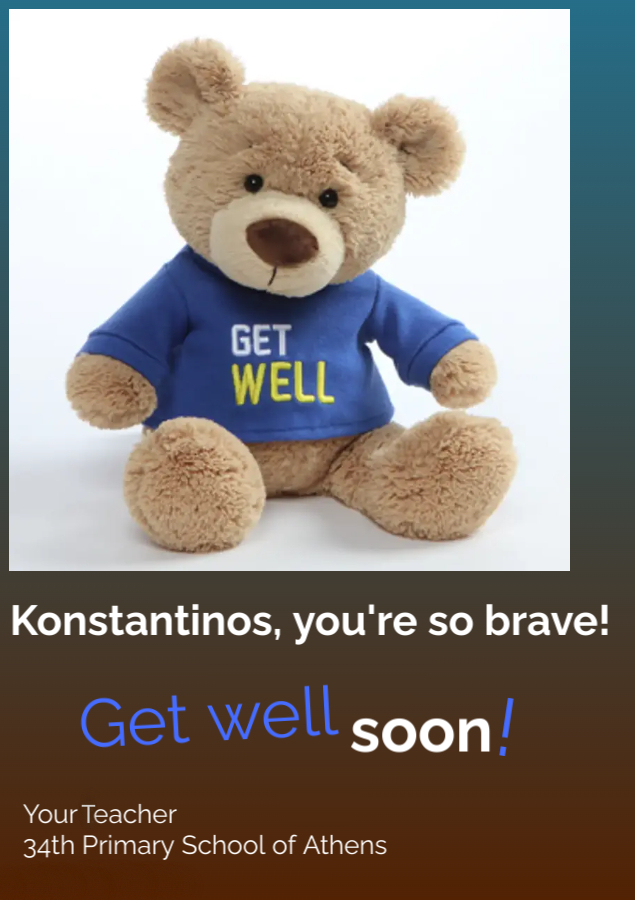
— Κωνσταντίνε, είσαι τόσο γενναίος!
Γρήγορα περαστικά!
Ο δάσκαλός σου
34ο Δημοτικό Σχολείο Αθηνών
Michael Donaghy (1954-2004) was a poet and musician, born in New York City to Irish immigrant parents. He grew up in the Bronx. After earning a BA from Fordham University and an MA from the University of Chicago, he moved to London in 1985.
Machines
Dearest, note how these two are alike:
This harpsicord pavane by Purcell
And the racer’s twelve-speed bike.
The machinery of grace is always simple.
This chrome trapezoid, one wheel connected
To another of concentric gears,
Which Ptolemy dreamt of and Schwinn perfected,
Is gone. The cyclist, not the cycle, steers.
And in the playing, Purcell’s chords are played away.
So this talk, or touch if I were there,
Should work its effortless gadgetry of love,
Like Dante’s heaven, and melt into the air.
If it doesn’t, of course, I’ve fallen. So much is chance,
So much agility, desire, and feverish care,
As bicyclists and harpsicordists prove
Who only by moving can balance,
Only by balancing move.
Μηχανές
Πολυαγαπημένη μου, για δες πώς μοιάζουν αυτά τα δυο:
Ετούτη η παβάν στο τσέμπαλο, του Πέρσελ σύνθεση,
με το ποδήλατο του αθλητή, δώδεκα ταχυτήτων.
Τα μηχανήματα της χάριτος παντοτινά απλά.
Εκείνο το τραπεζοειδές από χρώμιο, που ο ένας του τροχός
είναι συνδεδεμένος με τον άλλο σε ομόκεντρα γρανάζια,
κάτι που ο ονειρεύτηκε ο Πτολεμαίος και τελειοποίησε ο Σουίν,
έχει πια φύγει. Ο ποδηλάτης οδηγεί, ο κυκλιστής— όχι ο κύκλος.
Μα και στο παίξιμο, οι συγχορδίες του Πέρσελ απομακρύνονται.
Αυτή λοιπόν η κουβέντα —ή το άγγιγμα αν ήμουν εκεί—
θα πρέπει να αξιοποιήσει χωρίς καθόλου κόπο τα σύνεργα της αγάπης,
σαν μέσα στον παράδεισο του Δάντη, κι ύστερα να εξανεμιστεί.
Εάν αυτό δεν συμβεί, θα έχω πέσει, φυσικά. Είναι θέμα τύχης,
ευκινησίας, επιθυμίας και πυρετώδους μέριμνας,
όπως αποδεικνύουν οι ποδηλάτες και τα τσέμπαλα
που μόνο με την κίνηση μπορούν να ισορροπήσουν,
με την ισορροπία μοναχά μπορούν να κινηθούν.

The national Māori flag, also known as the Tino rangatiratanga (absolute sovereignty) flag. Designed in 1989, it is widely used by Māori groups.
https://www.newzealand.com/us/maori-culture/
There are over 100 iwi (tribes) in Aotearoa (New Zealand). Each with their own stories to tell.


The antidoron (i.e. “instead of the Eucharistic gifts”) is ordinary leavened bread which is blessed but not consecrated and distributed in the Eastern Orthodox Church.
It comes from the remains of the loaves of bread from which portions are cut for consecration as the Eucharist during the Divine Liturgy.
loaf, πληθ. loaves
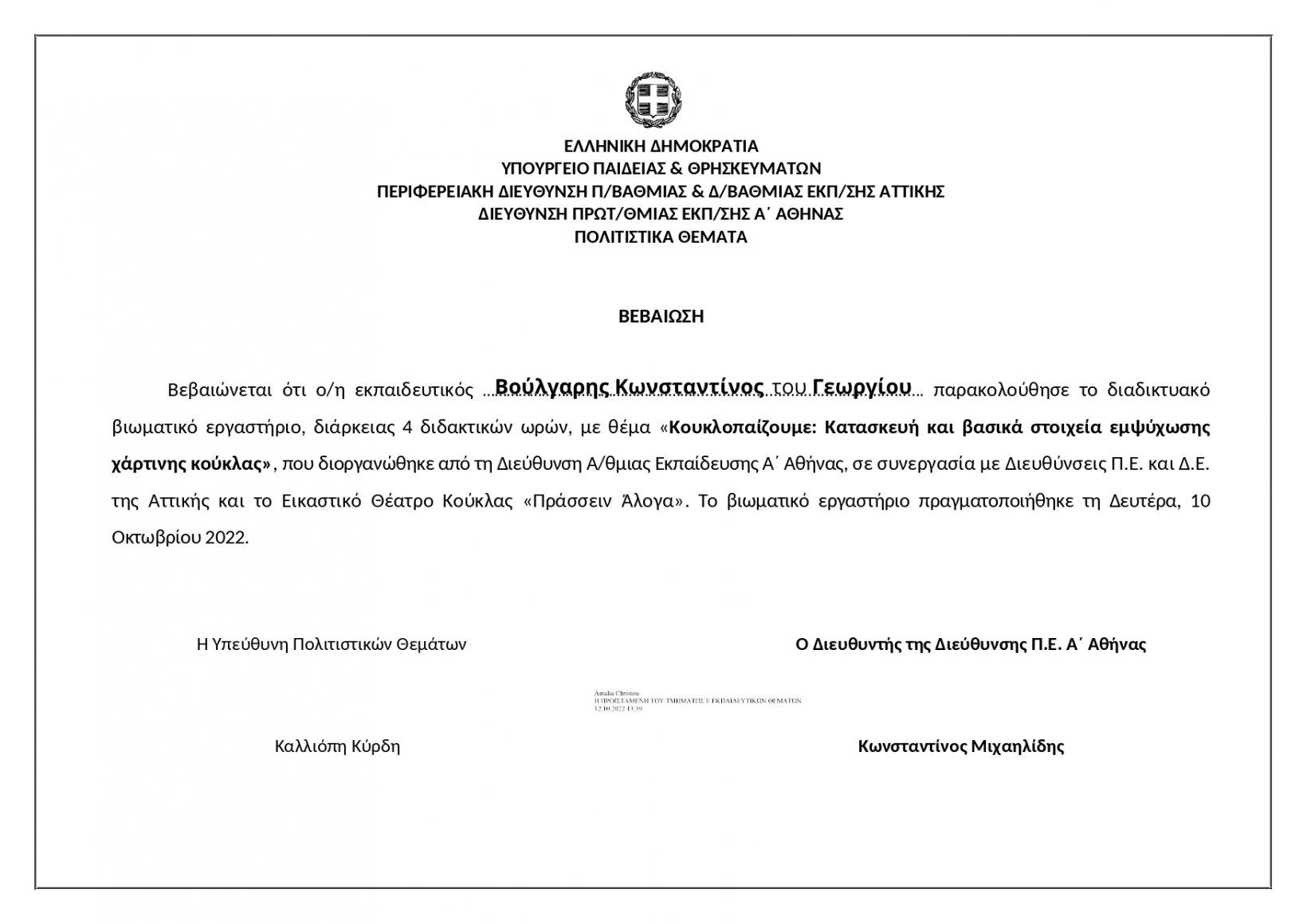
Κατασκευή και βασικά στοιχεία εμψύχωσης
χάρτινης κούκλας
10/10/2022

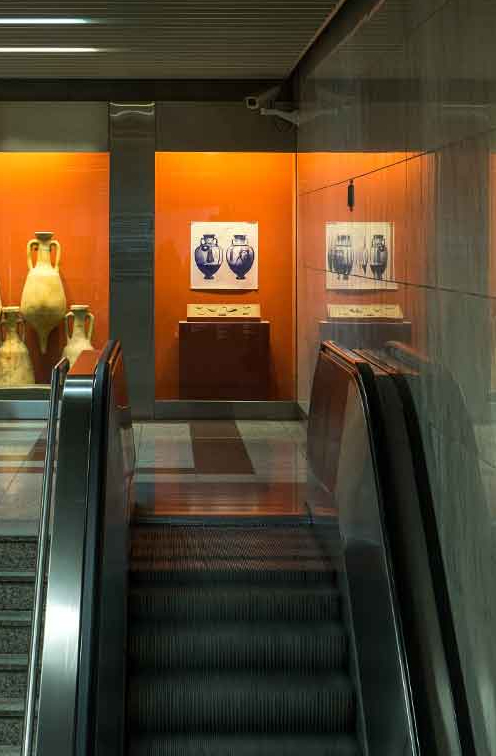
An escalator is a moving staircase that carries people between floors of a building or structure; a power-driven set of stairs arranged like an endless belt that ascend or descend continuously.
Robert Creeley (1926–2005) was a poet born in Arlington, Massachusetts. He grew up in Acton. At the age of two, he lost his left eye. In his later years he was an advocate of, and a mentor to, many younger poets, as well as to others outside of the poetry world.
Kore
As I was walking
I came upon
chance walking
the same road upon.
As I sat down
by chance to move
later
if and as I might,
light the wood was,
light and green,
and what I saw
before I had not seen.
It was a lady
accompanied
by goat men
leading her.
Her hair held earth.
Her eyes were dark.
A double flute
made her move.
“O love,
where are you
leading
me now?”
Κόρη
Καθώς περπατούσα
έφτασα στον…
—τυχαίο περπάτημα—
στον ίδιο δρόμο.
Σαν κάθισα
τυχαία ξανά, για να κινήσω
πιο μετά,
εάν κι εφόσον μπορούσα,
ελαφρύ που ήταν το ξύλο!
Ελαφρύ και πράσινο—
κι αυτό που είδα,
πιο πριν δεν το ‘χα ματαδεί.
Ήταν μια κυρά
συνοδευόμενη
από τραγόμορφους άντρες
που την κατηύθυναν.
Τα μαλλιά της κρατούσαν χώμα.
Τα μάτια της ήταν σκούρα.
Ένας διπλός αυλός
την έκανε να κινείται.
«Ω αγάπη,
πού
με πηγαίνεις
τώρα;»


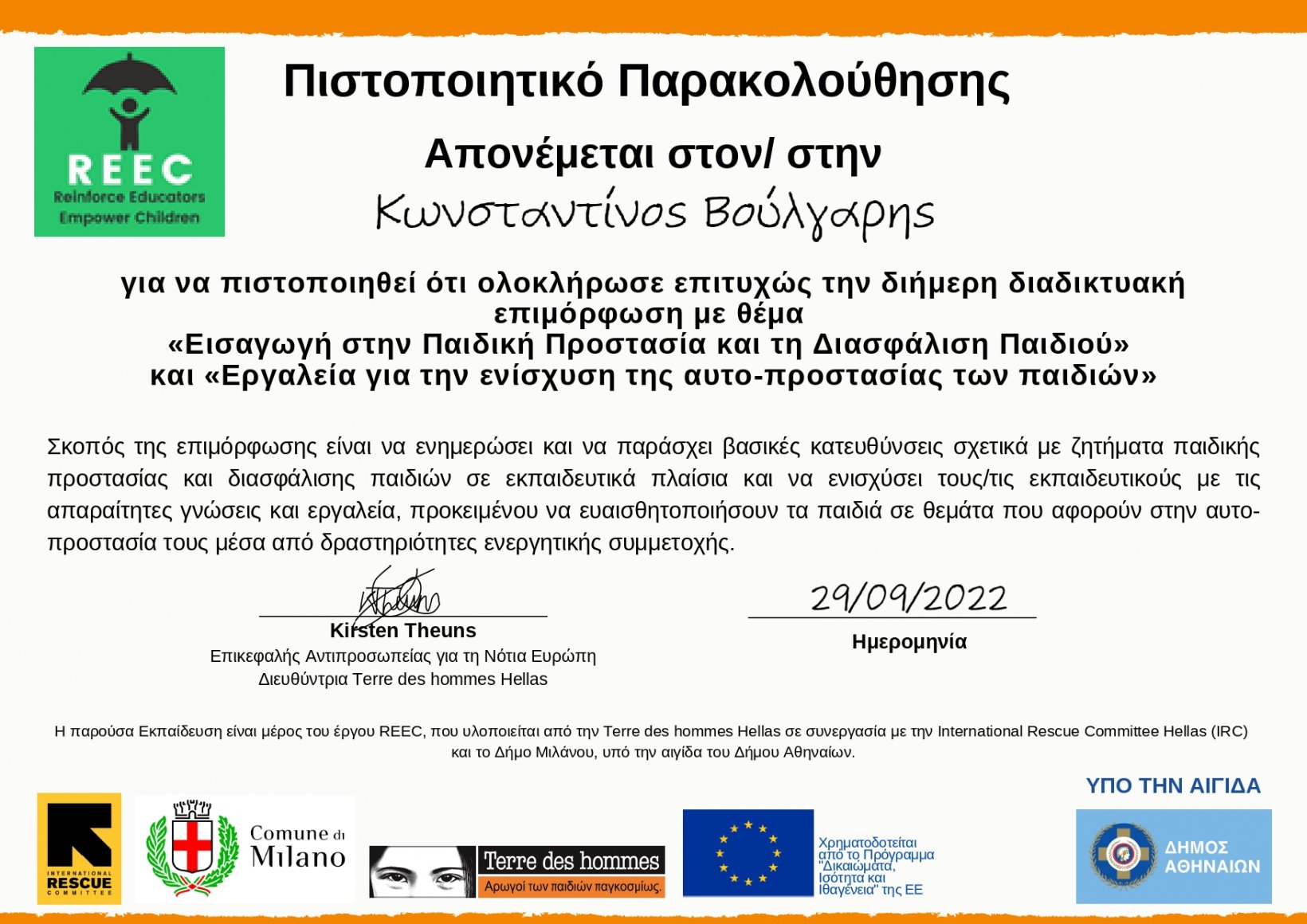
και Εργαλεία για την ενίσχυση της αυτο-προστασίας των παιδιών
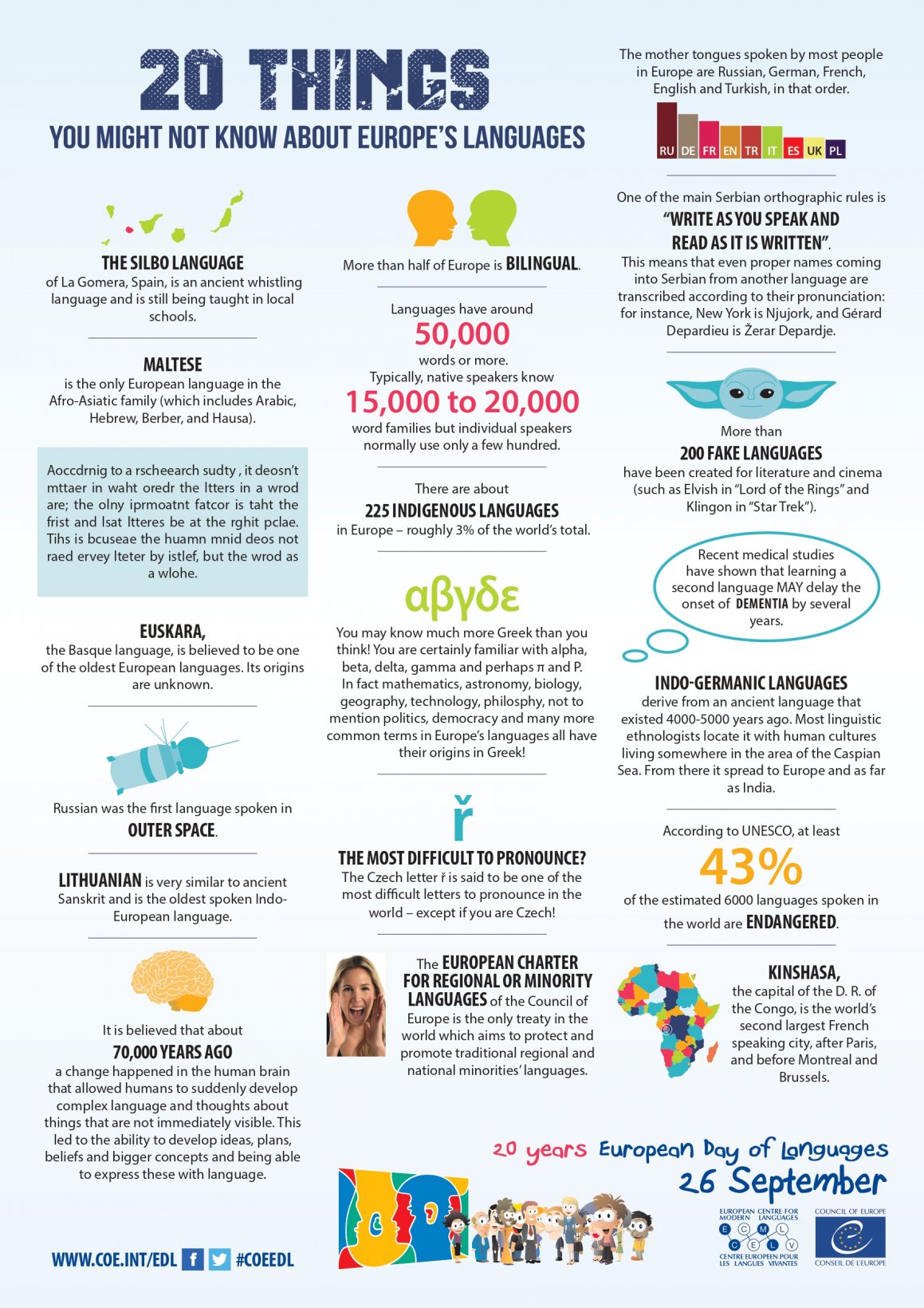
Κάντε κλικ εδώ και
γιορτάστε την Ευρωπαϊκή Ημέρα Γλωσσών!
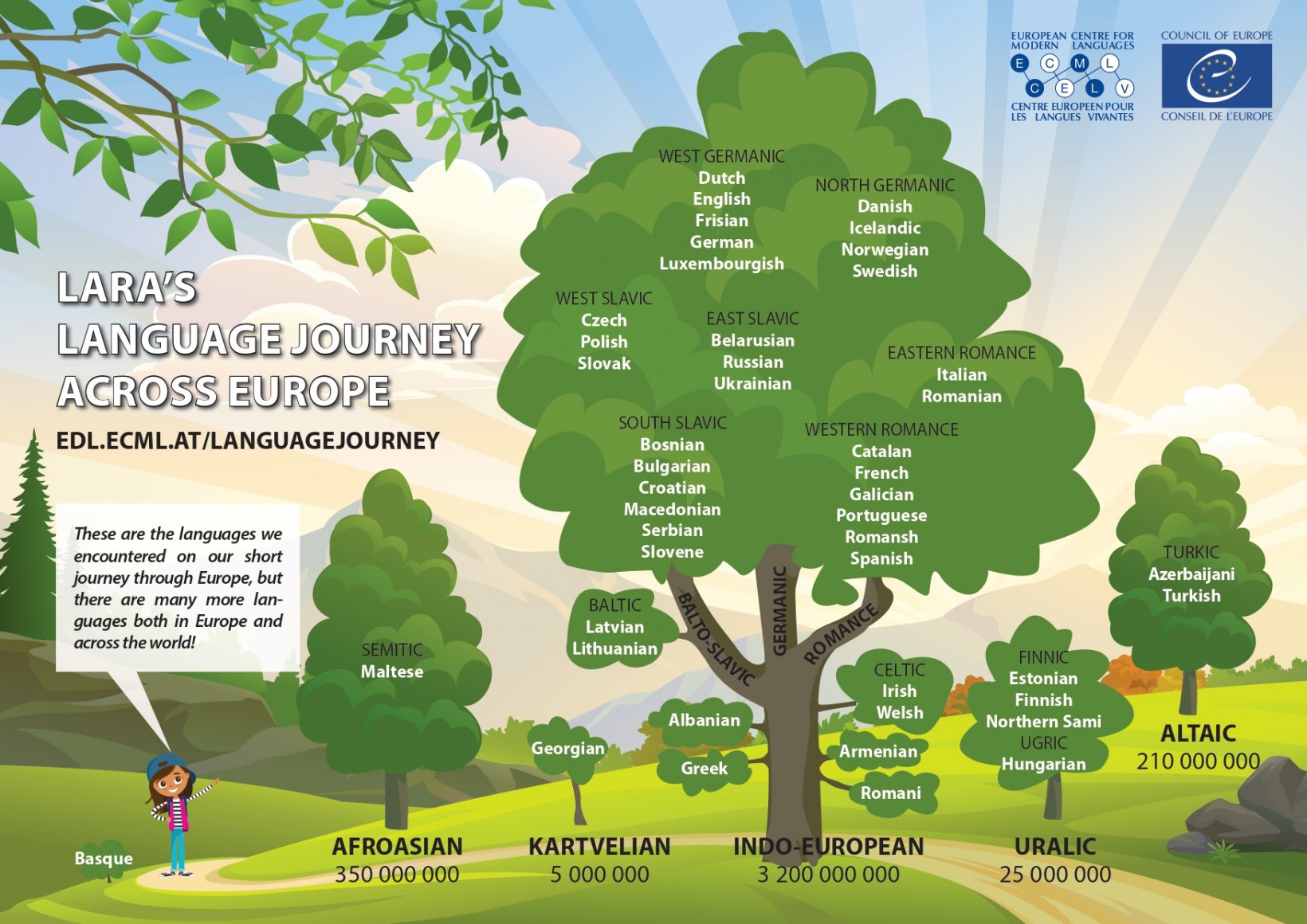
https://blogs.sch.gr/konvoulgar/files/2022/09/Language-Journey.pdf
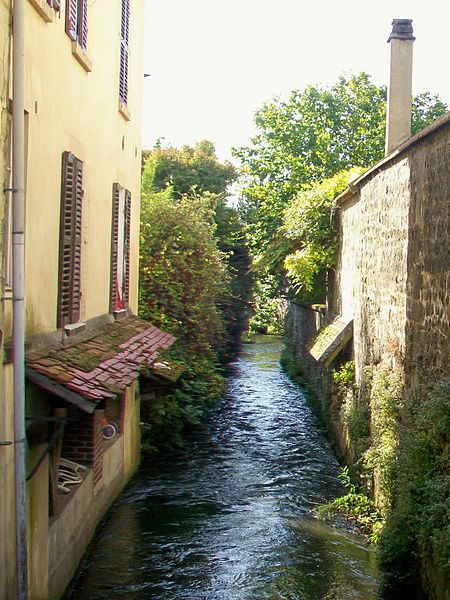
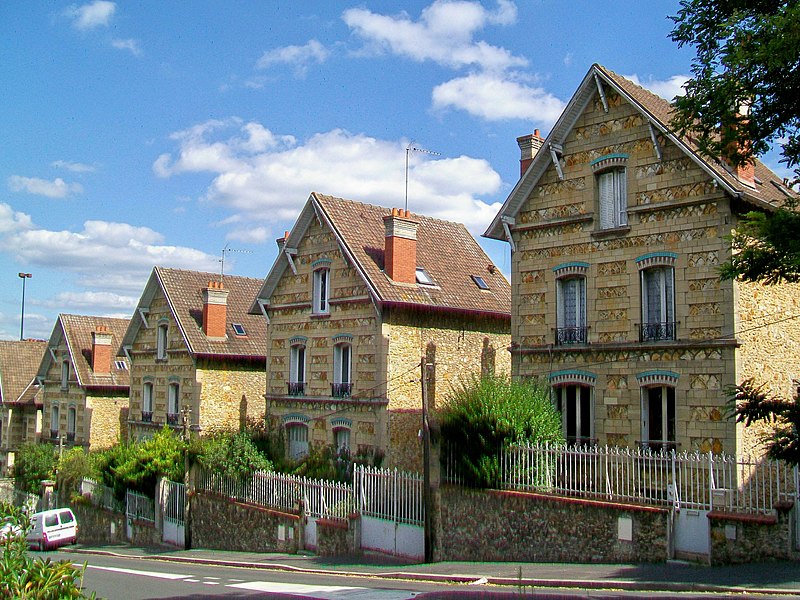
Ποντουάζ, Γαλλία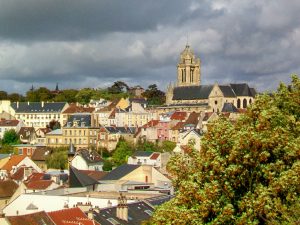

Robert Bly (1926-2021) was a poet, essayist, and activist from Lac qui Parle County, Minnesota.
The Buried Train
Tell me about the train that people say got buried
By the avalanche—was it snow? It was
In Colorado, and no one saw it happen.
There was smoke from the engine curling up
Lightly through fir tops, and the engine sounds.
There were all those people reading—some
From Thoreau, some from Henry Ward Beecher.
And the engineer smoking and putting his head out.
I wonder when that happened. Was it after
High School, or was it the year we were two?
We entered this narrow place, and we heard the sound
Above us—the train couldn’t move fast enough.
It isn’t clear what happened next. Are you and I
Still sitting there in the train, waiting for the lights
To go on? Or did the real train get really buried;
So at night a ghost train comes out and keeps going…
Το θαμμένο τρένο
Πες μου για κείνο το τρένο που λένε πως θάφτηκε
απ’ τη χιονοστιβάδα— ήταν πράγματι χιόνι; Συνέβη
στο Κολοράντο, αλλά κανείς δεν το είδε.
Έβγαινε καπνός από τη μηχανή, κουλουριαζόταν
ελαφρά μέσα από τις κορυφές των ελάτων και τους ήχους του κινητήρα.
Υπήρχαν κι όλοι εκείνοι οι άνθρωποι που διάβαζαν: κάποιοι
έργα του Θόρω, κάποιοι του Χένρι Ουόρντ Μπίτσερ
[και οι δύο συγγραφείς, αν και διαφορετικοί μεταξύ τους,
ήθελαν την κατάργηση της δουλείας]
κι ο μηχανοδηγός που κάπνιζε κι έβγαζε το κεφάλι του έξω.
Αναρωτιέμαι πότε να έγινε αυτό. Ήταν μετά
το λύκειο ή μήπως τη χρονιά που γίναμε δύο;
Μπήκαμε μέσα σε αυτό το στενό μέρος κι ακούγαμε τον ήχο
από πάνω μας— το τρένο δεν μπορούσε να κινηθεί αρκετά γρήγορα.
Δεν είναι ξεκάθαρο τι συνέβη μετά. Εσύ κι εγώ
καθόμαστε άραγε ακόμα μέσα στο τρένο; Περιμένουμε τα φώτα
να συνεχίσουμε; Ή μήπως το πραγματικό τρένο θάφτηκε όντως;
Οπότε, τη νύχτα βγαίνει ένα τρένο-φάντασμα και συνεχίζει την πορεία του…


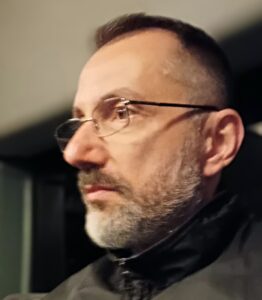
ΠΕ06 Αγγλικής Φιλολογίας
eTwinning


Hi, I’m Kostas, short for “Constantine.”
Born and raised in Athens, Greece,
I have studied English and Journalism
(Σχολή Δημοσιογραφίας ANT1)
and I teach English at a state primary school in the Greek capital.
Wishing to provide my students with a wider view of the world, I am searching for interesting international opportunities to learn about different cultures and global issues.
Επιθυμώντας να προσφέρω στους μαθητές και τις μαθήτριές μου μία ευρύτερη θεώρηση του κόσμου, αναζητώ ευκαιρίες συνεργασίας στην Ελλάδα/Κύπρο και το εξωτερικό προκειμένου να μάθουμε μαζί για διαφορετικούς πολιτισμούς και να ενημερωθούμε για παγκόσμια θέματα.













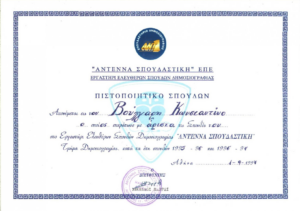
Με κέρδισε όμως η Εκπαίδευση. 🙂







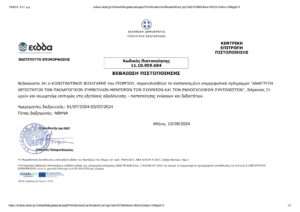
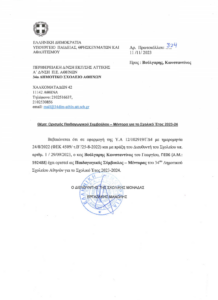

Η χρήση της Τεχνητής Νοημοσύνης
στο μάθημα της Αγγλικής
στην Α/βάθμια Εκπαίδευση

1. Teach.in.G. | Εκπαίδευση εκπαιδευτικών: Γλωσσική και ψυχοπαιδαγωγική διαχείριση πολύγλωσσων και πολυπολιτισμικών τάξεων
2. Ειδική Αγωγή: Διεπιστημονικές πρακτικές σύγκλισης
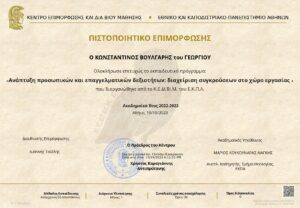
3. Ανάπτυξη προσωπικών και επαγγελματικών δεξιοτήτων: Διαχείριση συγκρούσεων στο χώρο εργασίας
4. Διαπροσωπικές σχέσεις: Το φαινόμενο της μοναξιάς στη σύγχρονη εποχή
Διαχείριση και αντιμετώπιση
5. Από τη μία στην άλλη πλευρά του Αιγαίου:
Η εγκατάσταση των Μικρασιατών προσφύγων στην Ελλάδα μέσα από τη λογοτεχνία
6. Θρησκεία και Ψυχανάλυση
7. Παραπληροφόρηση ή αληθινές ειδήσεις; Μάθετε να τα ξεχωρίζετε
8. Σπουδή στην Ορθόδοξη Θεολογία
9. Τα δικαιώματα του παιδιού
10. Philosophical Life Coaching

1. Εκπαιδευτικός στον 21ο αιώνα: Πώς να ξεχωρίσω
2. Διαχείριση της πολυπολιτισμικότητας στην εκπαίδευση και κοινωνική ένταξη μεταναστών /προσφύγων
3. Σχολική Ψυχολογία
4. Ενδοσχολική βία και εκφοβισμός: Πρόληψη και αντιμετώπιση
5. Μέθοδοι της Μετασχηματίζουσας Μάθησης στο πλαίσιο της Διά Βίου Μάθησης

Σύγχρονες αρχές και πρακτικές στην Ειδική Αγωγή και Εκπαίδευση

1. Σχολική Νοσηλευτική και Ψυχική Υγεία
2. Πρόληψη και αντιμετώπιση της επιθετικότητας στο σχολικό περιβάλλον: Εργαλεία και στρατηγικές διαχείρισης
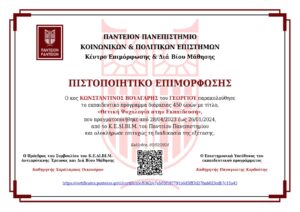
1. Πρόληψη και αντιμετώπιση ρατσισμού
στα δημοτικά σχολεία
2. Θετική Ψυχολογία στην Εκπαίδευση
3. Ενισχύστε την εκπαίδευσή σας με τη δύναμη
της Τεχνητής Νοημοσύνης (AI)

Διαχείριση σχολικής ζωής: Ηγεσία, κρίσεις, διαφορετικότητα, συμπερίληψη

Αγωγή και ετερότητα: Αξιοποιώντας την Τέχνη
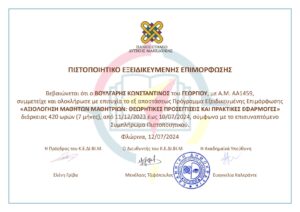
1. Αξιολόγηση μαθητών/μαθητριών: Θεωρητικές προσεγγίσεις και πρακτικές εφαρμογές
2. Έμφυλες σχέσεις και ενδυνάμωση μέσα από αφηγηματικές τεχνικές
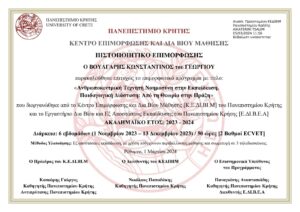
1. Ο/Η άνθρωπος-πολίτης/πολίτιδα
απέναντι στο θάνατο και την απώλεια:
Παιδαγωγικές και κοινωνικές προσεγγίσεις
2. Ανθρωποκεντρική Τεχνητή Νοημοσύνη στην Εκπαίδευση: Παιδαγωγική διάσταση
Από τη θεωρία στην πράξη
3. Γνωριμία με το Magic School στην εκπαιδευτική πράξη
4. LIFE on mARTs
5. Ανθρωποκεντρική Τεχνητή Νοημοσύνη στην Εκπαίδευση: Μετασχηματίζοντας τον τρόπο με τον οποίο διδάσκουμε και μαθαίνουμε

1. Επιμορφώνοντας τους εκπαιδευτικούς στο Ολοκαύτωμα: Ανθρωπολογικές αναγνώσεις
του κινηματογράφου
2. Εισαγωγή στην αλβανική γλώσσα

1. Σπουδές στον Ποντιακό Ελληνισμό
2. STEAM Education for All Learners: Incorporating STEAM and Inclusive Education Practices in Everyday Teaching
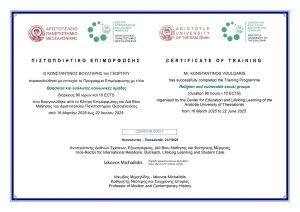
Θρησκεία και ευάλωτες κοινωνικές ομάδες
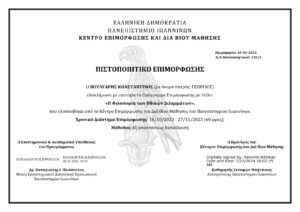
1. Ψυχολογικές προσεγγίσεις του παιδικού σχεδίου
2. Η Φιλοσοφία των Ηθικών Διλημμάτων

Προαγωγή ψυχικής υγείας και ευεξίας
στα σχολεία: Well@School Project
Αξιολόγηση του σχολείου, των εκπαιδευτικών
και ανάπτυξη βέλτιστων λεκπαιδευτικών πρακτικών

1. Επιμόρφωση των Εκπαιδευτικών
στις Δεξιότητες μέσω Εργαστηρίων
2. Εισαγωγή της Αγγλικής Γλώσσας
στο Νηπιαγωγείο (ΕΑΝ)
3. Αναπηρία και διαφορετικότητα,
αυτιστικό φάσμα,
προβλήματα προσοχής και συγκέντρωσης
4. Εκπαίδευση για την Ιδιότητα
του Παγκόσμιου Πολίτη
Ευρωπαϊκό Έργο GENE
(Global Education Network Europe)
5. Διαφοροποιημένη Διδασκαλία:
Πρακτικές υποστήριξης
των μαθητών και των μαθητριών
6. Πρόληψη και αντιμετώπιση περιστατικών ενδοσχολικής βίας και εκφοβισμού

1. Ανάπτυξη δεξιοτήτων των Παιδαγωγικών Συμβούλων-Μεντόρων
2. Ενεργητική ακρόαση και αποτελεσματική επικοινωνία
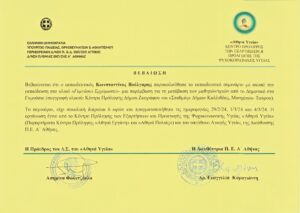
1. Peer Support / Συμβουλευτική Ομηλίκων
2. Εκπαιδευτικός στην τάξη ξανά:
Ενδυναμώνοντας τον εαυτό μου
και το ρόλο μου
3. — Γυμνάσιο, ερχόμαστε!
Μία παρέμβαση για τη μετάβαση
των μαθητών/-τριών
από το Δημοτικό στο Γυμνάσιο
4. Τεχνικές πρόληψης για παιδιά
Neuro-Linguistic Programming
Νευρογλωσσικός Προγραμματισμός

1. Εκμάθηση βασικών τεχνικών NLP
2. Εκμάθηση προχωρημένων τεχνικών NLP
3. NLP – Ο Νευρογλωσσικός Προγραμματισμός στην Ψυχολογία

Δημιουργική γραφή
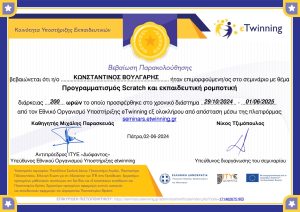
Προγραμματισμός Scratch και εκπαιδευτική ρομποτική

eTwinning και Εργαστήρια Δεξιοτήτων:
Συνεργατικές Δράσεις για την Καλλιέργεια
Γνώσεων, Δεξιοτήτων και Ικανοτήτων
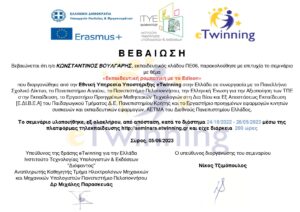
Εκπαιδευτική ρομποτική με το Edison

και για τις μικρότερες τάξεις:
Bee-Bot

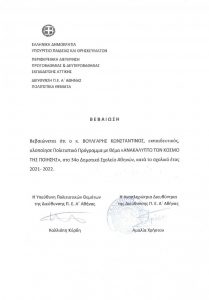
1. Το δικό μας όνειρο
2. Αληθινή φιλία
3. Δύο ευγενικοί άνθρωποι
4. Ανακαλύπτω τον κόσμο της Ποίησης
5. Φύγε άγχος, γίνε χρώματα!

1. True Friends Forever
2. True Friends Forever | France and Greece
3. Be a European Star for a European Christmas
4. Comment fait-on la paix ?
5. Μαθαίνω να βλέπω τον Άνθρωπο | Learning to See the Person #SkillsLabs