Από την επιβίωση στην άνθηση
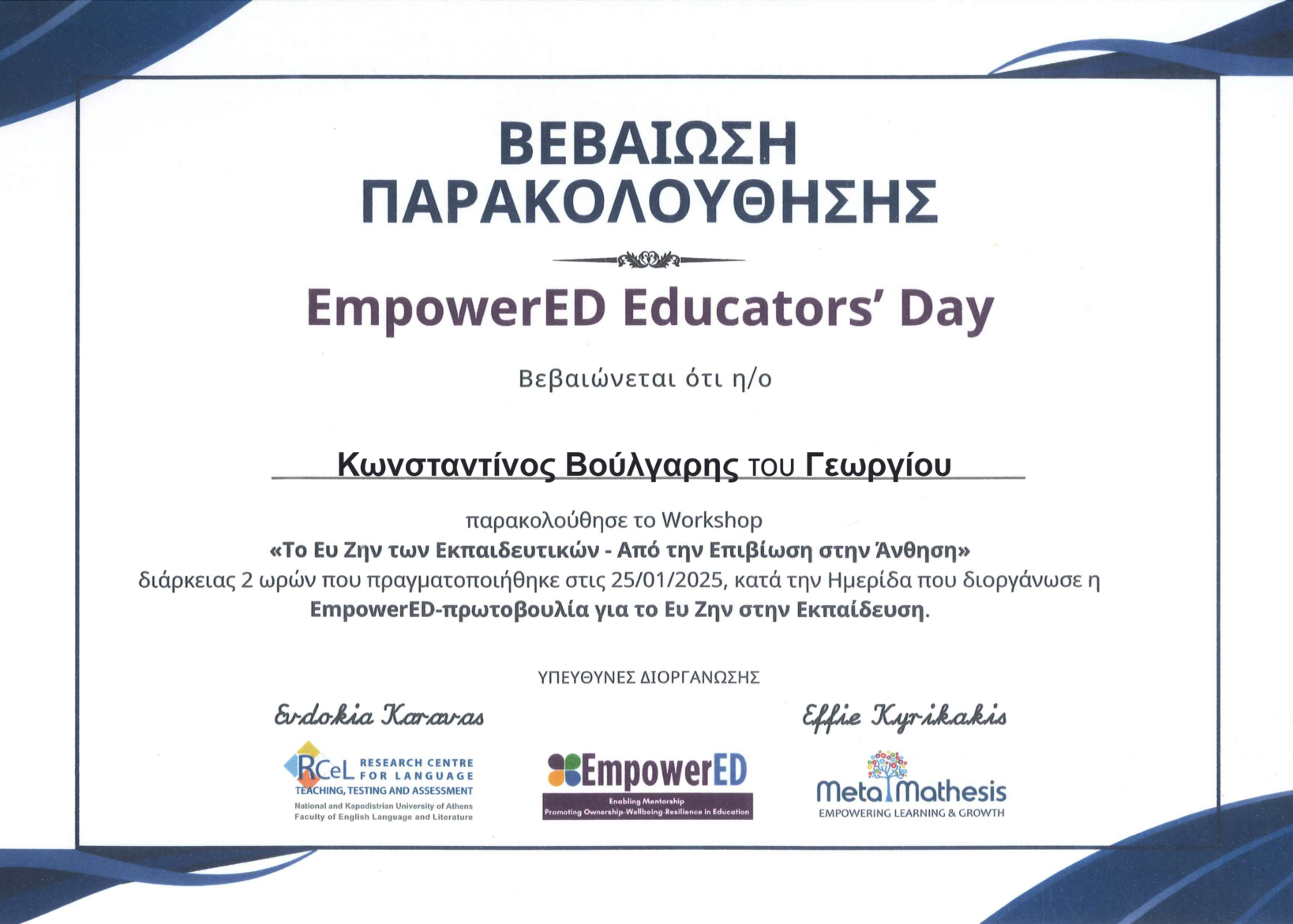

Από την επιβίωση στην άνθηση

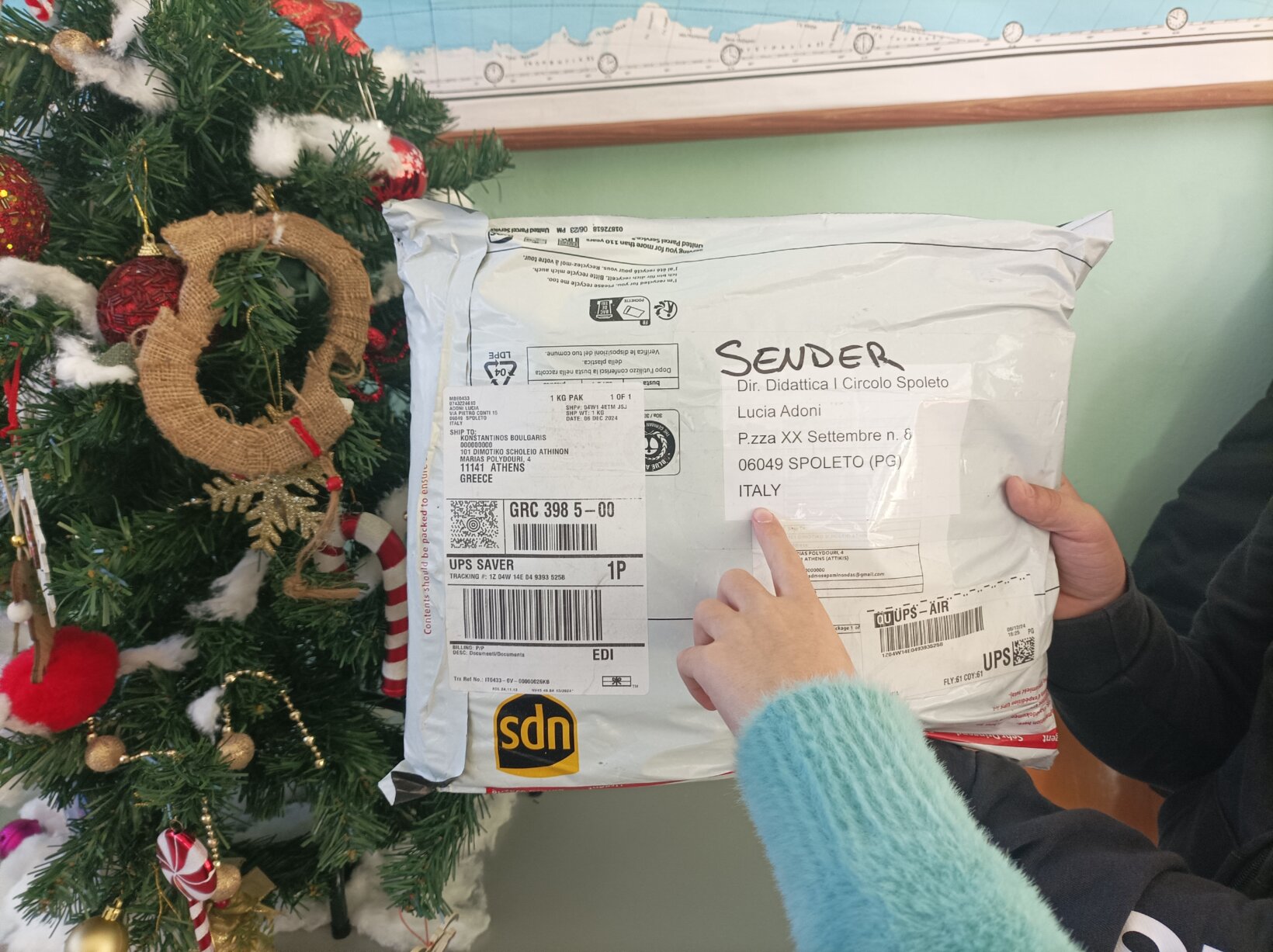
Λάβαμε σήμερα ένα ακόμη πακέτο από τους μαθητές και τις μαθήτριες της ιταλικής πόλης Spoleto (Δημοτικό Σχολείο Scuola Primaria XX Settembre, Direzione Didattica Iº Circolo). Χαρήκαμε με τις ευχές και θαυμάσαμε τις υπέροχες ζωγραφιές!


Ever tried.
Ever failed.
No matter.
Try again.
Fail again.
Fail better.
Samuel Beckett, novella Worstward Ho
Kids respond to seeing young girl being bullied

Άλλο ένα πακέτο με ευχές για μας, αυτή τη φορά από το Δημοτικό Σχολείο Centro de Educación Obligatoria που βρίσκεται στην πόλη Mogán, Κανάρια Νησιά, Ισπανία.


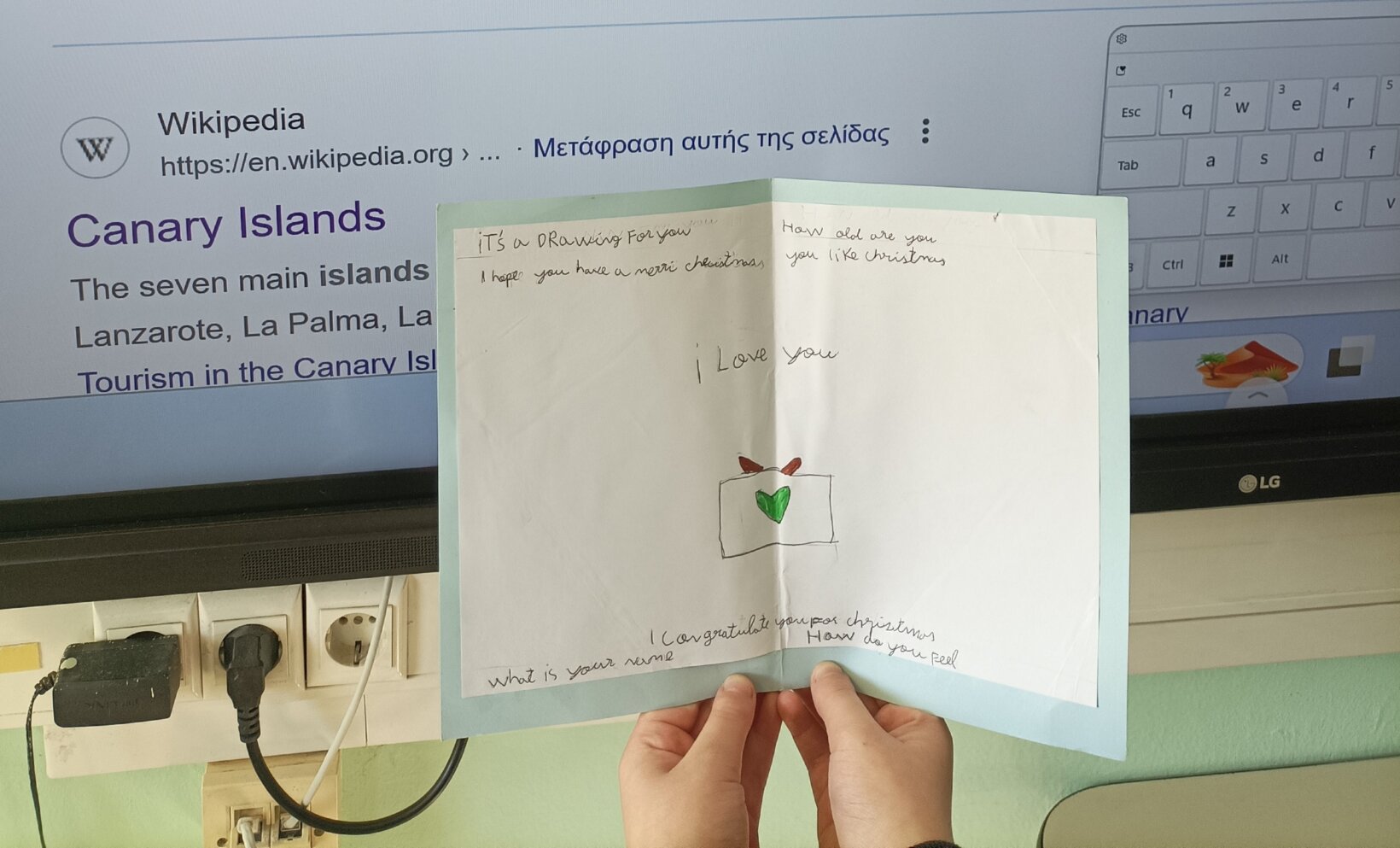
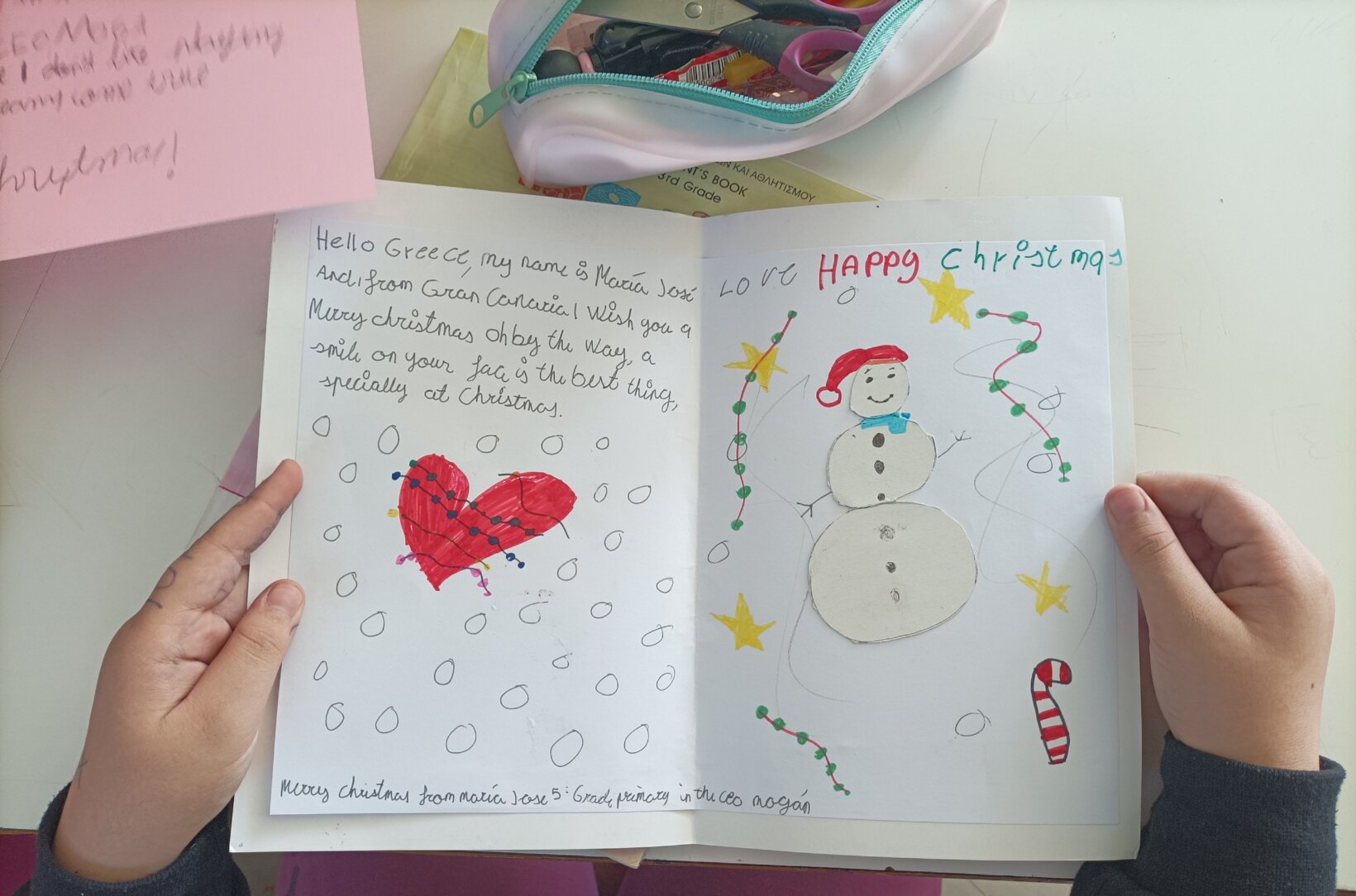


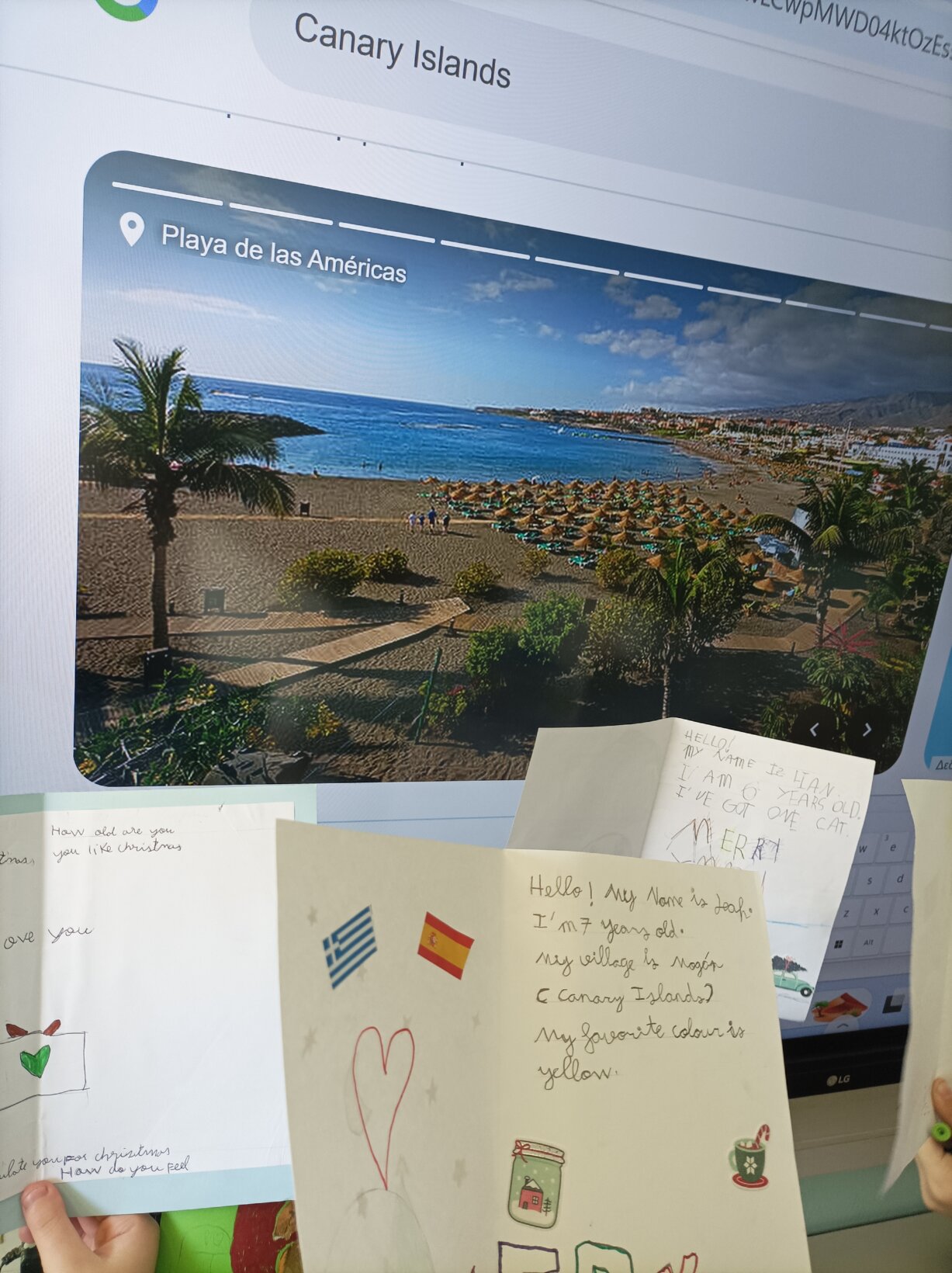
Σήμερα λάβαμε τις κάρτες που μας ετοίμασαν τα παιδιά από το Δημοτικό Σχολείο Szkoła Podstawowa nr 10 im. KEN w Toruniu της πολωνικής πόλης Toruń.


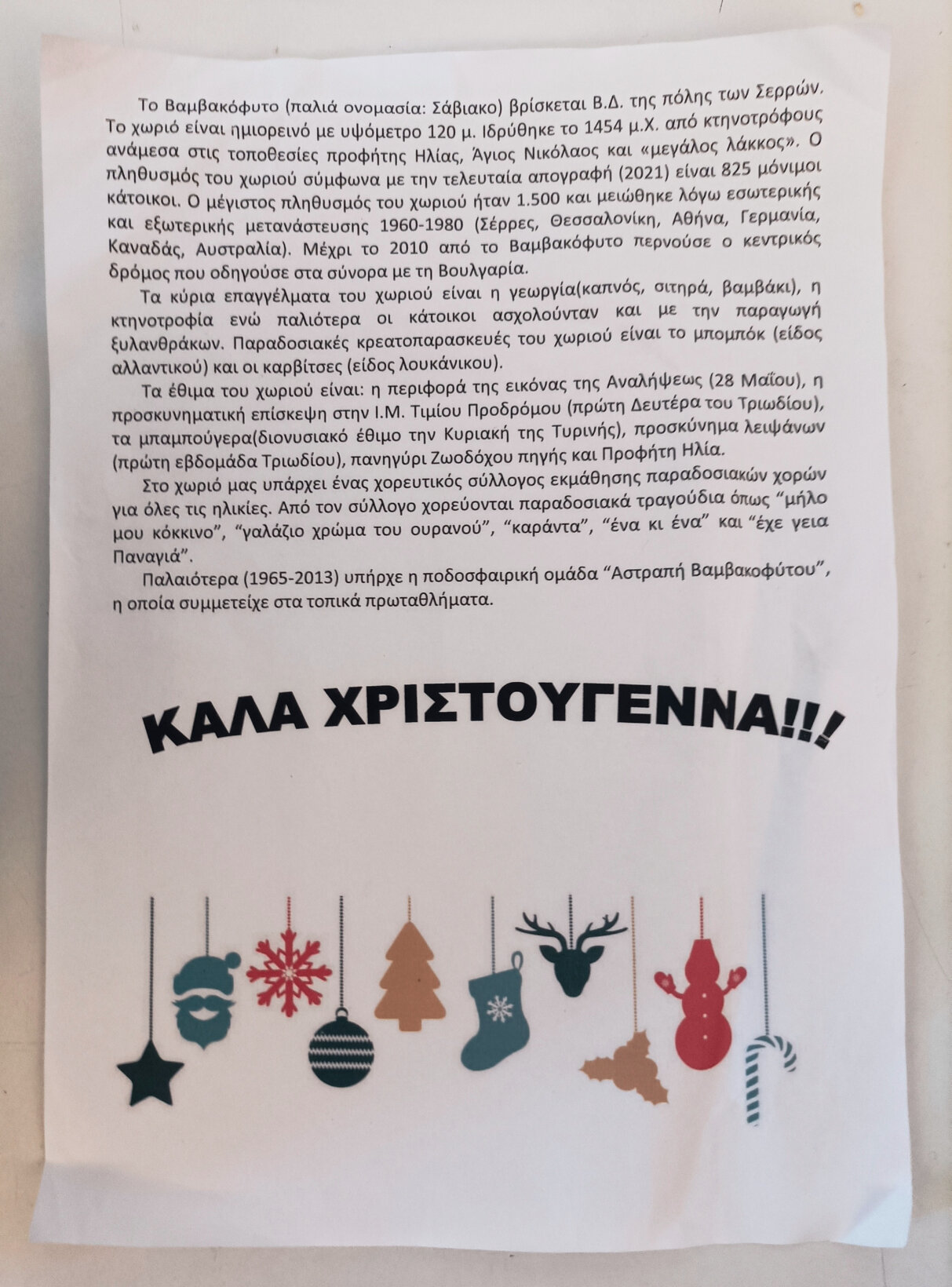
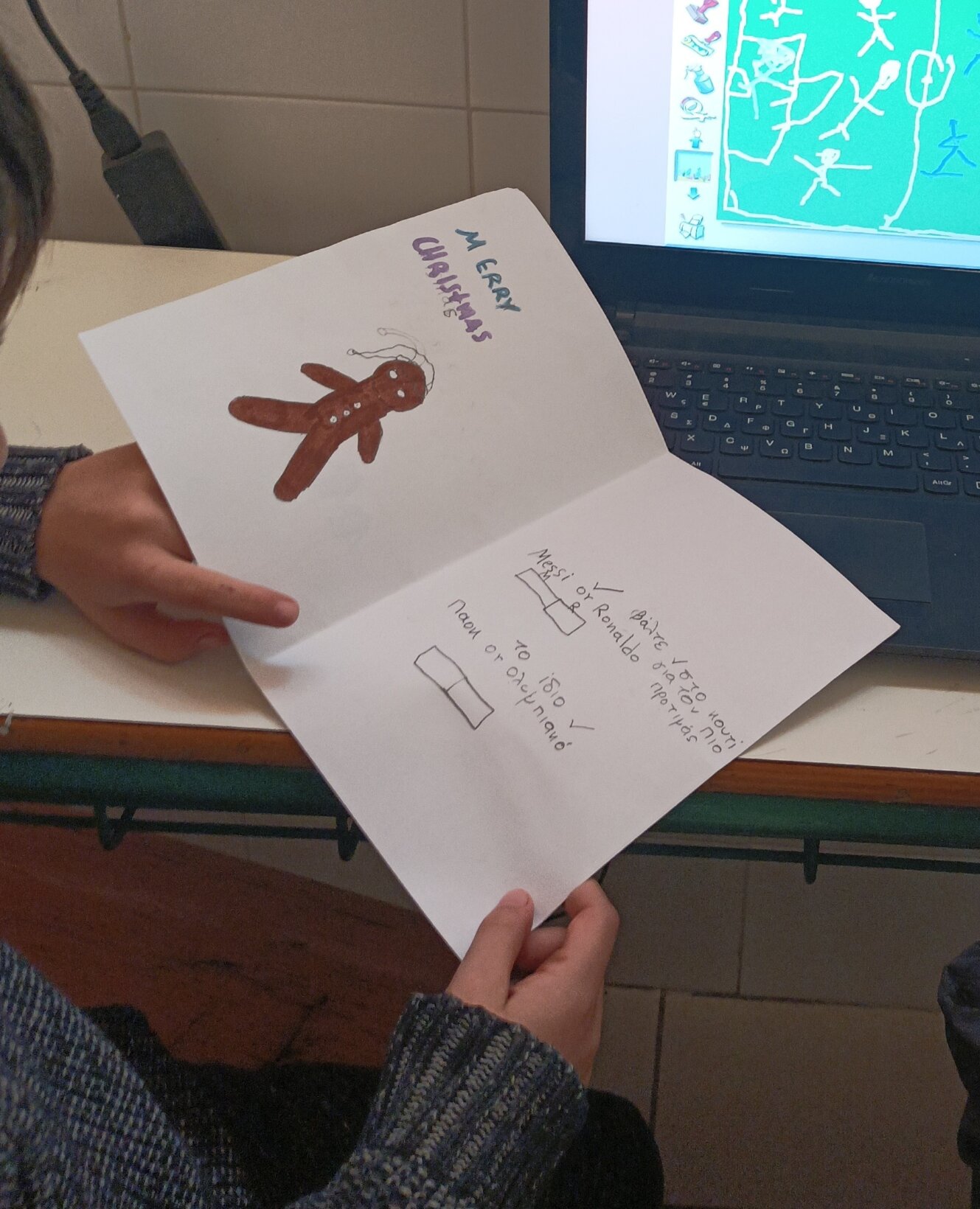
The children from Vamvakophyto, a village near the town of Serres, have given us a lovely surprise today! We received their beautiful cards for our English class, along with a letter about the history of their village.
Our headteacher, Mr Lambros Yannikopoulos, read the letter to our Year 3 pupils and explained concepts like “internal and external migration” as well as the origins of meat preservation (such as cured and processed meats), which began when people looked for ways to make meat last longer.
Thank you so much, our dear friends!




Δύο φωτογραφίες ακόμη, από τους μαθητές και τις μαθήτριες της ιταλικής πόλης Spoleto
(Δημοτικό Σχολείο Scuola Primaria XX Settembre, Direzione Didattica Iº Circolo), που
έλαβαν τις κάρτες μας.


Maria Callas
(1923 – 1977)

Wishing you a festive season full of
joy, laughter, and love. Thank you for
making our classroom such a bright
and wonderful place!

Οι μαθητές και οι μαθήτριες από την ιταλική πόλη Spoleto
(Δημοτικό Σχολείο Scuola Primaria XX Settembre, Direzione Didattica Iº Circolo),
έλαβαν τις κάρτες μας.


“A joyful Christmas to you from Class 3 F” μας εύχεται το Δημοτικό Σχολείο Istituto Comprensivo “Antonino Caponnetto-Sciascia” της πόλης Caltanissetta (Σικελία).
Οι μαθητές και οι μαθήτριες από την πολωνική πόλη Toruń
(Δημοτικό Σχολείο Szkoła Podstawowa nr 10 im. KEN w Toruniu)
έλαβαν τις κάρτες μας.


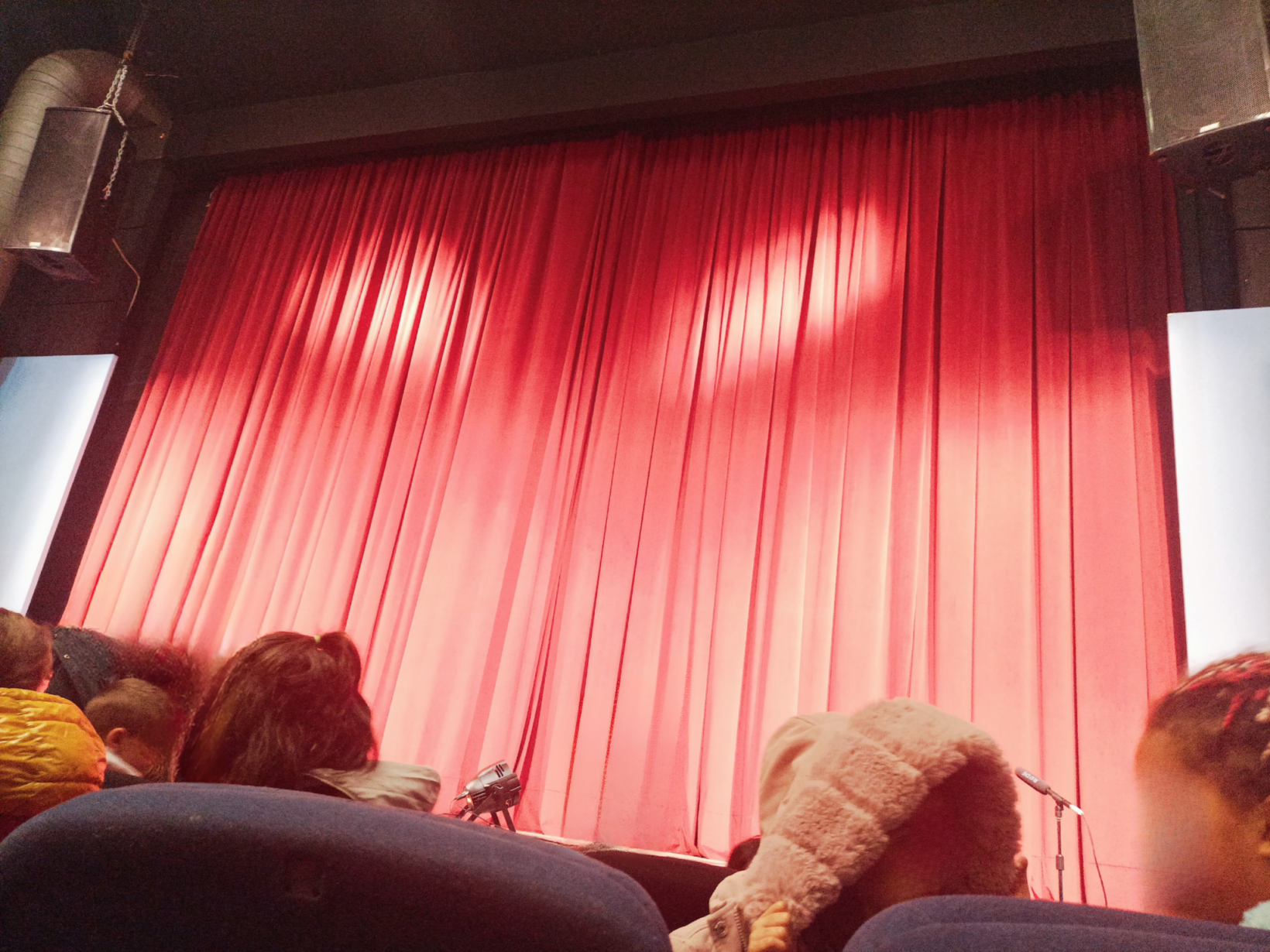
Our school attended the theatrical performance of A Christmas Carol this morning at the Piraeus 131 Theatre, with Manos Pintzis in the lead role. It was a truly unforgettable experience, full of colour, music, and emotion. The children were captivated by the story of Ebenezer Scrooge, a man who, albeit late in life, came to understand the true meaning of generosity, charity, and love.
The production conveyed this message in such a vivid way that many children later said they felt as if they were part of the story themselves! They were particularly impressed by the songs, the set design, and the lighting, which perfectly recreated the atmosphere of Charles Dickens’ London.




στην υγεία και τη μαθησιακή ικανότητα των μαθητών
7/12/2024

Πρόγραμμα κοινωνικής και συναισθηματικής αγωγής στο σχολείο


Young pupils from the Polish town of Toruń
(Szkoła Podstawowa nr 10 im. KEN w Toruniu Primary School)
are preparing Christmas cards for us.


ΠΕ06 Αγγλικής Φιλολογίας
eTwinning


Hi, I’m Kostas, short for “Constantine.”
Born and raised in Athens, Greece,
I have studied English and Journalism
(Σχολή Δημοσιογραφίας ANT1)
and I teach English at a state primary school in the Greek capital.
Wishing to provide my students with a wider view of the world, I am searching for interesting international opportunities to learn about different cultures and global issues.
Επιθυμώντας να προσφέρω στους μαθητές και τις μαθήτριές μου μία ευρύτερη θεώρηση του κόσμου, αναζητώ ευκαιρίες συνεργασίας στην Ελλάδα/Κύπρο και το εξωτερικό προκειμένου να μάθουμε μαζί για διαφορετικούς πολιτισμούς και να ενημερωθούμε για παγκόσμια θέματα.













Με κέρδισε όμως η Εκπαίδευση. 🙂






Η χρήση της Τεχνητής Νοημοσύνης
στο μάθημα της Αγγλικής
στην Α/βάθμια Εκπαίδευση

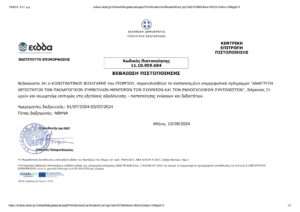
1. Teach.in.G. | Εκπαίδευση εκπαιδευτικών: Γλωσσική και ψυχοπαιδαγωγική διαχείριση πολύγλωσσων και πολυπολιτισμικών τάξεων
2. Ειδική Αγωγή: Διεπιστημονικές πρακτικές σύγκλισης
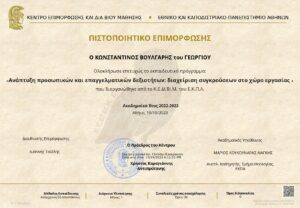
3. Ανάπτυξη προσωπικών και επαγγελματικών δεξιοτήτων: Διαχείριση συγκρούσεων στο χώρο εργασίας
4. Διαπροσωπικές σχέσεις: Το φαινόμενο της μοναξιάς στη σύγχρονη εποχή
Διαχείριση και αντιμετώπιση
5. Από τη μία στην άλλη πλευρά του Αιγαίου:
Η εγκατάσταση των Μικρασιατών προσφύγων στην Ελλάδα μέσα από τη λογοτεχνία
6. Θρησκεία και Ψυχανάλυση
7. Παραπληροφόρηση ή αληθινές ειδήσεις; Μάθετε να τα ξεχωρίζετε
8. Σπουδή στην Ορθόδοξη Θεολογία
9. Τα δικαιώματα του παιδιού
10. Philosophical Life Coaching

1. Εκπαιδευτικός στον 21ο αιώνα: Πώς να ξεχωρίσω
2. Διαχείριση της πολυπολιτισμικότητας στην εκπαίδευση και κοινωνική ένταξη μεταναστών /προσφύγων
3. Σχολική Ψυχολογία
4. Ενδοσχολική βία και εκφοβισμός: Πρόληψη και αντιμετώπιση
5. Μέθοδοι της Μετασχηματίζουσας Μάθησης στο πλαίσιο της Διά Βίου Μάθησης

Σύγχρονες αρχές και πρακτικές στην Ειδική Αγωγή και Εκπαίδευση

1. Σχολική Νοσηλευτική και Ψυχική Υγεία
2. Πρόληψη και αντιμετώπιση της επιθετικότητας στο σχολικό περιβάλλον: Εργαλεία και στρατηγικές διαχείρισης
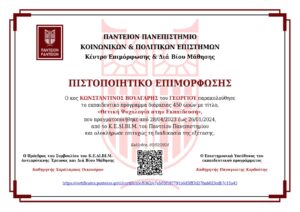
1. Πρόληψη και αντιμετώπιση ρατσισμού
στα δημοτικά σχολεία
2. Θετική Ψυχολογία στην Εκπαίδευση
3. Ενισχύστε την εκπαίδευσή σας με τη δύναμη
της Τεχνητής Νοημοσύνης (AI)

Διαχείριση σχολικής ζωής: Ηγεσία, κρίσεις, διαφορετικότητα, συμπερίληψη

Αγωγή και ετερότητα: Αξιοποιώντας την Τέχνη
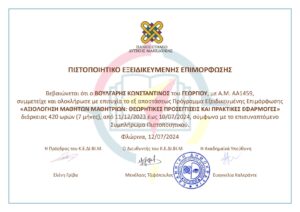
1. Αξιολόγηση μαθητών/μαθητριών: Θεωρητικές προσεγγίσεις και πρακτικές εφαρμογές
2. Έμφυλες σχέσεις και ενδυνάμωση μέσα από αφηγηματικές τεχνικές
1. Ο/Η άνθρωπος-πολίτης/πολίτιδα
απέναντι στο θάνατο και την απώλεια:
Παιδαγωγικές και κοινωνικές προσεγγίσεις
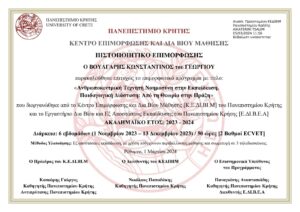
2. Ανθρωποκεντρική Τεχνητή Νοημοσύνη στην Εκπαίδευση: Παιδαγωγική διάσταση
Από τη θεωρία στην πράξη
3. Γνωριμία με το Magic School στην εκπαιδευτική πράξη
4. LIFE on mARTs
5. Ανθρωποκεντρική Τεχνητή Νοημοσύνη στην Εκπαίδευση: Μετασχηματίζοντας τον τρόπο με τον οποίο διδάσκουμε και μαθαίνουμε

1. Επιμορφώνοντας τους εκπαιδευτικούς στο Ολοκαύτωμα: Ανθρωπολογικές αναγνώσεις
του κινηματογράφου
2. Εισαγωγή στην αλβανική γλώσσα

1. Σπουδές στον Ποντιακό Ελληνισμό
2. STEAM Education for All Learners: Incorporating STEAM and Inclusive Education Practices in Everyday Teaching
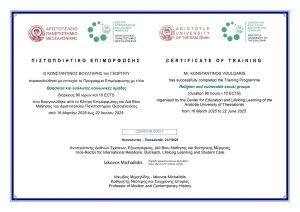
Θρησκεία και ευάλωτες κοινωνικές ομάδες
1. Ψυχολογικές προσεγγίσεις του παιδικού σχεδίου
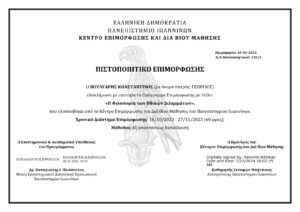
2. Η Φιλοσοφία των Ηθικών Διλημμάτων

Προαγωγή ψυχικής υγείας και ευεξίας
στα σχολεία: Well@School Project
Αξιολόγηση του σχολείου, των εκπαιδευτικών
και ανάπτυξη βέλτιστων λεκπαιδευτικών πρακτικών

1. Επιμόρφωση των Εκπαιδευτικών
στις Δεξιότητες μέσω Εργαστηρίων
2. Εισαγωγή της Αγγλικής Γλώσσας
στο Νηπιαγωγείο (ΕΑΝ)
3. Αναπηρία και διαφορετικότητα,
αυτιστικό φάσμα,
προβλήματα προσοχής και συγκέντρωσης
4. Εκπαίδευση για την Ιδιότητα
του Παγκόσμιου Πολίτη
Ευρωπαϊκό Έργο GENE
(Global Education Network Europe)
5. Διαφοροποιημένη Διδασκαλία:
Πρακτικές υποστήριξης
των μαθητών και των μαθητριών
6. Πρόληψη και αντιμετώπιση περιστατικών ενδοσχολικής βίας και εκφοβισμού

1. Ανάπτυξη δεξιοτήτων των Παιδαγωγικών Συμβούλων-Μεντόρων
2. Ενεργητική ακρόαση και αποτελεσματική επικοινωνία
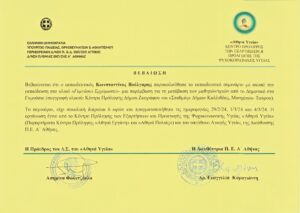
1. Peer Support / Συμβουλευτική Ομηλίκων
2. Εκπαιδευτικός στην τάξη ξανά:
Ενδυναμώνοντας τον εαυτό μου
και το ρόλο μου
3. — Γυμνάσιο, ερχόμαστε!
Μία παρέμβαση για τη μετάβαση
των μαθητών/-τριών
από το Δημοτικό στο Γυμνάσιο
4. Τεχνικές πρόληψης για παιδιά
Neuro-Linguistic Programming
Νευρογλωσσικός Προγραμματισμός

1. Εκμάθηση βασικών τεχνικών NLP
2. Εκμάθηση προχωρημένων τεχνικών NLP
3. NLP – Ο Νευρογλωσσικός Προγραμματισμός στην Ψυχολογία

Δημιουργική γραφή
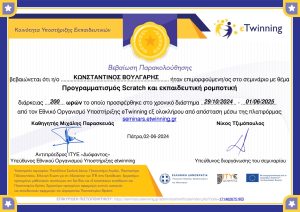
Προγραμματισμός Scratch και εκπαιδευτική ρομποτική

eTwinning και Εργαστήρια Δεξιοτήτων:
Συνεργατικές Δράσεις για την Καλλιέργεια
Γνώσεων, Δεξιοτήτων και Ικανοτήτων
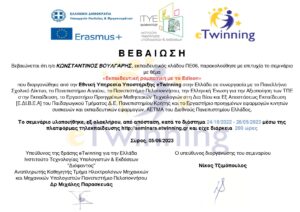
Εκπαιδευτική ρομποτική με το Edison

και για τις μικρότερες τάξεις:
Bee-Bot

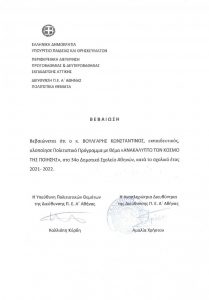
1. Το δικό μας όνειρο
2. Αληθινή φιλία
3. Δύο ευγενικοί άνθρωποι
4. Ανακαλύπτω τον κόσμο της Ποίησης
5. Φύγε άγχος, γίνε χρώματα!

1. True Friends Forever
2. True Friends Forever | France and Greece
3. Be a European Star for a European Christmas
4. Comment fait-on la paix ?
5. Μαθαίνω να βλέπω τον Άνθρωπο | Learning to See the Person #SkillsLabs