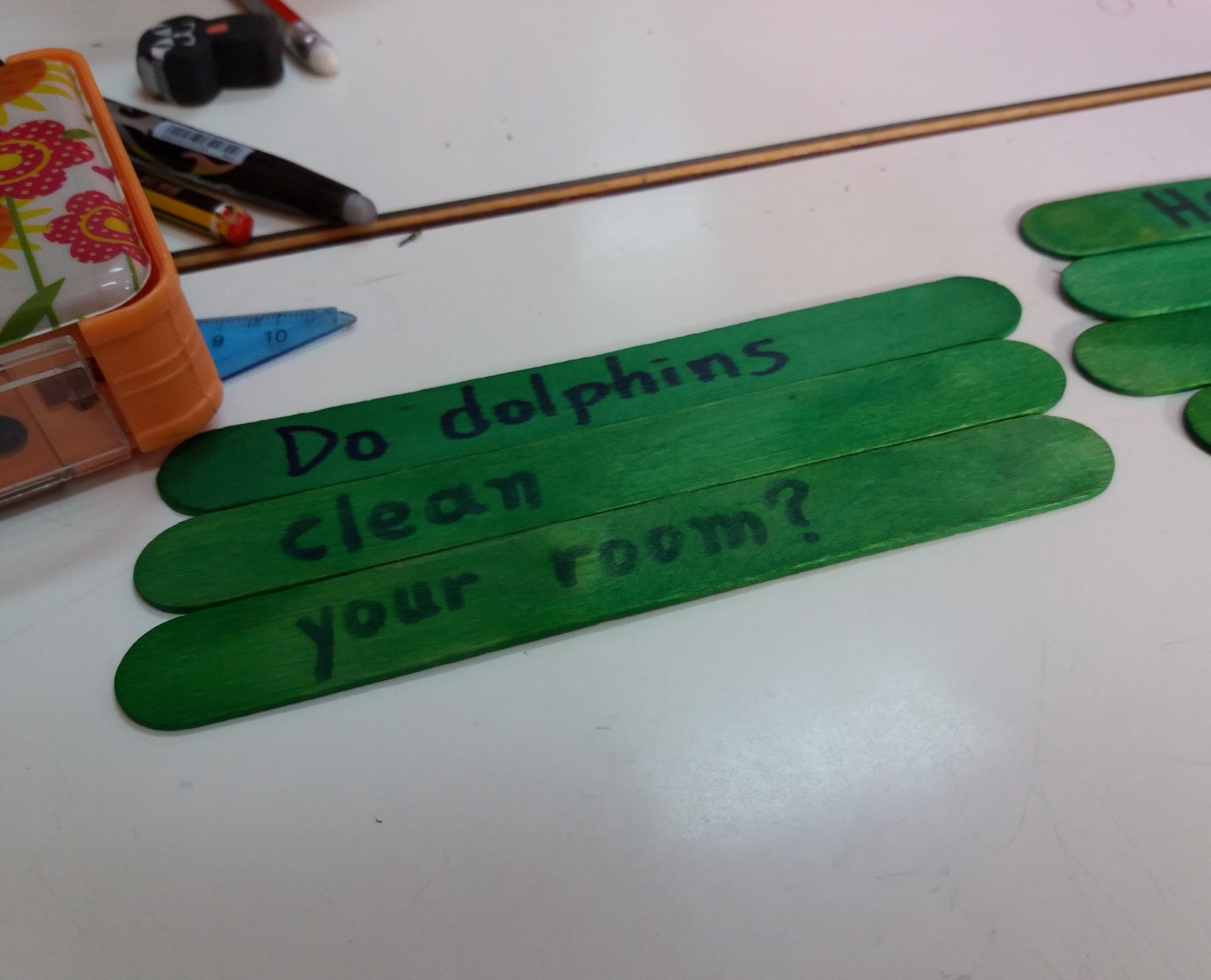
Do you know the Simple Present? Check yourself with these coloured wooden popsicle sticks!

It was about time my 4th grade students showed me how much they have understood of the Simple Present. I used a permanent marker to write words and / or phrases onto coloured wooden popsicle sticks, gave each student group the sticks of a single colour, and that was it! They were instantly hooked, and after they had made the “correct” sentences, they wanted to keep on trying to make new, perhaps odd, but grammatically correct sentences out of the same sticks. Success!

“Party with Mr. Men and Little Miss” – Little Miss Wise (with a visit from Little Miss Neat) and Little Miss Chatterbox

I am excited to see the children get more involved in our project. Little Miss Wise was next in line, and we got to discuss her behaviour. A student (girl) brought Little Miss Neat in class, too, so there she was, our little guest, and we also got to know her! Letter and phoneme correspondence was tackled during the lesson, in the following words:

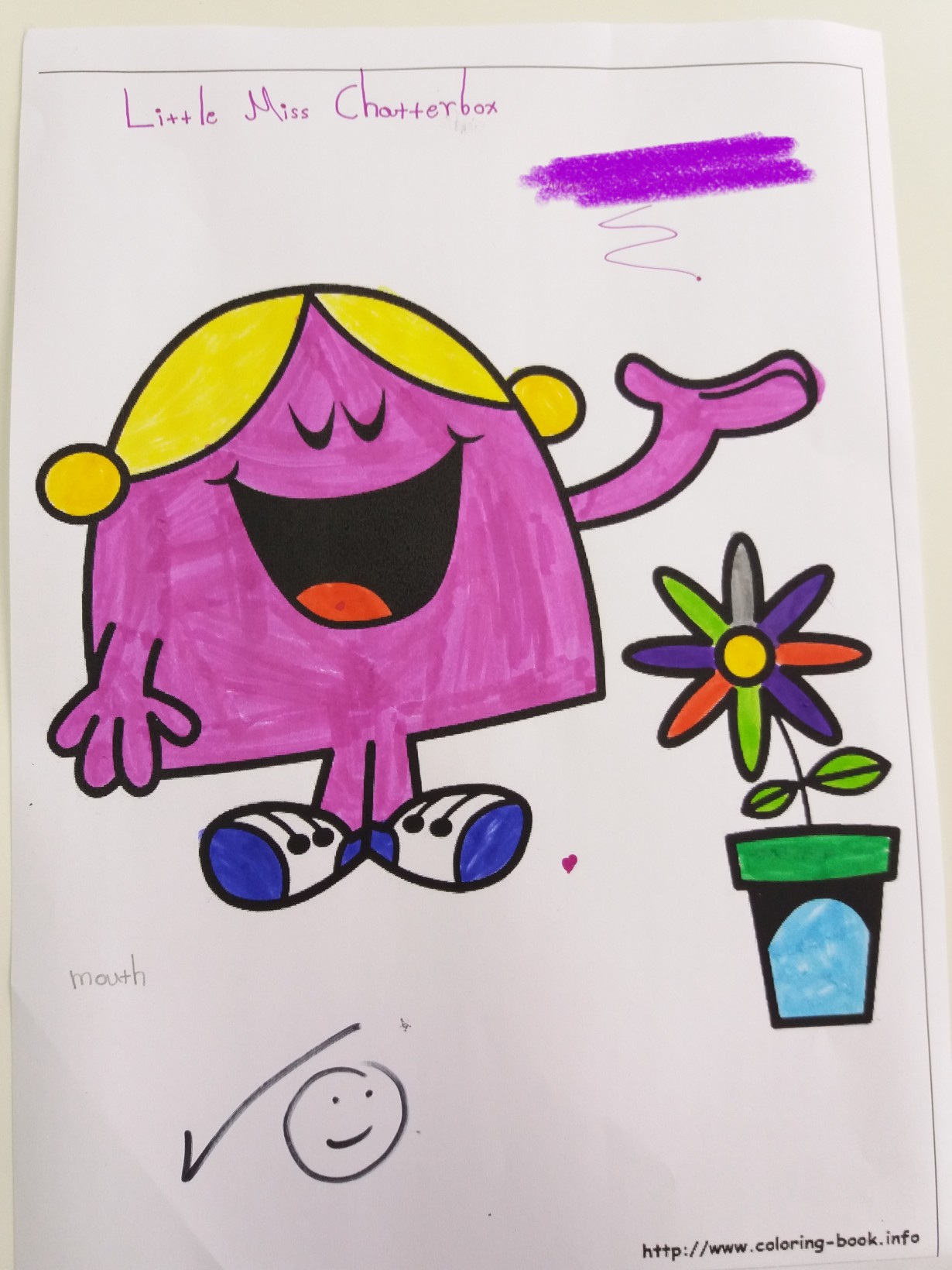
After that, it was Little Miss Chatterbox, and while the boys were almost sure that talking too much is a female trait, they were surprised to find out that a Mr. Chatterbox also existed, and he was just as talkative as his sister!

There was a very nice video on Youtube that the students enjoyed. The following character will have to be a male one, though. Till next time!

Happy St. David’s Day! Dydd Gwyl Dewi Sant! – 10 ways to celebrate in class

Today is the 1st of March already, the first day of the first month of spring. And I would like to take some time to talk about something cultural: The feast of St. David, patron Saint of Wales.

There are so many things a teacher can prepare and bring to class for this day. Here are some ideas:

  1. Read and discuss Wordsworth’s poem “I wandered lonely as a cloud”, commonly known as “Daffodils”. Daffodils are the national flower of Wales, and indeed one of spring’s great ways of making its way through and over winter! Here is where you can find it in the Poetry Foundation website, also including an analysis and an audio, really useful for teachers.
  2. Find a nice and easy recipe for Welsh cakes, like this one here. Why not try and prepare a Welsh breakfast in school?
  3. Make bookmarks from a green cardboard base and a daffodil petals/crown combination OR keep the green cardboard base but put a sheep on top! Wales is a sheep-farming place, with a tradition in the woollen industry.
  4. Knit an easy snood scarf with your students. Any wool yarn will do, it doesn’t have to actually be from Wales! Find a pattern for beginners here.
  5. Read about the life of St. David, an important Saint of the Christian Church before the East-West Schism. This is a good start. More info here.
  6. Make a castle craft from paper rolls! Wales is the castle capital of the world, with 600 castles! You can get ideas here.
  7. Read about the Red Dragon! If you like mythology, you could even get as far as King Arthur. This should give you a deeper understanding of the name “Pendragon” in the Game of Thrones. Or not. Who knows?
  8. Find a recipe for Welsh leek and potato soup, and prompt your students to try it at home and make a healthy meal! Leeks are another emblem of Wales, for some reason.
  9. Wales is traditionally referred to as “the land of song”. Its music festivals attract lots and lots of thousands of visitors each year. Find out here.
  10. Make a love spoon out of clay! Love spoons are only decorative nowadays, but you can find out about them here.

Happy St. David’s Day, and be sure to share your ideas in a comment!

“Party with Mr. Men and Little Miss” – Mr. Quiet and Little Miss Sunshine

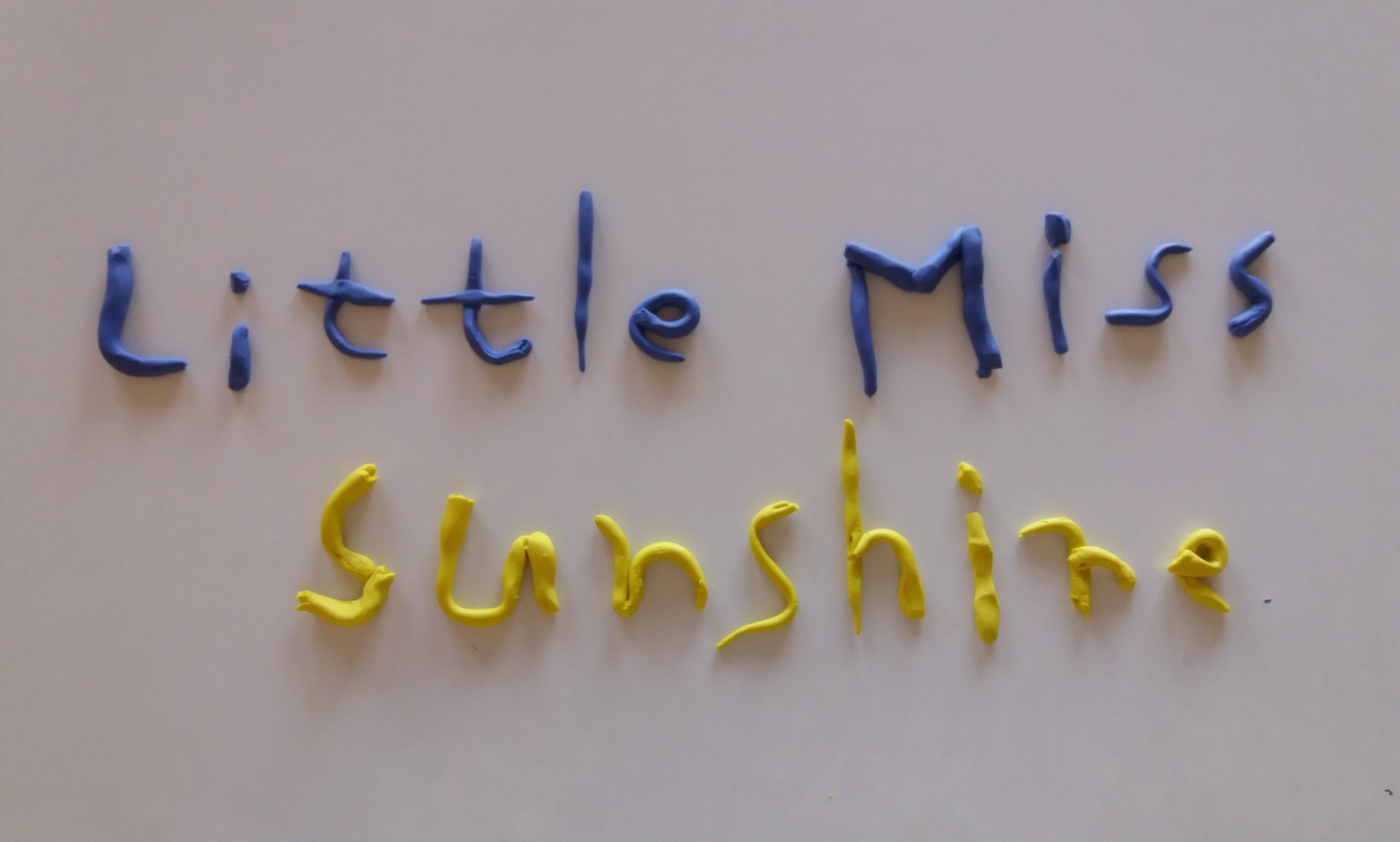
It was so enjoyable to see how the young students of 2nd grade reacted to the stories, they really liked them a lot. There was colouring of letters and figures, playing and letter making with play-doh, the kids loved it. They are also beginning to understand and accept the different characteristics of different personalities, portrayed in the series, which is good. Here are some pictures:

Can’t wait to see what’s next! Have a happy Clean Monday!

Teaching English to Dyslexic Students

This New Year’s Day I celebrated with my family. The next day I received a message from Ms Marianthi Kotadaki, our School Advisor, that the Teaching English to Dyslexic Students course I had signed up for was starting.

It was a “short and intensive 4-week professional development course, addressed to teachers of English who wished to acquire the basic theoretical background, as well as methodological insights to the teaching of English to students with dyslexia. The course content was drawn from material developed in the framework of the European Erasmus+ DysTEFL2 project and the related e-learning course delivered by the university of Lancaster, Britain, and contained articles, websites, videos, scheencasts, weblinks, worksheets and other originally designed documents”, to quote Ms Kotadaki.

We began with the definition of Dyslexia, its identification and the challenges it presents to the EFL teacher. We moved on to teaching phonological awareness, vocabulary, grammar, reading and writing to dyslexic learners of English. The next stage was listening and speaking. We finished with ways to accommodate dyslexic learners of English during assessment, a very sensitive subject.

This course was quite realistic and hands-on. I deeply appreciated the chances we got to approach dyslexia more and to design activities that we can actually use in the classroom. I used to have fear regarding this subject, and now I definitely feel more into it. Knowing it is a difficult matter anyway, I feel more equipped with tested knowledge, and therefore more relaxed, to do something to help.

I can’t thank Ms Kotadaki enough. Teachers really need such a School Advisor.

“Party with Mr. Men and Little Miss” – the inspiration

So many things in today’s society, factors outside the classroom, are ripping the students’ team spirit apart: The antagonism is sometimes insane, and it is often one of the roles of the teacher to reconcile different situations and to build bridges, so that students can co-exist peacefully and in a spirit of understanding.

In this context, I decided to invest in a project with 2nd grade students, called “Party with Mr. Men and Little Miss”, with the aim of bringing them closer to each other by primarily recognising aspects of themselves in the Mr. Men and Little Miss characters, getting to know themselves better, and then by realising how many things we all have in common with others. To do that, we are going to study 10 books by the English writer Roger Hargreaves, at the same time engaging in fun activities that will promote the students’ phonemic and phonological awareness in English, as well as building on their self-confidence and connecting English with a literature and a culture. The end product is going to be a story that the students themselves will have created. The project will also help students learn how to illustrate a story, with the help of the Art teacher, and how to value differences in playground games, with the help of the PE teacher.

This is the set of books that we are going to deal with:

  • Mr. Cheerful
  • Mr. Busy
  • Mr. Quiet
  • Little Miss Chatterbox
  • Little Miss Sunshine
  • Little Miss Wise
  • Little Miss Somersault
  • Mr. Tall
  • Little Miss Contrary
  • Mr. Messy

And of course, the books are going to enrich the collection of the school library, after we finish our project. I’m curious to see if the young students are going to be familiar with this series and talk about books that they have at home. We’ll see!

Selling Greek olive oil!

In the context of a project about the olive tree, which 4th grade students did with their teacher, Ms Stratigoula Lazaraki, we thought about creating an advertisement flyer for our very own, imaginary, olive oil label! We all thought it would be a great idea to see the locally produced olive oil being sold on the shelves of big supermarkets in the UK, so we wanted to help by making it known to the people there.

The students’ imagination was unlimited: Someone thought of olive oil as being liquid gold, which triggered someone else’s idea of presenting this olive oil as treasure which pirates had to struggle very hard to get to; others thought about olive oil as a means of celebrating peace and unity among people; for others it was the product of hard work, during the harsh autumn and winter weather; others celebrated Greek cuisine and the Mediterranean diet, and so on. It was such a pleasure to work with these talented kids! You can see some of their works here.


Pardon a Thanksgiving turkey!

No, dear smiling Greek student of a little town school who thinks he knows everything, we don’t celebrate Black Friday today. Today is Thursday, and it is Thanksgiving.

Thanksgiving is one of my most favourite celebrations. I really like the “Count your blessings” message, and I think it has a very special place in the teaching and learning process, too. This year I chose my 5th grade students to do a fun activity of collaborative colouring of a turkey, on the feathers of which the students glued what they were thankful for.

24008170_10214696384420756_1052686133_o

I also find this worksheet very useful. It’s simple and explanatory. Or, you can check out numerous videos available. Just don’t let the kids grow up thinking Black Friday is actually a holiday. That would be a sin on an English teacher’s soul. Happy Thanksgiving!

Tales of Beatrix Potter in the EFL classroom presentation on September 7, 2017

In the hot summer month of July I was fortunate enough to have been invited by the School Advisor, Ms Marianthi Kotadaki, to present the work I did on Beatrix Potter during 2016-17 with my then 3rd grade students. The presentation took place at a seminar meeting on September 7, in Pyrgos. This is where you can have a look at it, if you are interested in obtaining a general picture, instead of reading all my blog posts about the project. Enjoy!