Σελ. 53 στο βιβλίο Pupil’s Book της Ε’ τάξης

Σελ. 53 στο βιβλίο Pupil’s Book της Ε’ τάξης


Σελ. 50 στο βιβλίο Pupil’s Book της ΣΤ’ τάξης
Διασκευή του κειμένου
Το τραγούδι των Beatles που άκουγε η γιαγιά της Αναστασίας
16/10/2023 – 20/11/2023


Τα παιδιά του 2ου Δημοτικού Σχολείου Λιμένα Χερσονήσου
μας έστειλαν υπέροχες χριστουγεννιάτικες κάρτες!
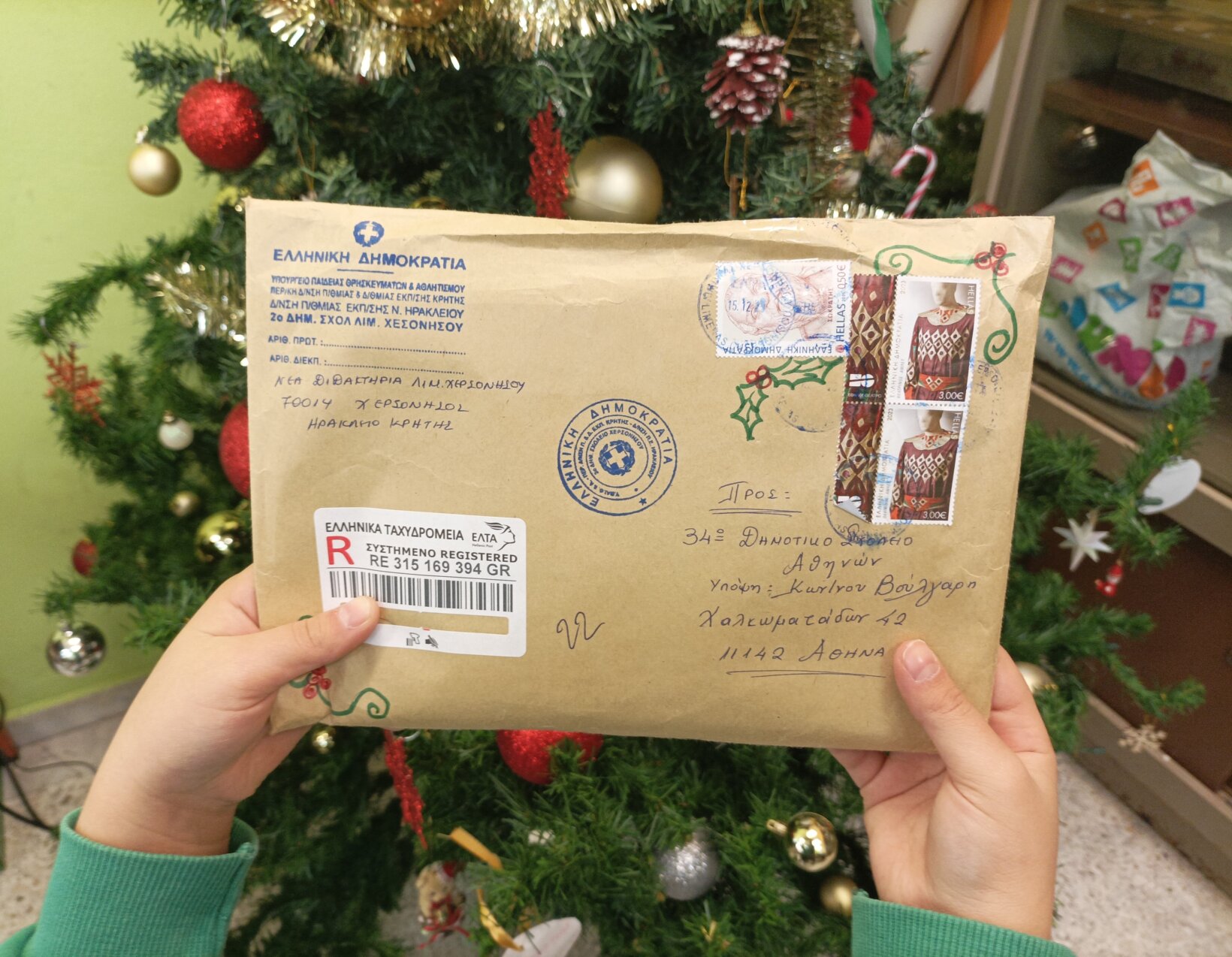
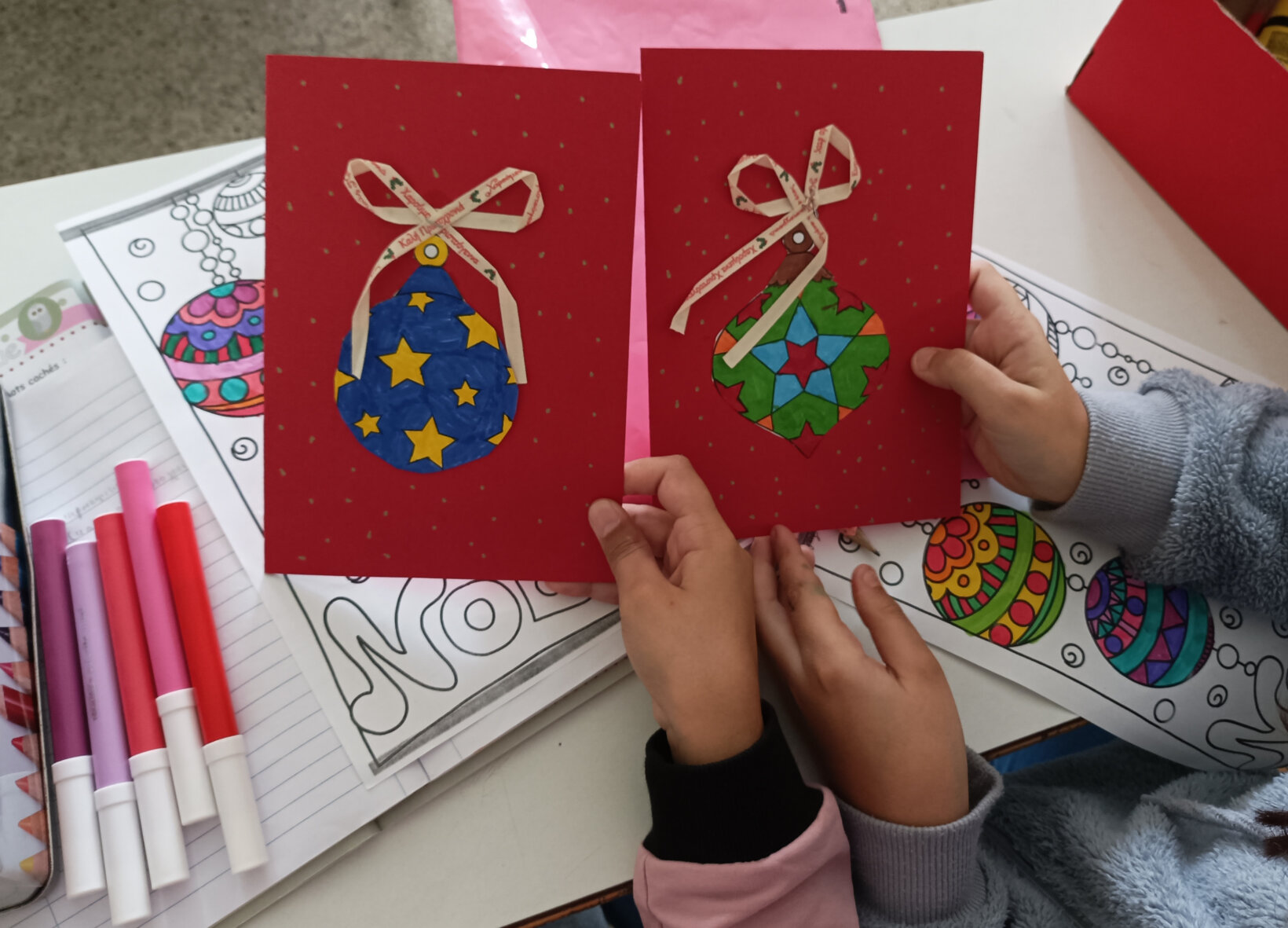
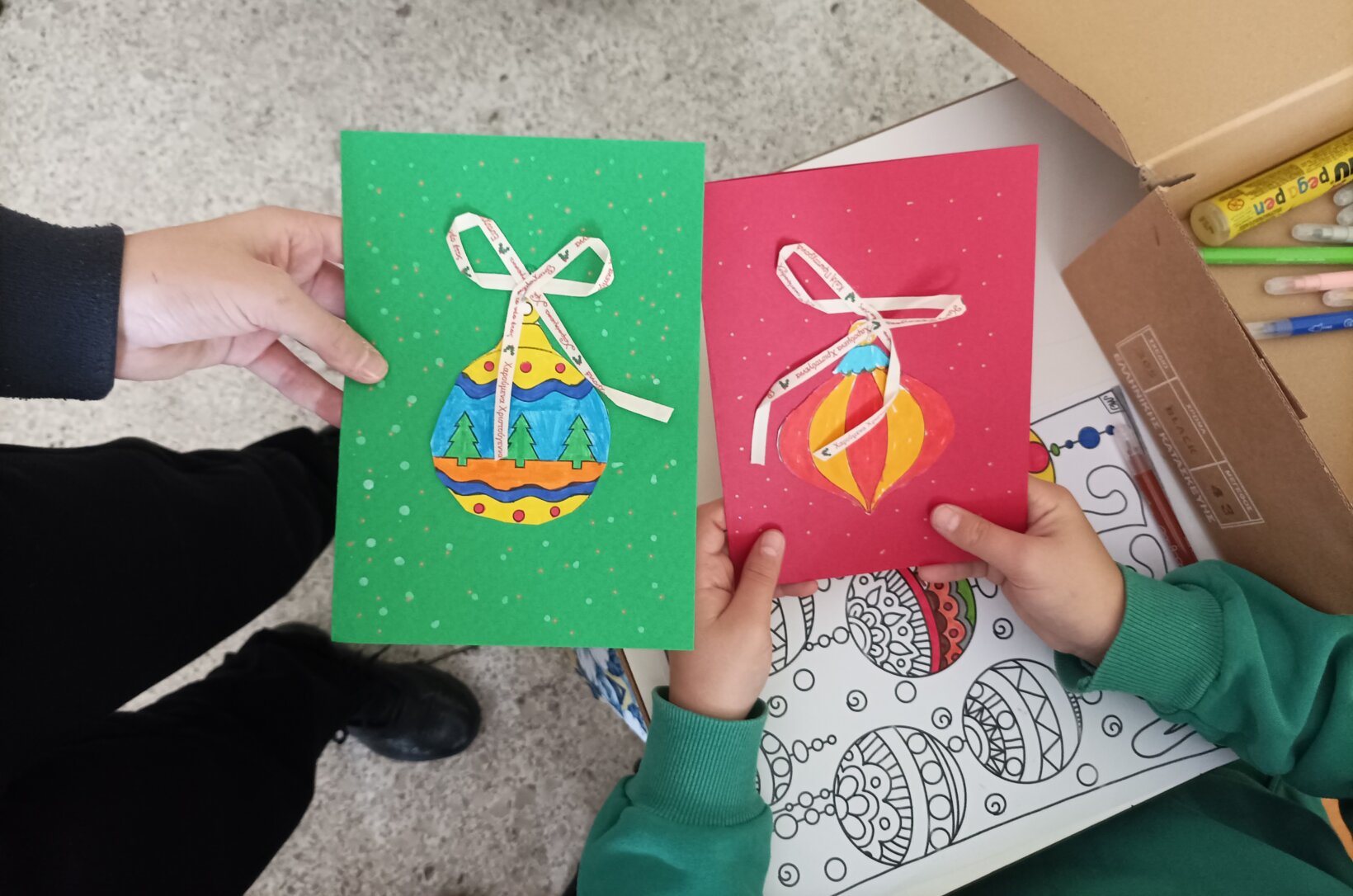


We’ve had post from France today!
An envelope arrived from École élémentaire publique l’Hermitage.

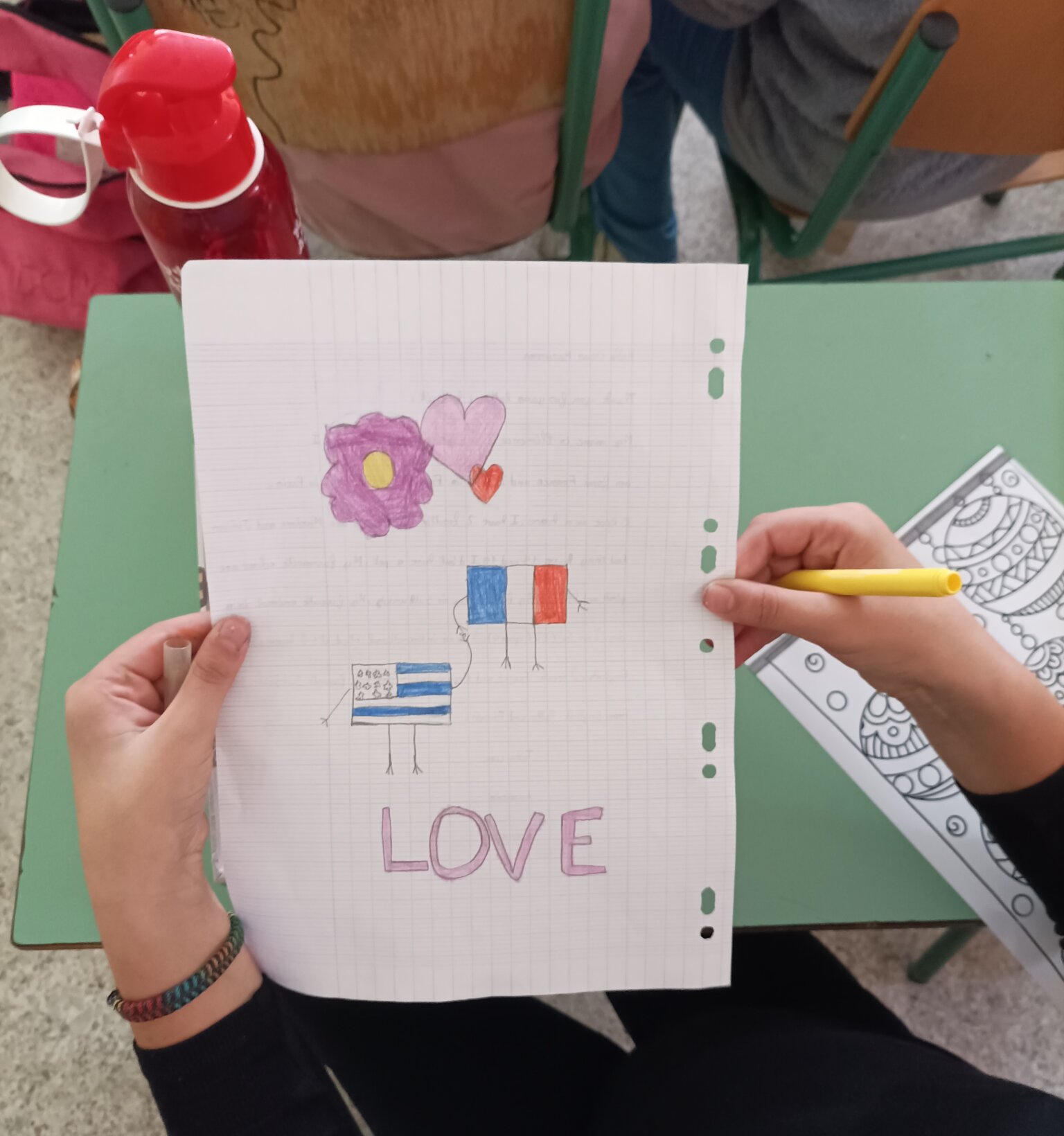
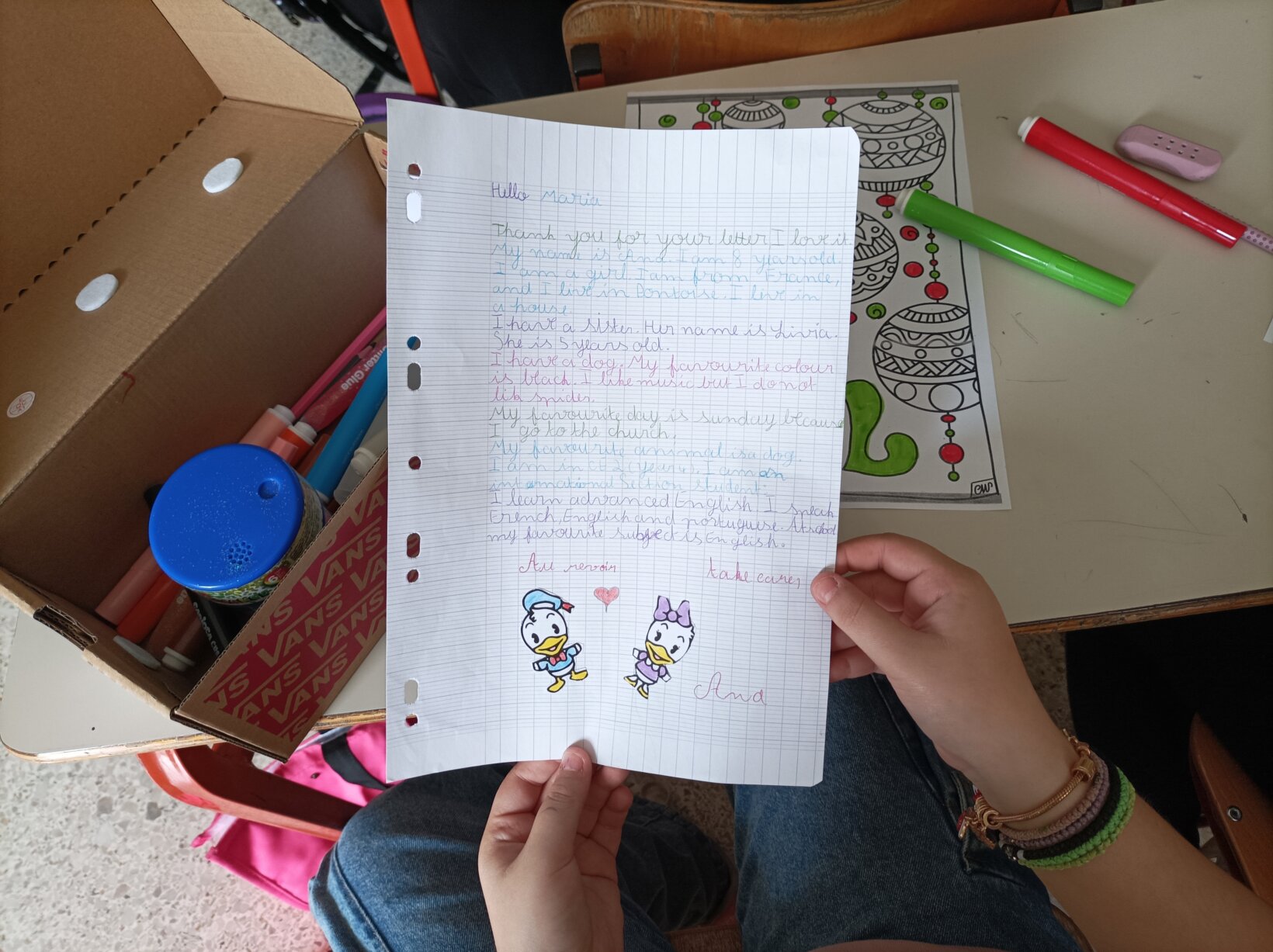

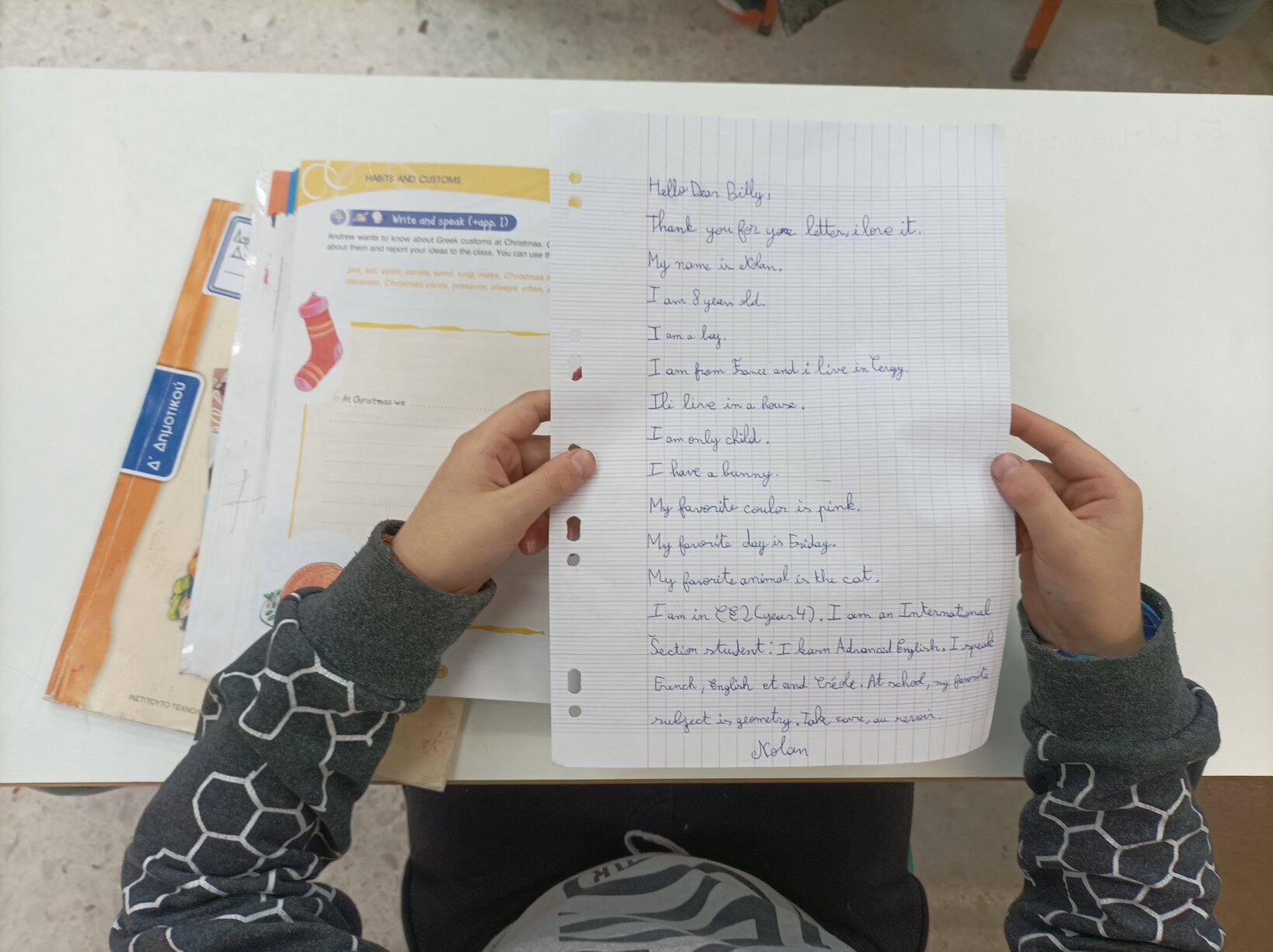


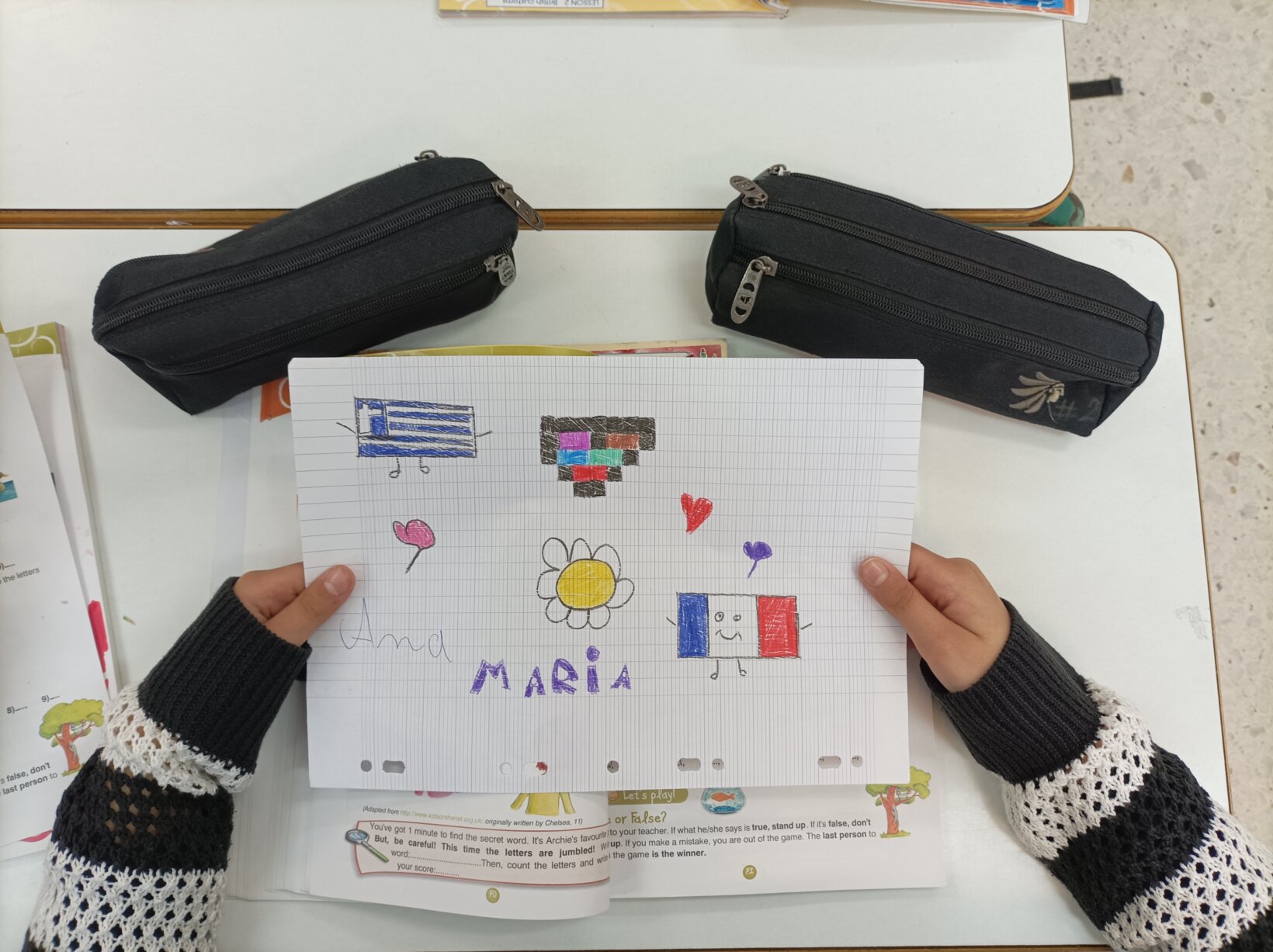

Με πολλή χαρά, λάβαμε χριστουγεννιάτικες κάρτες από τις Μέλανες Νάξου!


Διασκευή του κειμένου από τη σελ. 44 του βιβλίου Pupil’s Workook της ΣΤ’ τάξης

The yo-yo has enjoyed widespread popularity throughout world history and may be the second oldest toy globally, following dolls. Ancient Greek yo-yos crafted from terra cotta are displayed in Athens museums, and depictions of yo-yos adorn the walls of Egyptian temples. Historical figures such as Napoleon and the Duke of Wellington were known to engage in yo-yo play. This timeless amusement has captivated individuals of all ages, appealing to children aged 1 to those celebrating a centenary.
The modern chapter in the yo-yo’s narrative begins with Pedro Flores, a young man from the Philippines. In the 1920s, Flores relocated to the USA and worked as a porter at a Santa Monica hotel. While carving and playing with wooden yo-yos was a customary pastime in the Philippines, Flores discovered that his lunchtime yo-yo performances attracted a curious crowd. It was at this hotel that the term “yo-yo,” signifying “come-come,” originated. Subsequently, he established the Flores Yo-Yo Company to manufacture these toys.
Donald F. Duncan, a businessman, first encountered the yo-yo during a business trip to California. A year later, in 1929, he returned and acquired the company from Flores, preserving the enchanting name “yo-yo.” Around the same time, Duncan introduced the looped slip-string, a crucial innovation enabling the yo-yo to slip—a prerequisite for executing advanced tricks. The most significant yo-yo boom in history occurred in 1962, fueled by television advertising.

Ένα κείμενο από τη σελ. 26 του βιβλίου Pupil’s Book της ΣΤ’ τάξης
A crocodile is a large amphibious reptile. It lives mostly in large tropical rivers, where it is an ambush predator.


Ένα κείμενο από τη σελ. 46 του βιβλίου Pupil’s Book της ΣΤ’ τάξης
However, the artwork you see is not the one by Pieter Brueghel; it has been generated by Artificial Intelligence.

Ένα κείμενο από τη σελ. 51 του βιβλίου Pupil’s Βook της E’ τάξης

Ένα κείμενο από τη σελ. 19 του βιβλίου Pupil’s Workbook της ΣΤ’ τάξης
— Άρτσι, πήγαινε φέρε το ξωτικό!
Ένα βίντεο βασισμένο στη σελ. 70 του βιβλίου της Δ’ τάξης


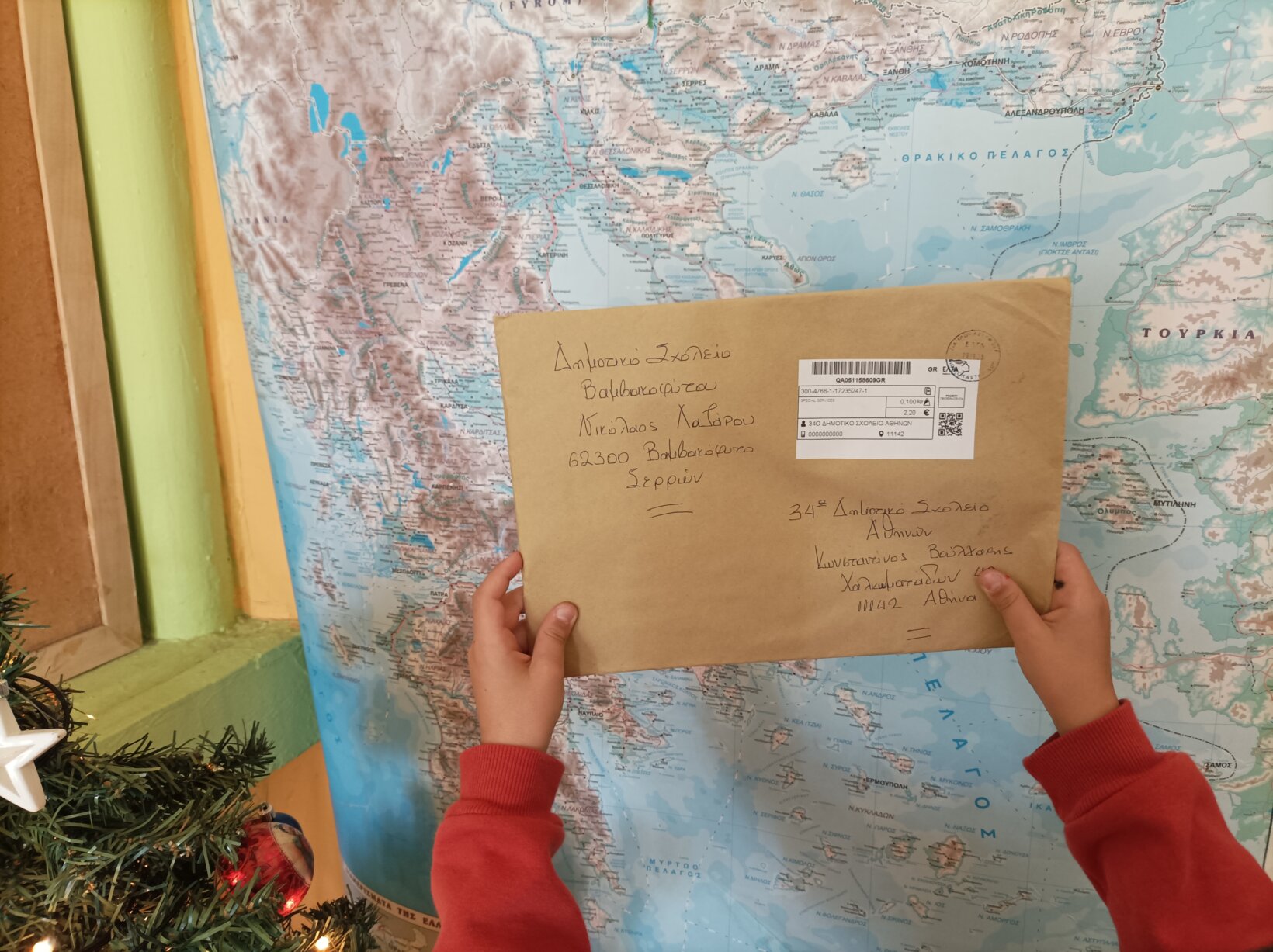
Τα γράμματα και οι ζωγραφιές μας έφτασαν στις Μέλανες…


και τα παιδιά εκεί μας ετοίμασαν ευχετήριες κάρτες.
Ανυπομονούμε να τις λάβουμε!


Μια εργασία που μας ενθουσίασε!

Charlie the Chimp is ready to monkey around in the ring! 🥊🐵 Who knew a chimp could pack such a punch of cuteness? Get ready for a knockout of giggles with this adorable jungle boxer.
Meet Charlie the Chimp, the bravest boxer in the jungle! With his lightning-fast moves and goofy grin, he’s always ready for a playful punch-up with his jungle pals. But don’t worry, it’s all in good fun! Join Charlie on his wild adventures as he throws punches of laughter and swings into a world of friendship and fun!


Additionally, dogs should be carried on escalators to prevent any potential harm to their paws. While the ridged metal may not pose an issue for us when we wear shoes, dogs can sustain injuries from standing on it.

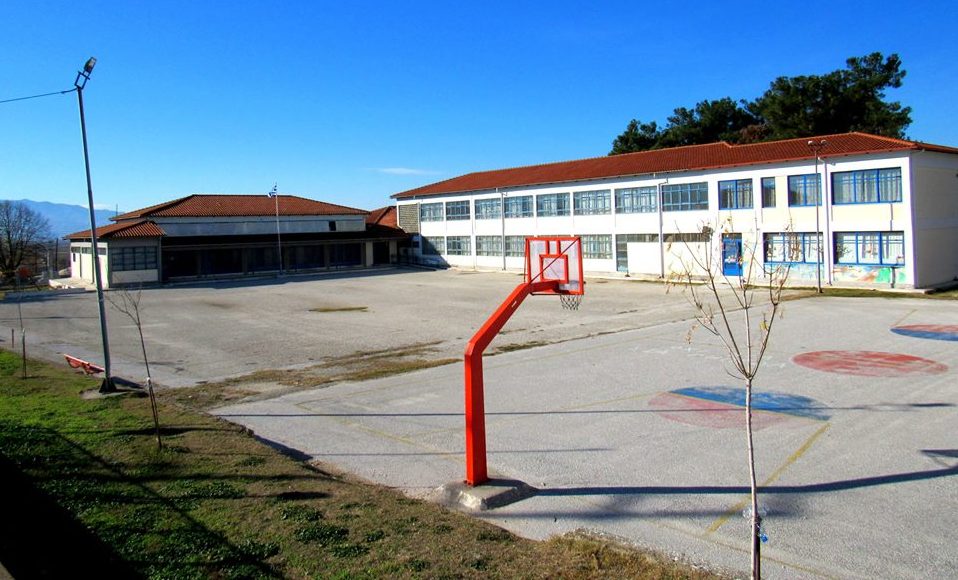

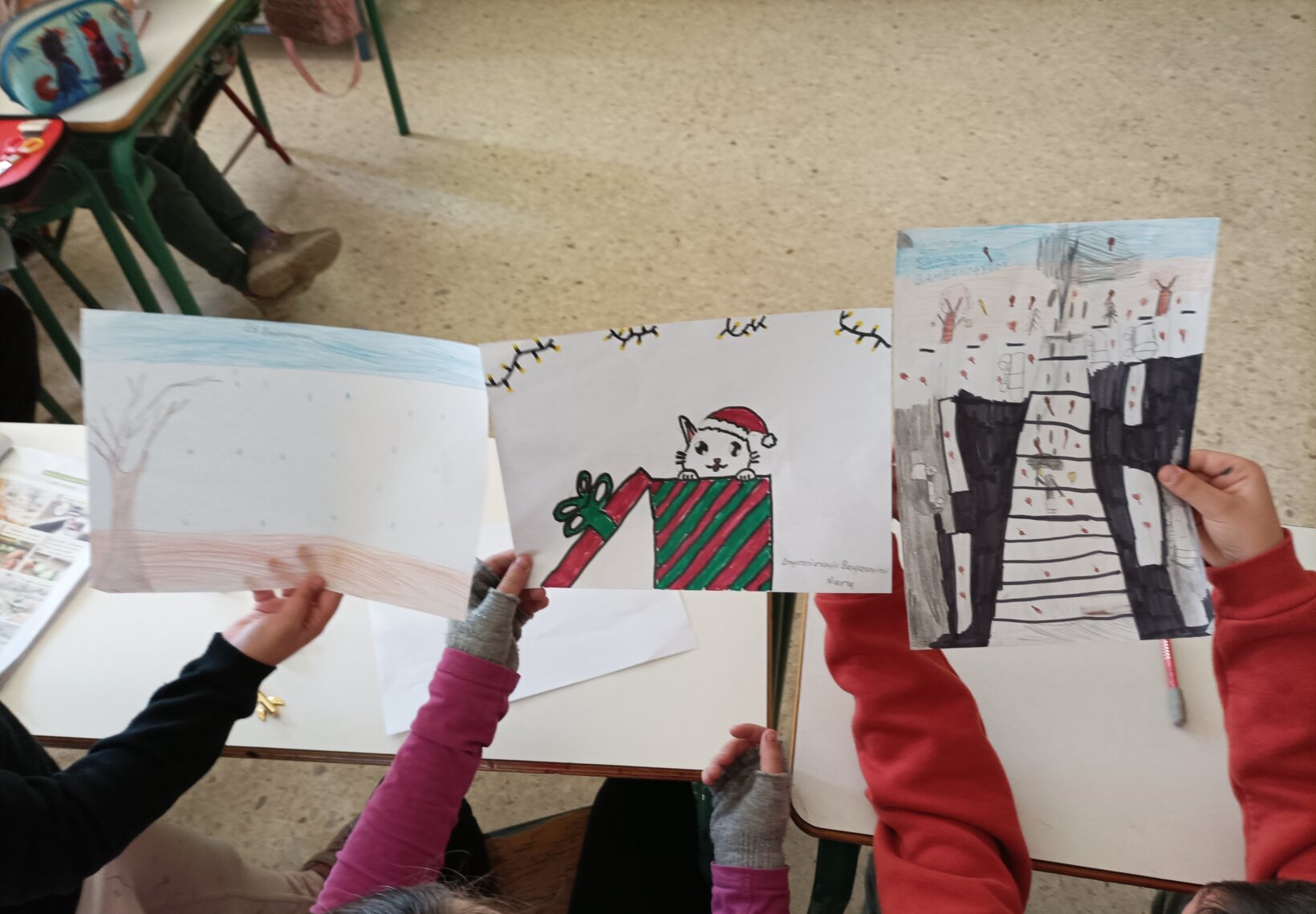
Τα παιδιά από το Δημοτικό Σχολείο Βαμβακοφύτου
μας έστειλαν ζωγραφιές.




ΠΕ06 Αγγλικής Φιλολογίας
eTwinning


Hi, I’m Kostas, short for “Constantine.”
Born and raised in Athens, Greece,
I have studied English and Journalism
(Σχολή Δημοσιογραφίας ANT1)
and I teach English at a state primary school in the Greek capital.
Wishing to provide my students with a wider view of the world, I am searching for interesting international opportunities to learn about different cultures and global issues.
Επιθυμώντας να προσφέρω στους μαθητές και τις μαθήτριές μου μία ευρύτερη θεώρηση του κόσμου, αναζητώ ευκαιρίες συνεργασίας στην Ελλάδα/Κύπρο και το εξωτερικό προκειμένου να μάθουμε μαζί για διαφορετικούς πολιτισμούς και να ενημερωθούμε για παγκόσμια θέματα.













Με κέρδισε όμως η Εκπαίδευση. 🙂




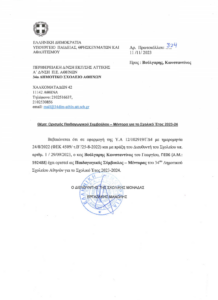

Η χρήση της Τεχνητής Νοημοσύνης
στο μάθημα της Αγγλικής
στην Α/βάθμια Εκπαίδευση

1. Teach.in.G. | Εκπαίδευση εκπαιδευτικών: Γλωσσική και ψυχοπαιδαγωγική διαχείριση πολύγλωσσων και πολυπολιτισμικών τάξεων
2. Ειδική Αγωγή: Διεπιστημονικές πρακτικές σύγκλισης
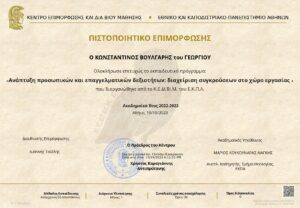
3. Ανάπτυξη προσωπικών και επαγγελματικών δεξιοτήτων: Διαχείριση συγκρούσεων στο χώρο εργασίας
4. Διαπροσωπικές σχέσεις: Το φαινόμενο της μοναξιάς στη σύγχρονη εποχή
Διαχείριση και αντιμετώπιση
5. Από τη μία στην άλλη πλευρά του Αιγαίου:
Η εγκατάσταση των Μικρασιατών προσφύγων στην Ελλάδα μέσα από τη λογοτεχνία
6. Θρησκεία και Ψυχανάλυση
7. Παραπληροφόρηση ή αληθινές ειδήσεις; Μάθετε να τα ξεχωρίζετε
8. Σπουδή στην Ορθόδοξη Θεολογία
9. Τα δικαιώματα του παιδιού
10. Philosophical Life Coaching

1. Εκπαιδευτικός στον 21ο αιώνα: Πώς να ξεχωρίσω
2. Διαχείριση της πολυπολιτισμικότητας στην εκπαίδευση και κοινωνική ένταξη μεταναστών /προσφύγων
3. Σχολική Ψυχολογία
4. Ενδοσχολική βία και εκφοβισμός: Πρόληψη και αντιμετώπιση
5. Μέθοδοι της Μετασχηματίζουσας Μάθησης στο πλαίσιο της Διά Βίου Μάθησης

Σύγχρονες αρχές και πρακτικές στην Ειδική Αγωγή και Εκπαίδευση

1. Σχολική Νοσηλευτική και Ψυχική Υγεία
2. Πρόληψη και αντιμετώπιση της επιθετικότητας στο σχολικό περιβάλλον: Εργαλεία και στρατηγικές διαχείρισης
1. Πρόληψη και αντιμετώπιση ρατσισμού
στα δημοτικά σχολεία
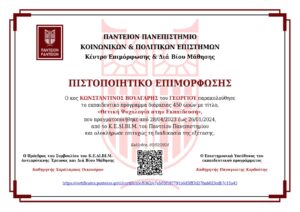
2. Θετική Ψυχολογία στην Εκπαίδευση
3. Ενισχύστε την εκπαίδευσή σας με τη δύναμη
της Τεχνητής Νοημοσύνης (AI)

Διαχείριση σχολικής ζωής: Ηγεσία, κρίσεις, διαφορετικότητα, συμπερίληψη

Αγωγή και ετερότητα: Αξιοποιώντας την Τέχνη
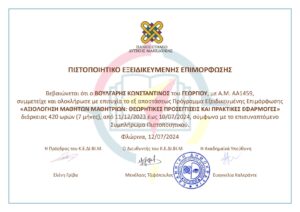
1. Αξιολόγηση μαθητών/μαθητριών: Θεωρητικές προσεγγίσεις και πρακτικές εφαρμογές
2. Έμφυλες σχέσεις και ενδυνάμωση μέσα από αφηγηματικές τεχνικές
1. Ο/Η άνθρωπος-πολίτης/πολίτιδα
απέναντι στο θάνατο και την απώλεια:
Παιδαγωγικές και κοινωνικές προσεγγίσεις
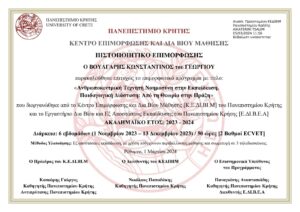
2. Ανθρωποκεντρική Τεχνητή Νοημοσύνη στην Εκπαίδευση: Παιδαγωγική διάσταση
Από τη θεωρία στην πράξη
3. Γνωριμία με το Magic School στην εκπαιδευτική πράξη
4. LIFE on mARTs
5. Ανθρωποκεντρική Τεχνητή Νοημοσύνη στην Εκπαίδευση: Μετασχηματίζοντας τον τρόπο με τον οποίο διδάσκουμε και μαθαίνουμε

1. Επιμορφώνοντας τους εκπαιδευτικούς στο Ολοκαύτωμα: Ανθρωπολογικές αναγνώσεις
του κινηματογράφου
2. Εισαγωγή στην αλβανική γλώσσα

1. Σπουδές στον Ποντιακό Ελληνισμό
2. STEAM Education for All Learners: Incorporating STEAM and Inclusive Education Practices in Everyday Teaching
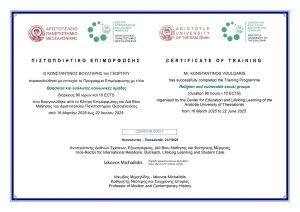
Θρησκεία και ευάλωτες κοινωνικές ομάδες
1. Ψυχολογικές προσεγγίσεις του παιδικού σχεδίου
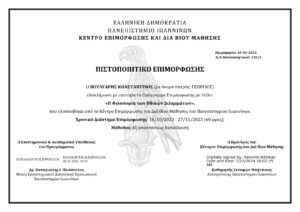
2. Η Φιλοσοφία των Ηθικών Διλημμάτων

Προαγωγή ψυχικής υγείας και ευεξίας
στα σχολεία: Well@School Project
Αξιολόγηση του σχολείου, των εκπαιδευτικών
και ανάπτυξη βέλτιστων λεκπαιδευτικών πρακτικών

1. Επιμόρφωση των Εκπαιδευτικών
στις Δεξιότητες μέσω Εργαστηρίων
2. Εισαγωγή της Αγγλικής Γλώσσας
στο Νηπιαγωγείο (ΕΑΝ)
3. Αναπηρία και διαφορετικότητα,
αυτιστικό φάσμα,
προβλήματα προσοχής και συγκέντρωσης
4. Εκπαίδευση για την Ιδιότητα
του Παγκόσμιου Πολίτη
Ευρωπαϊκό Έργο GENE
(Global Education Network Europe)
5. Διαφοροποιημένη Διδασκαλία:
Πρακτικές υποστήριξης
των μαθητών και των μαθητριών
6. Πρόληψη και αντιμετώπιση περιστατικών ενδοσχολικής βίας και εκφοβισμού

1. Ανάπτυξη δεξιοτήτων των Παιδαγωγικών Συμβούλων-Μεντόρων
2. Ενεργητική ακρόαση και αποτελεσματική επικοινωνία
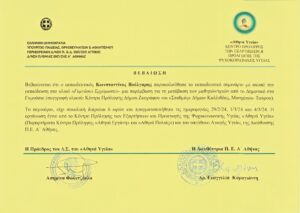
1. Peer Support / Συμβουλευτική Ομηλίκων
2. Εκπαιδευτικός στην τάξη ξανά:
Ενδυναμώνοντας τον εαυτό μου
και το ρόλο μου
3. — Γυμνάσιο, ερχόμαστε!
Μία παρέμβαση για τη μετάβαση
των μαθητών/-τριών
από το Δημοτικό στο Γυμνάσιο
4. Τεχνικές πρόληψης για παιδιά
Neuro-Linguistic Programming
Νευρογλωσσικός Προγραμματισμός

1. Εκμάθηση βασικών τεχνικών NLP
2. Εκμάθηση προχωρημένων τεχνικών NLP
3. NLP – Ο Νευρογλωσσικός Προγραμματισμός στην Ψυχολογία

Δημιουργική γραφή
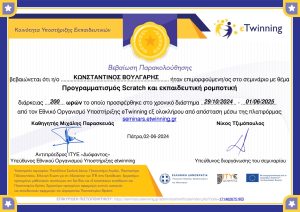
Προγραμματισμός Scratch και εκπαιδευτική ρομποτική

eTwinning και Εργαστήρια Δεξιοτήτων:
Συνεργατικές Δράσεις για την Καλλιέργεια
Γνώσεων, Δεξιοτήτων και Ικανοτήτων
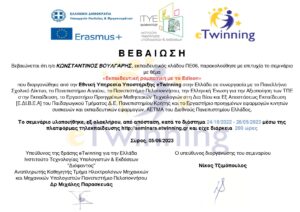
Εκπαιδευτική ρομποτική με το Edison

και για τις μικρότερες τάξεις:
Bee-Bot

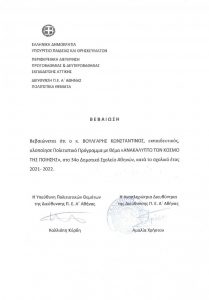
1. Το δικό μας όνειρο
2. Αληθινή φιλία
3. Δύο ευγενικοί άνθρωποι
4. Ανακαλύπτω τον κόσμο της Ποίησης
5. Φύγε άγχος, γίνε χρώματα!

1. True Friends Forever
2. True Friends Forever | France and Greece
3. Be a European Star for a European Christmas
4. Comment fait-on la paix ?
5. Μαθαίνω να βλέπω τον Άνθρωπο | Learning to See the Person #SkillsLabs