Reusing old toddler blocks to play around with sentence structure

Teaching the Simple Present never seems to stop. It is the most basic tense, the tense of tenses. And my 5th grade students needed help understanding sentence structure, especially in the interrogative form. So here’s what we did: I asked them to bring their old toy blocks, from when they were toddlers. Then we taped words and clusters of words on them. Then we played. We kept score among the teams, and I was surprised that even the most reluctant students now wanted to take part! Strong and weak students took their turn making mistakes to learn from. And many, correct, different sentences were created!


 12767677_10208736252381180_367816127_n

Special thanks goes to my colleague Maria Dimitrakopoulou, for sharing this idea on Facebook, and to our School Advisor, Mrs. Marianthi Kotadaki, who is a constant source of inspiration for sharing!


‘Daedalus and Icarus’ comics for the English class

 ‘The art of teaching is the art of assisting discovery.’

-Mark van Doren

That means getting your students out there in the real world and finding things they can relate to (with a certain filtering). One of the things I turn to is…

…comics!!!


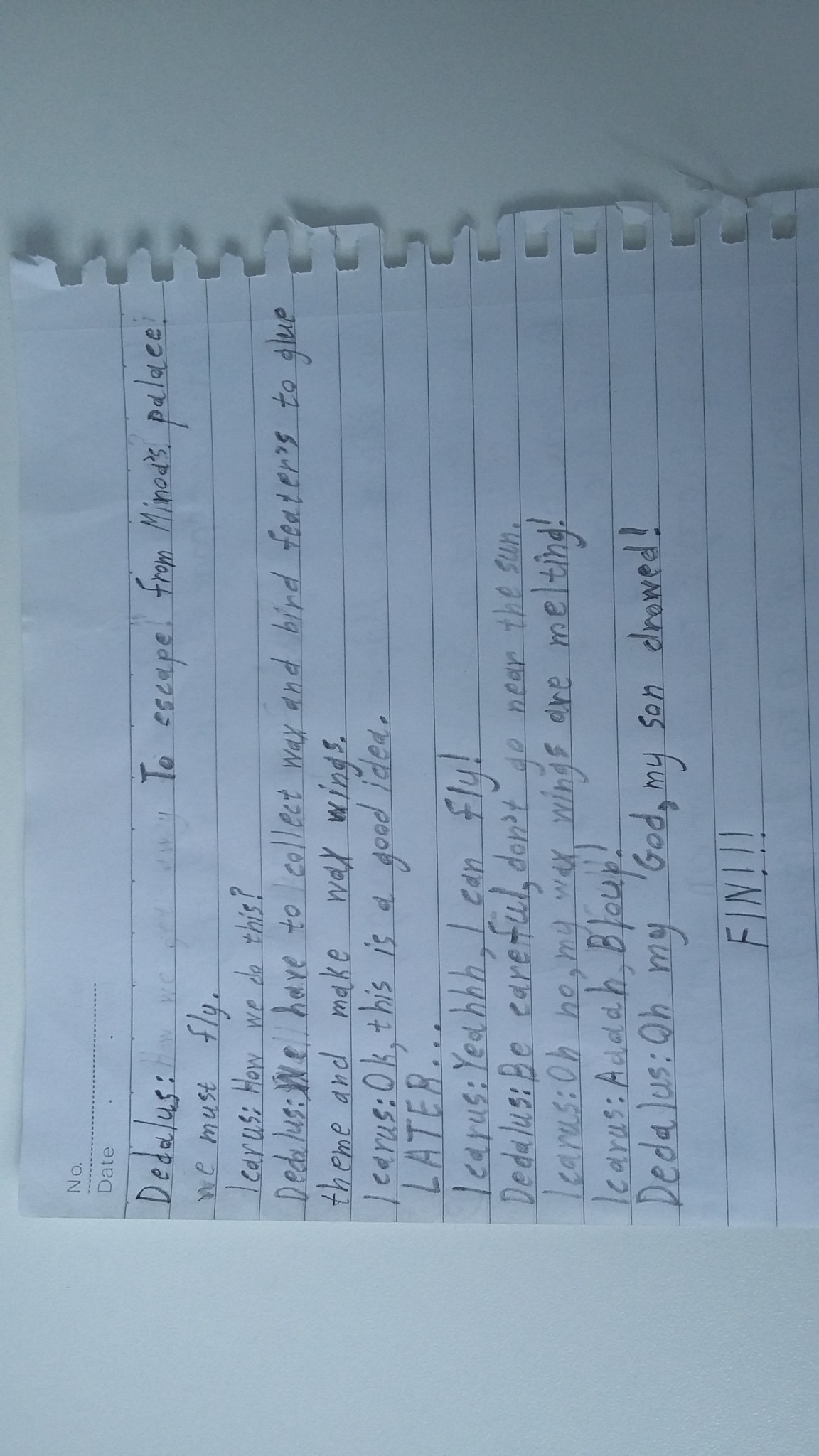
Comics can be used to teach content, values, to coax reluctant readers, for fun and also be the outcome of students’ work. Here is an example, where, to begin with, 6th grade students from the ΣΤ1 class in our school wrote the story of Daedalus and Icarus as a dialogue.

The students worked in teams to produce dialogues based on the story of Daedalus and Icarus. They also practised the Simple Past and the Simple Present. This is the first draft.


20160201_092847  20160201_092948  Daedalus and Icarus comics for the English class  20160201_092821

After they wrote the final draft of the dialogues, it was time for them to show their artistic talents! At least one student in each team was willing to carry out the task of the actual drawing, but all the rest helped with their ideas and with how the text should be placed.

Previously, the students had been introduced to the terminology of comics and had been given some tips that would help them draw their ideas down to paper. With the aim to encourage creativity in mind, computer assisted comic making was not given as an option. For more information about comics in education, visit http://athenscomicslibrary.gr/εκπαιδευτικαπρογραμματα

Only two teams out of the four managed to finish in time (2 teaching hours), but the students of the other two promised to finish next time… You know how it goes! Of course, they all wanted to do more!

This was the result:


The Super kids team (Lydia, Theodosis, Rafaela and Mariefi) came up with this:


2016-02-05 16.25.35 2016-02-05 16.25.15 20160205_162825

And the Koroivos fans team (Dimitris, Maria, Panayiota and Makis) collaborated on this:


2016-02-05 23.16.182016-02-05 23.15.502016-02-05 23.15.362016-02-05 23.15.19

Don’t you think my students are talented? Here’s a video I made to show their work (or, you can click here):


Enjoy!


Tutorial: How to reuse old magazine pages and make paperbags

P1250632
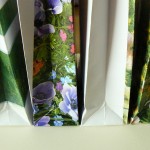
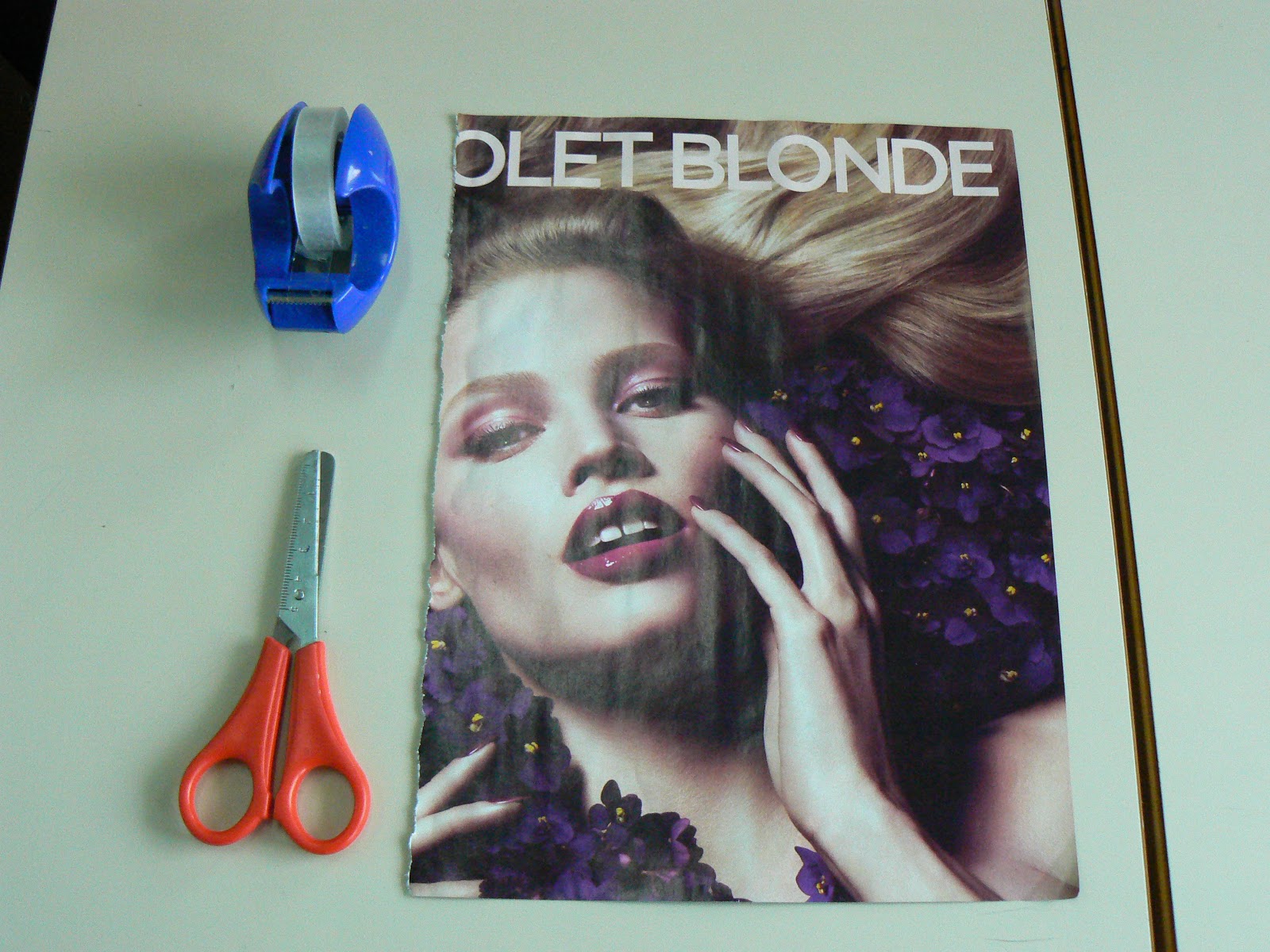
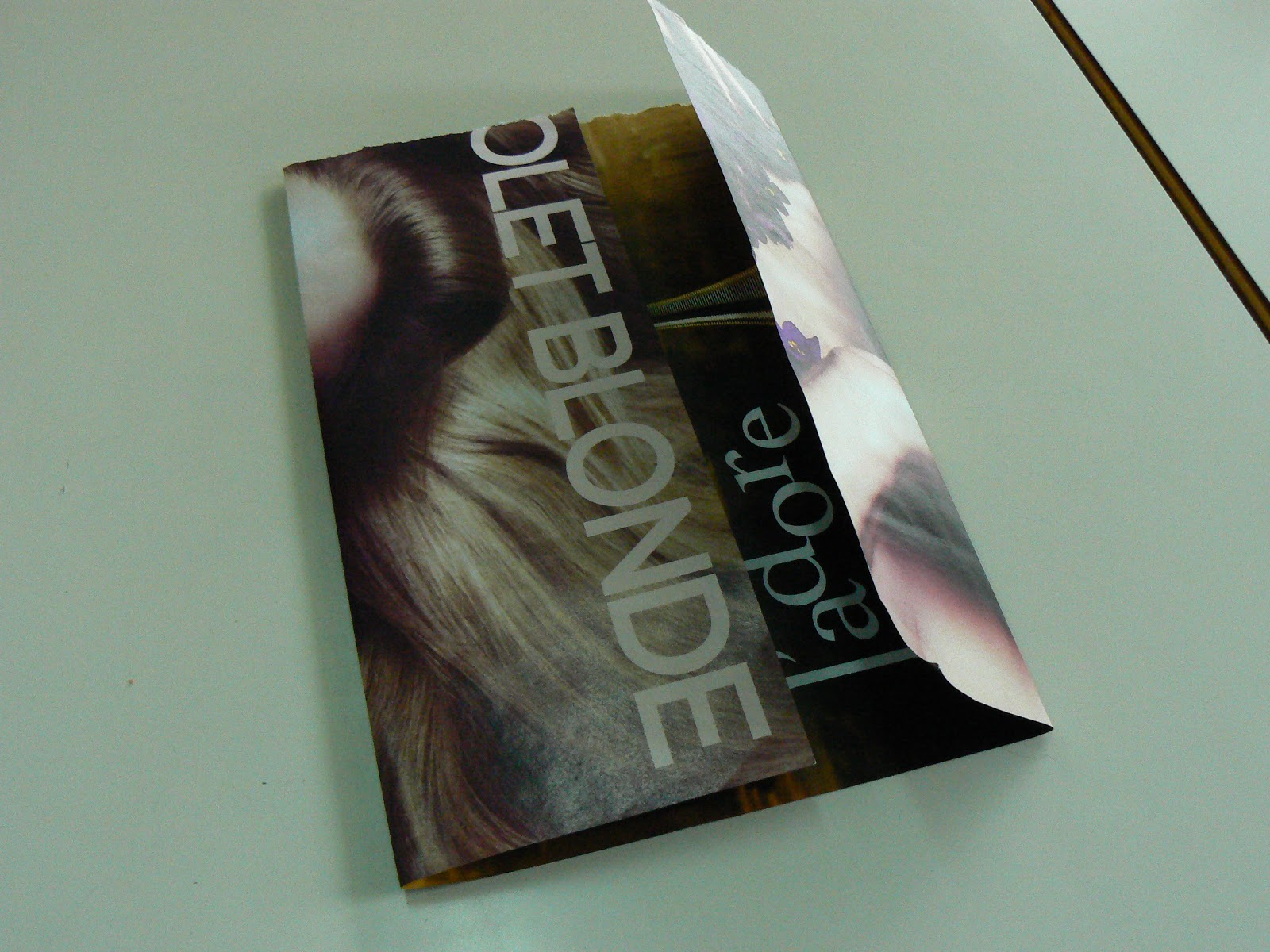
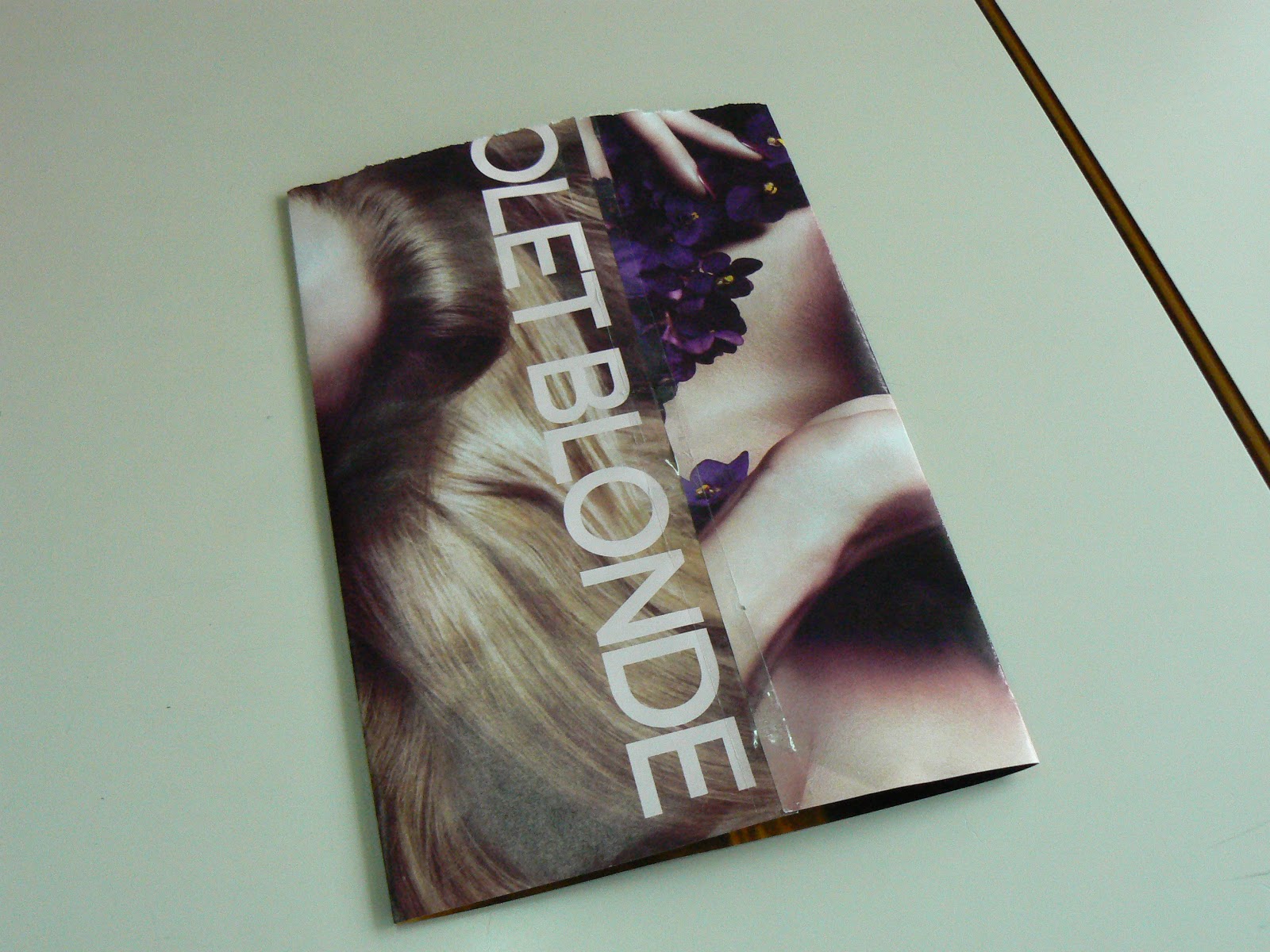
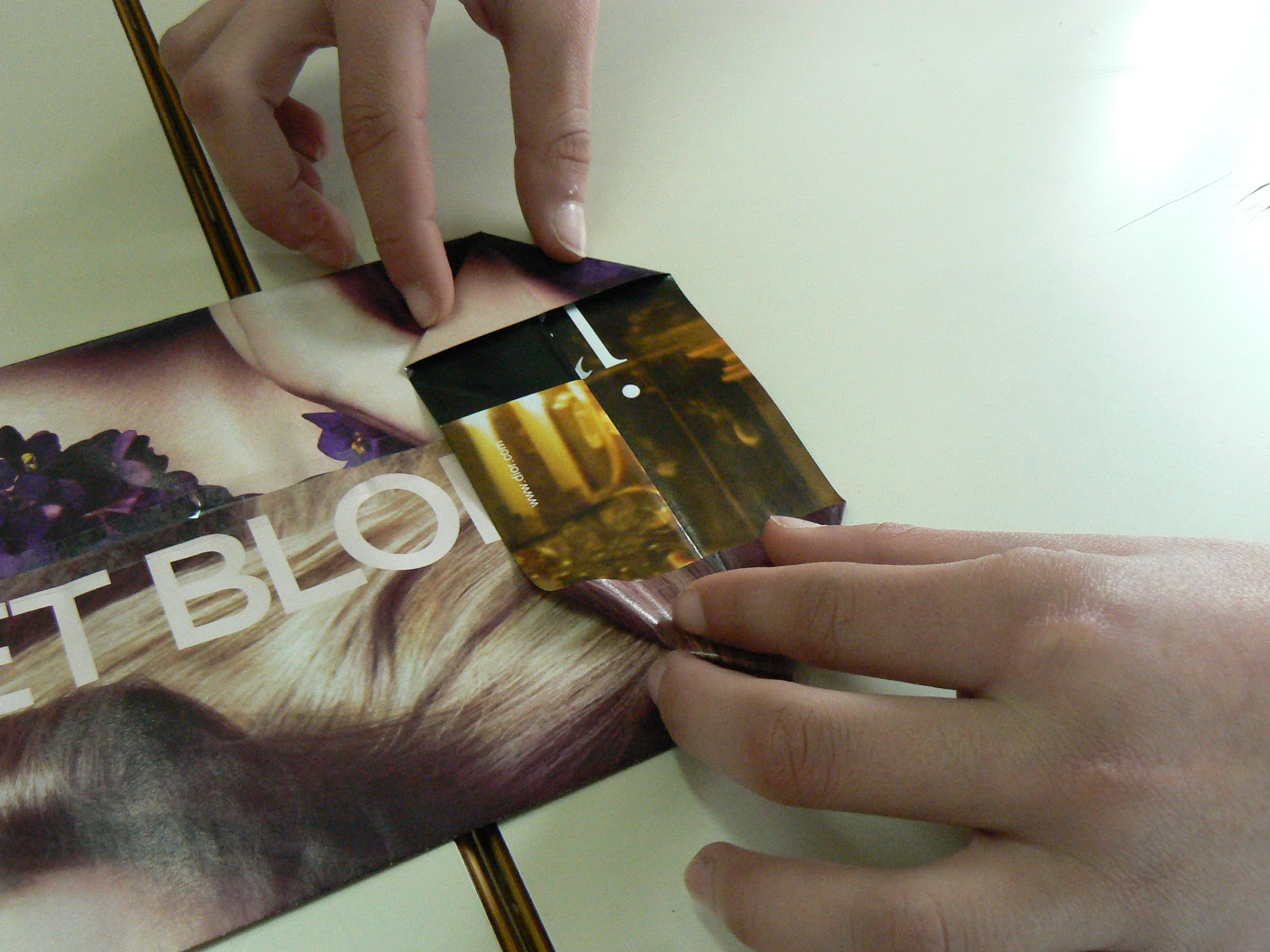
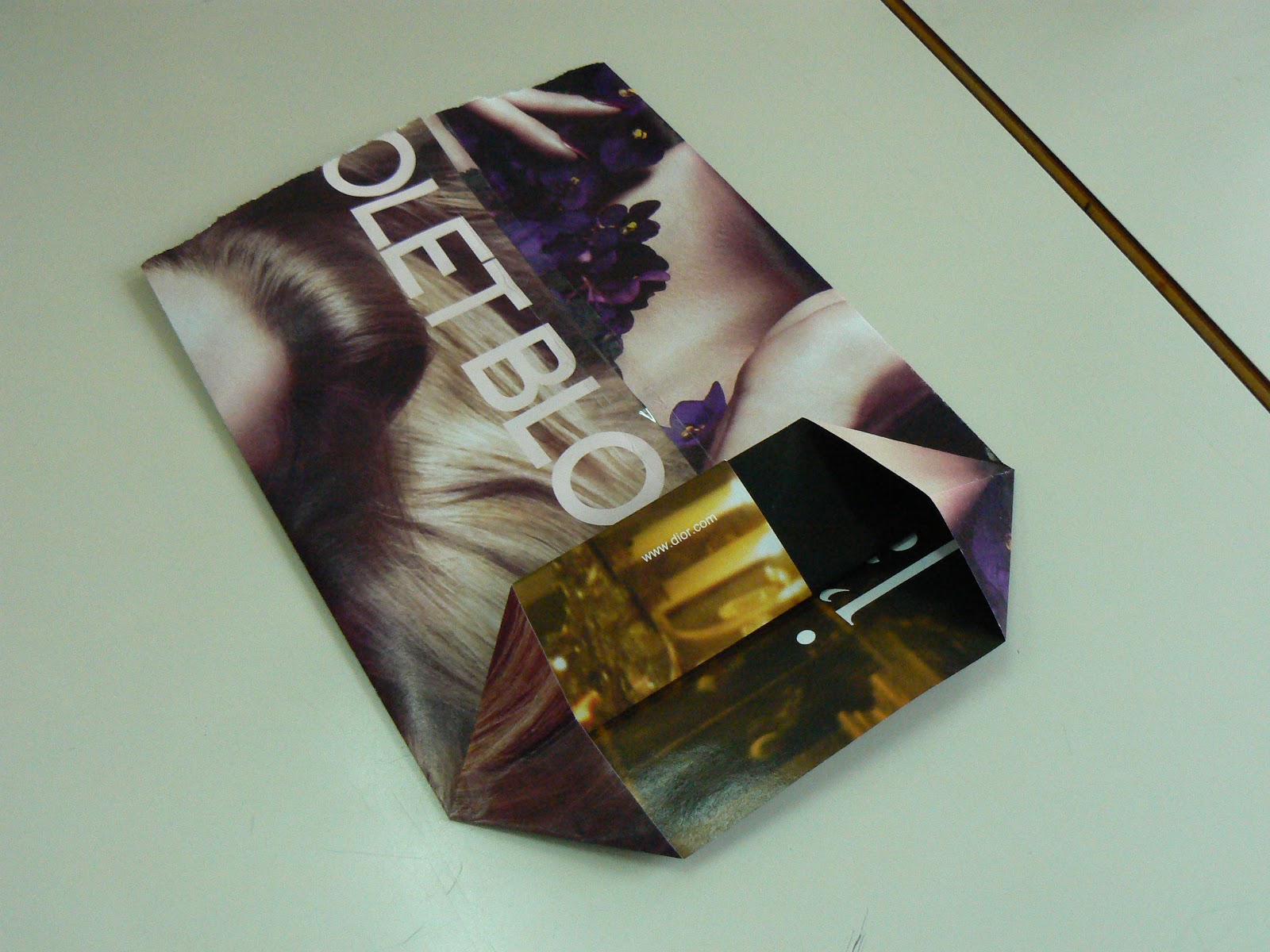
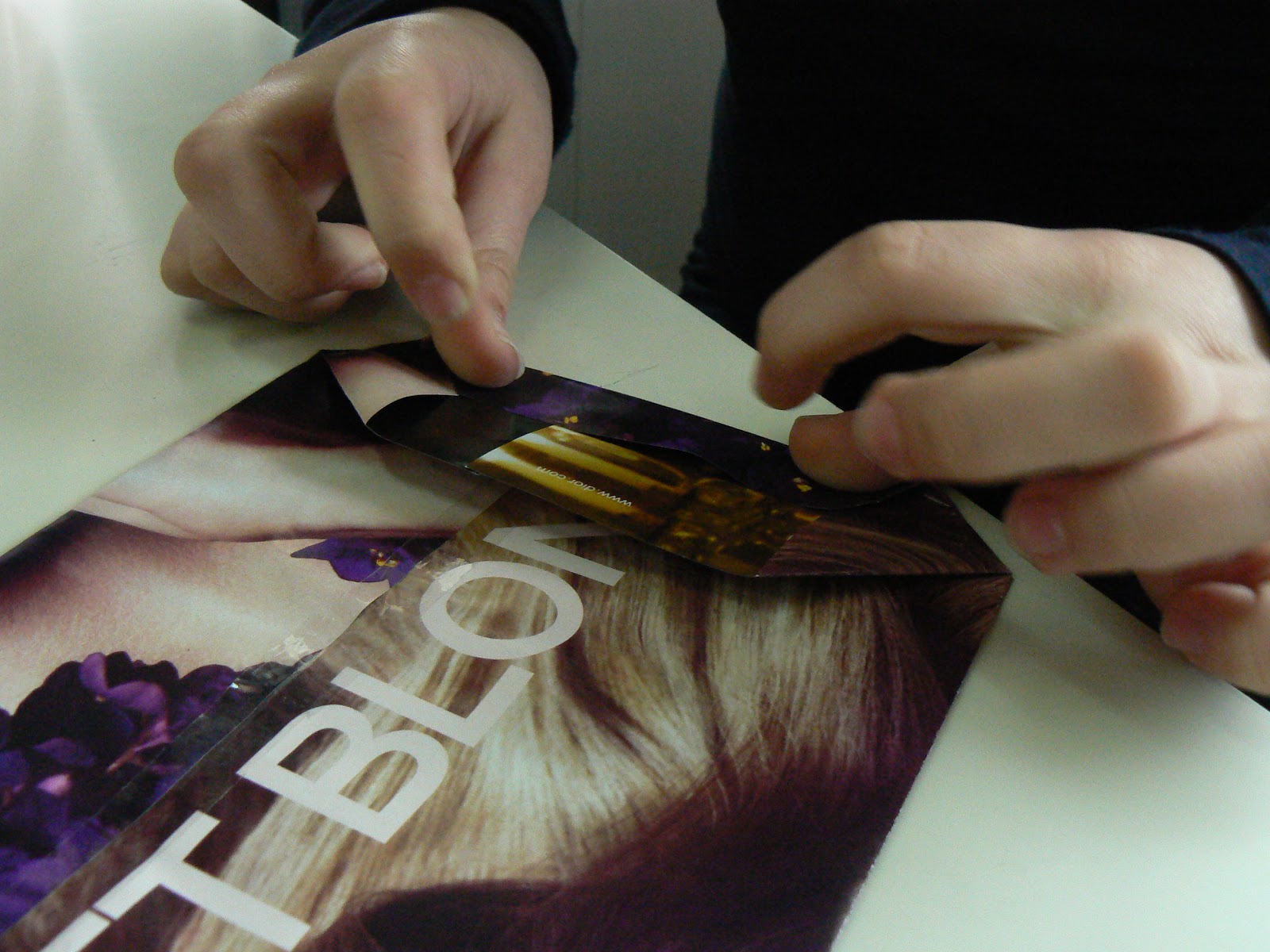
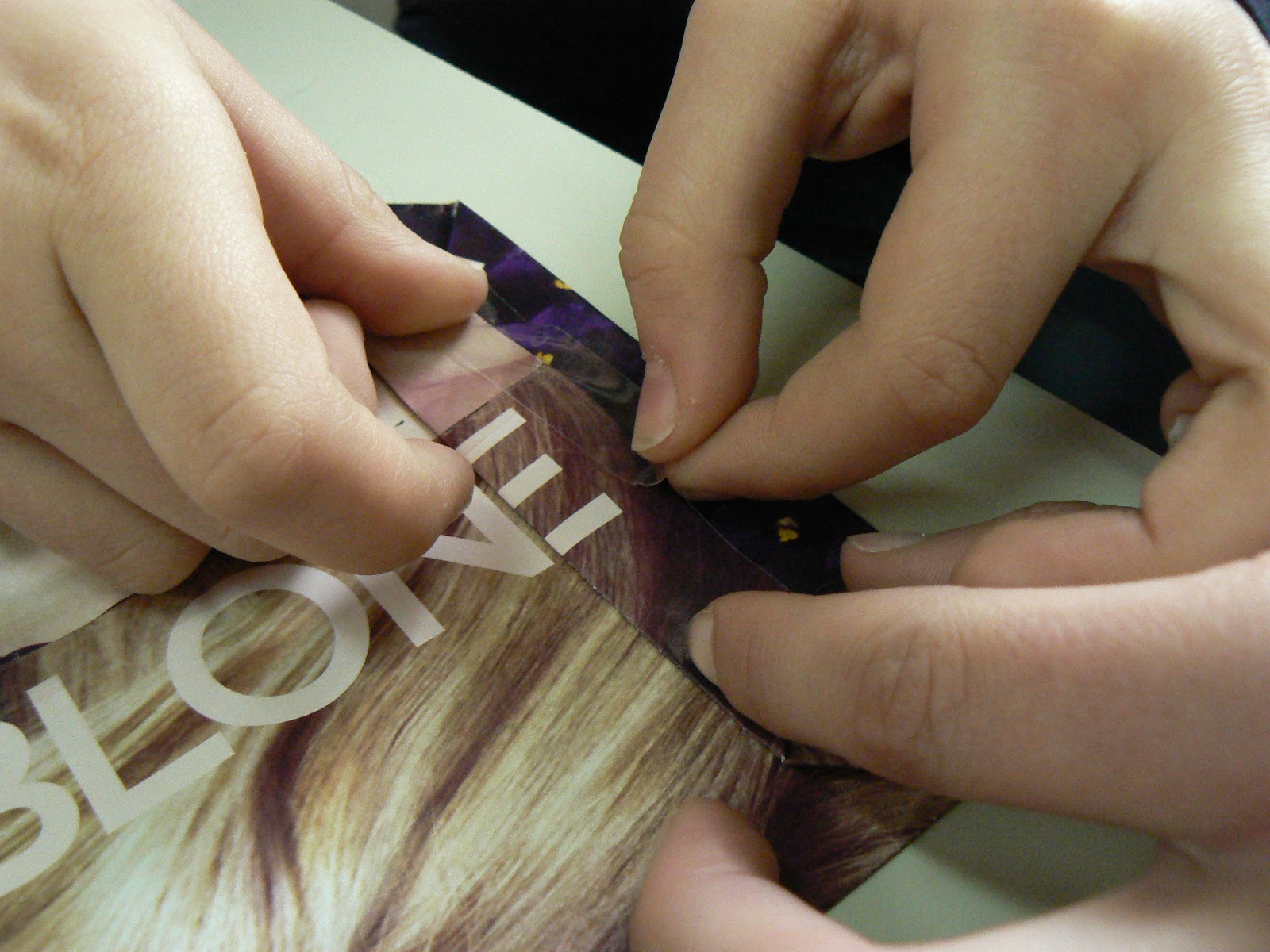
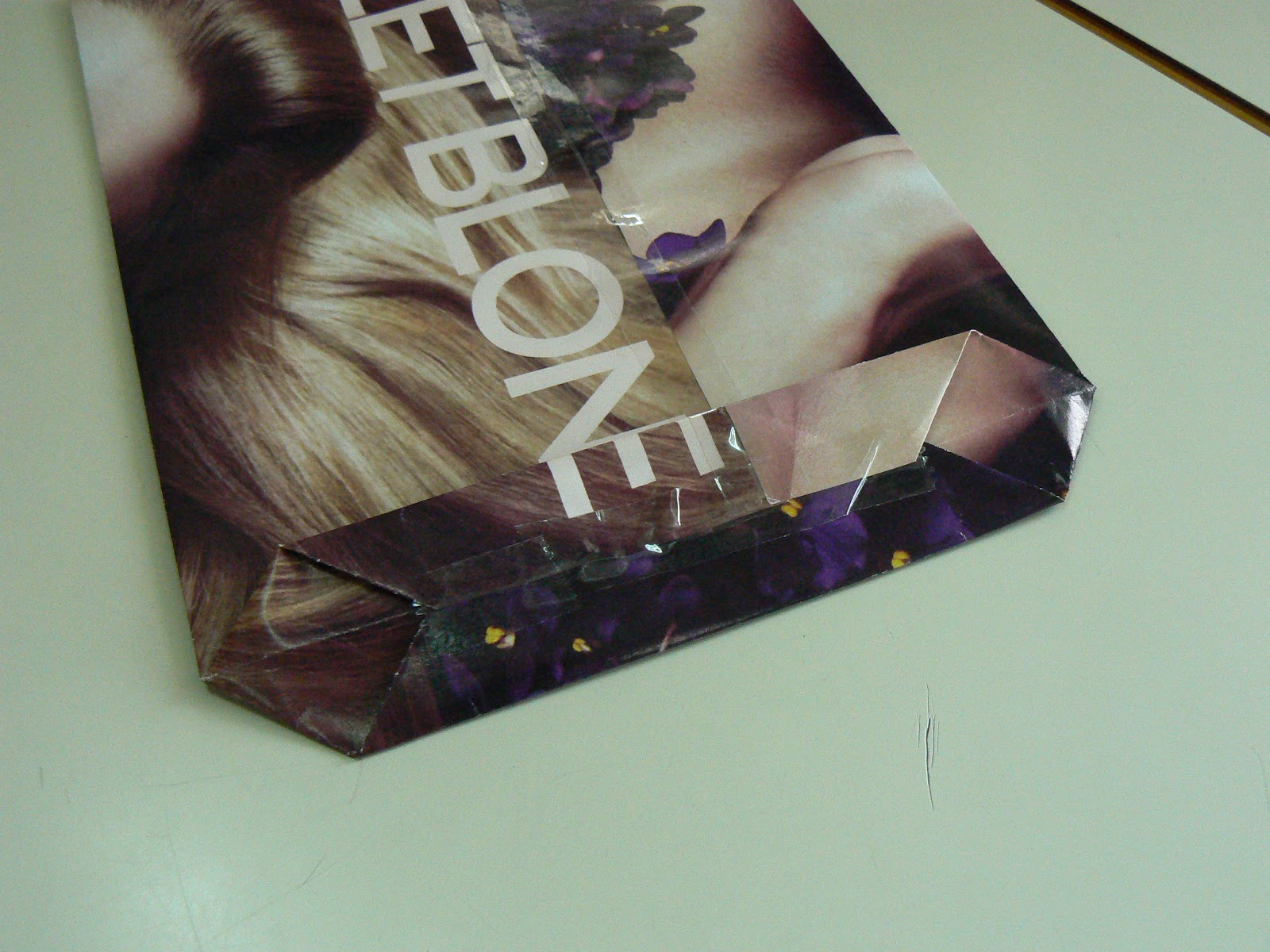
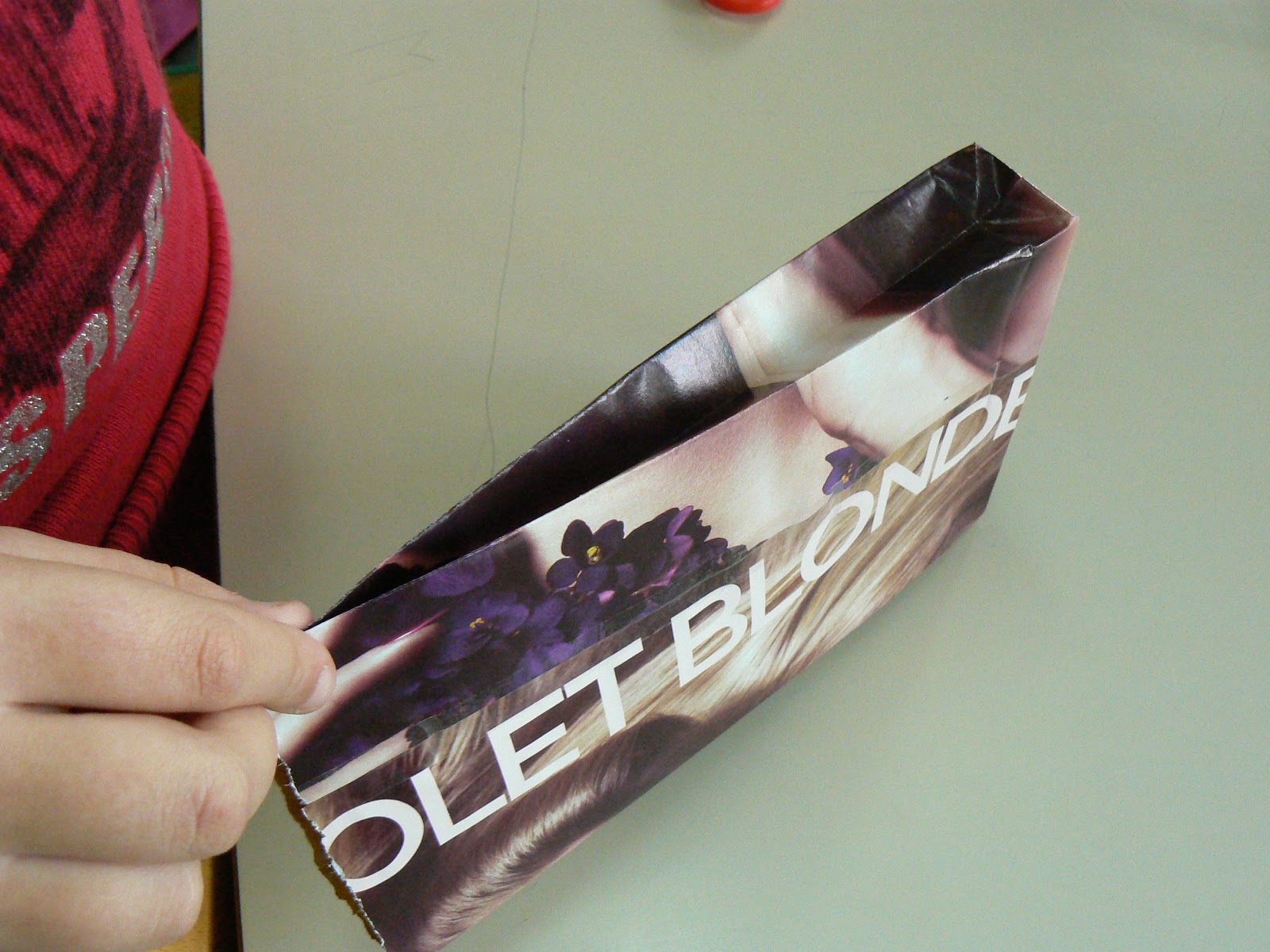
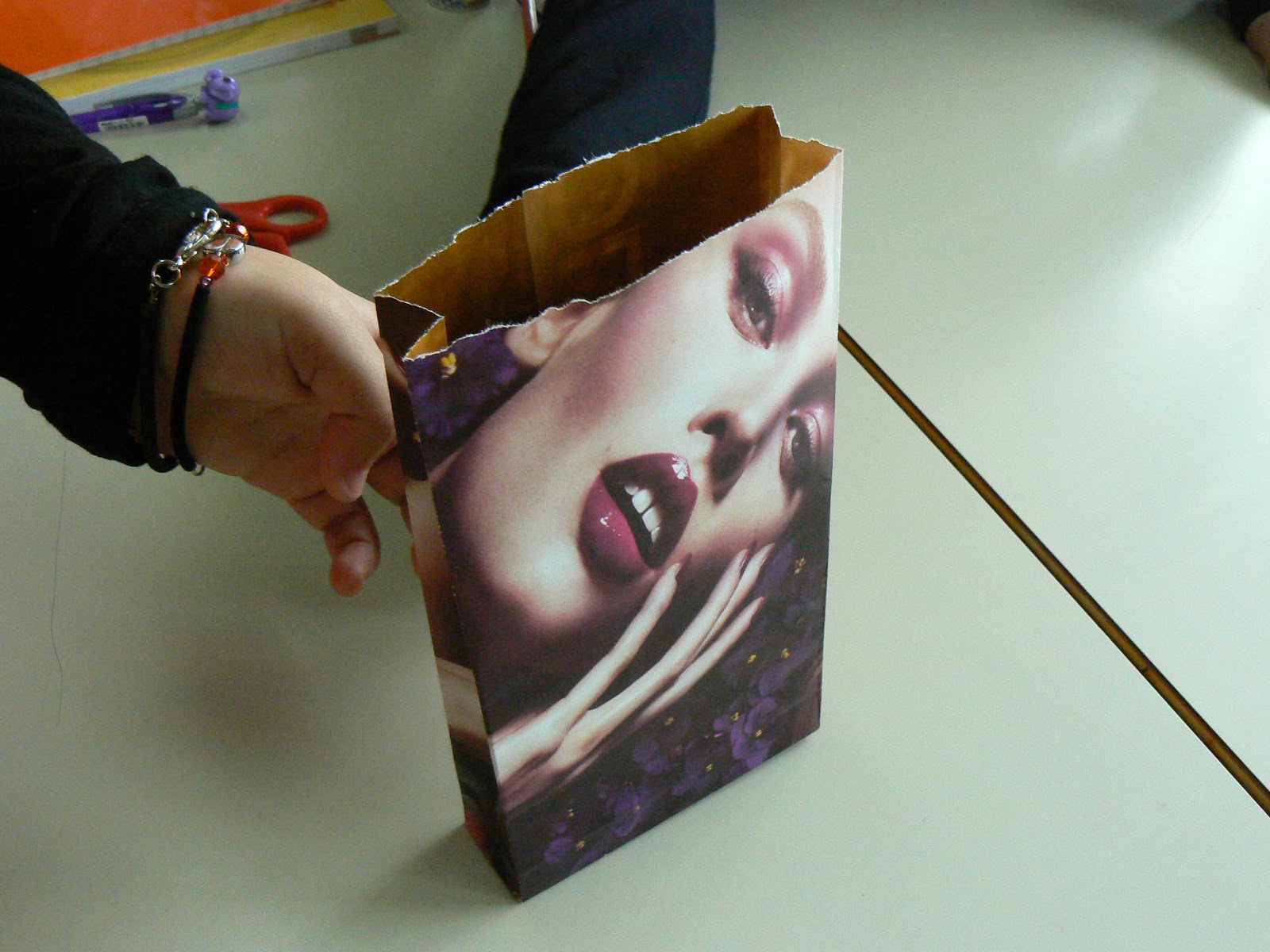
This tutorial was produced with the help of E class students, to demonstrate a way of reusing paper in a new project. Paperbags are very fun to make and they are also practical, as they can be adorned, filled with goodies like candies, pencils or stickers and presented as inexpensive, handmade gifts in kids parties.Here are the instructions on how to make one:1. To make one paperbag, you need: One torn page from a magazine, preferably one you find appealing (the students chose this page for the tutorial), tape and scissors. You can also use brochure or leaflet pages.

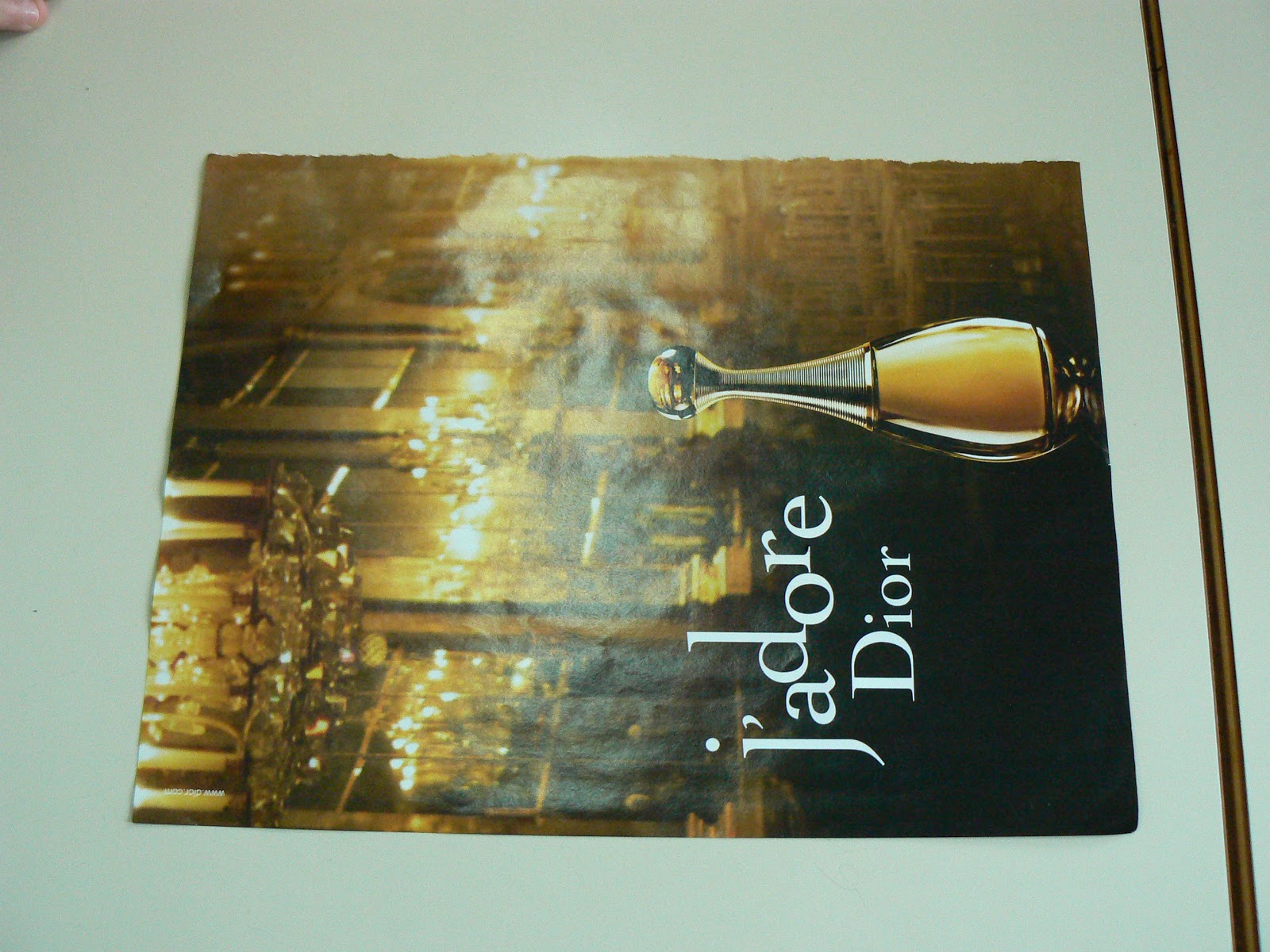
2. Turn your page with its ‘good side’ facing down, onto the desk, and the torn side at the top.

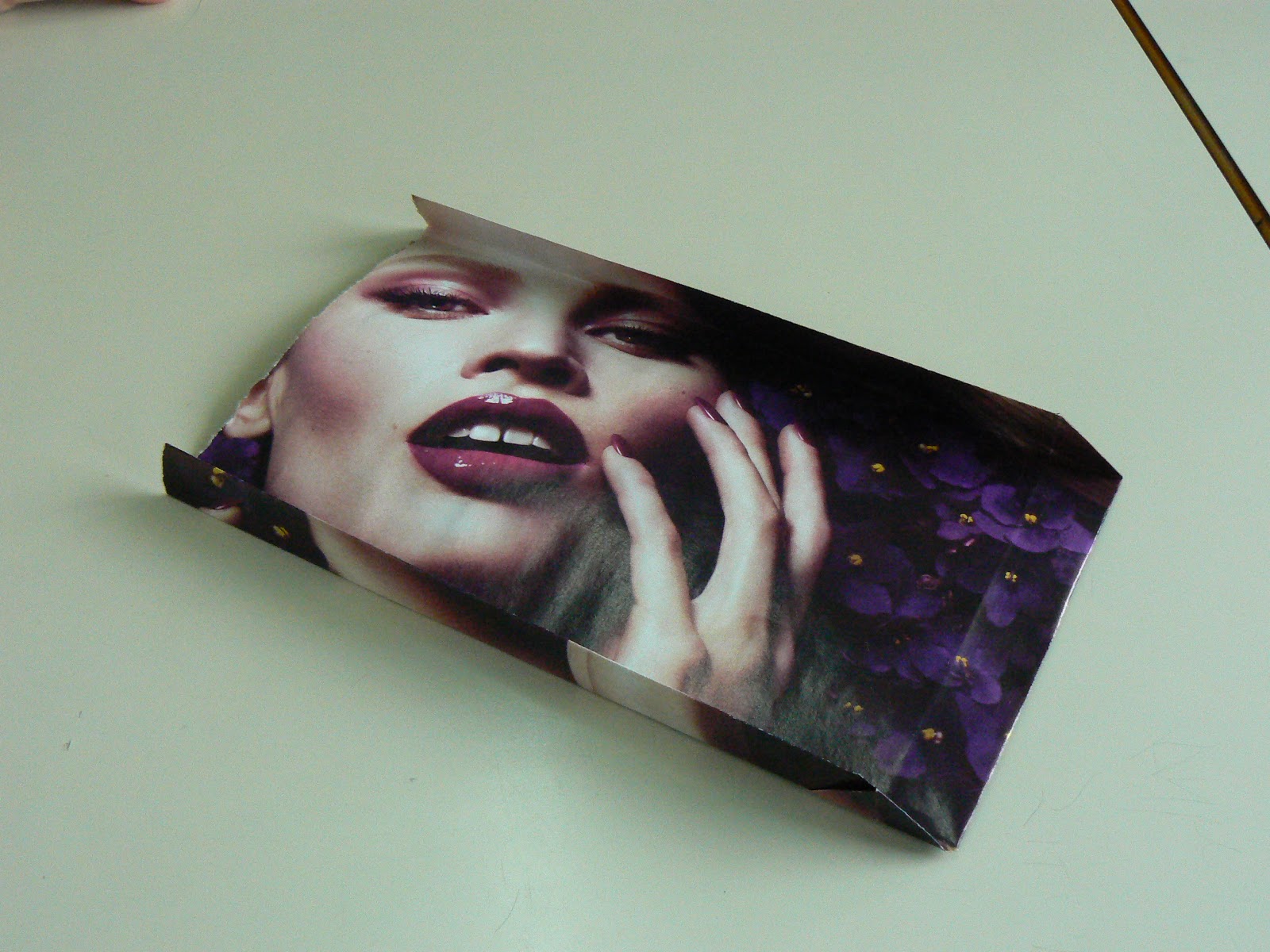
3. Fold your page like this and then tape the edges together.

4. Fold the bottom part.

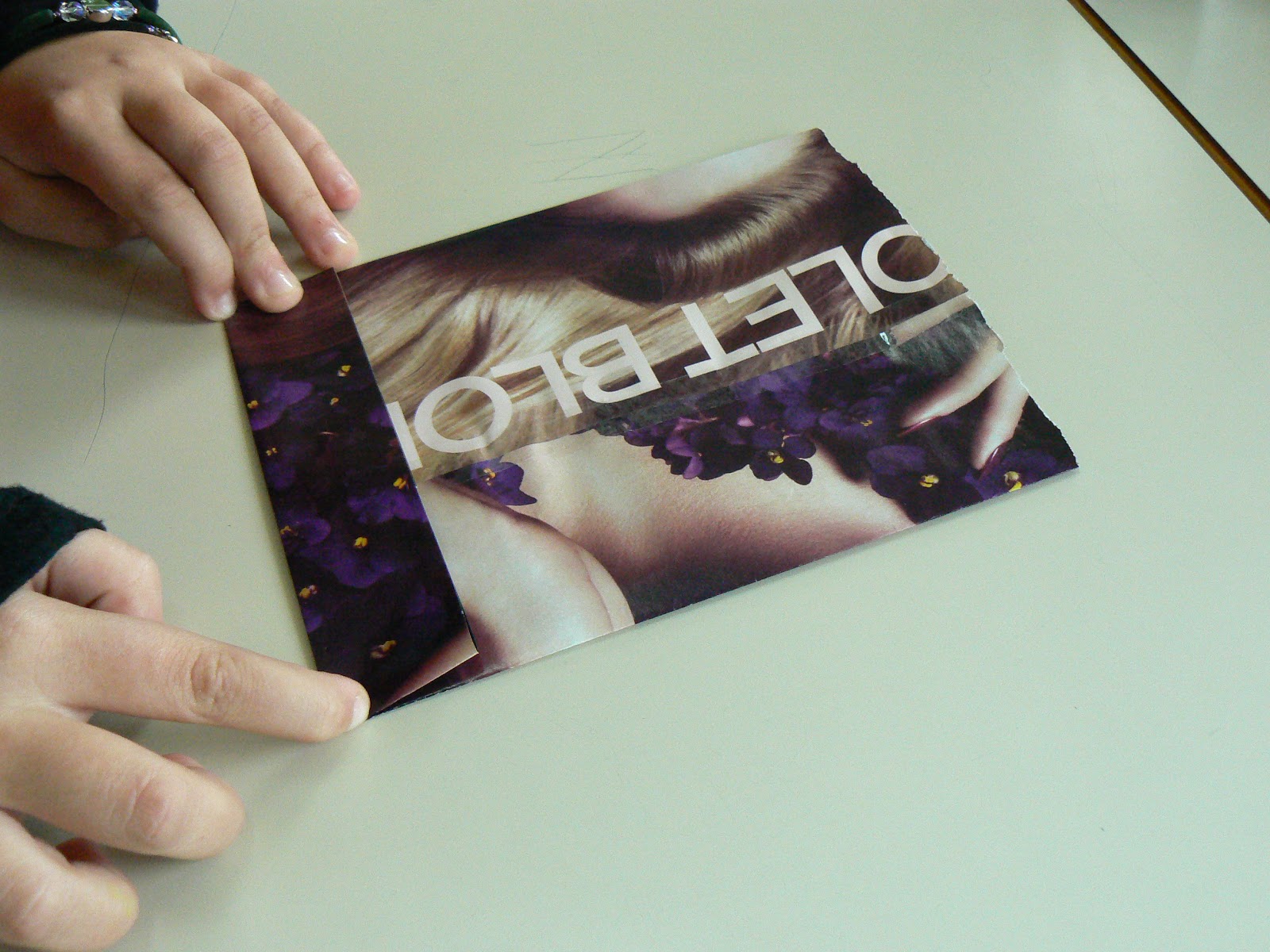
5. Open the folded sides apart and push them down like this.

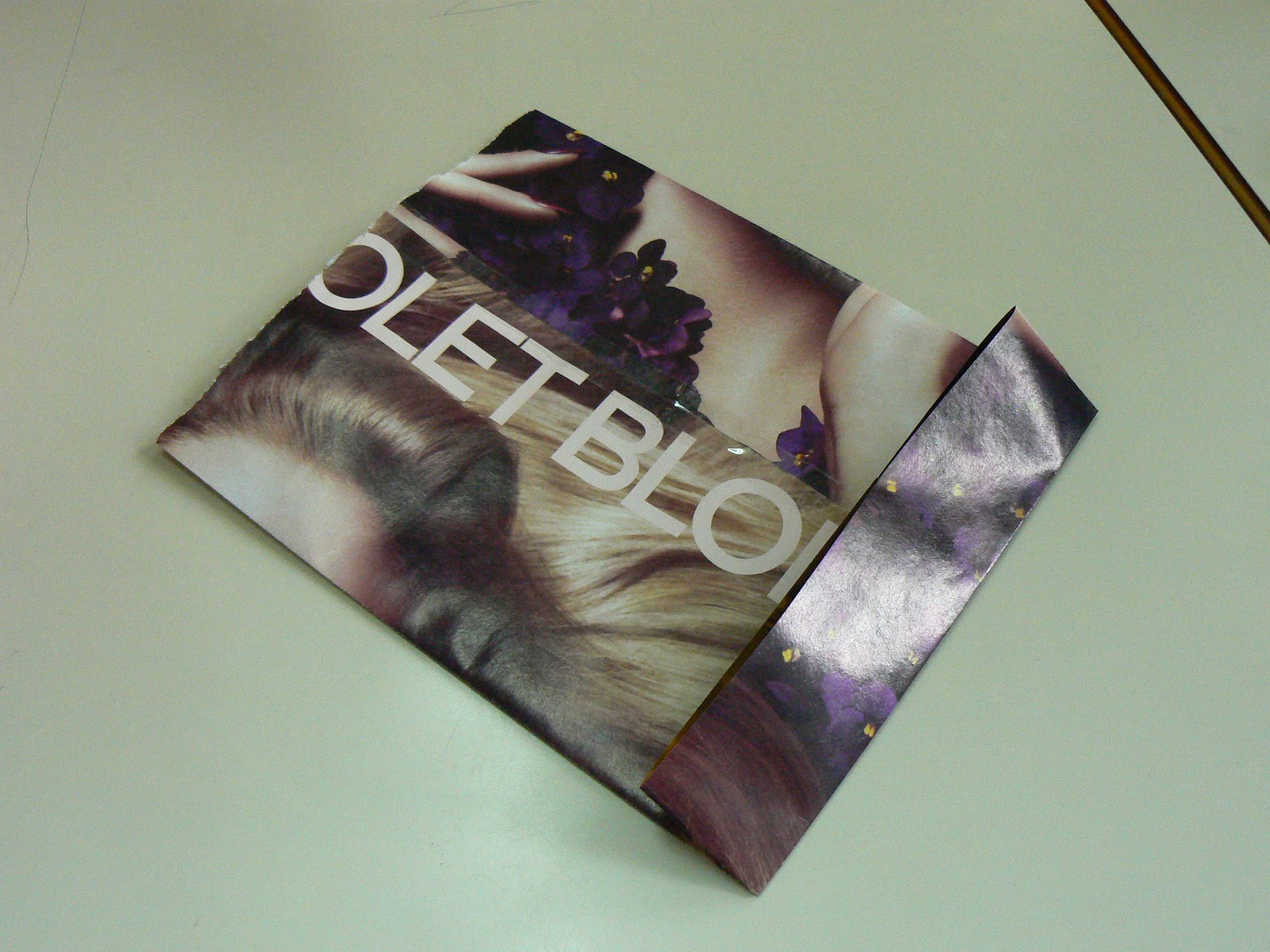
6. Fold each side again, so that they face each other and tape them down.

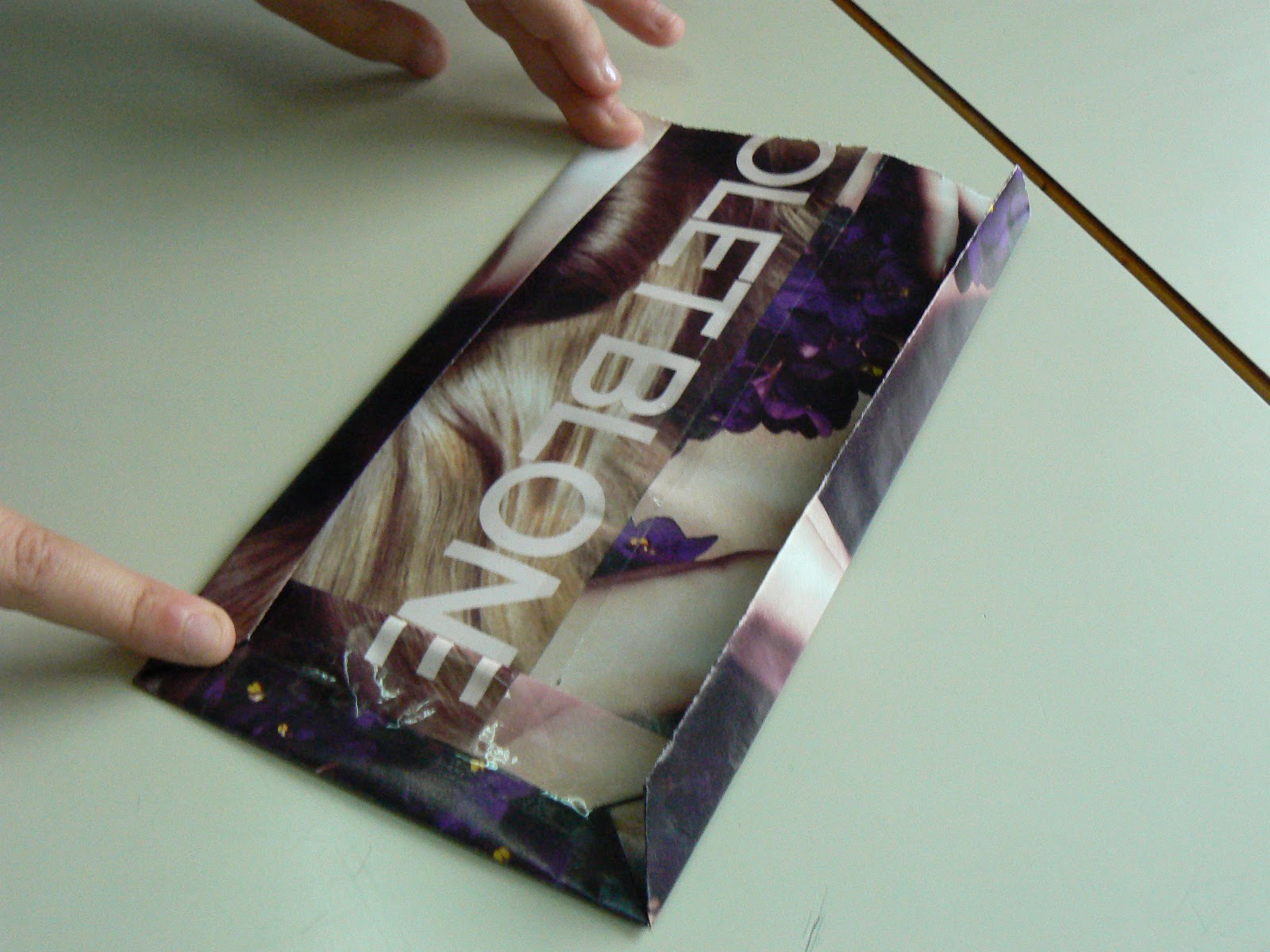
7. Fold the sides like this, then turn your paperbag over and do the same towards the opposite side.

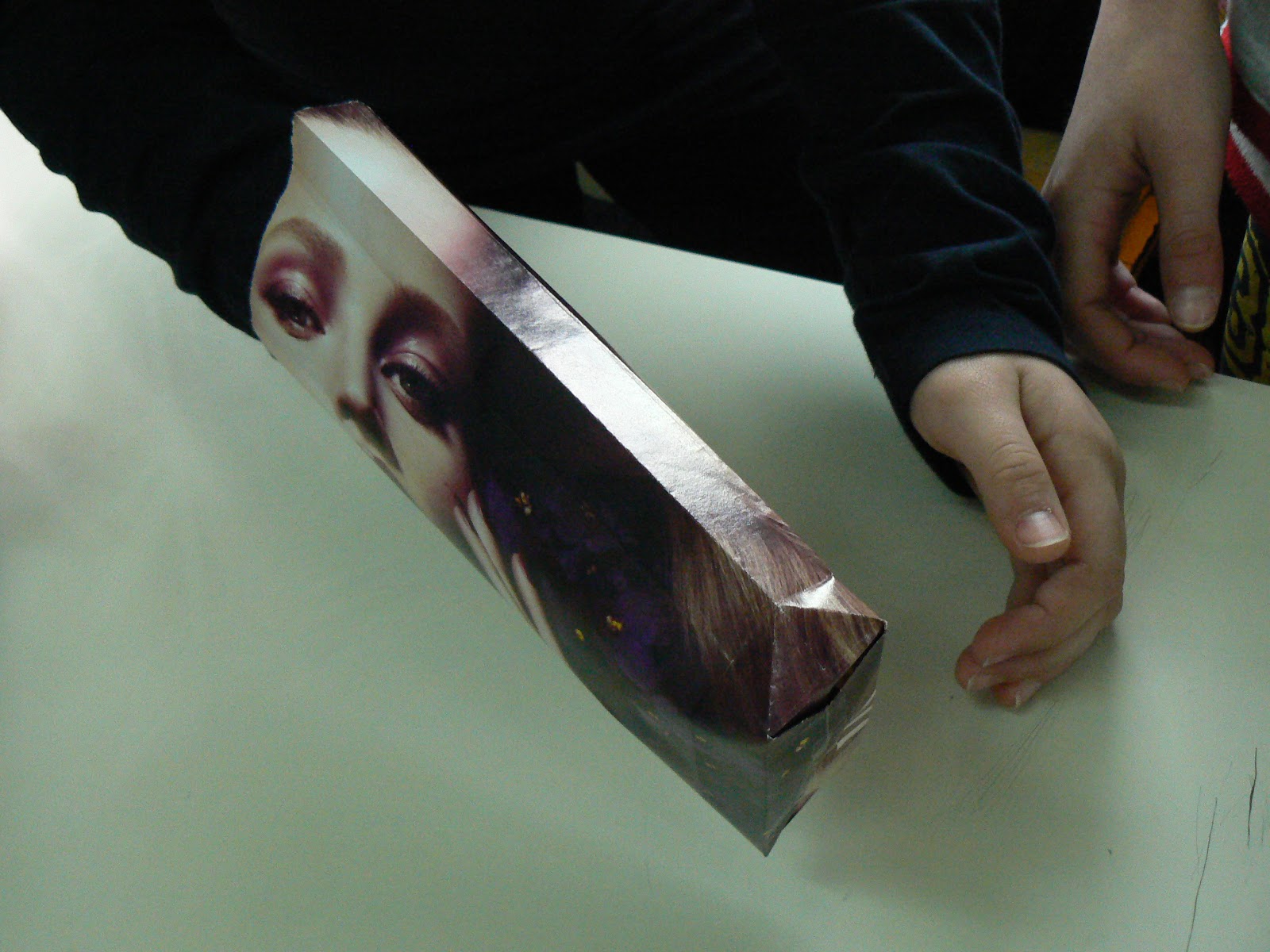
8. Open your paperbag gently and start forming the inside creases.

It’s ready!

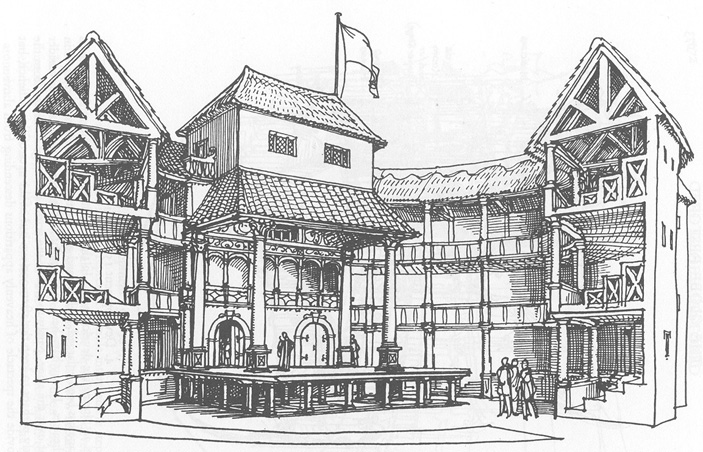
The ancient theatre vs the English Renaissance theatre

Amphitheater3
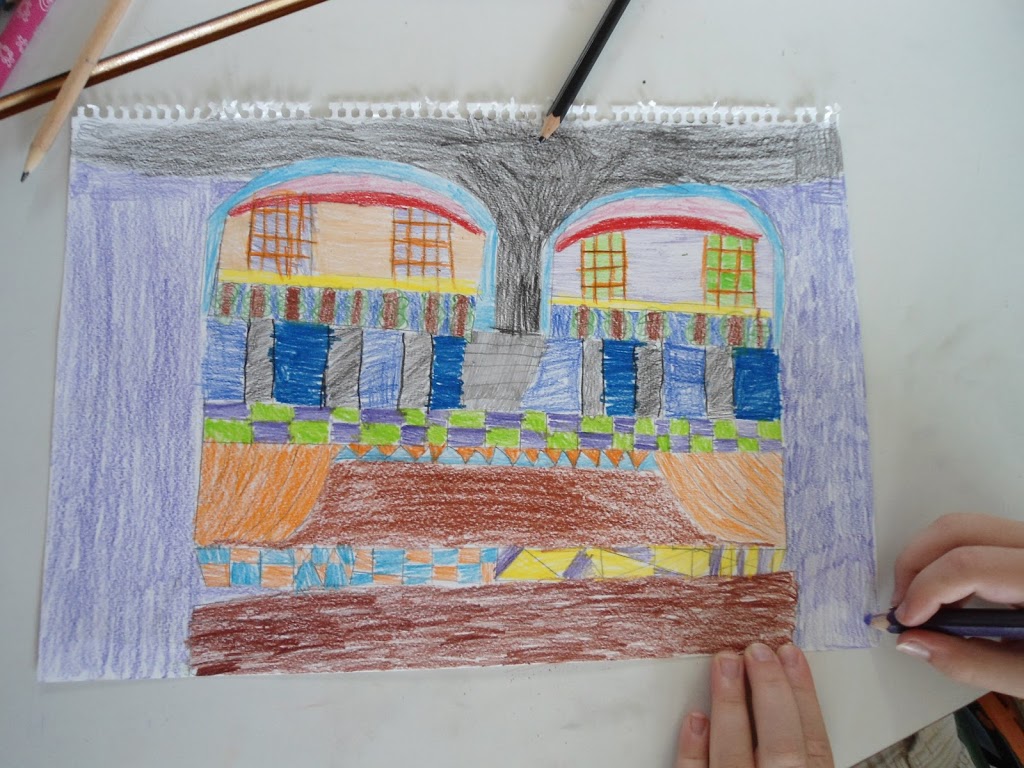
I am so happy that my E class students enjoyed learning about the differences and the similarities of the ancient theatre and the English Renaissance theatre. After completing a series of lessons that I designed especially for them, where the aim was to give them new vocabulary and help them practise the Simple Past, they were able to produce the following sentences.
The Ancient Theatre

  • The acoustics was very good
  • The orchestra was circular
  • They were all actors
  • The seats were made out of stone or marble
  • It had paraskenia behind the scene
  • Behind the paraskenia there were two parodoi
  • The koilon was semi-cicular and it was amphitheatrical
  • The actors wore always masks

The English Renaissance theatre

  • It had balconies
  • It had wooden seats
  • The stage was above the ground
  • It was open, but the balconies had a roof
  • It was circular
  • The acoustics was bad
  • The actors spoke loudly and made gestures
  • The actors were all male


I also enjoyed this series of lessons very much! Especially the part where I prepared a presentation and a short video from the film Shakespeare in Love to show them.