JOKES – English School Paper, April 2011 Issue

JOKES
by Hryssa Papalexopoulou

What did John say when he saw four elephants walking down the hill?
“Are elephants coming?”
And what did John say when he saw four elephants with black sunglasses walking down the hill?
Nothing. He didn’t recognize them!

———————-

Teacher: Tell us, Helen, where does God live?
Helen: I think in the bathroom, Miss.
Teacher: And why are you saying that?
Helen: Because every morning my dad is behind the bathroom door and he says: “God, will you ever get out?”

———————-

Two men were gambling in a salon. One of them stood up and he started screaming:
– I won, I won!
– What do you have?, the second man asked.
– Four aces.
– I think that you don’t….
– Why, what do you have?
– Two nines and one gun!!!

EXCHANGING CARNIVAL CUSTOMS

Since the beginning of this school year, the learners of the Primary School of Pteleos have been exchanging national traditions and customs with learners that come from other European countries. Recently, we exchanged presentations of our national carnival customs. Our 5th grade learners wrote related articles for their English school newspaper “Our World” and sent them to the cooperating European Primary Schools (eLearning Centre, Floriana, Malta, Karacaoğlan İ.Ö.O / Primary School, Adana, Turkey, Scoala gen. nr. 2 Codlea, Codlea, Romania, St. Clare College, San Gwann Primary A, San Gwann, Malta, TEVFİK YARAMANOĞLU İLKÖĞRETİM OKULU, MERKEZ, Turkey, Samanyolu Ilköğretim Okulu , Ankara, Turkey and the Primary School of Politika, Evia, Greece). The learners’ articles have been accompanied with the following presentations, both in English and Greek:

ΑΓΓΛΙΚΗ ΣΧΟΛΙΚΗ ΕΦΗΜΕΡΙΔΑ, ΤΕΥΧΟΣ 2

Από την έναρξη της φετινής σχολικής χρονιάς, το Δημοτικό Σχολείο Πτελεού εντάχθηκε στο πρόγραμμα ηλεκτρονικής αδελφοποίησης Ευρωπαϊκών σχολείων eTwinning. Υποβάλλοντας το σχεδιασμό ενός project με την ονομασία “I’ve got news for you”, καλέσαμε άλλα Ευρωπαϊκά σχολεία που εκδίδουν σχολικές εφημερίδες στα αγγλικά σε μια ανταλλαγή εφημερίδων, με σκοπό να προσομοιάσουμε τη συγγραφή κειμένων όπως αυτή συντελείται στην πραγματικότητα, με στόχο, αλλά και συγκεκριμένο αναγνωστικό κοινό. Στην προσπάθεια αυτή συμμετέχουν οι μαθητές και μαθήτριες των Δ’, Ε’ και Στ’ Τάξεων του Σχολείου μας.

Η πρώτη ανταλλαγή σχολικών εντύπων πραγματοποιήθηκε μέσα στο Δεκέμβριο του 2010, όπου το Δημοτικό Σχολείο Πτελεού συμμετείχε με το πρώτο του τεύχος. Τα συνεργαζόμενα σχολεία που επίσης εκδίδουν σχολικά έντυπα στα αγγλικά είναι τα εξής: St Mary’s Primary Duntocher, Clydebank, Ηνωμένο Βασίλειο, Ulubatlı Hasan İlköğretim Okulu, Kocaeli, Τουρκία, Szkoła Podstawowa nr 1 im. Feliksa Nowowiejskiego w Barczewie, Barczewo, Πολωνία, Samanyolu Ilköğretim Okulu , Ankara, Τουρκία και Öğretmen Mediha Mehmet Tetikol İlköğretim Okulu, Tekirdağ, Τουρκία.

Με πολύ προσπάθεια, όρεξη και μεράκι ετοιμάστηκε και το δεύτερο τεύχος της Αγγλικής σχολικής εφημερίδας μας “Our World”. Μπορείτε να το ‘κατεβάσετε’ εδώ: OUR WORLD – ENGLISH SCHOOL PAPER – 2ND ISSUE – PRIMARY SCHOOL OF PTELEOS

English School Newspaper “Our World”- 2nd Issue

Since the beginning of this school year, the Primary School of Pteleos has been involved in an eTwinning project that includes exchanging English school newspapers with other European Primary Schools ( St Mary’s Primary Duntocher, Clydebank, United Kingdom, Ulubatlı Hasan İlköğretim Okulu, Kocaeli, Turkey, Szkoła Podstawowa nr 1 im. Feliksa Nowowiejskiego w Barczewie, Barczewo, Poland, Samanyolu Ilköğretim Okulu , Ankara, Turkey and Öğretmen Mediha Mehmet Tetikol İlköğretim Okulu, Tekirdağ, Turkey. Our English school paper is called “Our World” (see our first issue here) and our second issue is finally ready! You can download it here: OUR WORLD – ENGLISH SCHOOL PAPER – 2ND ISSUE – PRIMARY SCHOOL OF PTELEOS. Hope you enjoy it!

CARNIVAL IN GREECE – English School Paper, February 2011 Issue

CARNIVAL IN GREECE

Since the beginning of this school year the learners in the Primary School of Pteleos exchange presentations of national customs and traditions with other European Primary Schools. Here is what our 5th graders wrote about the Carnival celebrations in Greece.

CARNIVAL CUSTOMS AROUND GREECE
by Kosmas Gourgiotis

Naoussa. In Naoussa, every year people celebrate the custom of “Yenitsari” and “Boules” which has its roots since when Greece was under Turkish occupation. Yenitsaroi are men dressed in traditional Greek costumes and Boules are also men dressed-up as women. They all wear masks.

Halkidona. In New Halkidona, in Thessaloniki, Greece, people celebrate the Carnival playing yogurt fights. They throw yogurt at each other!

Skiros. In Skiros, people celebrate the custom of “the old man of Korela”. They wear the traditional costume of the sheppard and they hang big bells around their waist.

Naxos. In Naxos, men wear traditional Greek costumes and go around the neighborhoods and sing.

Galaxidi. People in Galaxidi have a strange, but funny carnival custom. On Clean Monday they throw flour and ashes at each other, so they turn white and in a minute they’re all covered in black! It is a very funny tradition and many people visit Galaxidi to participate in this traditional game!

Patra. Patra is one of the famous destinations during the carnival. People in Patras participate in a long carnival parade, dressed up in different costumes. There is also a treasure hunt game!

Clean Monday
by George Papargiris

Clean Monday is a big celebration in Greece. People eat seafood and vegetables. This day in the morning the people go in the countryside or the mountain and they fly a kite. They have a picnic there. Clean Monday is a very good and enjoyable celebration. Children usually have lots of fun!

Clean Monday
by Danae Xiromeriti

Clean Monday is the opening day of the fasting for the Greek Orthodox Church and it means the end of the Carnival. It was named like this because the early Christians used to clean their body and soul on that special day, preparing themselves for the Easter holidays. Fasting lasts 40 days, the same as the days Jesus spent in the desert. On Clean Monday it is common that we eat ‘lagana’, which is a flat loaf of bread, and beans soup without oil. Traditionally, it is the last day of the year we can dress up for the carnival and we go out and fly kites. Clean Monday is celebrated 48 days before Easter. For more information, you can visit: http://en.wikipedia.org/wiki/Clean_Monday

GAΪTANAKI
by Valentina Velikova

Gaitanaki is a traditional Greek dance that we dance during the carnival. It is a colourful and funny dance!

We need 13 people for this dance! One person is holding a wooden pole with 12 ribbons hanging from its top. The ribbons have different colours and every person is holding a ribbon.

When the music begins, the dancers move towards the pole, go under the other dancer’s ribbon, move far from the pole and then towards the pole again! A colourful braid is created on the pole when the dance finishes.

This dance is a symbol of the circle of life. We move from happiness to sadness, from winter to spring, from life to death and the opposite!

A CARNIVAL GAME
by Danae Xiromeriti, Helen Kaltsouni and Helen Alamanioti

During the carnival Greek people organize many games for children to play. Sometimes they win and sometimes they lose! Sometimes they dress up, and sometimes they don’t!

Valmas was a game that was played in the village of Penia. There were two teams and each one was tied on each side of the rope. The winner was the team that dragged the other team towards its side. It was a special game because after the game they had funny dialogues, like a play.

CARNIVAL IN PTELEOS

People celebrate the carnival all around Greece. In our village, the carnival celebrations take place on the last Sunday of the carnival period, just before Clean Monday. This year, we celebrated the carnival in the central square of our village on March 6th.

The celebration this year was great! The local choir sang beautiful traditional songs. Our school participated in the celebrations, too! Our PE teacher, Mrs. Despina Founta, taught us the traditional dances. We danced the traditional ‘Gaitanaki’ and the ‘Pepper’ song, which was a lot of fun. We also danced some other Greek traditional songs.

A great party followed our presentation of the dances and in the end we burnt the king of the carnival in a big fire that people lit in the central square.

A SCHOOL TRIP TO THE NEWSPAPER ‘THESSALIA’ – English School Paper, February 2011 Issue

A SCHOOL TRIP TO THE NEWSPAPER ‘THESSALIA’
by Bill Tsouvalias, Natassa Hassioti and Marilena Louska (6th grade)

On December 9th, 2010, we visited the printing house of the local newspaper “Thessalia”. We had the opportunity to see how they print a newspaper and discover some new information.

We had prepared questionnaires and our guide, Ms Hrapalou, answered all our questions. First of all, she said to us that “Thessalia” has been circulating since 1898, but she could not inform us about the number of copies that they sell every day. Secondly, she told us that there are about 30 reporters who work for the newspaper.

Thirdly, she told us that reporters are not the only people needed for a newspaper to be published. There are people who work for the printing of the newspaper, photographers, editors, accountants, the chief editor, the manager, a person who is responsible for the newspaper circulation and the drivers who deliver the copies. Then, we asked her how the reporters know what is new and we found out that they use the internet, the TV and, of course, they go out to see what happens.

In addition, we asked her how they choose the articles which will be in the newspaper. Ms Hrapalou told us that the chief editor is responsible for that. Also, we all wanted to know how much it costs to publish each issue. She did not know the exact cost, but she informed us that they sell the newspaper for 0,50€ only on Mondays and buying the newspaper on one of the rest of the days costs 1,00€.

As our school paper issue takes about two months to be published, we wanted to know how long it takes them to prepare each issue. To our surprise, we discovered that it takes them about 4 hours to prepare an issue! Finally, we asked what kind of problems they face and Ms Hrapalou informed us that one of the biggest and most common problems is when the roll paper is cut in the printing machine during the printing of the newspaper. It is very difficult for them to change it and it takes time.

Ms Hrapalou also showed us old issues of the newspaper and the machines they used to have in the past. Back then it took them a lot of hours to print with these machines!

We really enjoyed this visit to the printing house of the newspaper “Thessalia”. It was fun and we discovered many things. We would like to thank Ms Hrapalou once again for being so nice to us and for explaining everything so well!

ENGLISH BREAKFAST AT SCHOOL – English School Paper, February 2011 Issue

Our 5th grade English coursebook presents in the form of a listening practice task the pancakes, a delicacy that is usually included in the English breakfast. Our learners, triggered by the discussion in the classroom, found information about the English breakfast and wrote articles about it. In addition, having tasted the English breakfast at school, they presented their thoughts and impressions for the English school paper! Finally, they wrote recipes for the pancakes!

English breakfast at school
by John Kalantzis (5th grade)

In February we decided to have an English breakfast at school.

Our English teacher made pancakes and she brought cornflakes and tea. My classmates and I bought milk, honey, chocolate and strawberry syrup.

When we started to eat I felt great. First, we ate cornflakes and after that we ate the pancakes. They smelled fantastic! After that, we drank a cup of tea.

That day I was excited because I think that it was fantastic and I want to do it again one day!

English breakfast at school
by Helen Alamanioti (5th grade)

English breakfast at school is very beautiful, because we eat a lot of different things for breakfast: pancakes, tea, praline, marmalade, milk with corn flakes. It’s a very good breakfast and we like it. And we said thank you, miss and you did a lot of things for us!!! THANK YOU VERY MUCH FOR EVERYTHING!!!

English breakfast at school
by Kosmas Gourgiotis (5th grade)

I liked English breakfast at school. English people have a good breakfast for children. I want to eat again English breakfast, I liked it very much. My friends liked English breakfast, too.

English breakfast at school
by Danae Xiromeriti (5th grade)

Last Wednesday we had English breakfast with our English teacher, Miss Vivi Hamilou. The children brought different things. We were all excited and impatient, because we had never eaten English breakfast before!

The food that we ate was delicious! We ate a lot! We ate pancakes that our English teacher cooked. We ate the pancakes with jam, honey and praline. The children who ate a pancake with praline could not eat another one because they had enough! We drank tea, but some children who didn’t like it drank water.

I think this breakfast was fantastic and delicious and I am going to eat it every morning!

English breakfast
by George Papargiris (5th grade)

In England people eat a very big breakfast. They eat pancakes, milk, eggs, and tea. That’s very good because people work better. Some students did a recearch on the good breakfast. Some kids ate a big breakfast and the other kids drank only milk. Then they wrote a test. The children who ate a big breakfast did very well at the test, but the children that drank only milk did not write very well.

English breakfast
by Helen Kaltsouni (5th grade)

People in England believe – and that’s right – that breakfast must be the main meal of the day, because they all need energy and strength for the rest of the day.

So, they all have a rich breakfast that has cereals with milk, eggs with bacon, sweet pancakes and they drink fresh orange juice and, of course, hot tea! People in England drink a lot of tea in the mornings and in the afternoons.

We should all do the same and we should all have a good breakfast, so we will be able to continue our day and be creative!

Pancakes
by George Papargiris (5th grade)

Ingredients:

Solid ingredients
2 cups of flour
2 tablespoons of baking powder
2 tablespoons of sugar
Some salt
Vanilla

Liquid ingredients
2 cups of buttermilk (or milk)
2 eggs
2 tablespoons of olive oil

Procedure:
Sift the flour and pour all the solid ingredients in a bowl. Then pour the liquid ingredients in a bowl and mix. Pour the solid ingredients in the mix with the liquid ingredients. Mix them and wait for 5minutes. Warm a frying pan for 5 minutes. Pour a little oil or butter in the frying pan. Pour half a cup of the dough in the frying pan. Be careful, the fire must be medium! When you see small bubbles, you must turn around the pancake. Put each cooked pancake one on top of the other and serve with praline, jam or honey!

KARAGIOZIS – English School Paper, February 2011 Issue

KARAGIOZIS
by Evaggelia Zaharaki (6th grade)

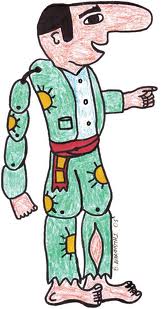
When I was four years old, very small, I used to watch Karagiozis, a shadow puppet of a popular Greek shadow play. This theatre is very funny and I love it very much. They played Karagiozis, Aglaia, uncle-George and other characters whose names I don’t remember! Karagiozis is a lazy, poor man and has got a lot of laziness. His wife is Aglaia, who sometimes asks Karagiozis to do a lot of chores, but he doesn’t do them! He wants to be lazy for life!

TISANE WITH LEMON AND GINGER – English School Paper, February 2011 Issue

TISANE WITH LEMON AND GINGER
by Christina Argiriou (6th grade)

Ingredients:
1 handful of tisane leaves and flowers
1 tablespoon of fresh grated ginger
3 teaspoons of lemon juice
honey
sugar

Preparation:
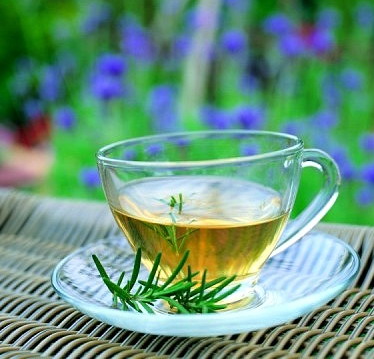
Boil in a pot half a liter of water with tisane and ginger for one minute. Remove them from fire and let them rest for five minutes. Drain in cups and add lemon, honey and sugar.

BOO! – English School Paper, February 2011 Issue

BOO!!!
by Chryssa Papalexopoulou (6th grade)

Our 6th grade English course book presents the story of “The fifty-cent piece” (http://americanfolklore.net/folklore/2010/07/the_fiftycent_piece.html), a strange ghost story that attracted everybody’s attention. Chryssa Papalexopoulou, inspired by the story she read, decided to present some other stories that she has heard or read about!

The fire
At some weekend, a girl invites her friend to the house because her parents had been on a trip. The girls lit some candles and they saw a horror film in the living room. When the film finished, the girls slept together in the bedroom. Late at night, as they were sleeping, the radio turned on and the girls woke up. A voice told them “Girls, hurry up, the living room is on fire” and the radio stopped. The girls could smell smoke and they ran to the living room. The girls had forgotten to blow the candles and the small window curtains were on fire! Fortunately, they managed to put out the fire with some water and they slept again, feeling puzzled about the radio voice…

The watchman
One day, some teens went camping in a place that someone had recommended. When they arrived, they were so tired from the travelling and they slept in no time. At midnight, one of the teens woke up because she heard a noise. Suddenly, two red eyes appeared on one side of the tent! She started screaming and all the others woke up. She told them what had happened and a man who was there told her that a hundred years ago a watchman of the camping had been murdered and some people say that he still watches over the place…

The boy
Last year a girl and her best friend went at the girl’s village. When they arrived, the children from the village told them a horror story. They told them that a young boy fell from the bridge into the river and he died and they said that today, anybody who crosses the bridge, he\she will see the boy screaming for help but when you leave the bridge the boy disappears. The same afternoon the girls went to the bridge to see if it was all true. They started to walk along the bridge when a boy appeared, screaming for help. The girls started running and they stopped at the end of the bridge. When they turned back, the boy had disappeared…

MY VILLAGE – English School Paper, February 2011 Issue

MY VILLAGE
by Vasso Boukorou and Zoe Gerogiakomou (4th grade)

The name of our village is Pteleos. It is in central Greece. It is near the sea.

We have got clean beaches and beautiful shops. An important city near Pteleos is Volos. There are a lot of mountains here. You can eat fresh fish, meat and olives here.

One of our festivals is on August 15th. We celebrate Virgin Mary. In the morning, people go to church and at night they go to the central square and have dinner in taverns. We also have another festival, the Carnival, in February. Children dress up and go to the central square and dance. They also go to a party at a club and they play treasure hunt, they throw confetti, dance and drink soft drinks and hot chocolate.

Many tourists visit Pteleos in the summer. They go to the village of Hamako, the Sea Museum in Achillio, the castle and, of course, the beaches!

THE STORY OF MY AUNT KIKI – English School Paper, February 2011 Issue

The story of my aunt Kiki,
22nd May 1974 – 8th May 2008
by Evaggelia Zaharaki (6th grade)

Kiki was my aunt and she was born on 22nd May, 1974. She was always a good girl in her junior years.

When she was in the 1st class of Primary School, she was playing in the garden, but, one day, when she was playing there, she hit her knee and the ambulance drove her to the hospital. Luckily, this accident wasn’t serious, but she screamed and cried a lot, because it hurt. She didn’t play in the garden for four days, but after a while, she felt well. From then on, she was playing games without having any accidents.

When she was going in Junior High School and Senior High School, she used to walk on mountains and plains. When I was born, Kiki was 24 years old. She loved me very much. She taught me lots of things! Unfortunately, she died on May 8th, 2008.She died when she was 34 years old and I was 10 years old. When she died, I was very sad, because I loved her as much as she did. She had a problem with her heart.

Her life was short but I will always remember her!

STAR SIGNS – English School Paper, February 2011 Issue

STAR SIGNS
by Chryssa Papalexopoulou (6th grade)

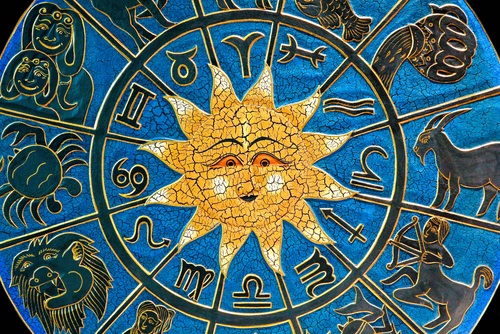
Aries
You are lucky because you have the chance to go shopping and leave the stress.

Taurus
Have fun with your friends and think about nothing else (except school, of course!)

Gemini
Don’t forget your friends. They need you by their side.

Cancer
Be more discreet because your friends trust you and it will be horrible to lose them!

Leo
You have found time for yourself. Change everything on you and make a big surprise.

Virgo
Every morning give everyone a big smile. That will make their day better. Trust me!!!! With this you help them in the best way possible!

Libra
Help the environment. If you help it, something good will happen to you!!!

Scorpio
Unfortunately, you will have a bad week. Be careful and study hard because you might have a test at school.

Sagittarius
You are an incredible person and you make everyone happy. You must know that a big surprise is on its way.

Capricorn
At Christmas you ate a little bit more so you must exercise. Why don’t you take your friends with you for more fun?

Aquarius
You have fantastic clothes but you must go shopping because something will happen and you must shine!!!

Pisces
You are good at school projects but you must not stop trying.

CHRISTMAS IN GREECE, BRITAIN AND RUSSIA – English School Paper, February 2011 Issue

Our 4th graders this term were invited by their course book to compare customs between different countries. Vasso and Zoe decided to present Christmas!

CHRISTMAS IN GREECE, BRITAIN AND RUSSIA
by Zoe Gerogiakomou & Vasso Boukorou (4th grade)

Christmas in Greece is great! We decorate our houses and tree with balls and lights. The children sing carols. We always open our presents on New Year’s Day. At Christmas we have lunch. In the evening we have dinner with all the members of our family.

In Britain, Christmas is a very popular holiday. People there decorate their tree and houses, too. They send cards to their friends and family and children there sing carols, too. At home, children have a stocking and Santa Claus puts presents in it. They always open their presents on Christmas day. They eat roast turkey or beef with fried potatoes and Brussels sprouts. For dessert they usually have Christmas pudding.

Julie Alamanioti, a Russian 6th grade student in our school, says that people in Russia celebrate Christmas every year. They decorate their houses, too. They go to the church and then the whole family comes home to eat homemade food. On New Year’s Eve in the afternoon people there eat homemade salads and other food and they drink wine. Some people go to the church and spend the night there. They put the presents under the Christmas tree and, on New Year’s Day, the children wake up and open their presents.

MY FAVOURITE ACTRESS – English School Paper, February 2011 Issue

MY FAVOURITE ACTRESS
by Helen Kaltsouni (5th grade)

My favourite actress is Laura Natalia Esquivel. She is from Argentina. She plays on the TV series “Patty, the most beautiful story”. We see her every afternoon at 6 o’clock here in Greece.

This series was a big success in many other countries like Argentina and Greece. That’s why she visited Greece just before Christmas and we saw her on TV live. She wanted to thank all her fans for their love. She was very kind.

She is only a girl and she is a good actress, a very good singer and she dances well, too! That’s why I admire her, because she does all these things very well although she has her college and a lot of studying too. She’ll be here, in Greece soon, again for a concert. I would like to go to see her!

CITIES AROUND THE WORLD – English School Paper, February 2011 Issue

CITIES AROUND THE WORLD
by our 5th graders

As part of a course book project, 5th grade learners present different cities in the world!

LONDON
by Helen Kaltsouni

London is the capital of England and the United Kingdom, the largest metropolitan area in the United Kingdom and the largest urban zone in the European Union. London has been a major settlement for two millennia, its history going back to its founding by the Romans who called it Londinium. In London you can find people with different cultures and religions, and more than 300 languages are spoken there. The Greater London Urban Area is the second largest in the E.U. with a population of 8.278.251, while London’s metropolitan area is the largest in the E.U., with total population of between 12 million and 14 million.

In London you can visit the ‘Big Ben”, the Bukckingham Palace, St Paul’s Cathedral, Tower Bridge, St Margaret’s Church, the Tower of London, the Palace of Westminster, Madame Tussaud’s Museum, e.t.c. Also, London is home to numerous museums, galleries, libraries, sporting events and 40 theaters. London’s Chinatown is the largest in Europe. The London Underground network is the oldest underground railway network in the world and the most extensive after the Shanghai Metro. For more information, you can visit: http://en.wikipedia.org/wiki/London

LARISSA
by George Papargiris

Larissa is a big Greek city. Today 124.367 people live there. Larissa is next to a big river. Its name is Pinios. The river is 185 kilometers long. Larissa has got a big plain. People can grow a lot of things. Larissa has got a lot of beautiful things. You must visit it!

ISTANBUL (Turkey)
by Danae Xiromeriti

Istanbul is the largest city and port of Turkey. It is the cultural, economic and industrial centre of the country. The population of Istanbul is about 13 million people and it was the capital of Turkey until 1923. Istanbul is named after its founder Constantine, the Great. This city is a historical treasure that will impress and charm you.

Everywhere around Istanbul there are a lot of monuments indicating its history. The most famous is the church of St Sofia, the archaeological museum located in the region Eminonu, between the park Gulhave and the palace of Topkapi. Other famous attractions are the museum of carpets and rugs and the art museum. For more information, you can visit: http://en.wikipedia.org/wiki/Istanbul

ROUSSE, MY HOMETOWN
by Valentina Velikova

I come from Rousse, in Bulgaria. It is a city which has a population of 165.285 people. It is in the northeastern part of the country.

Many tourists visit Rousse and it is called “little Vienna”. Tourists usually visit the Monument of Liberty , which was made by an Italian sculptor, Aleksandrovska street, which is the main streets of the city and it is full of shops and Rousse Historical museum which was built in 1904 and people can see 140.000 items in it (clothes, china, glass and silver items).

Now, I live in a Greek village, so I miss my hometown very very much it is a beautiful city with wonderful places to visit.

LOS ANGELES
by John Kalantzis

Los Angeles is the biggest city in California State in the USA (United States of America). It has a population of about 3.000.000 people, but with the suburbs the population is 6.000.000 people. It is the biggest city of the USA with the biggest extension.

Los Angeles was made by the Spanish Phillip de Neve in 1781. It was a Mexican city, but in 1835 it was added in the USA.

Los Angeles has got lots of sights, like its city hall with the 32 floors, the temple of ‘Romaeocatholics’, the temple of ‘Mormonon’, Griffith’s park, Disneyland, the state of Hollywood, the state of Beverly Hills where the stars of the cinema live.

Los Angeles is a very big and a great city too!!!

A THANK YOU NOTE – English School Paper, February 2011 Issue

A THANK YOU NOTE

The Head Teacher, the teachers and mainly the learners of the Primary School of Pteleos would like to thank Mr. Anastasios Goudis for the donation of an English encyclopedia, two dictionaries and a book to our school. We would like him to know that we are really grateful for this unexpected and so valuable present! The learners of our school already use the encyclopedias in order to find information for their newspaper articles! These are some of the ‘Thank You’ cards we sent to Mr. Goudis:

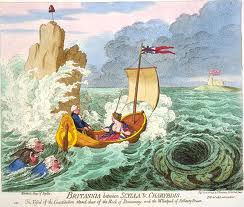
SCYLLA AND CHARYBDIS by Bill Tsouvalias – English School Paper, February 2011 Issue

Scylla and Charybdis
by Bill Tsouvalias (6th grade)


They are two mythical Sea creatures who live in two opposite cages in the Sicily straits of Gibraltar. Scylla is a monster with six heads. She eats big fish and people who travel with their boats near her cage. So, she managed to eat Odysseus’ companions. Charybdis looks like a mermaid, meaning that she is half a woman and half a fish. She lives opposite Scylla and she sips water of the sea with everything in it.

JOKES by Chryssa Papalexopoulou – English School Paper, February 2011 Issue

JOKES
by Chryssa Papalexopoulou (6th grade)

When one of your shoes has a hole and the other one has two, what time is it?
It’ time to buy new shoes!

**********************************************************************

One woman was coking eggs when her husband came home. When he went to the kitchen he started to speak:
– Watch out! Put some oil! Oh my God, turn the frying pan, the eggs will burn! No, not like this, honey! You shake it very fast. Oooh, you will destroy it! Now you must put salt. Don’t forget it! No, it’s too much! Are you crazy? Oooh, can you tell me where your mind is?
Then she looked at him and told him:
– Do you think that I can’t even cook two eggs?
He smiled at her and he told her:
– No, honey, but I wanted to give you an idea about how I feel when I drive and you are by my side!

************************************************************************

Totos asked his dad:
– Dad, do you know where is Spain?
– No. Ask your mum, she cleaned up the house this morning!

ΕΥΧΑΡΙΣΤΗΡΙΟ ΜΗΝΥΜΑ

Η διευθύντρια, το εκπαιδευτικό προσωπικό και οι μαθητές και μαθήτριες του Δημοτικού Σχολείου Πτελεού ευχαριστούμε θερμά τον κ. Αναστάσιο Γκουντή για τη δωρεά στο σχολείο μας αγγλικής εγκυκλοπαίδειας, δύο αγγλικών λεξικών και ενός βιβλίου στην αγγλική. Οι μαθητές των τριών τελευταίων τάξεων του σχολείου μας ήδη δανείζονται και χρησιμοποιούν τις παρεχόμενες πληροφορίες για τη συγγραφή των άρθρων τους για την αγγλική σχολική εφημερίδα.
ΟΙ ΕΚΠΑΙΔΕΥΤΙΚΟΙ ΚΑΙ ΟΙ ΜΑΘΗΤΕΣ ΤΟΥ ΔΗΜ. ΣΧΟΛΕΙΟΥ ΠΤΕΛΕΟΥ

Exchanging Christmas traditions and Customs with European Primary Schools

Since the beginning of this school year, the learners of the Primary School of Pteleos have been exchanging national traditions and customs with learners that come from other European countries. Our first exchange involved learners in preparing presentations of our Christmas customs.

Greek Christmas Customs and Traditions

-ΕΛΛΗΝΙΚΑ ΧΡΙΣΤΟΥΓΕΝΝΙΑΤΙΚΑ ΕΘΙΜΑ-

Σχόλια για την Αγγλική Σχολική Εφημερίδα

Οι συγγραφείς του βιβλίου των Αγγλικών της Στ’ Τάξης του Δημοτικού (κ.κ. Ελένη Εφραιμίδου, Φιλίτσα Φρουζάκη και Ελένη Ζώη – Ρέππα, διαχειρίζονται ένα πολύ ενδιαφέρον ιστολόγιο ( @E.F.E. Team )
που σχετίζεται με τη διδασκαλία του συγκεκριμένου βιβλίου και δίνουν πολύτιμες συμβουλές, ιδέες και προτάσεις για τους ενδιαφερόμενους εκπαιδευτικούς των Αγγλικών. Έχοντας διαβάσει το πρώτο τεύχος της σχολικής μας εφημερίδας ‘OUR WORLD’, είχαν την ευγένεια να σχολιάσουν με πολύ θετικά και ενθαρρυντικά σχόλια την όλη μας προσπάθεια:

Δεν μπορούμε παρά να χαιρόμαστε όταν εντοπίζουμε εξαιρετικές δουλειές, που γίνονται από συναδέλφους καθηγητές / καθηγήτριες Αγγλικών και μαθητές / μαθήτριες στα Δημοτικά Σχολεία, και να τις προβάλλουμε, ώστε να αποτελούν πηγή έμπνευσης για όλους μας.

Αυτή τη φορά το μήνυμα ήρθε από τη συνάδελφο Kα Βιβή Χαμηλού που με τα παιδιά της, μαθητές και μαθήτριες του Δημοτικού Σχολείου Πτελεού Μαγνησίας, ανάμεσα στις πολλές άλλες δραστηριότητές τους (δείτε το ιστολόγιο του σχολείου και το προσωπικό ιστολόγιο της συναδέλφου) έγραψαν και διακίνησαν τη σχολική εφημερίδα ‘OUR WORLD’ στα Αγγλικά. Δείτε το 1ο φύλλο της.

Τα Συγχαρητήριά μας! Ευχόμαστε να συνεχίσετε με την ίδια δύναμη.

Ευχαριστούμε θερμά για τα τόσο καλά και ενθαρρυντικά σας σχόλια και ελπίζουμε να σας αρέσει και το επόμενο τεύχος μας που σύντομα θα ‘ανέβει’ στο ιστολόγιό μας!

About our School Paper

@E.F.E. Team is the name of a blog that is related to the English materials Greek public schools use in the 6th grade and the writers of this blog are the actual writers of the coursebook itself (E.F.E. actually stands for Eleni Efremidou, Filitsa Frouzaki and Eleni-Zoe Reppa, that is the first letter of the first name of every writer)! There is plenty of information regarding the 6th grade English materials, suggestions and resources for teachers (lesson plans, tests, etc), interesting links and articles.

They were kind enough to post some positive and encouraging comments on our English school paper:

Δεν μπορούμε παρά να χαιρόμαστε όταν εντοπίζουμε εξαιρετικές δουλειές, που γίνονται από συναδέλφους καθηγητές / καθηγήτριες Αγγλικών και μαθητές / μαθήτριες στα Δημοτικά Σχολεία, και να τις προβάλλουμε, ώστε να αποτελούν πηγή έμπνευσης για όλους μας.

Αυτή τη φορά το μήνυμα ήρθε από τη συνάδελφο Kα Βιβή Χαμηλού που με τα παιδιά της, μαθητές και μαθήτριες του Δημοτικού Σχολείου Πτελεού Μαγνησίας, ανάμεσα στις πολλές άλλες δραστηριότητές τους (δείτε το ιστολόγιο του σχολείου και το προσωπικό ιστολόγιο της συναδέλφου) έγραψαν και διακίνησαν τη σχολική εφημερίδα ‘OUR WORLD’ στα Αγγλικά. Δείτε το 1ο φύλλο της.

Τα Συγχαρητήριά μας! Ευχόμαστε να συνεχίσετε με την ίδια δύναμη.

We would like to thank you for these kind and so encouraging comments on our first issue and we hope you enjoy our second issue which will soon be uploaded!!!

ΑΝΤΑΛΛΑΓΗ ΠΑΡΑΔΟΣΙΑΚΩΝ ΧΟΡΩΝ ΚΑΙ ΕΘΙΜΩΝ ΜΕ ΕΥΡΩΠΑΪΚΑ ΔΗΜΟΤΙΚΑ ΣΧΟΛΕΙΑ

ΑΝΤΑΛΛΑΓΗ ΠΑΡΑΔΟΣΙΑΚΩΝ ΧΟΡΩΝ ΚΑΙ ΕΘΙΜΩΝ ΜΕ ΕΥΡΩΠΑΪΚΑ ΔΗΜΟΤΙΚΑ ΣΧΟΛΕΙΑ

ΔΗΜΟΤΙΚΟ ΣΧΟΛΕΙΟ ΠΤΕΛΕΟΥ

Από την αρχή της φετινής σχολικής χρονιάς, το Δημοτικό Σχολείο Πτελεού προχώρησε στην ηλεκτρονική αδελφοποίηση με άλλα σχολεία της Ευρώπης μέσω του Ευρωπαϊκού προγράμματος eTwinning, υποβάλλοντας ένα project με την ονομασία “Dancing our Way Through Tradition”. Η εργασία αυτή προωθεί την ανταλλαγή βίντεο μεταξύ των συνεργαζόμενων σχολείων, τα οποία προβάλλουν τους μαθητές να χορεύουν παραδοσιακούς χορούς της χώρας τους, αλλά και την ανταλλαγή παρουσιάσεων / περιγραφών εθνικών παραδόσεων και εθίμων.

Οι πρωταρχικοί στόχοι του συγκεκριμένου project είναι να εξοικειωθούν οι μαθητές με τις παραδόσεις και τα έθιμα άλλων χωρών, να αισθανθούν ως πολίτες του κόσμου, να συνειδητοποιήσουν την ευρεία χρήση της αγγλικής γλώσσας παγκοσμίως, αλλά και να μάθουν παραδοσιακούς χορούς έχοντας μεγαλύτερο κίνητρο και επιθυμία!  Οι δευτερεύοντες στόχοι του προγράμματος περιλαμβάνουν την βελτίωση της παραγωγής γραπτού λόγου στα αγγλικά, την προώθηση της συνεργατικής μάθησης και την εξοικείωση με την τεχνολογία και λογισμικά επεξεργαστών κειμένου και δημιουργίας παρουσιάσεων. Με την ολοκλήρωση αυτού του προγράμματος, φιλοδοξούμε να εξοικειώσουμε τους μαθητές με τη διαφορετικότητα, προωθώντας την ανεκτικότητα και το σεβασμό απέναντι σε διαφορετικούς τρόπους ζωής.

Με την έγκριση αυτού του προγράμματος, τα ενδιαφερόμενα, και συνεργαζόμενα πια σχολεία, είναι τα ακόλουθα: eLearning Centre, Floriana, Μάλτα, Karacaoğlan İ.Ö.O / Primary School, Adana, Τουρκία, Scoala gen. nr. 2 Codlea, Codlea, Ρουμανία, St. Clare College, San Gwann Primary A, San Gwann, Μάλτα, TEVFİK YARAMANOĞLU İLKÖĞRETİM OKULU, MERKEZ, Τουρκία, Samanyolu Ilköğretim Okulu , Ankara, Τουρκία και το 6/θέσιο Δημοτικό Σχολείο Πολιτικών, Πολιτικά Δήμος Μεσσαπίων Εύβοια, Ελλάδα.

Η πρώτη ανταλλαγή βίντεο και εθίμων πραγματοποιήθηκε πριν το κλείσιμο των διακοπών των Χριστουγέννων και οι μαθητές του Δημοτικού Σχολείου Πτελεού περιέγραψαν τα Ελληνικά έθιμα των Χριστουγέννων και της Πρωτοχρονιάς στα ελληνικά και τα αγγλικά, ενώ έστειλαν βίντεο με τους ίδιους να τραγουδούν τα κάλαντα και άλλα χριστουγεννιάτικα τραγούδια! Οι τάξεις που συμμετέχουν είναι η Δ’, Ε’ και ΣΤ’ και οι εκπαιδευτικοί του Δημοτικού Σχολείου Πτελεού που συντόνισαν την πρώτη ανταλλαγή είναι οι: Δέσποινα Φούντα (Καθηγήτρια Φυσικής Αγωγής), Μαρία Σουλτάνη (Καθηγήτρια Μουσικής) και Παρασκευή Χαμηλού (Καθηγήτρια Αγγλικών).

Exchange of Traditional Dances and National Customs Among European Primary Schools

Primary School of Pteleos

Upon the beginning of the current school year, the Primary School of Pteleos, Greece, participates in the European programme ‘eTwinning’ which promotes the collaboration of European schools with common pedagogical and educational objectives. The project we submitted this year bears the title “Dancing our Way Through Tradition” and it involves learners in the exchange of national customs and traditions among participating European Primary Schools. The vehicle for each exchange will be a video-recorded traditional dance of each partner, accompanied with the presentation of a selected custom or tradition.

The primary objectives of this endeavour are:  a) to raise awareness of learners’ own and others’ customs and tradition, b) to develop global understanding, c) to realize the emergence of English as an international language, and d) to motivate leasrners to learn national traditional dances. The secondary objectives are: a) to develop learners’ writing skills in English, b) to promote collaborative learning, c) to introduce the use of technology in learning (video, email, search engine, word processor, PowerPoint presentation, etc). “Dancing Our Way Through Tradition” aspires primarily to develop the learners’ awareness of the traditions of other countries. This way, they may become more tolerant with different cultures and more sensitive to different lifestyles, and generally more respectful of the diversity of cultures.

Once submitted, the programme has been approved by the National Committee and the Primary Schools involved are the following: eLearning Centre, Floriana, Malta, Karacaoğlan İ.Ö.O / Primary School, Adana, Turkey, Scoala gen. nr. 2 Codlea, Codlea, Romania, St. Clare College, San Gwann Primary A, San Gwann, Malta, TEVFİK YARAMANOĞLU İLKÖĞRETİM OKULU, MERKEZ, Turkey, Samanyolu Ilköğretim Okulu , Ankara, Turkey and the Primary School of Politika, Evia, Greece.

The first exchange among the participating schools has been accomplished prior to the closing of schools for the Christmas Holidays and it involved the learners of the Primary School of Pteleos in the creation of a video with Greek Christmas carols and songs and a presentation of the Greek Christmas and New Year’s customs. The learners taking part in this project are those of the 4th, 5th and 6th grade and the teachers who coordinated and collaborated for this first exchange are the following: Despina Founda (Physical Education Teacher), Maria Soultani (Music Teacher) and Paraskevi Hamilou (English Teacher).
ΣΧΟΛΙΚΗ ΕΦΗΜΕΡΙΔΑ ΣΤΑ ΑΓΓΛΙΚΑ

ΣΧΟΛΙΚΗ ΕΦΗΜΕΡΙΔΑ ΣΤΑ ΑΓΓΛΙΚΑ

Τις περισσότερες φορές, η ανάθεση γραπτών εργασιών στο σπίτι προκαλεί τη δυσανασχέτηση των μαθητών και αυξάνει το άγχος τους να ανταπεξέλθουν στις απαιτήσεις του σχολείου, πολύ περισσότερο δε όταν πρόκειται για συγγραφή κειμένου στα αγγλικά! Σε μια προσπάθεια να κάνουμε τη διαδικασία αυτή καταρχήν πιο ευχάριστη, αποφασίσαμε από κοινού με τους μαθητές των Δ’, Ε’ και Στ’ Τάξεων του Δημοτικού Σχολείου Πτελεού να προχωρήσουμε στην έκδοση σχολικής εφημερίδας στα Αγγλικά.

 Οι βασικοί στόχοι ενός τέτοιου εγχειρήματος αποσκοπούν στη βελτίωση της παραγωγής γραπτού λόγου στα αγγλικά, αλλά και στην εξοικείωση των μαθητών με διαφορετικά είδη γραπτού λόγου (άρθρο, δοκίμιο, ποίημα, κτλ). Εκτός όμως από την εξοικείωση των παιδιών με το περιεχόμενο και το ύφος ανάλογα με είδος του γραπτού κειμένου, προωθούνται και άλλοι, δευτερεύοντες, αλλά εξίσου σημαντικοί στόχοι. Καταρχήν, επιδιώκεται η συνεργασία με τους συμμαθητές τόσο για την έρευνα, όσο και για την συγγραφή των κειμένων, συμβάλλοντας έτσι στην κοινωνικοποίηση, αλλά και την αύξηση της αυτοπεποίθησης των μαθητών μας.  Επίσης, τα παιδιά έχουν τη δυνατότητα να εξοικειωθούν με τη χρήση του internet, του κειμενογράφου, της εγκυκλοπαίδειας και του λεξικού.

Επιδιώκοντας να προσδώσουμε μια πιο αληθινή διάσταση στη συγγραφή της εφημερίδας μας, το Δημοτικό Σχολείο Πτελεού εντάχθηκε στο πρόγραμμα ηλεκτρονικής αδελφοποίησης Ευρωπαϊκών σχολείων eTwinning. Υποβάλλοντας το σχεδιασμό ενός project με την ονομασία “I’ve got news for you”, καλέσαμε άλλα Ευρωπαϊκά σχολεία που εκδίδουν σχολικές εφημερίδες στα αγγλικά σε μια ανταλλαγή εφημερίδων, με σκοπό να προσομοιάσουμε τη συγγραφή κειμένων όπως αυτή συντελείται στην πραγματικότητα, με στόχο, αλλά και συγκεκριμένο αναγνωστικό κοινό. Στην προσπάθειά μας αυτή βρήκαμε ήδη συνεργάτες και έχει ήδη ξεκινήσει η ανταλλαγή σχολικών εντύπων στα αγγλικά. Τα συνεργαζόμενα σχολεία είναι:  St Mary’s primary Duntocher, Clydebank, Ηνωμένο Βασίλειο, Ulubatlı Hasan İlköğretim Okulu, Kocaeli, Τουρκία, Szkoła Podstawowa nr 1 im. Feliksa Nowowiejskiego w Barczewie, Barczewo, Πολωνία, Samanyolu Ilköğretim Okulu , Ankara, Τουρκία και Öğretmen Mediha Mehmet Tetikol İlköğretim Okulu, Tekirdağ, Τουρκία. Επιπροσθέτως, σε μια προσπάθεια έκθεσης των μαθητών σε όλο και περισσότερα γραπτά συνομηλίκων τους που έχουν την αγγλική ως μητρική τους γλώσσα, και άρα την βελτιστοποίηση της κατανόησης γραπτών κειμένων στην αγγλική των μαθητών μας, έχει ήδη συναφθεί συνεργασία με το σχολείο Cushing Middle School, στην Οκλαχόμα των Η.Π.Α. Έτσι, οι μαθητές μας θα έχουν τη δυνατότητα να συνειδητοποιήσουν στην πράξη την ευρεία χρήση της αγγλικής γλώσσας, τις δυνατότητες που τους παρέχει η γνώση της, αλλά και να νοιώσουν σαν πολίτες του κόσμου, διευρύνοντας τους ορίζοντές τους!

Στα πλαίσια της έκδοσης του πρώτου τεύχους της εφημερίδας μας, την Πέμπτη 9 Δεκεμβρίου 2010 επισκεφθήκαμε τους χώρους έκδοσης της τοπικής εφημερίδας «ΘΕΣΣΑΛΙΑ», όπου οι μαθητές μας είχαν τη δυνατότητα να εξοικειωθούν με τη διαδικασία εκτύπωσης μιας εφημερίδας, αλλά και να μάθουν περισσότερα για τον τρόπο που αυτή συγγράφεται, εκδίδεται και προωθείται. Η ξεναγός μας, κα Χραπάλου, με μεγάλη υπομονή, περιγραφικότητα και ευχάριστη διάθεση, εξήγησε κατανοητά στους μαθητές μας τις διαδικασίες, απάντησε πρόθυμα στις ερωτήσεις που είχαν ετοιμάσει υπό την μορφή ερωτηματολογίου, αλλά και εντυπωσίασε μαθητές και εκπαιδευτικό προσωπικό με την παρουσίαση παλαιοτέρων τευχών του 1925 της εφημερίδας «ΘΕΣΣΑΛΙΑ», η οποία εκδίδεται από το 1898! Την ευχαριστούμε θερμά για όλα!


Η αγγλική εφημερίδα μας ονομάζεται “OUR WORLD” και, αποσκοπώντας στην μεγαλύτερη εξοικείωση των μαθητών μας με την τεχνολογία, της δώσαμε και ηλεκτρονική διάσταση μέσα από το σχολικό ιστολόγιο (blog) που δημιουργήσαμε, όχι μόνο για την προβολή των άρθρων που συγγράψαμε, αλλά και για την προβολή άλλων εργασιών και εκδηλώσεων  του σχολείου μας (https://blogs.sch.gr/dimptemag/).