International Day of Older Persons (1st October): Celebrating Elders!

International Day of Older Persons

Why is there a special day for older people? The United Nations created it in 1990 to draw attention to the hardships many elderly individuals experience, like sickness and loneliness.

This special day is a beautiful opportunity to honour the older adults in our lives, from grandparents and neighbours to cherished family friends. It’s a chance to celebrate their stories, their wisdom, and the love that older people bring to our lives!

Here are some simple and heartwarming ideas to foster a sense of respect, empathy, and connection and build bridges between generations:

“Interview” a Grandparent: Help your child prepare a few simple questions to ask a grandparent or older friend over a video call or in person. Questions like, “What was your favourite game to play as a child?” or “Can you teach me a song you liked?” are wonderful starters.

Create a “Thank You” Masterpiece: Get out the crayons, stickers, and glitter! Encourage preschoolers to make a special card or a colourful painting to give to an older person they love. This act of giving is a powerful way to show appreciation.

Sing a Song Together: Teach your preschoolers a short song or rhyme about family or friendship that they can then “perform” for an older person. Choose a simple traditional song or nursery rhyme and sing it with grandparents. This creates a joyful intergenerational bond.

“Helping Hands” Chores: Talk about ways to help older people. Even simple tasks like tidying up toys or helping set the table can be a valuable lesson in respect and helpfulness.

Storytime Connection: Read books that celebrate grandparents and intergenerational relationships (if possible, arrange a virtual or in-person story time where a grandparent or older friend can read!). Some lovely titles include How to Babysit a Grandpa by Jean Reagan, Nana Upstairs & Nana Downstairs by Tomie dePaola.

Bake Something Sweet Together: Cooking or baking with an older person can be a cherished memory. Choose a simple recipe like cookies or cupcakes and let your preschoolers help with mixing and decorating.

I’ve created a song and a video for the day: 

I’ve also created special colouring pages to celebrate the day! You can download them here


For older schoolkids you can find wonderful material in the International Day of Older Persons by the LaernEnglishKids page of the British Council

You can also watch these videos: 

Happy International Day of Older Persons

and

International Day for Older Person | 01 October | Status on Senior Citizens | Senior Citizens Day – YouTube

Dive into Summer Fun with Ringo Starr’s ‘Octopus’s Garden’!

811mLYVsNdL. AC UF8941000 QL80

Summer is officially here, and what better way to kick off the sunny season than with a splash of musical magic and captivating underwater adventures? Let’s take a deep dive into this brilliant picture book which brings to life a beloved classic song: Ringo Starr’s “Octopus’s Garden”!

A Little Bit About this wonderful song

“Octopus’s Garden” is a charming song penned by none other than The Beatles’ drummer, Ringo Starr. Released on the iconic Abbey Road album in 1969,maxresdefault it’s a testament to Ringo’s sweet and heart-warming songwriting style.

Inspired by a trip to Sardinia on a boat and a conversation with the captain about octopuses collecting shiny objects and stones to make a garden to decorate their homes, the song paints a beautiful picture of a peaceful, idyllic retreat under the sea. With its gentle melody and simple, heartfelt lyrics, it’s a song that has resonated with generations, offering a comforting escape from the hustle and bustle of everyday life.
Ben Cort‘s incredible illustrations

Cort’s vibrant and imaginative artwork perfectly captures the song’s whimsical spirit. His sea creatures and kids are friendly and inviting, his underwater scenes are bursting with colour and playful details, and each page is a visual delight that will spark the imagination of any child.
 

What’s more, the song’s simple lyrics, repetitive structure, and playful theme make it perfect for vocabulary building, listening comprehension, and creative language activities.

Activities to go along with the book

“Octopus’s Garden” and Ben Cort’s illustrations are the perfect springboard for summer engaging and creative activities for children. Here are a few ideas:

Vocabulary Building

  • Before listening, brainstorm sea-related words (Ocean Word Bank: octopus, garden, sea, waves, treasure, coral, fish, turtle, starfish). Find them HERE.
  • Underwater Storytime & Sing-Along: Gather the kids for a cosy read-aloud session of the “Octopus’s Garden” book. Encourage them to point out their favourite details in Ben Cort’s illustrations. After reading, have a sing-along to Ringo’s original song!
  • Show illustrations from Ben Cort’s book and label objects.
  • Play the song and have students raise their hands when they hear the words. 

Have a look at the video I made of the book and song:

A teaser of the book by Waterstones here:

Get crafty!

  • Craft your own Octopus’s garden! Provide supplies like construction paper, pipe cleaners, googly eyes, glitter, and even real shells or pebbles. Challenge the children to create their own octopus characters and their ideal underwater gardens. They can draw, cut, glue, and decorate to their heart’s content.

You could even make a group mural. Invite kids to describe it (How many fish? How many octopuses? How many starfish?)

  • Octopus Handprint Art: Paint kids’ hands (minus thumbs) and press them onto paper to create octopus tentacles.
  • Sensory Bin Ocean Exploration: Fill a large bin with blue-tinted water or blue rice/pasta to simulate the ocean. Add toy sea creatures, plastic plants, small rocks, and shiny objects (like foil-wrapped coins or beads) for children to discover, just like an octopus collecting treasures. This is a wonderful tactile experience!IMG 20250608 115421
  • Make an octopus from a toilet paper roll. Find instructions here.


Get adventurous and playful

  • “Find the Shiny Treasure” Scavenger Hunt: Hide shiny objects around your house or garden. Give the children clues that relate to the song or Ben Cort’s illustrations. The “treasure” at the end could be a new book, some fun craft supplies, or even a treat!
  • Octopus Movement Game: Play “Octopus’s Garden” and have kids dance like ocean creatures—floating like jellyfish, scuttling like crabs, or swirling like waves.

OR

  • Use calming ocean music and lead a movement session where kids stretch like seaweed, sway like fish, and wiggle like octopuses. Encourage mindful breathing — a nice mix of fun and relaxation.


Grammar…anyone?

Prepositions of Place

Use Ben Cort’s illustrations to ask:

“Where is the octopus?” (Under the sea!)

“Where is the treasure?” (In the garden!)

“Where are the kids?” (On the turtles!)


Time for some colouring!

I created a colouring page in imitation of one of Ben Cort’s illustrations in the book. Press on the picture to get it!

4

So this summer, whether you’re by the sea, in the classroom, or just curled up under a tree, take a dive into Octopus’s Garden — and let Ringo’s underwater daydream make a splash in your heart.


Octopuss garden

Classroom routines

2

Routines in the classrooms are very important for children’s development. They help children to feel safe, comfortable and confident in the school environment but also to be organised and be independent. Research shows that children with regular routines have self-regulation skills, the building blocks of good mental health.

Routines should be clear and consistent. Creating and maintaining routines can also help us, teachers, manage the classroom.

3 things are essential for the ‘recipe’ to succeed!

  1. To integrate the routines into the daily schedule
  2. To stick to the routines,

          and, most importantly,

  1. To make routines enjoyable, in the form of e.g. games

I tried to encapsulate my experience with classroom routines and management in the following videos. These ideas helped me not only to ‘survive’ in the kindergarten, but also to make my life and the adorable cuties’ life easier and more pleasant. These ideas also work well with 1st, 2nd  and – why not? – 3rd graders.

You will find instructions on routines and classroom management (and other useful ones, I hope!) in the Tips section (Tip No5, Parts 1-7 is for classroom management).

Have a look here: 

TIPS

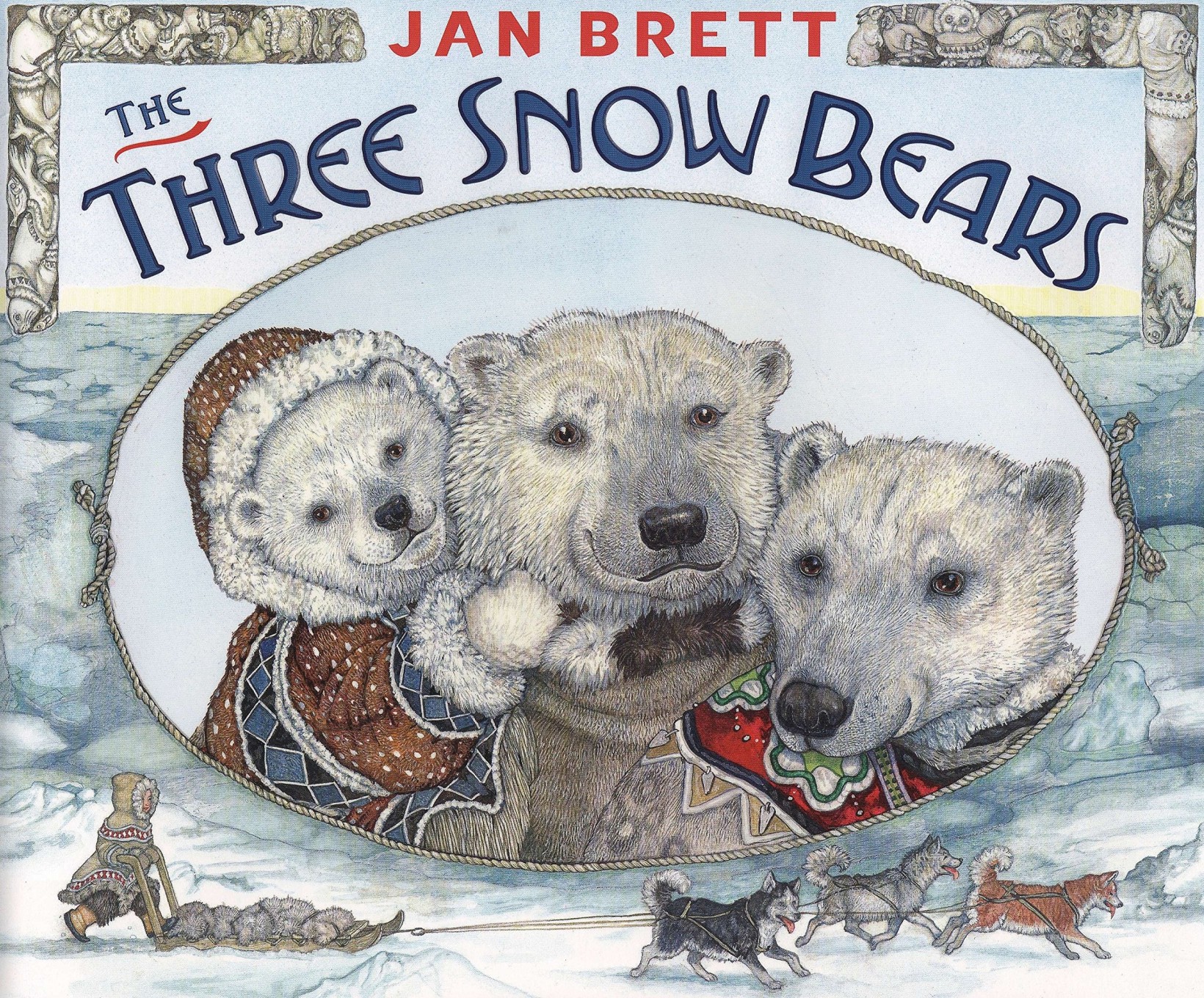
The Three Snow Bears by Jan Brett

front cover

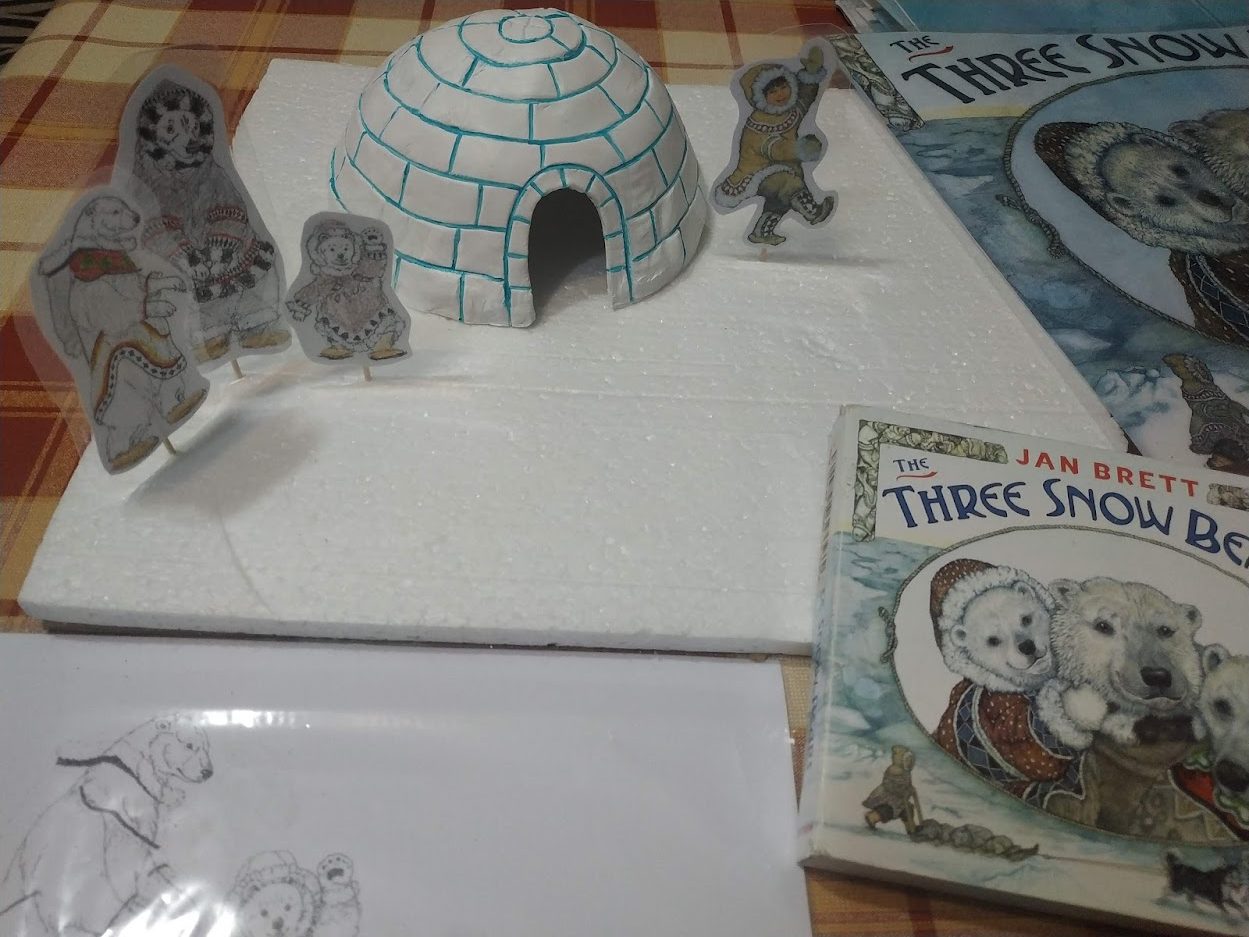
A brilliant children’s book is Jan Brett’s ’The Three Snow Bears’: one of her most beautiful picture books, a wintry spinoff of Goldilocks, set in the Arctic. A polar bear family leaves its igloo for a walk to let baby bear’s soup cool just as Aloo-ki, an Eskimo girl, runs past, searching for her team of huskies, which have drifted away on an ice floe. Being a curious girl, she goes inside the polar bear family igloo to eat some soup, wear their boots and take a nap into the ‘littlest’ bed!

Not only the story is gripping, but also the wonderful, intricate illustrations, so typical in all of Jan Brett’s books: the distinctive borders and graphic side panels are hallmarks of her illustrations, and they help beginning readers by foreshadowing events.

Make sure then that kids look at the borders of her drawings: sharpen, thus their observation skills and encourage them to retell the story that takes place in the main frame, but also in the borders!

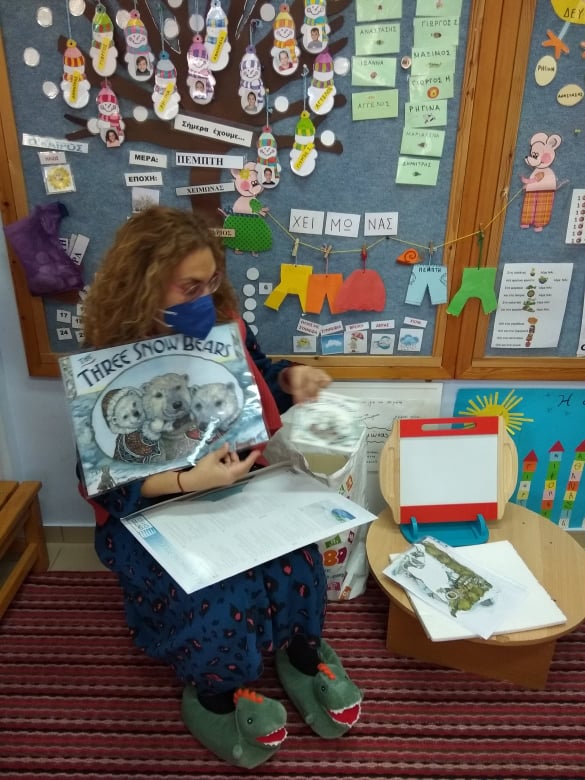
This is the way I used it with my kindergarten students:

You can see a video of how I used all this material (not at the Kindergarten, though, for reasons of children’s safety)

For the story patterns I used pics from the book. Here are the pdfs:

Bowls

Boots

Beds


Here’s a worksheet (with a matching activity) I created and used:

The Three Snow Bears worksheet


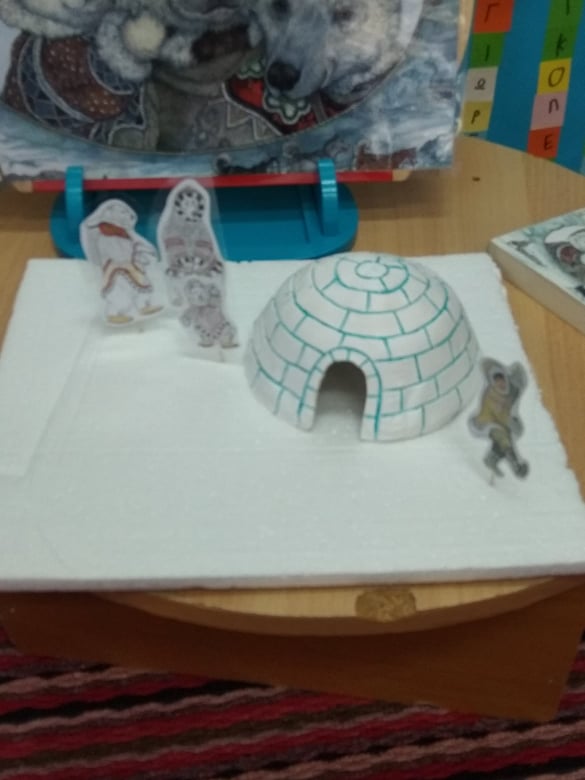
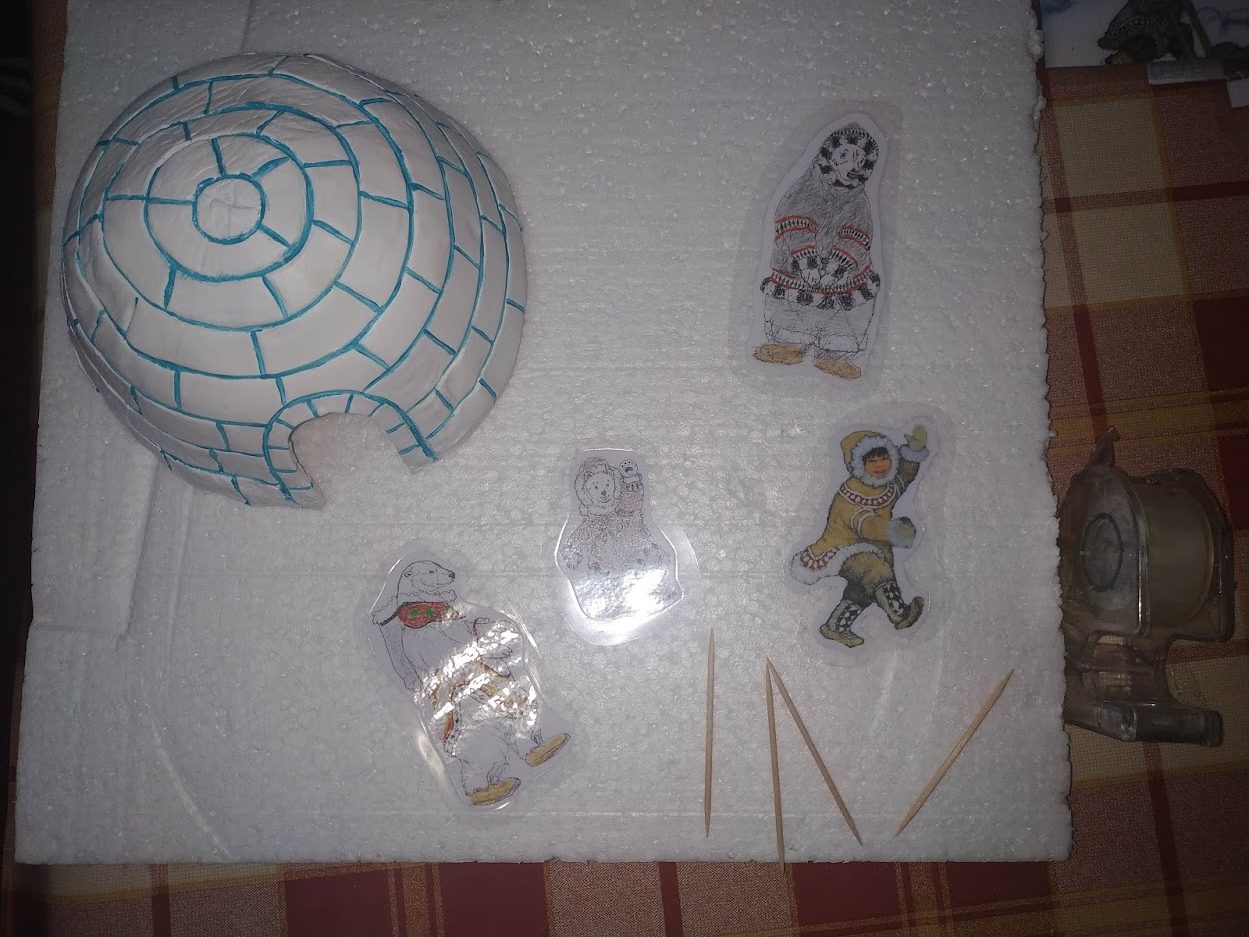
For the little figures around and in the igloo I used the material for the bears I found in Jan Brett’s site and I drew Aloo-ki myself (not as well as Jan, I must admit!)

Aloo-ki and the polar bear family

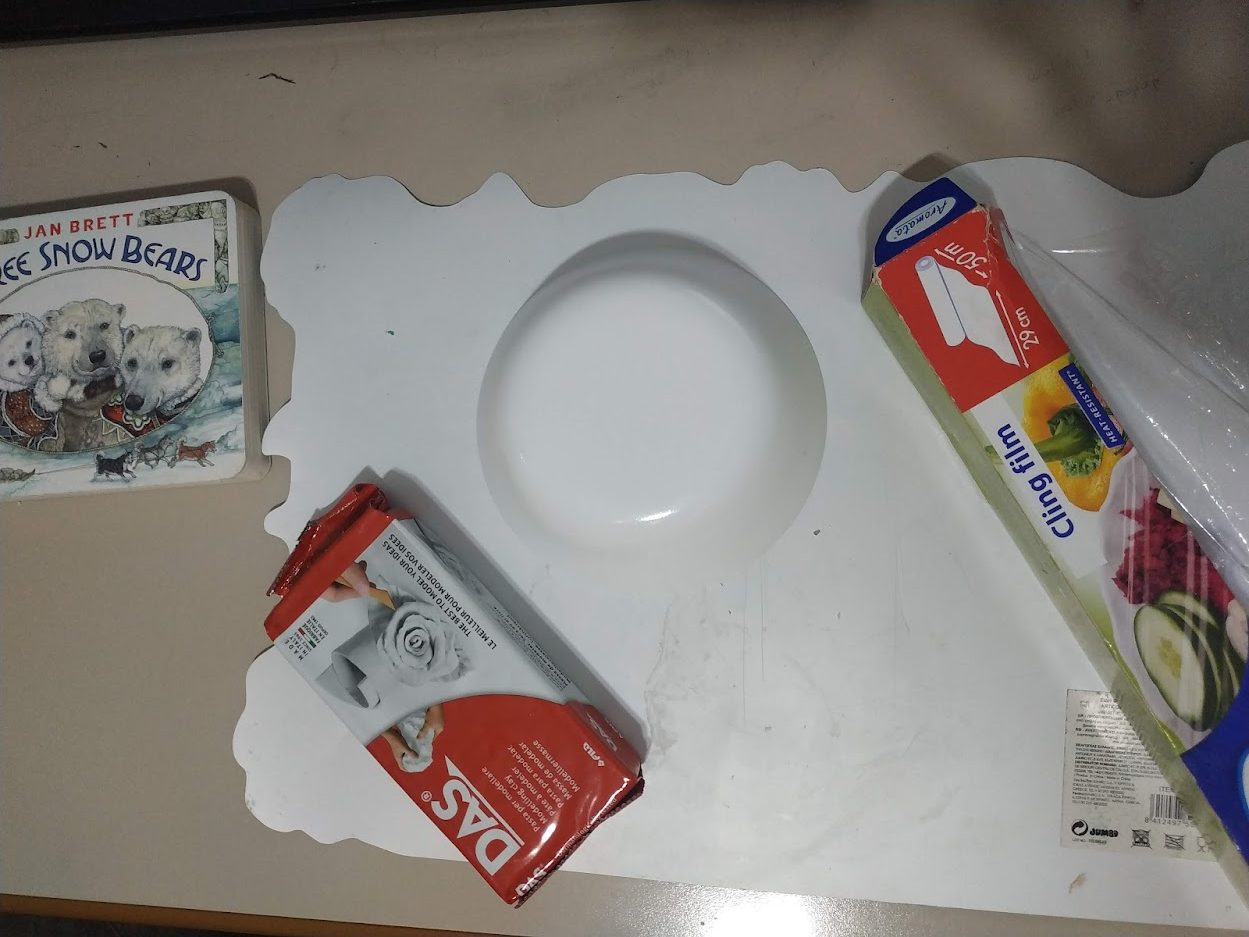
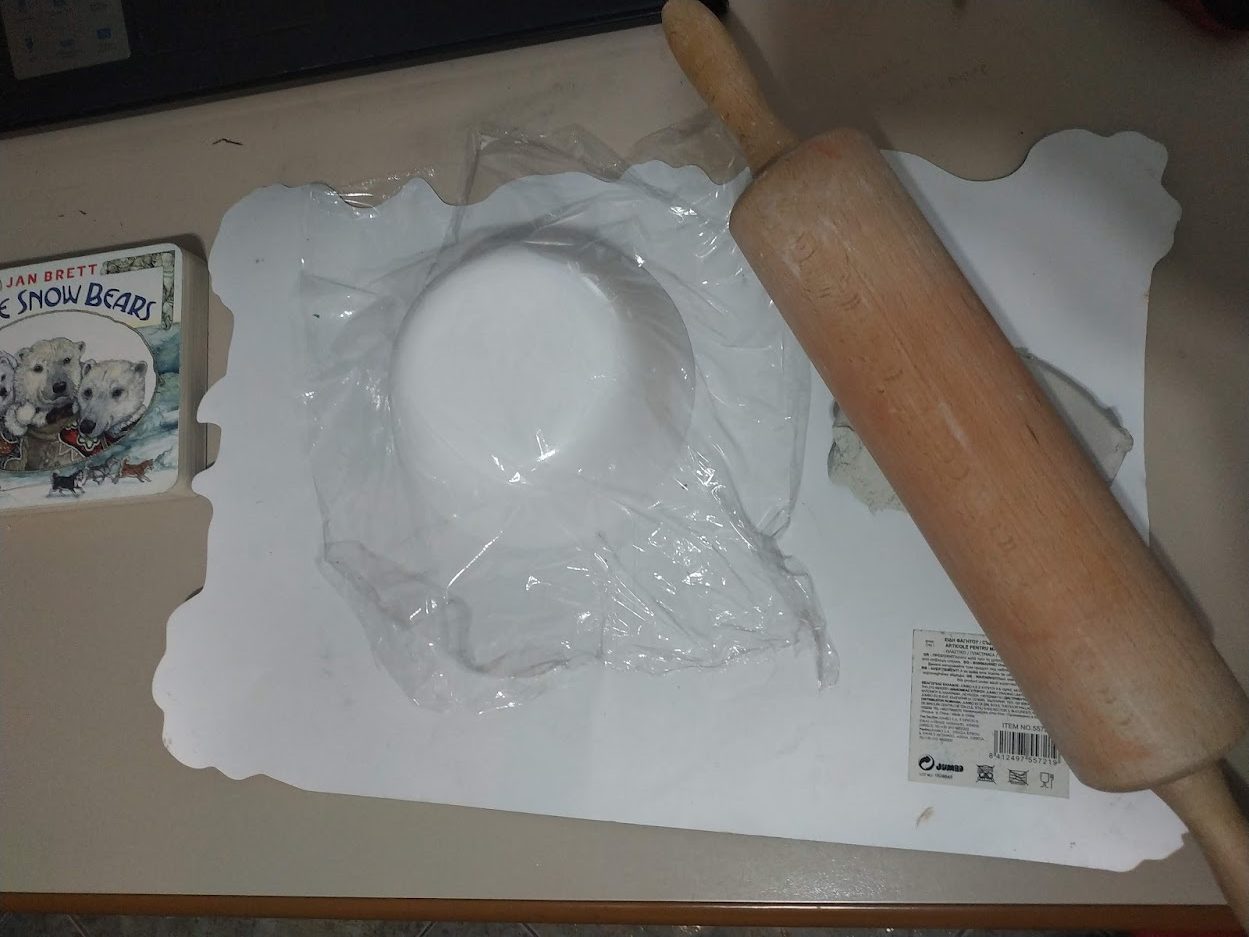
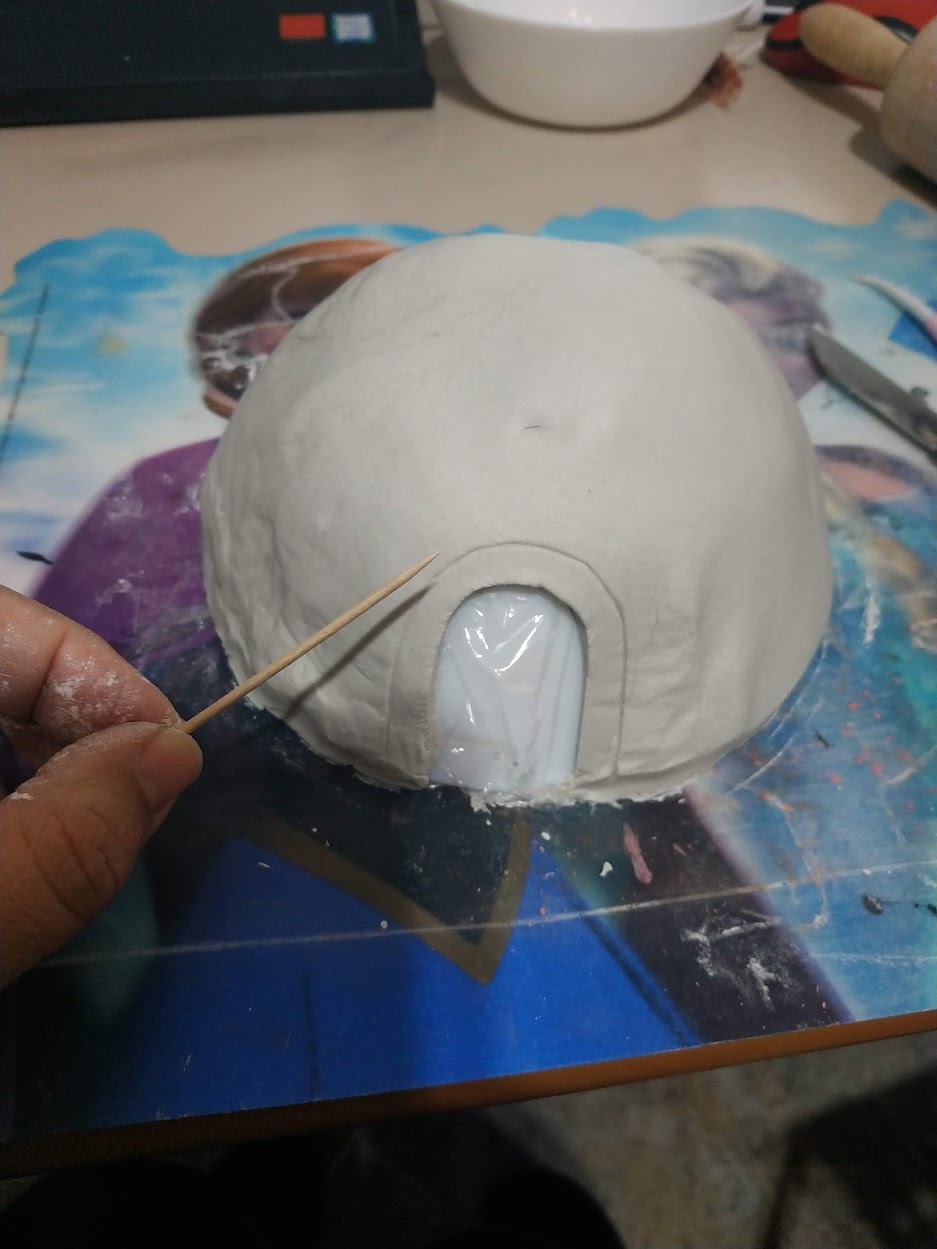
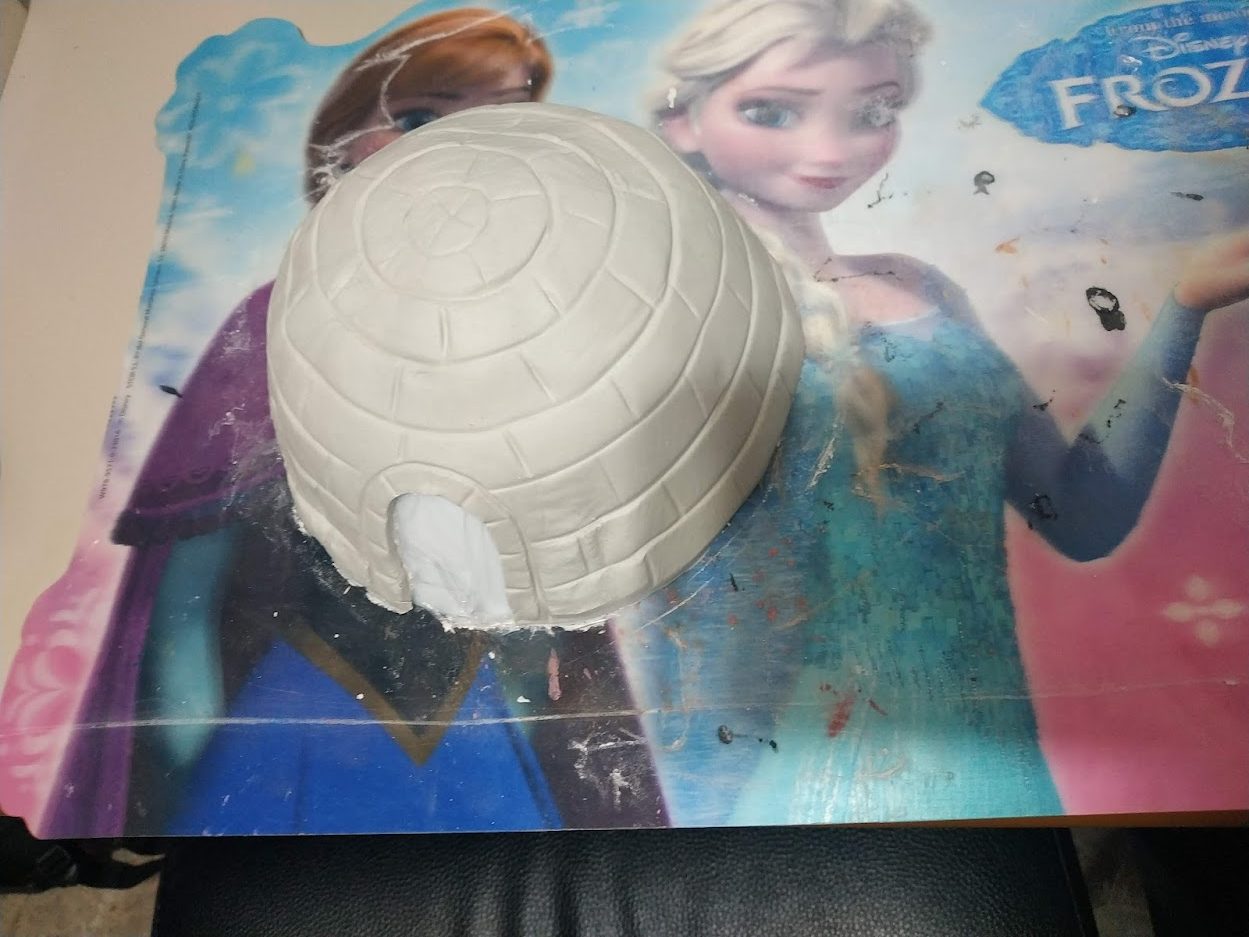
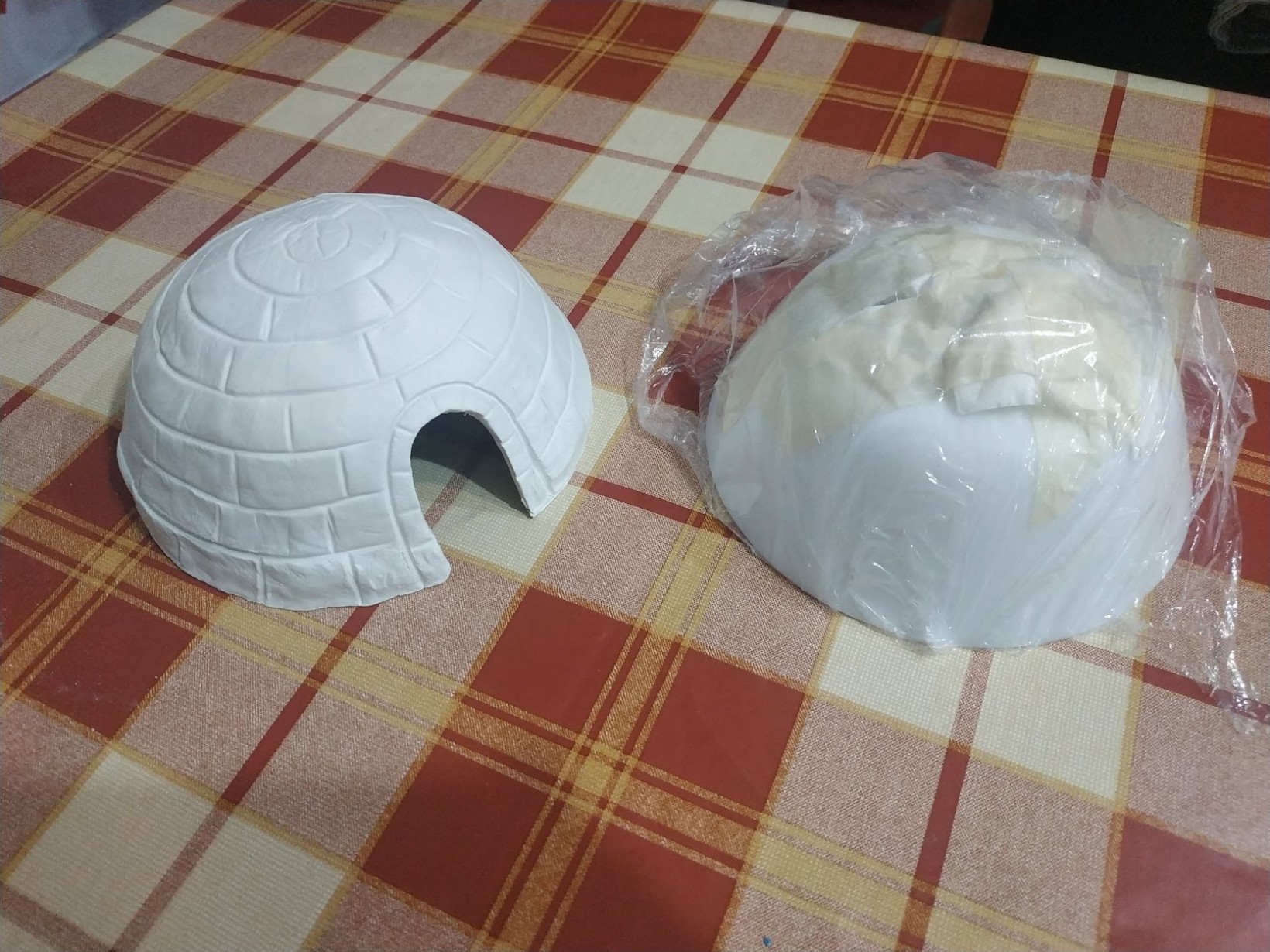
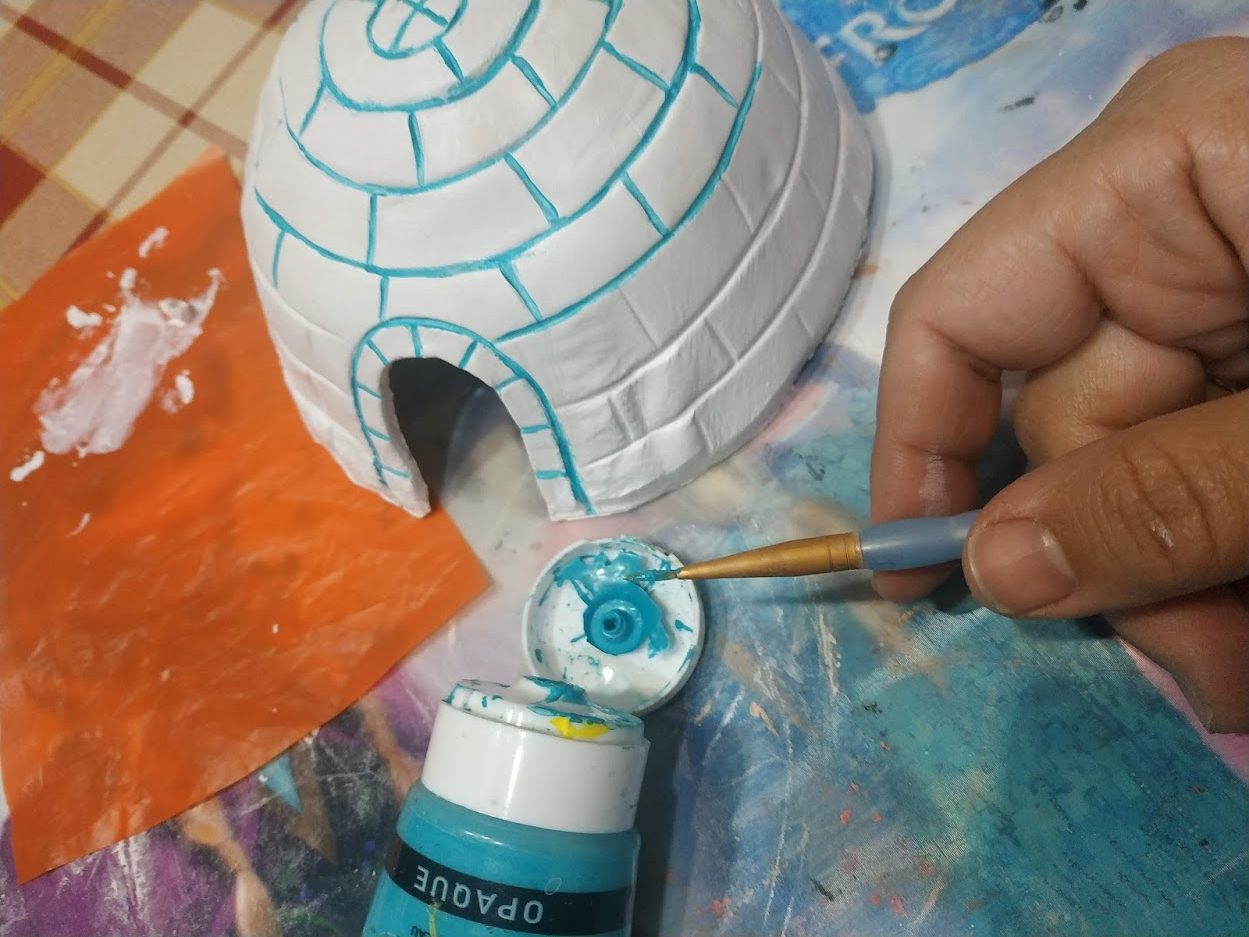
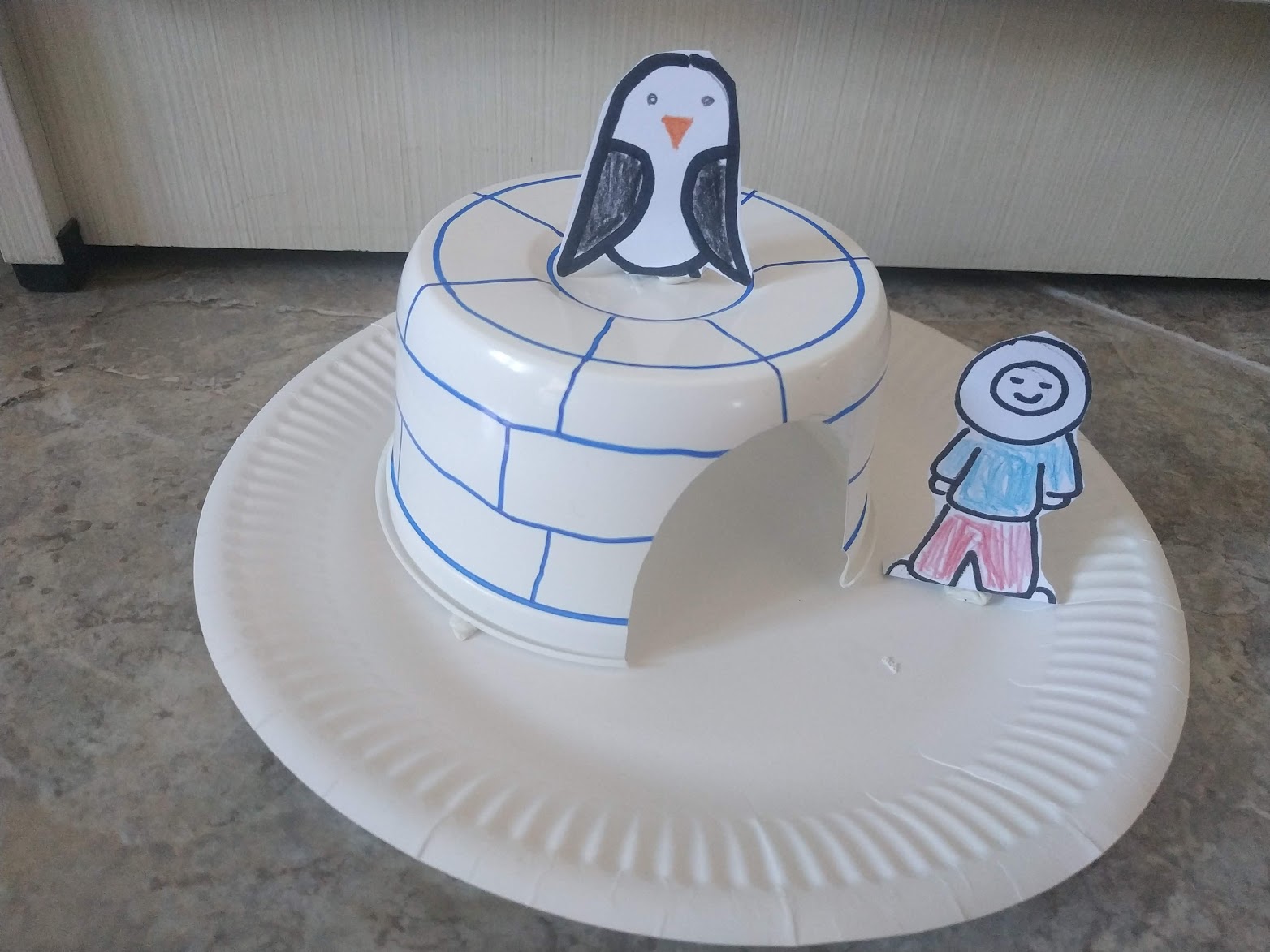
For the igloo I used white self-hardening clay which I rolled into a flat sheet with a rolling pin and put it on top of a bowl covered in cling film. When the clay hardened I carefully removed the bowl and painted the igloo. Follow the steps here to make your own set:

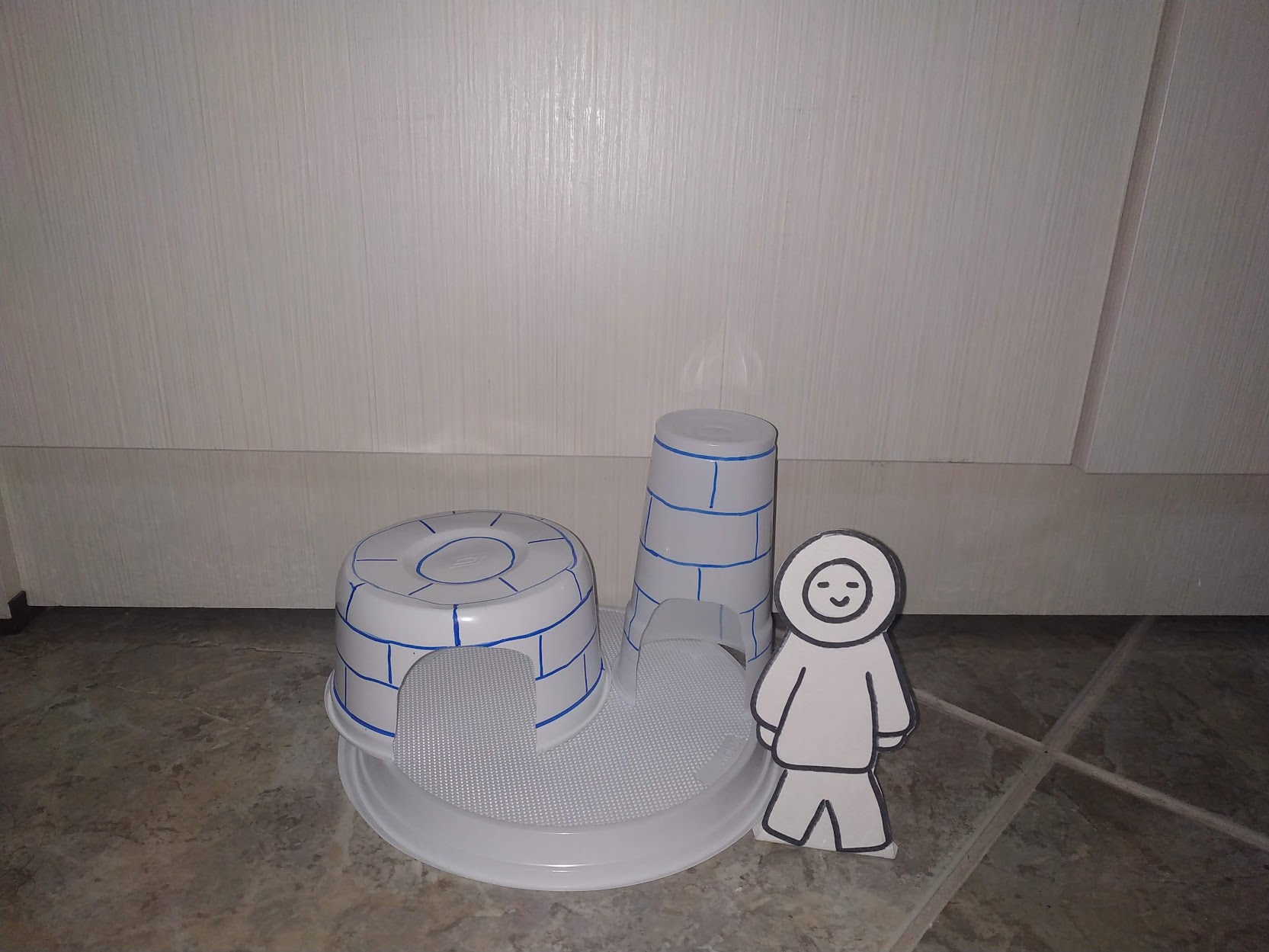
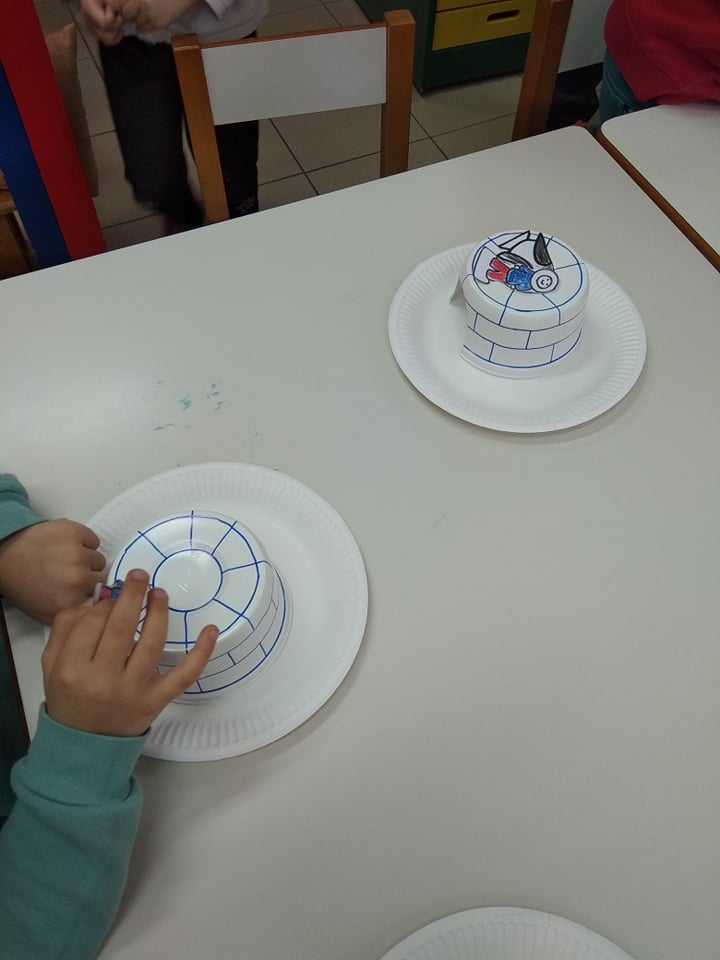
You can also use a white plastic bowl or a plastic cup and a white plastic plate to make your Arctic scene (use blue permanent marker – and a steady hand!!!- to draw the ice blocks of the igloo).

IMG 20220213 184722

As a follow-up activity I made some igloos for the students, a little eskimo and a little penguin (the kids had to colour the eskimo clothes in specific colours; blue for the pullover, red for the pants and also the penguin’s flippers and beak). Before attaching them with Blu Tack we practiced placing them in or on the igloo.


Enjoy this brilliant book!!!

Hibernation!

mary bear hybernating 1

It’s winter time! Let’s talk about animals hibernating!

But what is hibernation?

Watch these enlightening videos (I learnt a lot myself!!!)

Getting Ready for Hibernation!  and Hibernation of Animals

Here are some nice puppets: Hibernating animals puppets 

BEAR

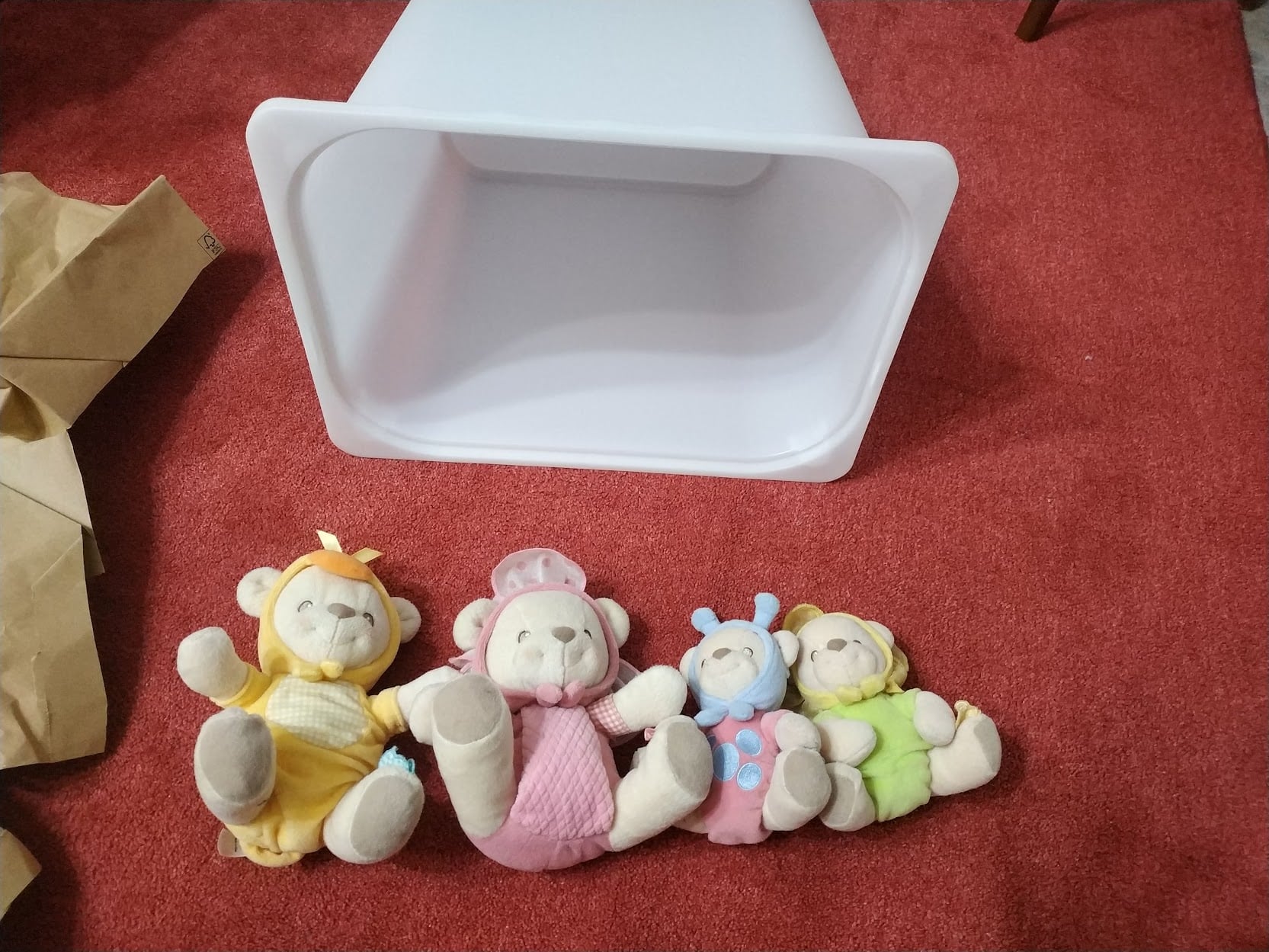
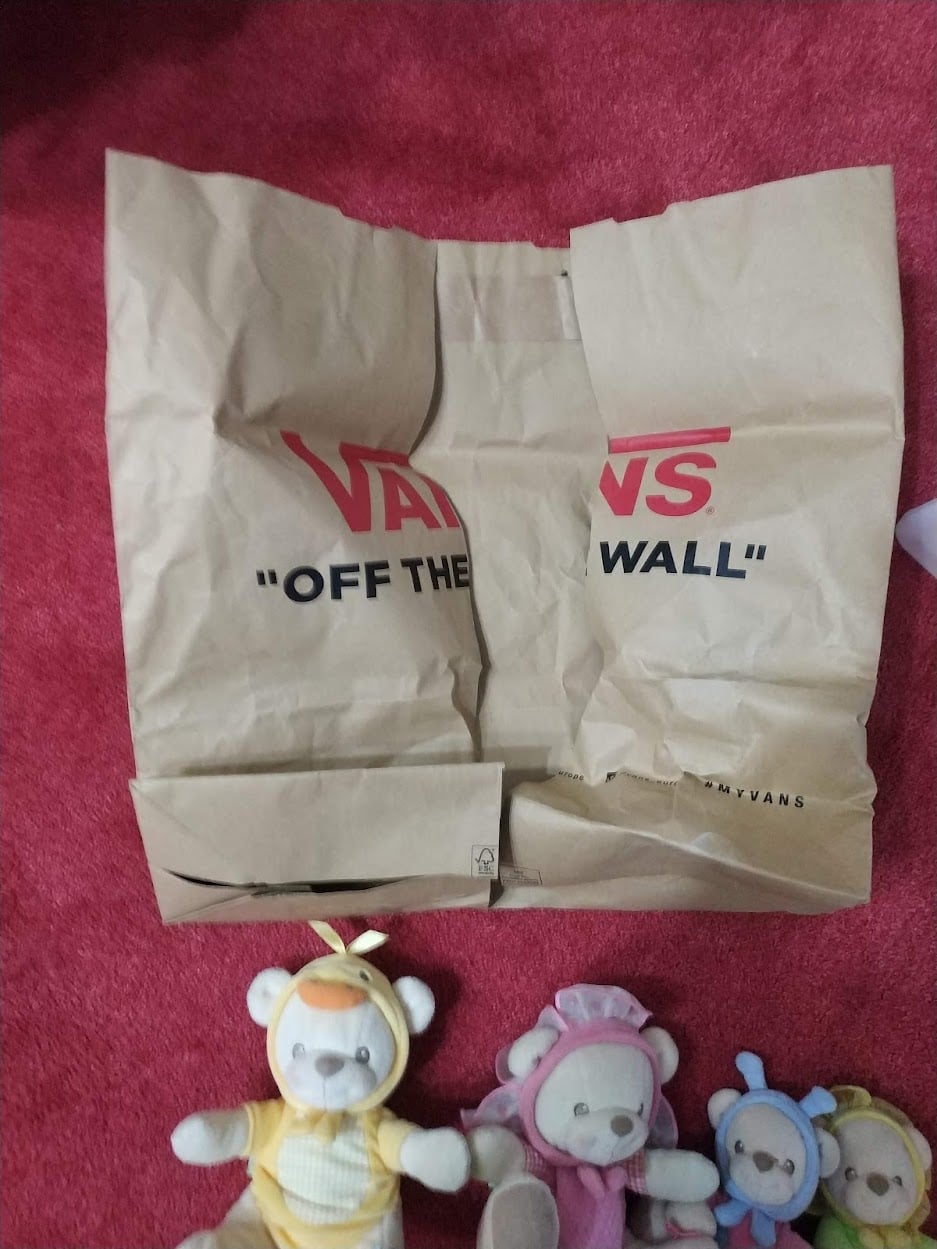
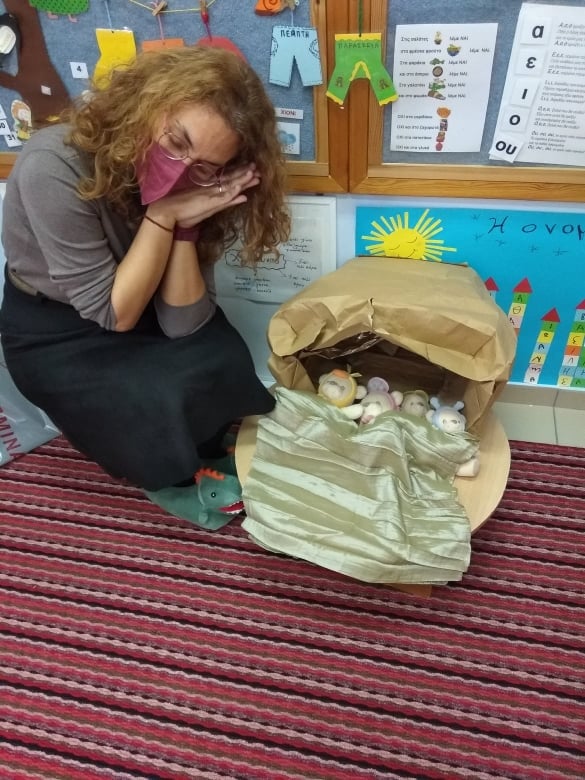
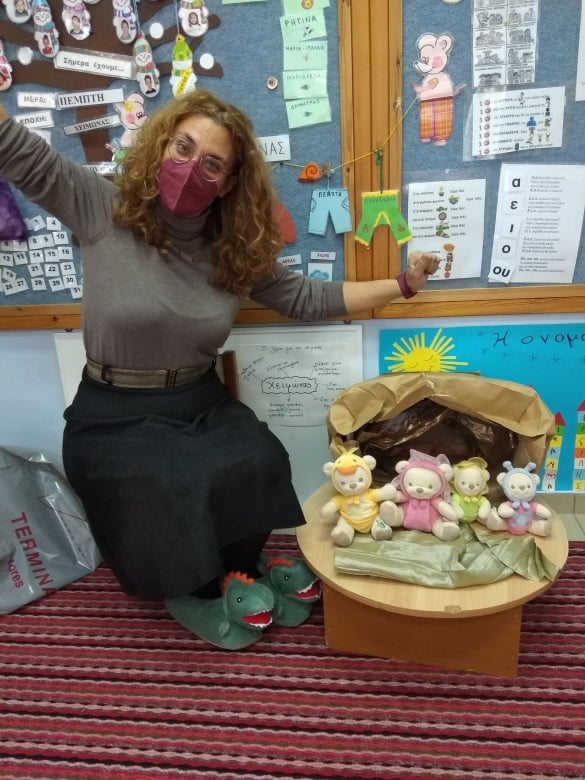
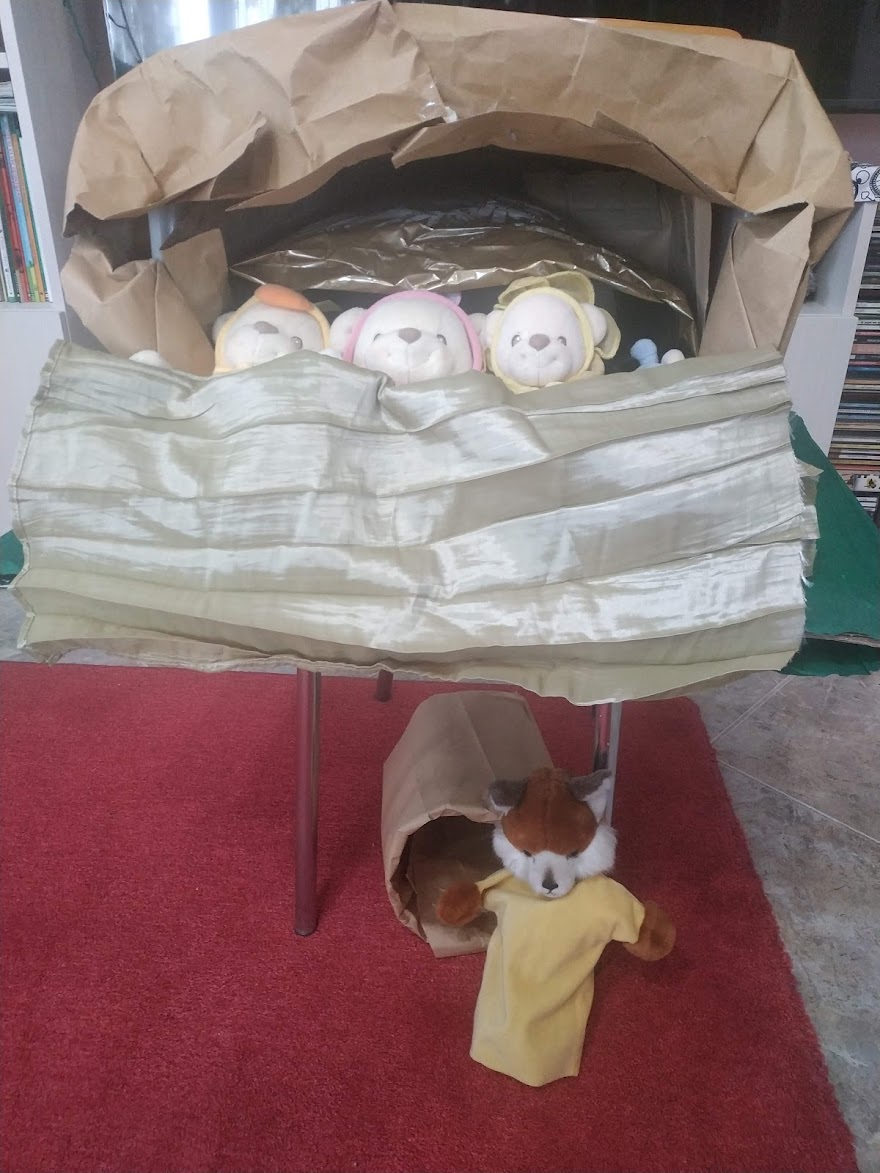
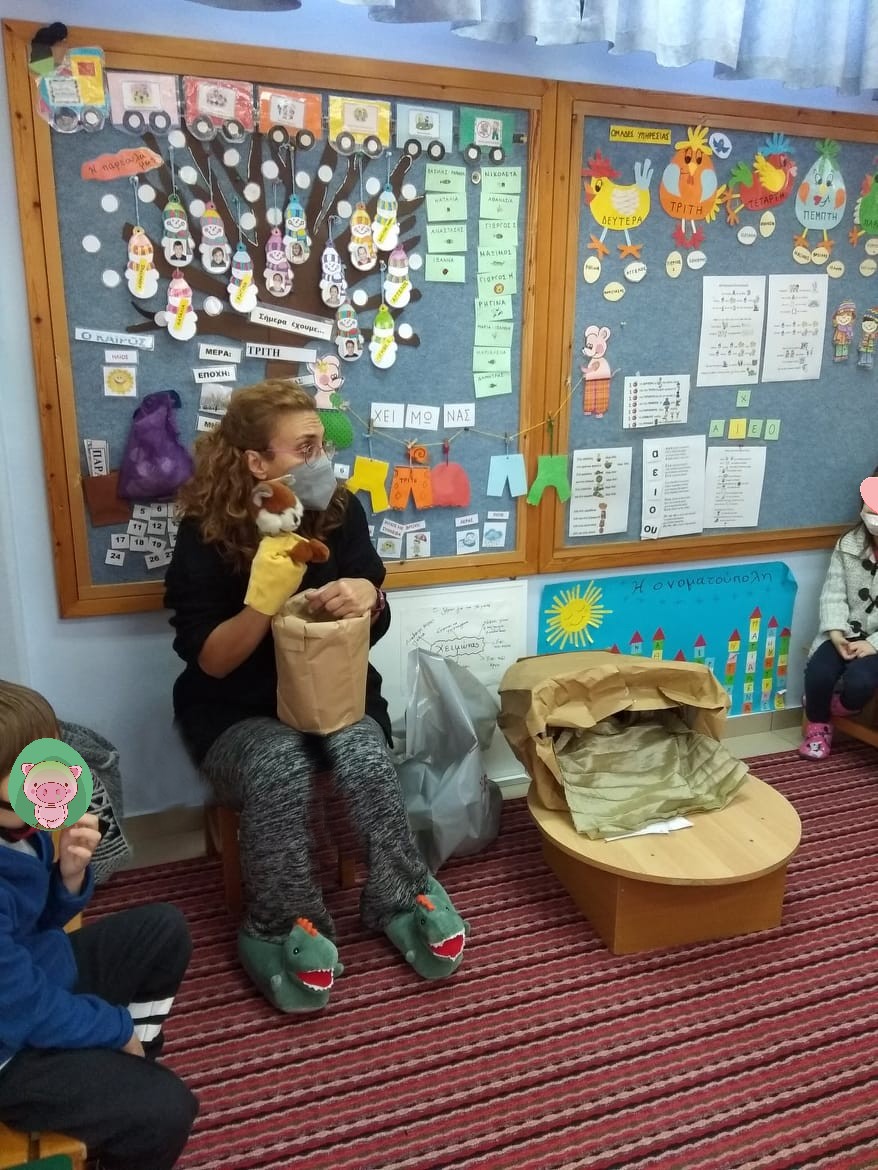
I wanted to find a simple way to show kids what the animals do when they hibernate: I built a cave using a large storage box which I covered with brown paper bags and brought my bear family (kept from the time my daughters were little …). Then, showing a picture of autumn and winter we pretended to fall asleep, while in the pictures of spring and summer we stretched out our hands to say ‘Wake up!’  The bear family entered the cave one by one, after yawning and saying ‘I want to sleep’ and at the end we covered them with a warm blanket!

We also sang the song (to the tune of ‘Frère Jacques’)

Bears are sleeping (2)

In the cave (2)

Soon it will be springtime (2)

Wake up bear! (2)


You can watch the song here in this small video I made (with the help of our music teacher, Mr John Aivazis!) 

Bears are sleeping


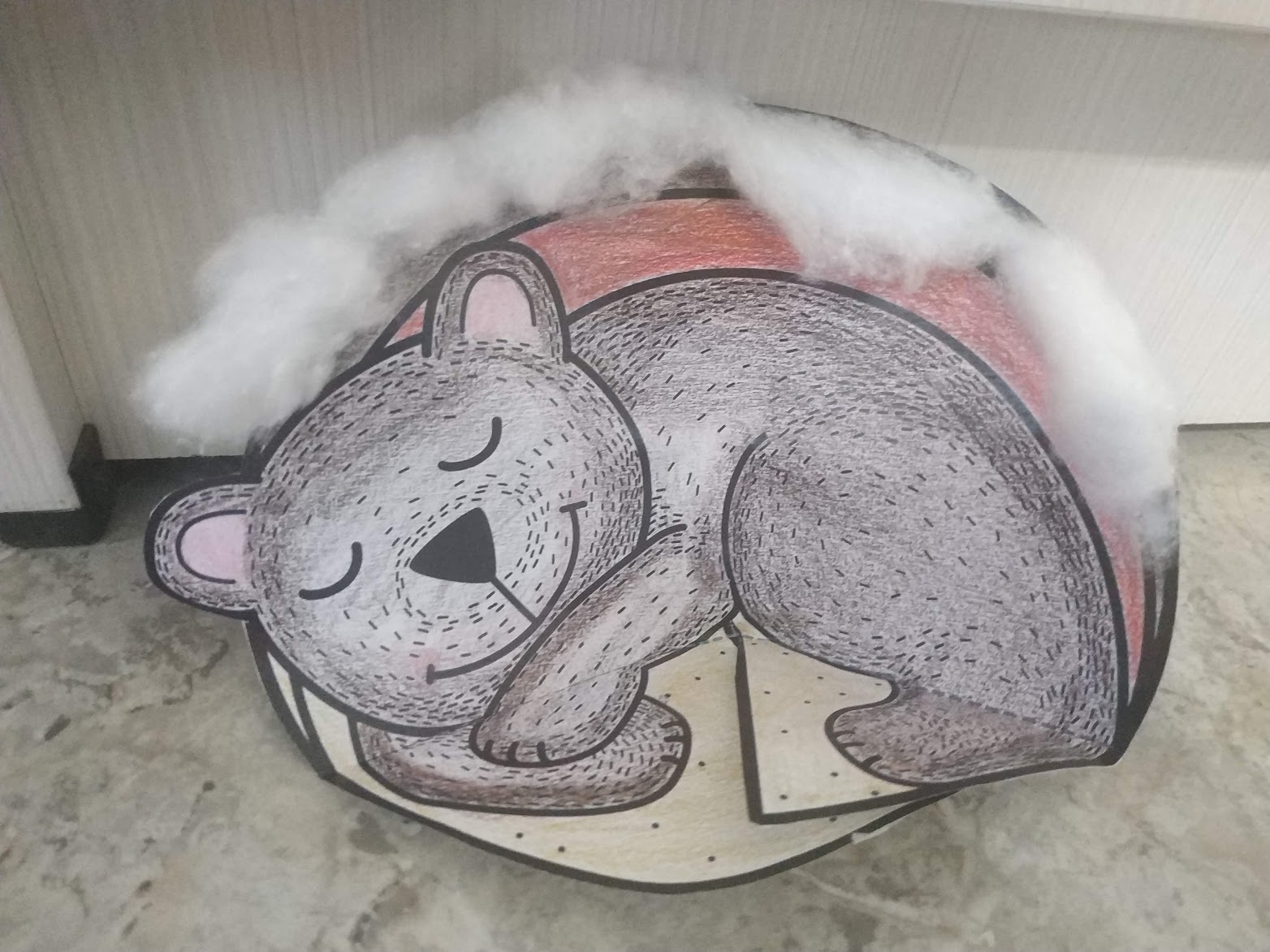
We also made a very simple construction with a sleeping bear (which we cut and put cotton on top of the cave) that I found here:

Hibernating bear craft


HEDGEHOG

Another animal that hibernates is the cute hedgehog!

There are so many easy crafts to make with the kids (have a look at Krokotak ) but I have a soft spot for paper rolls! (find the hedgehog along with other animals in my post: Make your own zoo with paper rolls from the loo! )

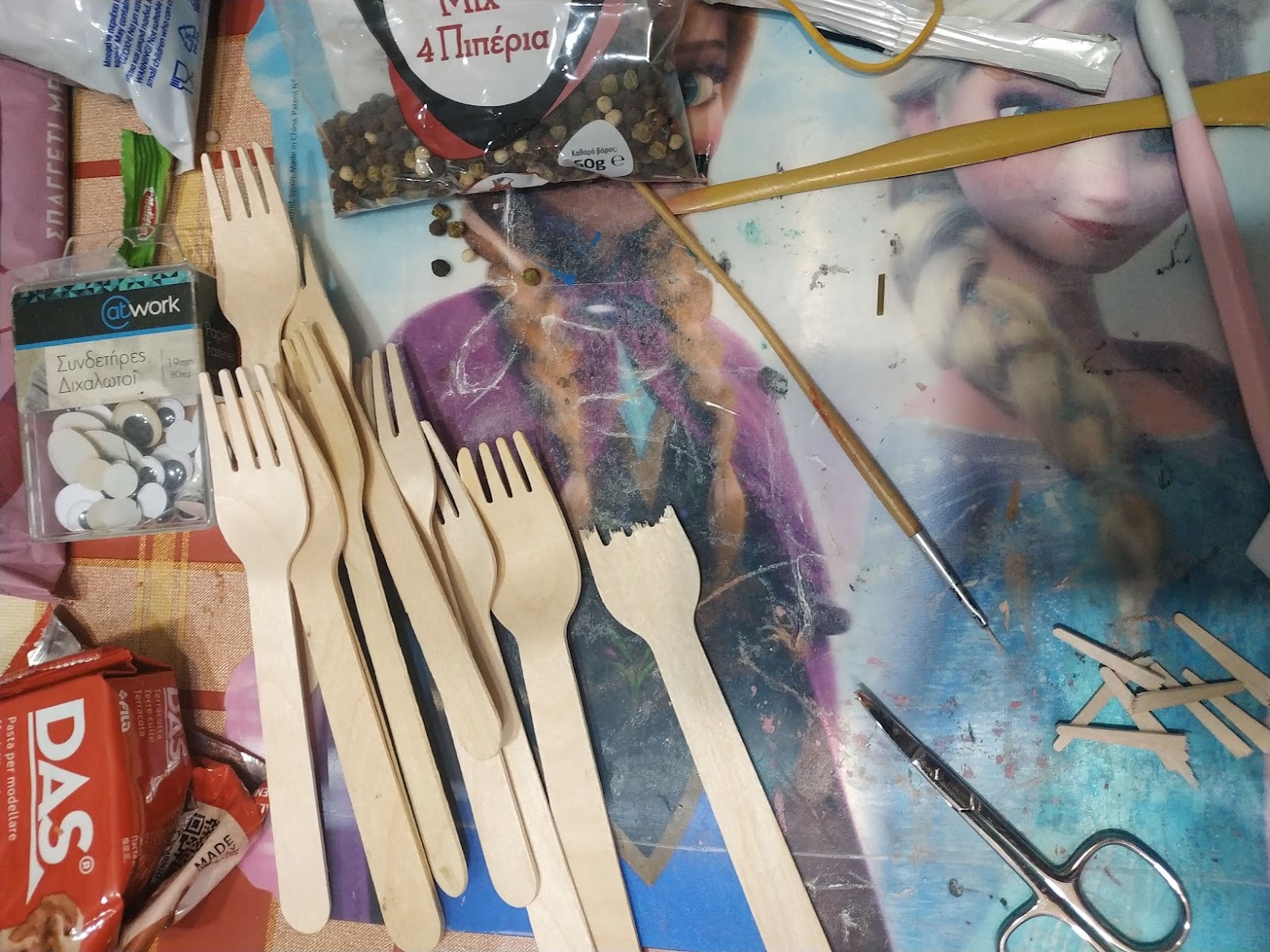
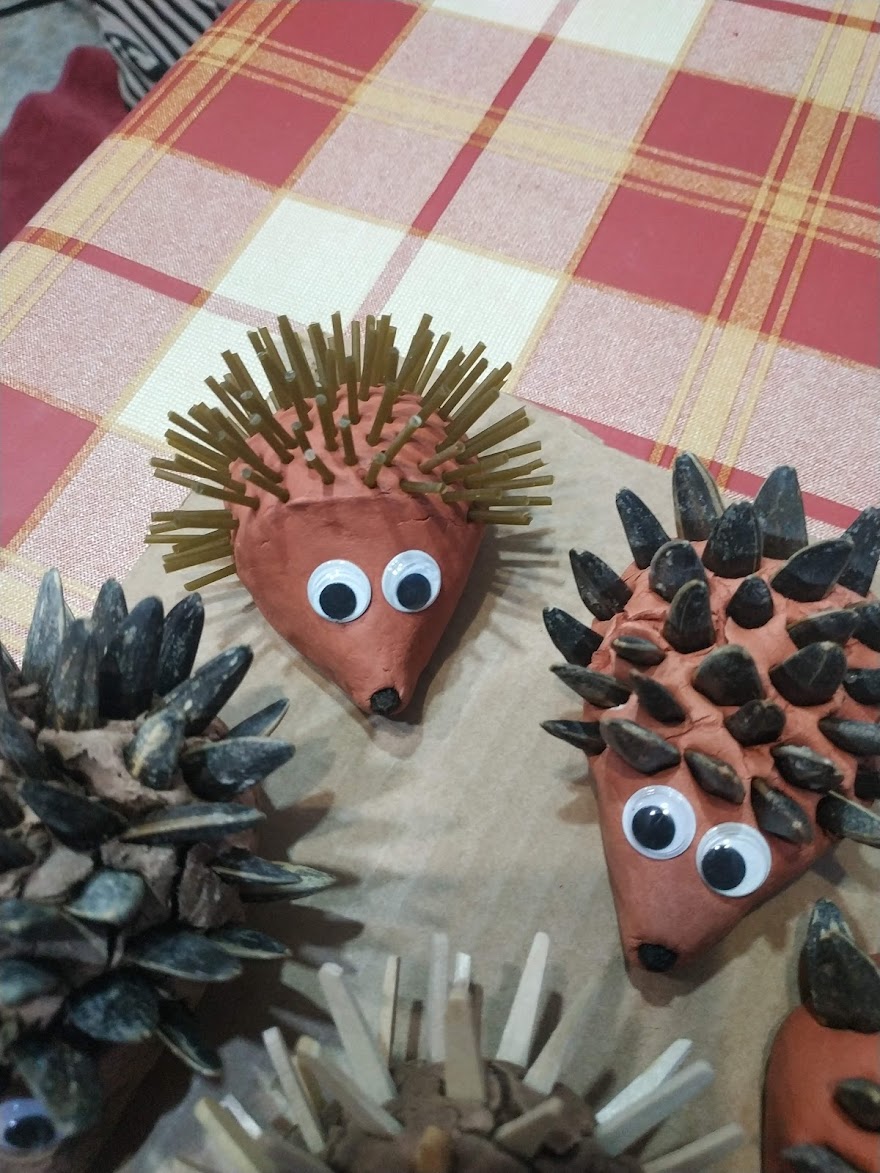
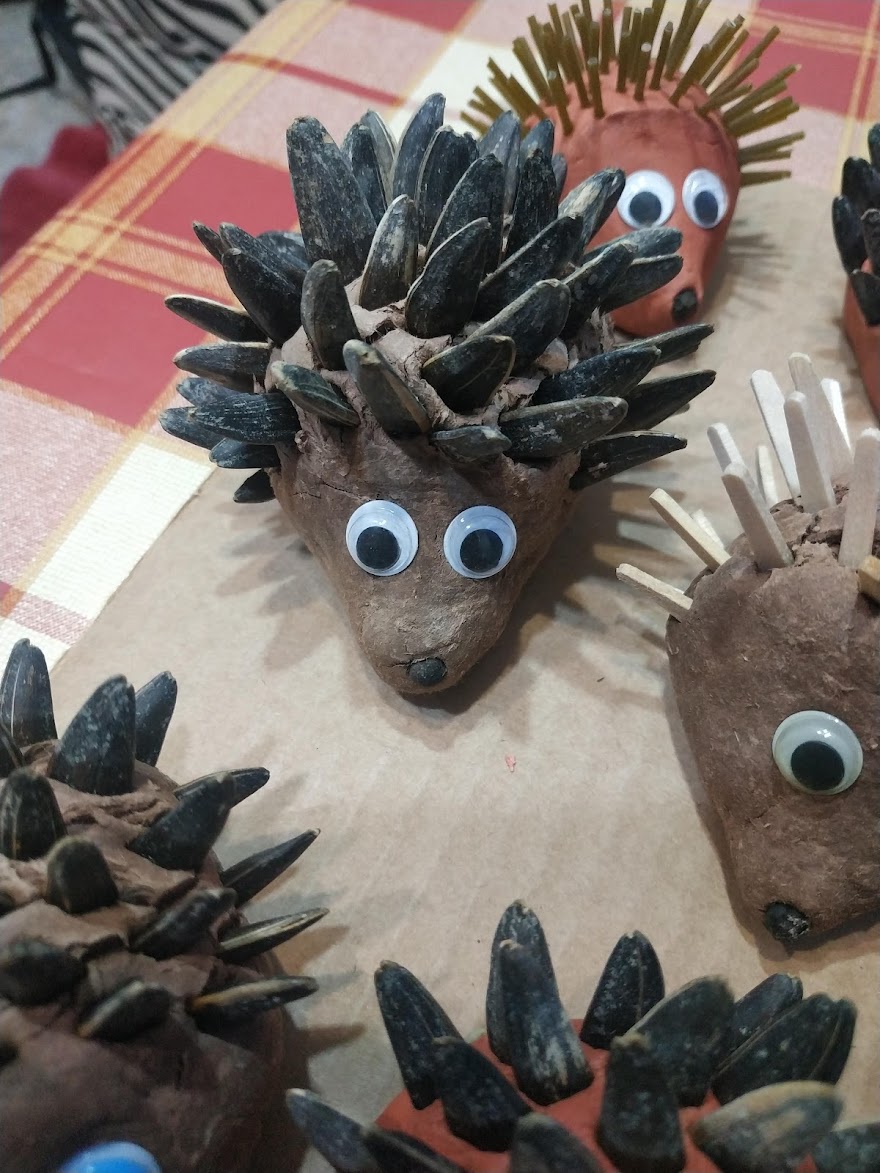
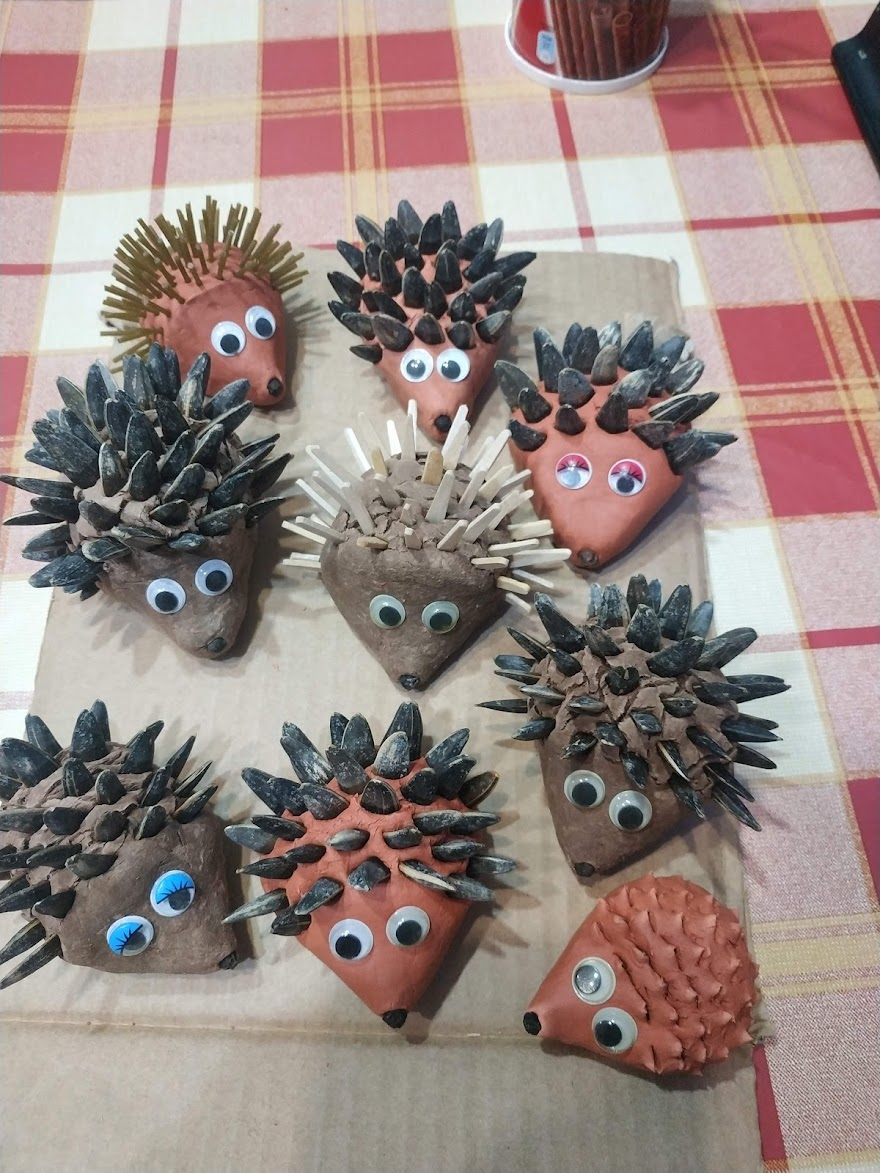
This time we made a whole hedgehog family from brown clay (or plasticine) and various other materials: wholegrain or spinach spaghetti or sunflower seeds or wooden fork tines (avoid toothpics !!!)

Have a look here:

Cute, aren’t they?

This is a little song I made up which we sang (to the tune of ‘I’m a little teapot’) accompanying it with some movements:

I’m a little hedgehog 

Brown and small

Here are my spines (or spikes)

I roll into a ball

When the weather ‘s cold 

I build my nest

Away I crawl

and have a rest


Here is a small video I made (with the help of our music teacher, Mr John Aivazoglou!)

I’m a little hedgehog

Here is another sweet song about hedgehogs: The Hedgehog song

And here is a sweet video about friendship among a prickly hedgehog and other animals: Erste Christmas Ad 2018: What would Christmas be without love? 


IMG 20220128 160743


We also read the wonderful Jan Brett book ‘The Hat‘.

You can find the story patterns here: Kizclub story patterns

A nice activity (I found here by Jennifer Phillips is to print out the animals from the book, hand them to children and ask them to bring them when you get to the animal in the book. Easy and fun!!!

Or colour this page from the book!

You can even print the animal masks and put up a little show!!!

For more Jan Brett stuff visit the author’s website: Welcome to the world of Jan Brett


FOX

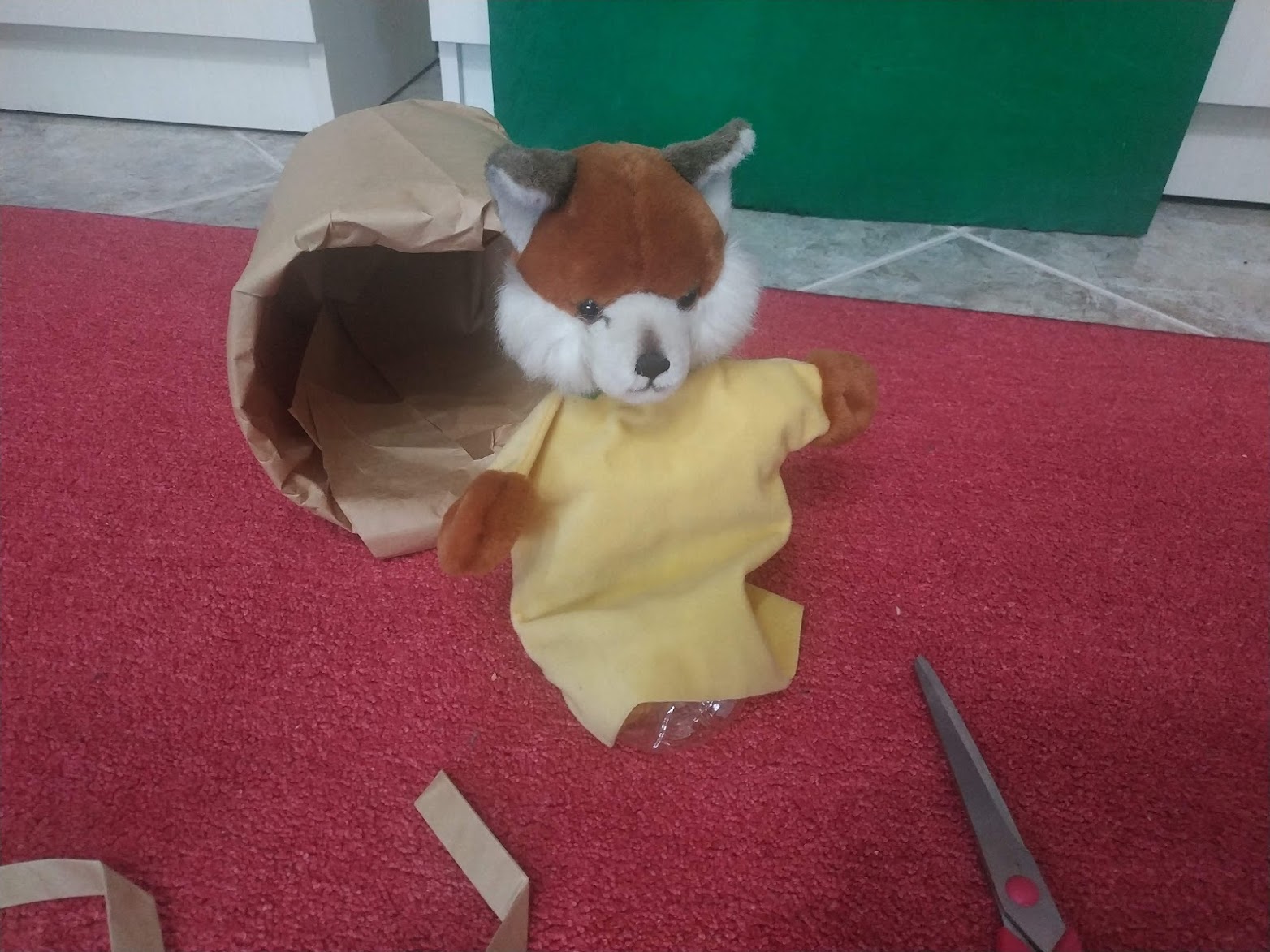
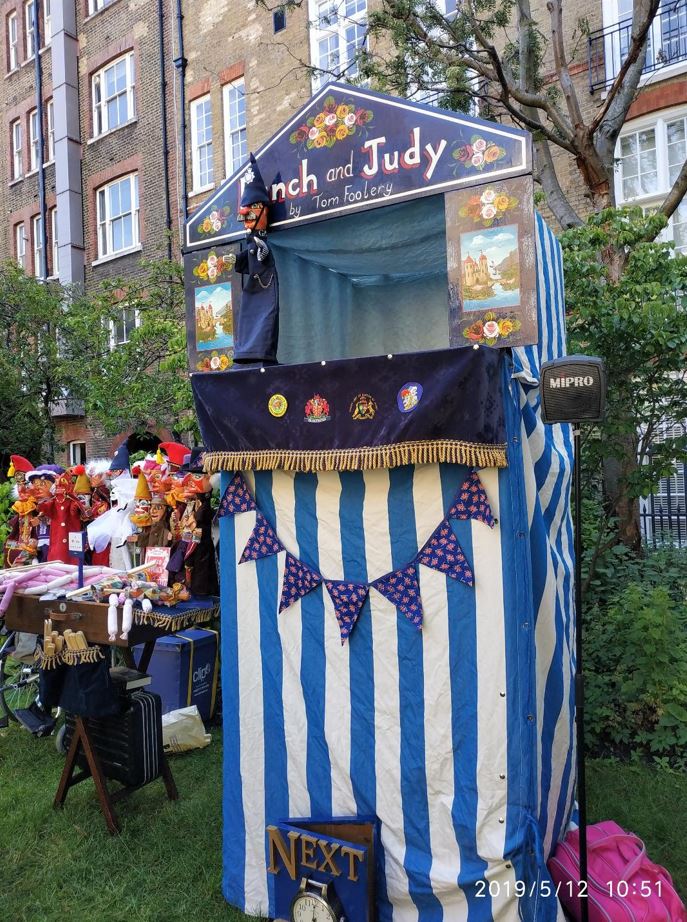
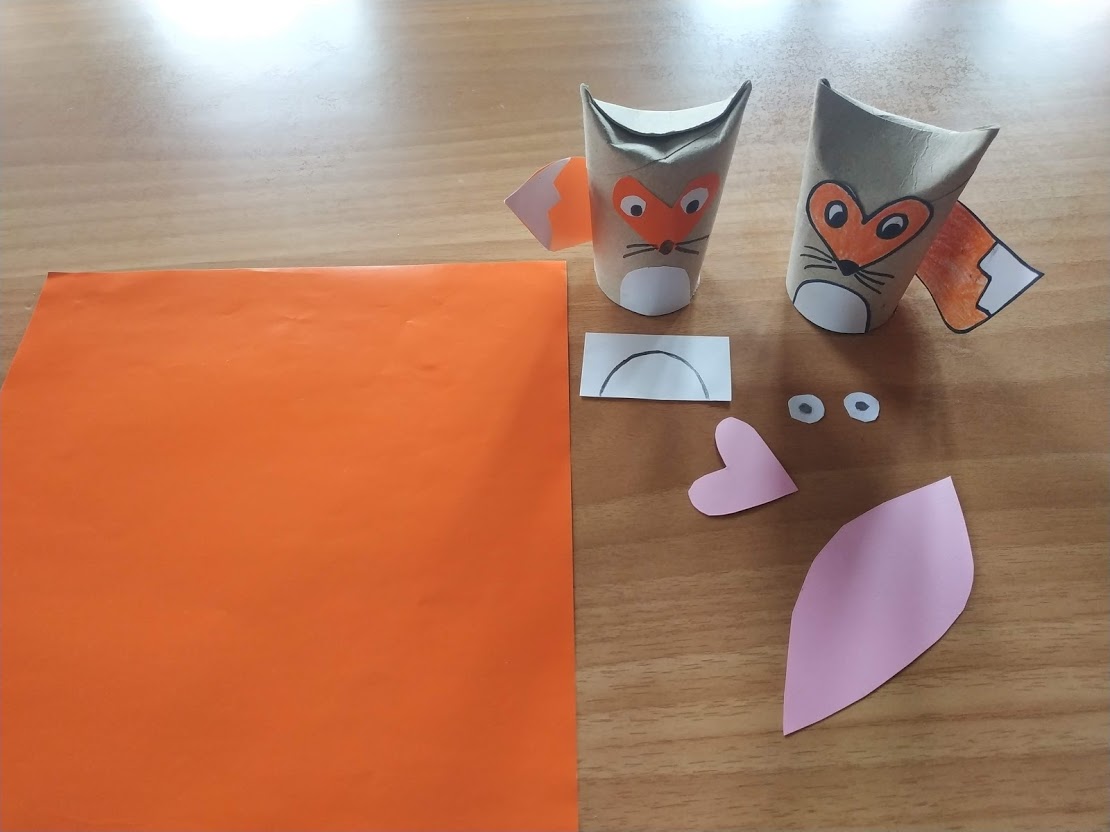
Next animal (that doesn’t actually hibernate but also keeps warm in her den) is Foxy (a little fox that I bought second hand for just £1 (!!!) at the Covent Garden May Fayre and Puppet Show some time ago). If you do not have a puppet or a stuffed fox you can easily make one from a paper roll (I have a photo on how to make one easily together with templates for other animals in a previous post in my blog: Make your own zoo with paper rolls from the loo!

11

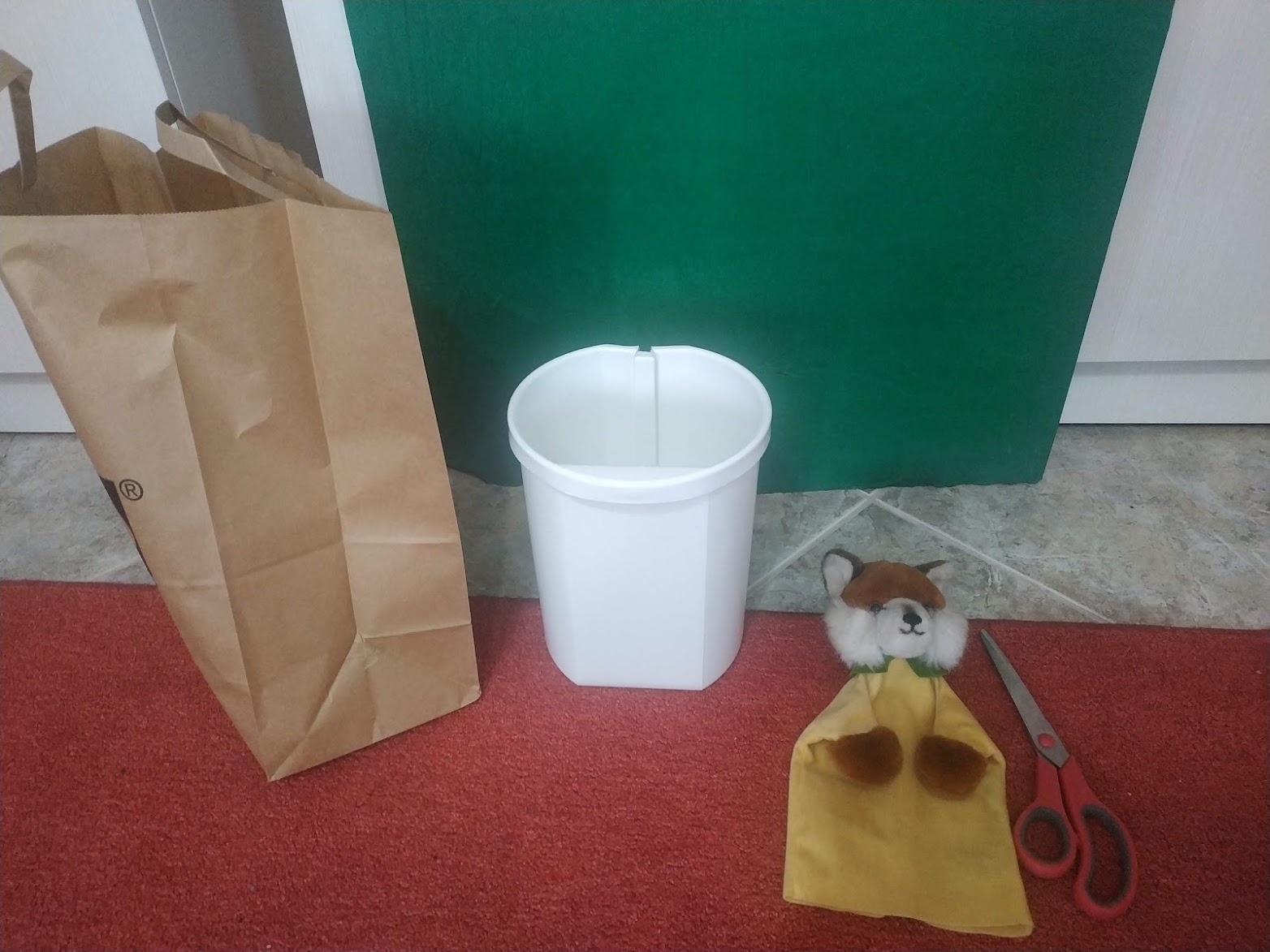
With a smaller storage box covered with brown paper bags (again!) and a song (to the tune of London bridge is falling down), Foxy will go to sleep, too:

Foxy’s sleeping
In her den (2)
In her warm fur!


We also made a very simple construction with a sleeping fox that I found here:

Sleeping fox craft


What do you say? Shall we dance our hearts out before we hibernate 😛 ?

Hibernation song

and

What Does The Fox Say?


PS: I found some very nice material for flashcards and a picture with sleeping animals here:

Hibernation

Pete the cat!

He’s super cool, a blue furball remaining calm in the face of adversity: when his pristine, white shoes, his pride and joy, become red, blue, brown and, finally, wet, does he lose his calm? Does he cry? No, no, no! He just changes the words to his song!

That’s what makes Pete the cat so popular with kids and educators alike. Kids want to relate to such a cool type and teachers want to instil the abilities of self regulation and resilience to their students. This imperturbable blue cat is such an appealing role model for kids to relate to! (Come to think of it, why not for teachers, as well?)

Its main character’s upbeat, happy attitude, coupled with vivid colours and a memorable, repetitive ditty make the book a must-read, suited for primary students of all grades. I used it with first graders, and plan to use it not only with kindergarten pupils but older students as well!

There are a host of activities and resources that relate to the book, this delightful book, written by Eric Litwin (who brings bookwriting and music together!) and wonderfully illustrated by James Dean (not the actor, of course!)  and video.

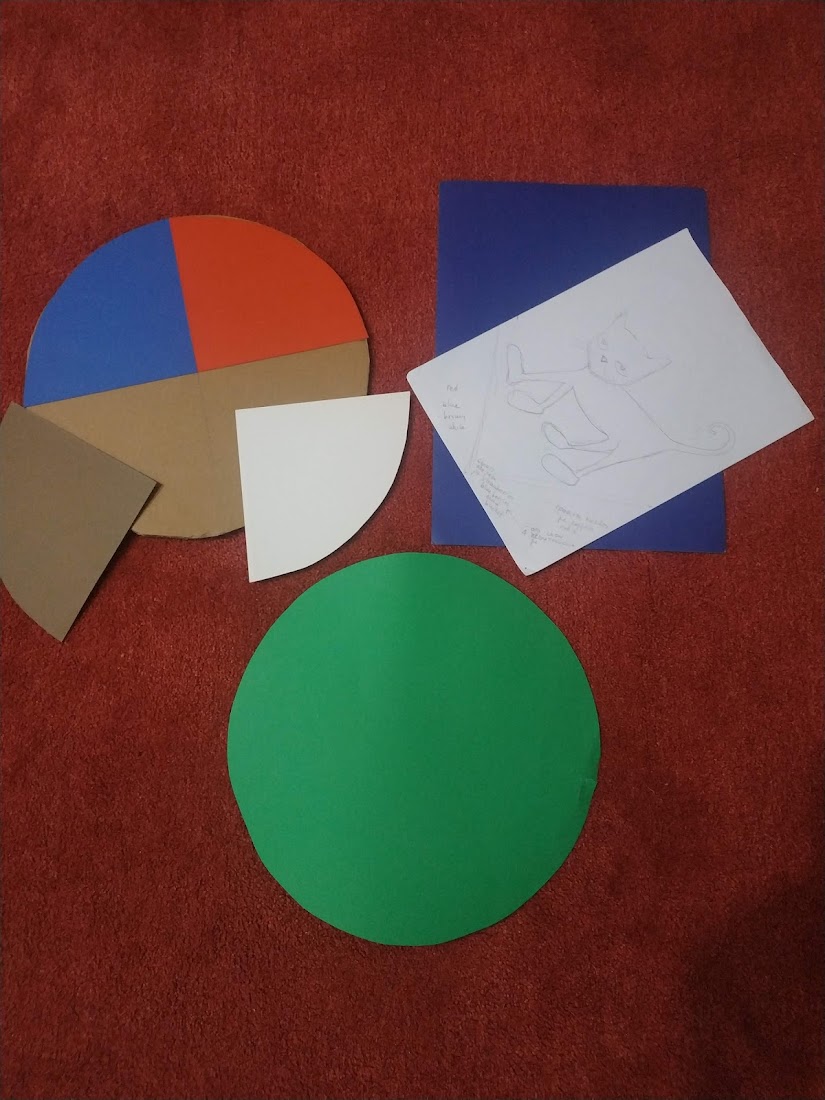
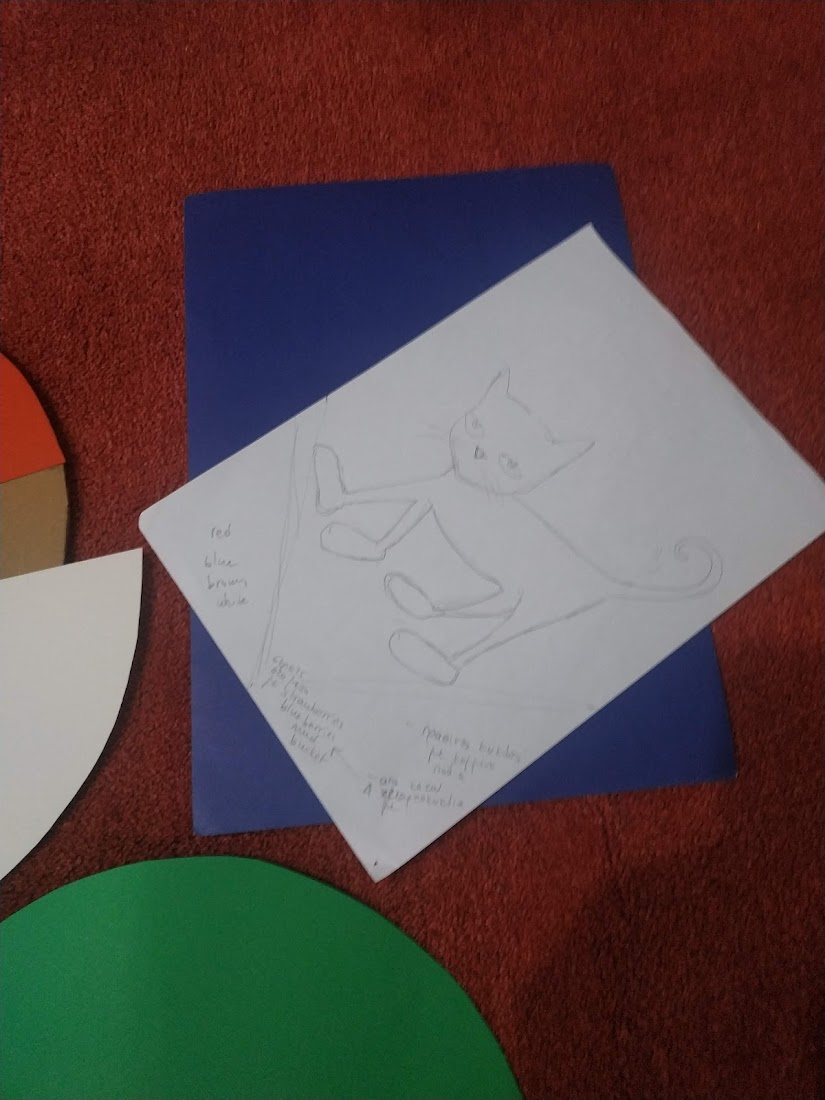
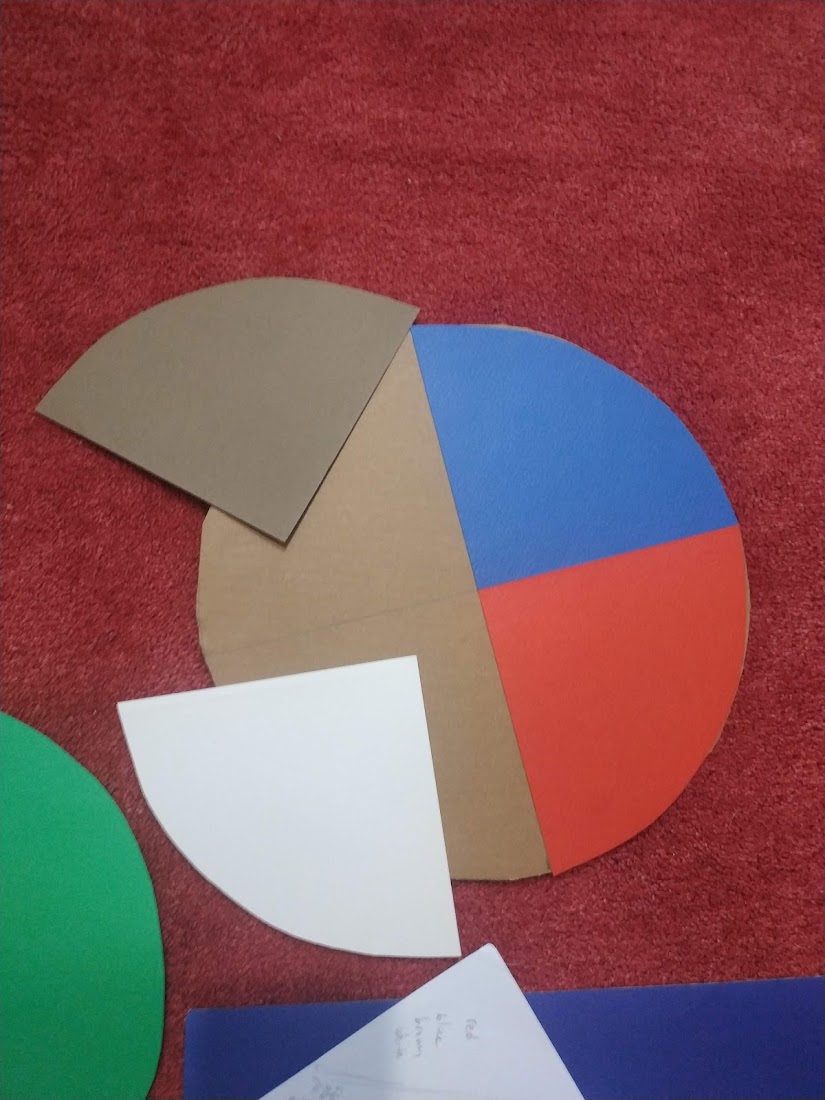
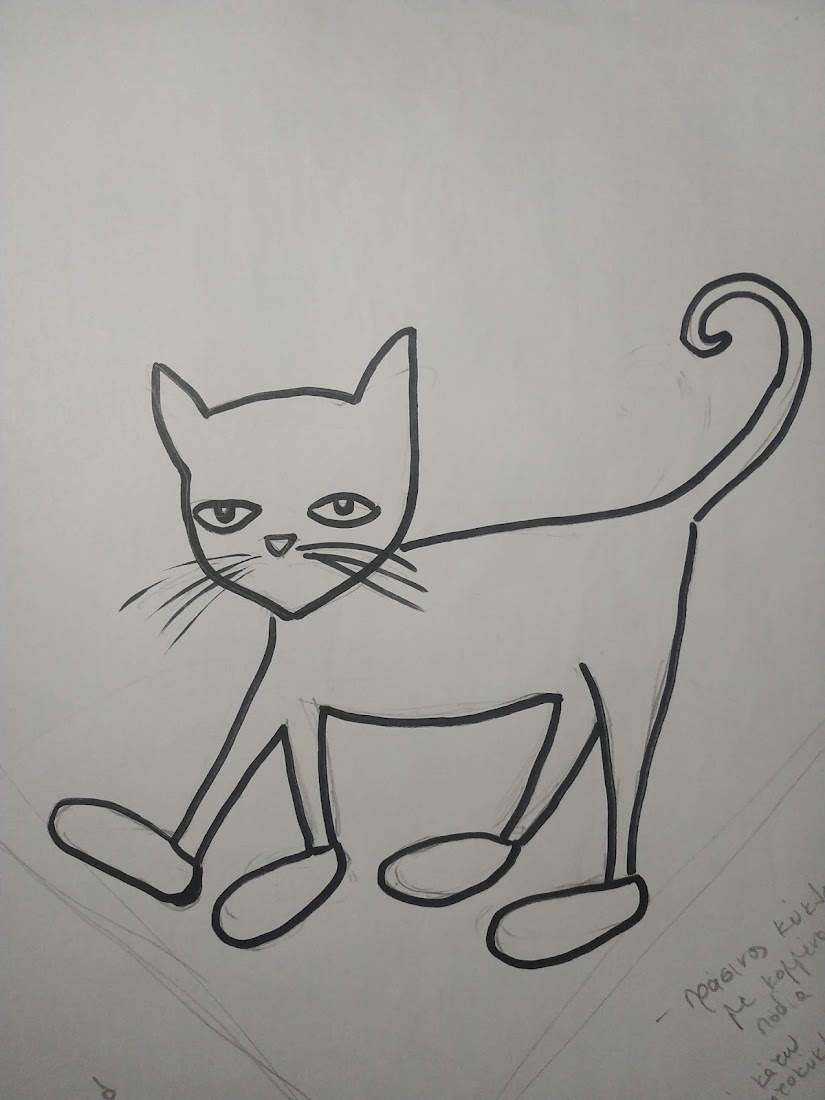
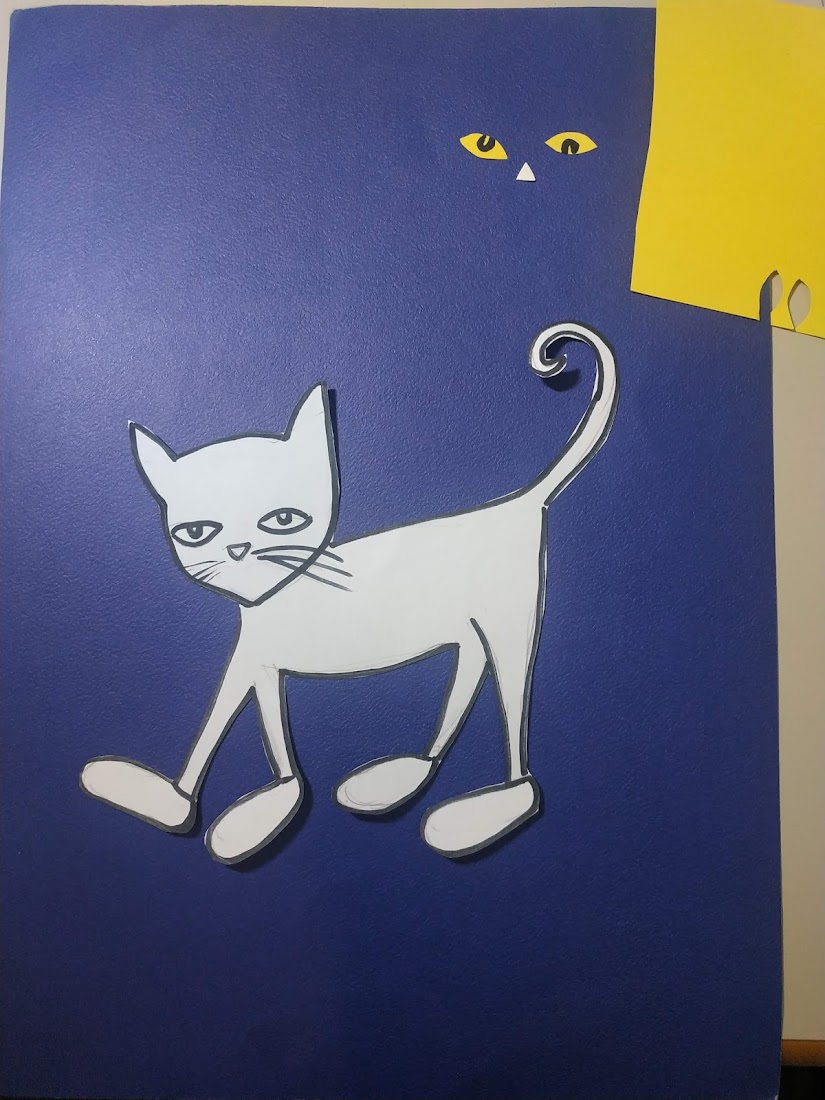
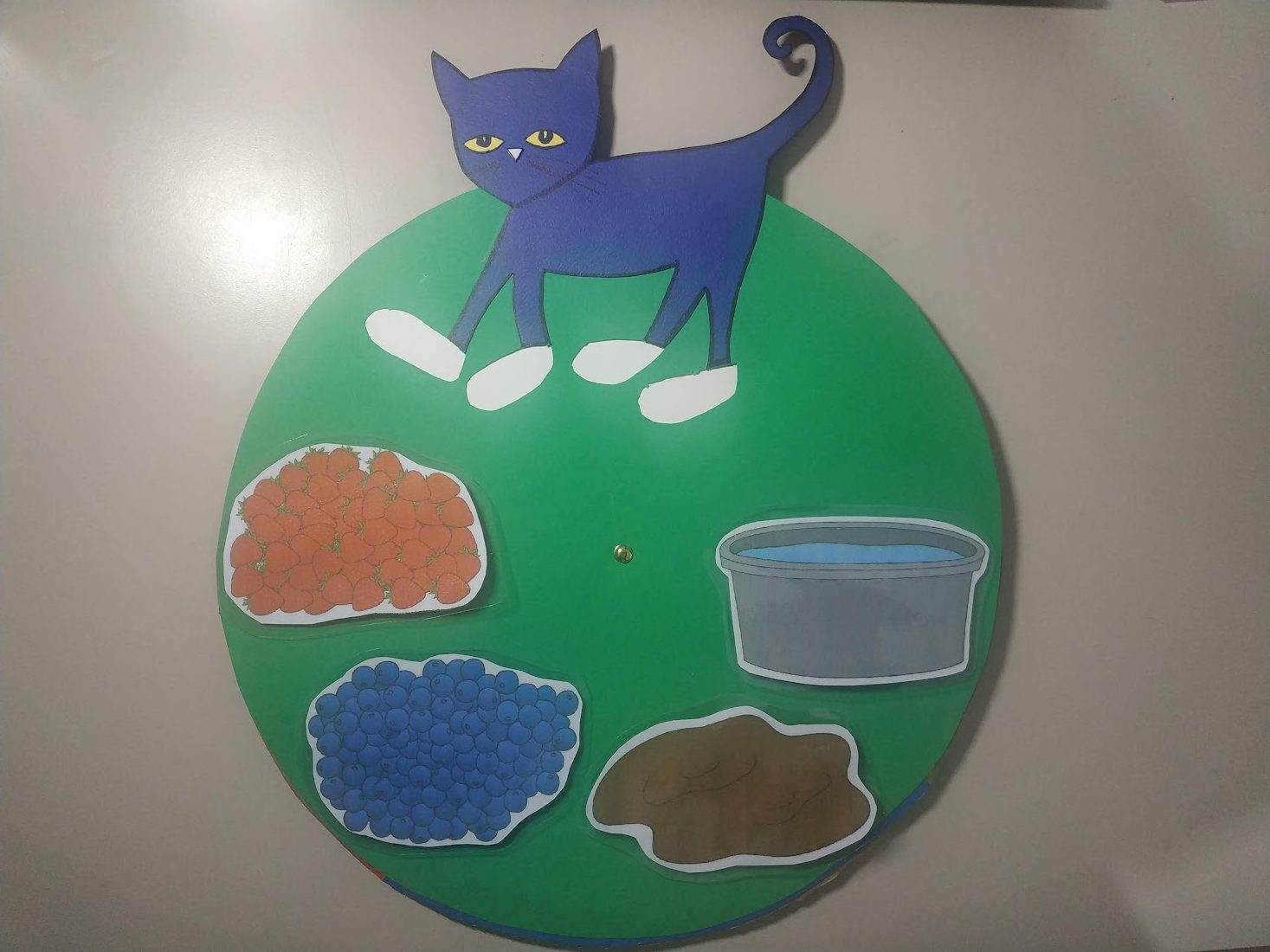
I made this funny story prop to help pupils repeat the story (after we have read the book and watched the video). The rotating disc enables the impressive change in Pete’s shoes when he inadvertently steps in all kinds of colour-changing substances: the disc is separated in 4 quadrants (white, red, blue and brown.) The disc is covered by a green circle on top of which the cat is glued. The shoes are cut on the green surface (best cut with an exacto knife pen for more precision). All the layers are connected in the middle with the help of a split spin.

Here are some pics:

And here’s the end product, with velcro straps to hold the laminated images of strawberries, blueberries, mud and the bucket of water (found at kizclub Story Props)

Here’s how I used it with my 1st graders:


I will use some easy artwork as well from Pete the Cat Activities: Pete the Cat Rocking In My School Shoes: Coloring

Hope you will find this article useful (and not  CATastrophic!!! 😆 )

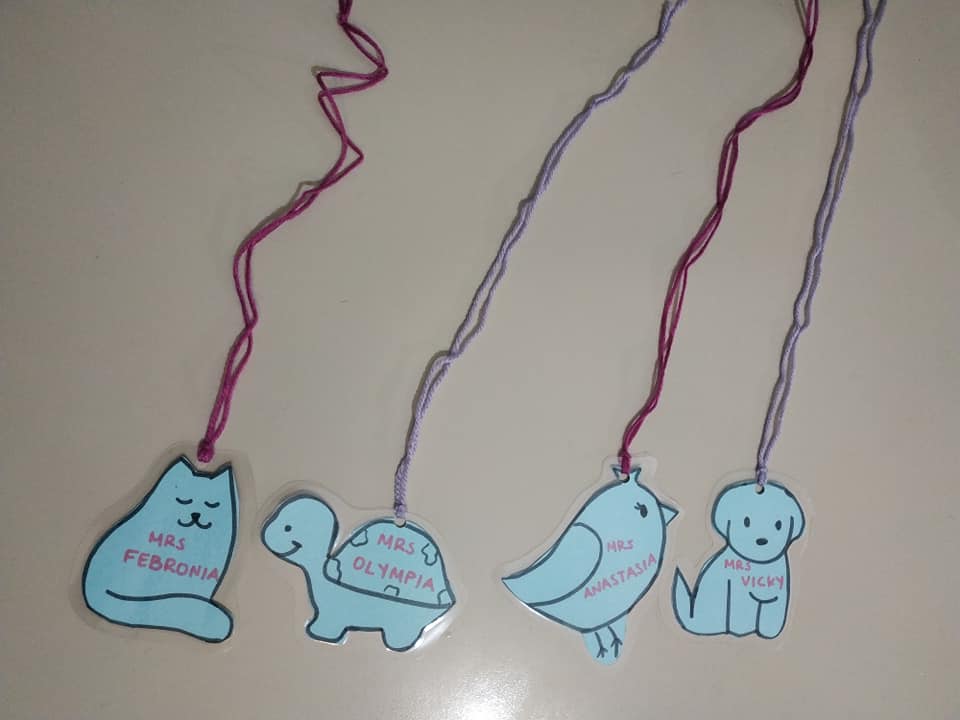
Name tags

Name tags are so useful for teachers: apart from their obvious function ( to make teachers’ life easier and help them remember their students!) they can be used in other instances.

 I will use mine in order to establish the following routine: I call out a name, ‘George, where are you?’, George comes forth, says ‘Here I am!’, I give him his name tag saying ‘Here you are’, he says ‘Thank you’ and I say ‘You’re welcome’.

Name tags can also be used to form groups for collaborative activities (could be Simon-says-type). When, for instance, animals have been taught all students with a certain animal will have to do something (e.g. bark), or when colours have been taught students can be grouped according to the colour of their name tag (yellow birdies clap their hands) etc, etc.

They needn’t be fancy: 3 or 4 free clipart animals that allow some space to write the name of the pupil drawn on cardboard (of 2 or 3 different colours), laminated and suspended by a colourful piece of yarn.

Just don’t forget to make one for the Kindergarten teacher or else s/he will be very jealous!!!

Here some pics:

Incy Wincy spider

It’s probably one of the most beloved English nursery rhymes (for teachers and pupils alike!)

Whether you sing Incy Wincy  or Itsy Bitsy (or even Itsie Bitsie!) Spider, its simple and cheerful melody will get stuck in your head like an … earworm (earspider???  😛  )

You can have endless fun with your kindergarten kids by accompanying it with some movements and varying the speed of your singing:

  • Alternately touch the thumb of one hand to the index finger of the other (like a climbing spider).
  • Hold both hands up, wiggle the fingers and lower the hands (to indicate rain).
  • Sweep the hands from side to side (as the spider is washed away).
  • Raise both hands and sweep to the sides to form a semicircle (as the sun comes out).
  • Wiggle fingers upwards (as the intrepid spider heads up that spout again).


You can make it even more visual by using The Itsy Bitsy Spider Worksheet found at: Homemade Preschool

Here’s a video of how I use the song in class! 

Incy Wincy spider (with Mrs Mary)


Here’s a little follow-up Worksheet I made to boost the pupils’ prewriting skills.