 If you are on social media, you have certainly heard of ‘fake news’ or ‘Internet hoaxes’. How much do you really know about these terms?
Let’s take a short quiz:
- Do you often share stories that seem strange, unbelievable or that make you feel angry or upset?
- Would you share a news item without checking the source?
- Does this URL seem to be a trustworthy website: crazymonkeyblogspot85.com.co ?
- Do you think an image can provide solid evidence for a particular news item?
- If a well-known journalist reports something is it necessarily a fact?
If you have answered ‘YES’ in most of the questions above, then you need to learn more about how to spot fake news.
Here’s a useful video lesson by the British Council website to help you spot fake news while practising some useful language.
Video lesson: Five ways to spot fake news
There has recently been a lot of misinformation and disinformation regarding the new coronavirus disease on the media. Some commentators are now referring to this avalanche of false information as a ‘disinfodemic’, which is as dangerous (if not more) as the pandemic itself. Organizations such as UNESCO and the World Health Organization (WHO) are making constant efforts to prevent the spreading of misleading rumours and promote the facts about the virus.
How much do you know about coronavirus disease? Are you confused about opposing views or not sure whether a rumour is a myth or a fact? Where can you get reliable information about the pandemic?
Here is your place to start!
Explore this interactive poster to debunk some myths and learn all you need to know about coronavirus. Do a quiz, watch videos, get answers to your questions from trusted sources and have fun! Be informed and stay safe!
 The past few weeks have been really… should I say ‘weird’? It’s really hard to find a single word to describe one’s feelings during this difficult time. When school closure due to coronavirus was first announced, my kids jumped for joy! I can’t say I was sorry either; I would finally be able to do the things I had been putting off for quite some time, let alone relax at home a bit. (God knows I needed that!) Soon, the little ones started complaining about not seeing their friends, about Internet disconnections and so on… Then came boredom, anxiety about the whole situation getting out of control and, at times, fear about the ‘unknown enemy’. As a teacher I had to adapt to the new ‘distance teaching’ idea and somehow make it work. Confusion and curiosity soon gave place to disappointment and anger, when the online teaching platforms didn’t work as they were supposed to. I’ve been looking for alternatives and trying my best, but my best is still not good enough…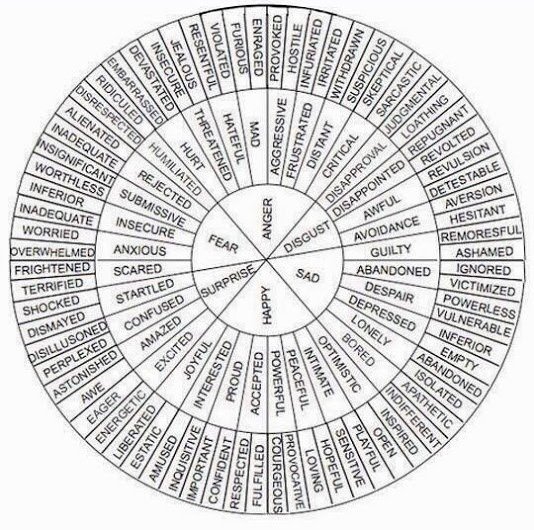
 So how are you feeling today?
 Hello everyone!