

A well-known English proverb says, “every cloud has a silver lining”, meaning that no matter how bad a situation might seem, there is always some good aspect to it. This phrase has been used quite a lot recently by many people who claim that despite the destructive consequences of the coronavirus pandemic, there is something good that can come out of it. This ‘silver lining’ perspective is best expressed in the following poem written by Kitty O’Meara, a retired teacher and chaplain from the US, which went viral as soon as it was posted on Facebook:
And the people stayed home. And read books, and listened, and rested, and exercised, and made art, and played games, and learned new ways of being, and were still. And listened more deeply. Some meditated, some prayed, some danced. Some met their shadows. And the people began to think differently.
And the people healed. And, in the absence of people living in ignorant, dangerous, mindless, and heartless ways, the earth began to heal.
And when the danger passed, and the people joined together again, they grieved their losses, and made new choices, and dreamed new images, and created new ways to live and heal the earth fully, as they had been healed.
This Easter holiday, let’s make time spent at home, time well-spent. Let’s listen to music, read books, draw or dance. Let’s play with our little brothers and sisters, make Easter cookies with our mums, talk to each other, listen to each other. Let’s call someone who needs to listen to our voice or be silent and listen to our inner voice. Let’s make this a time of healing.
On Catholic Easter Sunday (April 12, 2020), by invitation of the City and of the Duomo cathedral of Milan, Italian global music icon Andrea Bocelli gave a solo performance representing a message of love, healing and hope to Italy and the world. This is his incredible performance of Amazing Grace, a Christian hymn written in 1772 by the English poet and Anglican clergyman John Newton.
Amazing grace! How sweet the sound,
That saved a wretch like me!
I once was lost, but now am found,
Was blind, but now I see.
’Twas grace that taught my heart to fear,
And grace my fears relieved;
How precious did that grace appear
The hour I first believed!
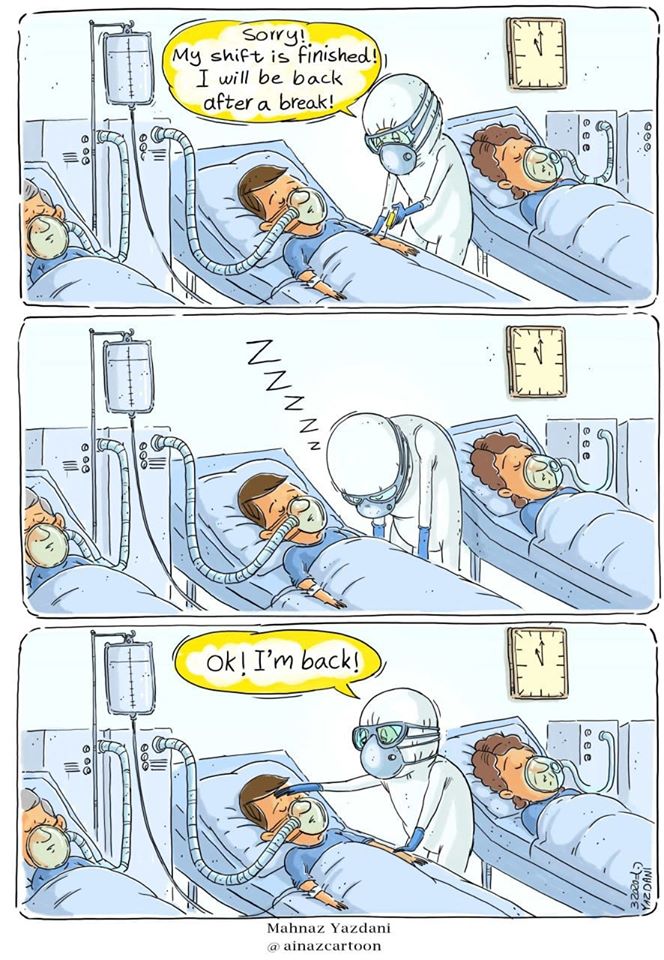
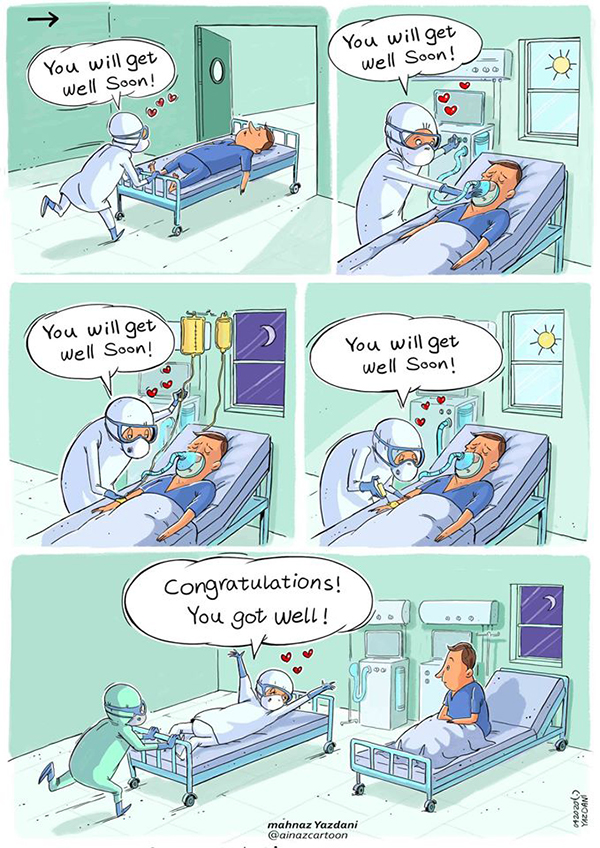
 Real heroes don’t wear capes. In fact, they look nothing like the glamorous superheroes we see in the movies. They are all around us, exhausted, dirty and sometimes scared. However, these ordinary people, whose names will never become famous, are the ones who work day and night, trying their best and even risking their lives to support us during this difficult time of crisis. This lesson is my small tribute to them.
 Is it impossible to live without your smartphone? Are you hooked on social media or online gaming? Social media addiction, gaming disorder, internet addiction are gradually becoming more and more common, not only among teenagers, but with all age groups really. Especially now, during coronavirus lockdown, people have become even more dependent on modern technology for communication, education, work and entertainment. As a result, we end up spending most of our day in front of a screen.