Interactive Videos
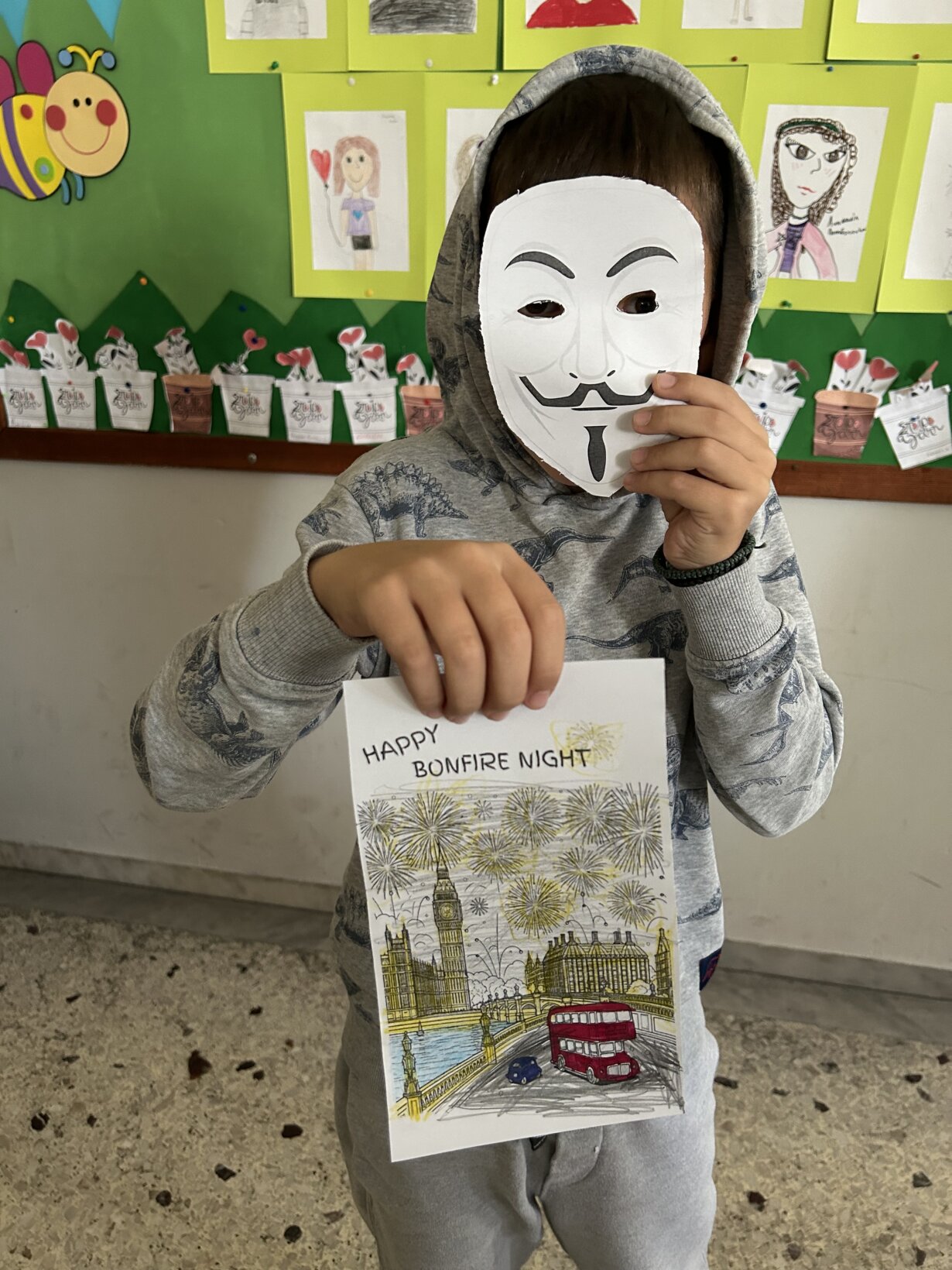
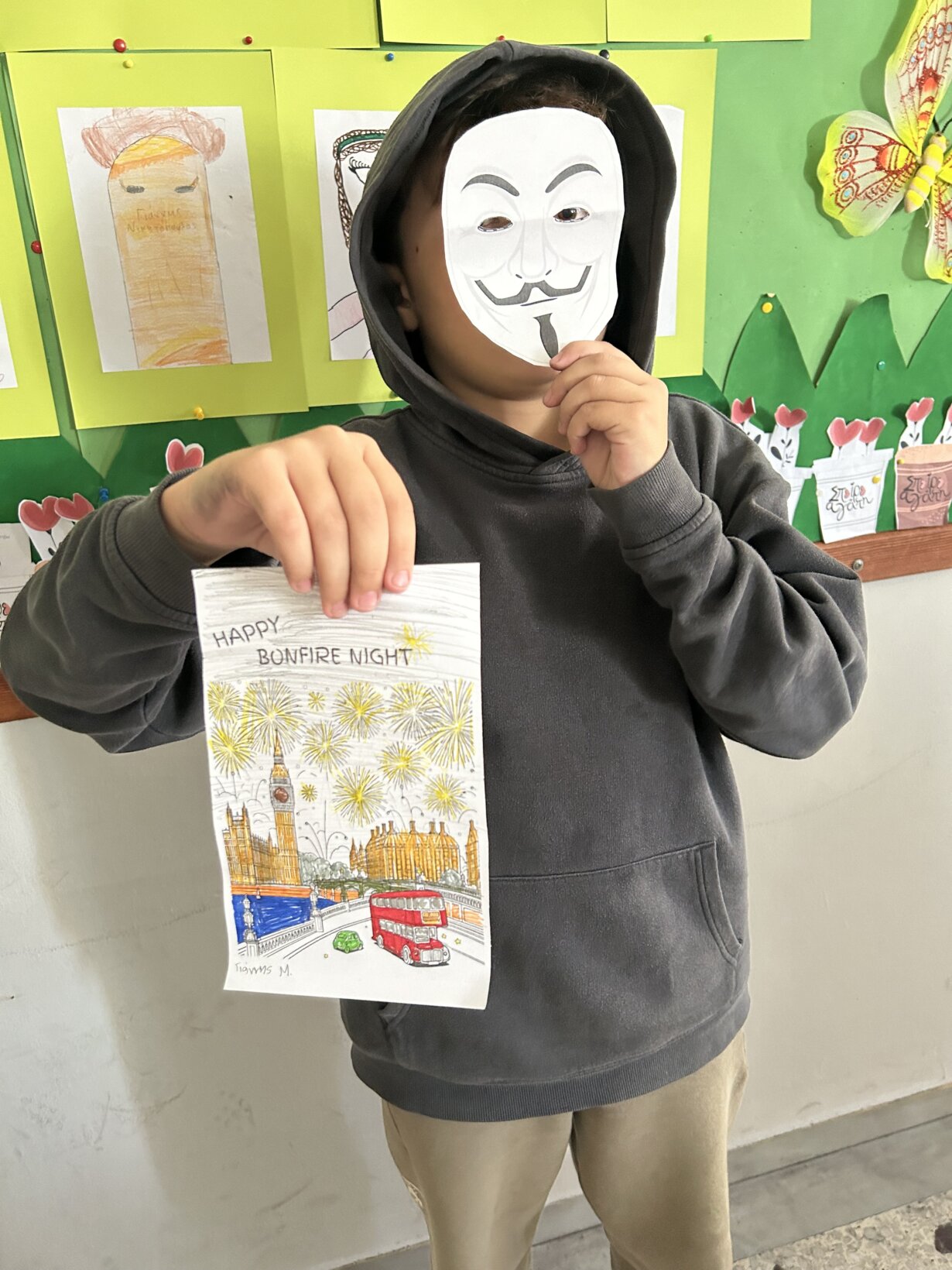
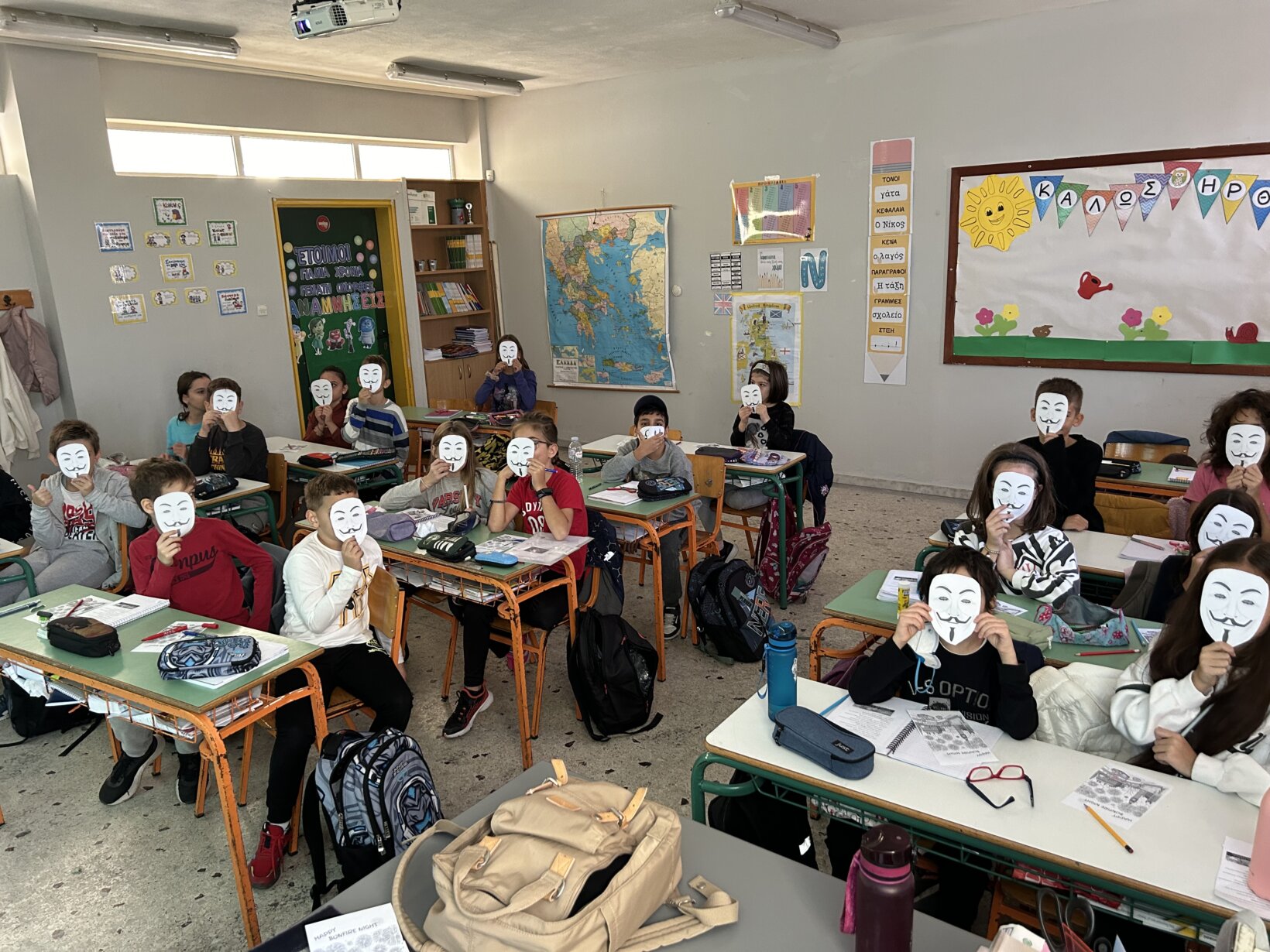
The history behind the celebration
Guy Fawkes and the Gunpowder plot
VOCABULARY
Fill in the gaps.
True or False?
The texts come from ruthlessteacher.com

Brewing English, Culture, Lit and Tech
The history behind the celebration
Guy Fawkes and the Gunpowder plot
The texts come from ruthlessteacher.com
Every year on April 23rd, England celebrates St George’s Day, a day dedicated to the country’s patron saint. But who exactly was St George, and why is he so important?
St George was a Roman soldier born in the 3rd century, likely in what is now modern-day Turkey. He became famous for refusing to give up his Christian faith and was martyred around the year 303 AD. Over time, his bravery and dedication turned him into a legendary figure.
The most famous story about St George is the tale of St George and the Dragon. According to legend, a fearsome dragon was terrorising a town, and the people were forced to offer sacrifices to keep it away. When the king’s daughter was chosen as the next victim, George bravely fought and killed the dragon, saving the princess and the town. This heroic act made him a symbol of courage, honour, and protection.
Today, the red cross of St George is part of the Union Jack, and it also appears on England’s flag. While St George’s Day is not a public holiday, many people still mark the occasion with flags, parades, and traditional English food.
Even though the story is more legend than fact, St George represents bravery and standing up for what is right—values that are still important today.




St. David’s Day: It commemorates the patron saint of Wales, St. David, with festivities including parades, traditional Welsh food, and cultural events.
St. Patrick’s Day: Celebrated on March 17th, St. Patrick’s Day is a cultural and religious holiday honoring the patron saint of Ireland, St. Patrick. It is widely celebrated with parades, wearing green attire, and festivities that often include traditional Irish music, dancing, and food.
Pancake Day (Shrove Tuesday): Traditionally observed on the Tuesday before Ash Wednesday, which usually falls in February or March, Pancake Day marks the beginning of Lent in the Christian calendar. It’s a day for indulging in pancakes before the fasting period of Lent begins.

William Shakespeare’s Biography (British Council)
Stratford-Upon-Avon
The Globe Theatre
In the UK, the Epiphany tradition is highly regarded by many people as it marks the end of the festive season with a celebration that often goes beyond the familiar festivities of Christmas. Epiphany, which falls on January 6th, commemorates the arrival of the Magi to the infant Jesus, symbolizing the revelation of Christ to the Gentiles.
One of these traditions is Twelfth Night in Britain. This ancient custom involves taking down Christmas decorations and the Christmas tree on either January 5th or 6th night. It is considered bad luck to keep decorations up beyond this point according to tradition and households gather for a final evening of merriment before bidding farewell to the holiday season.
The highlight of Twelfth Night is cutting of King Cake. This rich and fruity confection contains a hidden charm or trinket, symbolizing baby Jesus. As slices are made through it, whoever finds this hidden charm becomes “king” or “queen” for that night thus adding an element of fun and festivity to the occasion.
In various regions, Epiphany is celebrated through the lively spectacles of “Mummers Plays,” performed by amateur actors in vibrant attire and elaborate masks. These short, humorous plays have a long history and depict the eternal struggle between good and evil. According to tradition, their performance brings good luck and protects against malevolent forces for the upcoming year.
While Christmas may take the spotlight, Epiphany holds its own significance in the UK, boasting unique traditions rooted in the past. The festive spirit of coming together, merriment, and the symbolic act of collectively taking down decorations add to the diverse tapestry of British cultural festivities, truly making it a feast for the senses.