
Απρ 20 2015
Eβδομάδα Μαθητικής Δημιουργίας
Δεν επιτρέπεται σχολιασμός στο Eβδομάδα Μαθητικής Δημιουργίας
Απρ 15 2015
Easter in Greece
Easter is the most important holiday for Greeks.
All religious people fast before Easter. Clean Monday is the first day of Easter lent. It is the day that puts an end to the carnival festivities and marks the start of a seven-week period during which Orthodox Christians prepare themselves for Easter.
Clean Monday is a public holiday so everyone has the chance to celebrate it. On this day, people organise excursions and picnics and celebrate the day by eating traditional food such as taramosalata (a fish roe spread), lagana (a special kind of flat bread) and shellfish. The dessert of the day is halvas which is tahini-based.
During the seven-week period of lent Orthodox Christians abstain from meat, fish and dairy products. Fish is allowed only on March 25, the day on which the Annunciation of the Virgin Mary is celebrated as well as on Palm Sunday, the Sunday preceding Easter.
Easter holidays start for students and teachers in Greece on Lazarus Saturday, the day before Palm Sunday. The feast celebrates the resurrection of Lazarus of Bethany. It is customary on Lazarus Saturday to plait elaborate crosses out of palm leaves which will be used on Palm Sunday. Children go from house to house and sing the carol of Lazarus. Then on Palm Sunday the Greek Church celebrates the Entrance of Jesus into Jerusalem following His glorious miracle of raising Lazarus from the dead. People of Jerusalem welcome Jesus with displays of honor and shouts of praise. Because of the fact that Palm Sunday is a big feast the consumption of fish is allowed.

Holy week is a period during which a lot of people in Greece go to church and the majority of them fast. Every evening from Palm Sunday until Good Friday there is an Evening service which a lot of people attend.
On Holy Thursday, Easter preparations begin with women dying eggs red and baking tsoureki (Easter sweet bread) and Easter cookies. Church services on this day include a symbolic representation of the crucifixion and women stay in church mourning throughout the night.


Good Friday is a public holiday in Greece since it is the holiest day of the year. Starting early in the morning, women decorate the Epitaph with flowers. The Epitaph procession begins at around 9pm. and a large number of people take part in it.

Holy Saturday is the day on which men prepare the lamb for Easter Sunday. Women cook mayiritsa (a soup with kid offal and intestines) which is eaten after the midnight service. Then people go to the midnight service to celebrate the resurrection of Christ. Everyone attends the service holding a white candle. Children hold a special kind of candle which is given to them by their godfather or godmother as an Easter gift and is called labada. After the service people go home and break the lent by eating mayiritsa soup, red eggs, tsoureki and Easter cookies.


On Easter Sunday, Greeks prepare a lamb on the spit and while it is being roasted they listen to Greek music and prepare the rest of the Easter dishes which include salads and pies. The Easter table is set and families sit around it to eat, drink wine and celebrate. They also choose a red egg, try to crack the other red eggs and the one whose egg is not cracked is the winner.
For Greeks, Easter Sunday is the most important day of the year. It is, of course, a public holiday.

Easter Monday, which is also a public holiday in Greece, is a day of celebration, especially when Saint Georgios is also celebrated on this day. April 23 is Saint Georgios’ Day. When this day falls in the period of lent , then Saint Georgos’ Day is celebrated on Easter Monday. A lot of people in Greece are named Giorgos (George) so people visit friends and relatives who celebrate their name days.
People go back to work on Tuesday. However, schools start 6 days later. Easter holidays for Greek students and teachers last for 16 days!
Δεν επιτρέπεται σχολιασμός στο Easter in Greece
Απρ 15 2015
eTwinning – Easter in Slovakia – 6th Grade
Easter in Slovakia
In Slovakia tradition plays a significant role in the life of people since it preserves the unique heritage of their religious past. Easter celebrations constitute the cornerstone of the Slavic tradition and the focal point of the culture. Easter is the most significant Christian holiday. Easter was established as a holiday in the second century. Sunday was chosen by the council of Nicea as the day of celebration since it is the day of the week on which Jesus rose from the dead. It is the Sunday that follows the first full moon after the spring equinox (between March 21 and April 25). Therefore it is a moveable holiday and its date changes every year. This year (2015) Easter was celebrated in Slovakia on April 5.
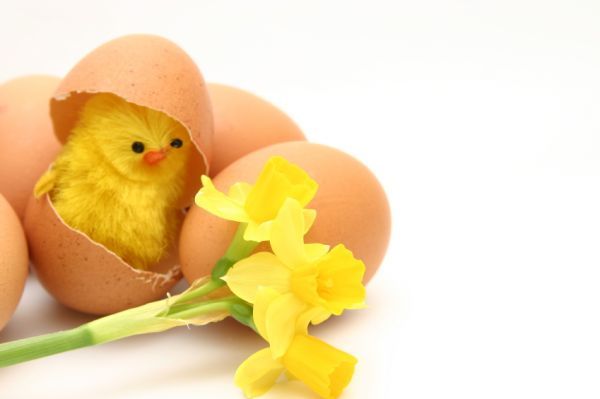
Preparations for Easter
In Slovakia people start preparing for Easter days before the celebration. Extensive grocery shopping and baking pastries and cookies are part of the preparations in order for them to be ready for the big feast.
Easter Menu
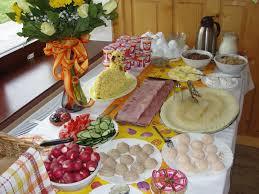
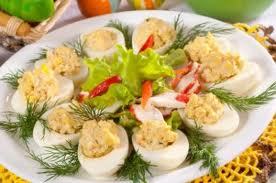
The Easter menu in Slovakia is always festive. People eat potato salad with mayonnaise, cooked ham, cold cuts, and sandwiches on Easter Sunday and Easter Monday. Cookies and pastries are part of the Easter menu as well.
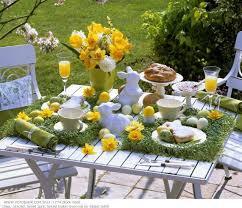
Religious and cultural celebrations
Religious and cultural celebrations take place on Palm Sunday, Good Friday, Holy Saturday, Easter Sunday and Easter Monday.
Good Friday commemorates the death of Jesus Christ. People visit the churches on this day. It is a state holiday in Slovakia. However, stores and supermarkets are usually open.
On Easter (White) Saturday, celebrations begin after dusk. Holy liturgies begin with the blessing of fire and lighting the Easter Paschal candle. This symbolises the resurrection of Jesus. A reading from the Old Testament accompanied by organ music and bells follows. At the end of the masses, the celebration of the resurrection begins. This recommences on Easter Sunday. A very important clerical ceremony is the untying of the bell and its first ringing.
Easter Sunday commemorates the resurrection of Jesus Christ. It is considered the culmination of the entire Easter week and its holidays in Slovakia. It is the end of the period of Lent.
Easter Monday is also connected with the custom of bathing or soaking girls with water and ‘whipping’ them with a willow whip. The symbols of this day are water, the colour green and decorated eggs which are exchanged in return for the ‘whipping’.
Special Slovak Easter Traditions
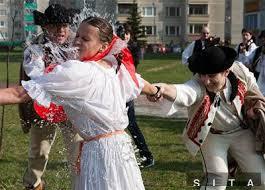
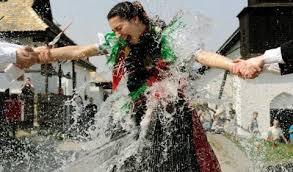
- Water pouring which is called “Oblievacka” is a typical Easter Monday custom in Slovakia. The character of oblievacka slightly varies from region to region. On this day men visit their female relatives and friends and pour water on them or spray them with perfume, and whip them gently with special whips made of braided willow rods. According to tradition, pouring water on women will guarantee their beauty and good health throughout the year. During this tradition men may sing songs and play the accordion. Then women reward men with sweets, fruit, money, or painted Easter eggs. Recently this custom has not been as intense as it used to be in the past decades.
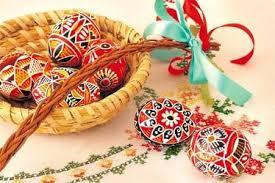
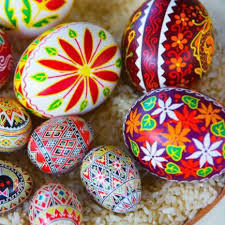
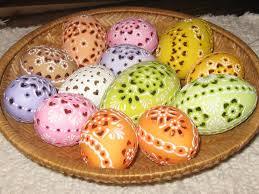
- There are many kinds of Easter eggs in Slovakia. They are called ‘kraslice’ and are quite popular in Slovak tradition. Kraslice are painted, dyed, or otherwise decorated blown eggs. The most beautiful are those eggs with small holes on the surface. Many decorate kraslice at home or buy them at market or at the craft store. These elegantly decorated eggs make great gifts for families and friends.
- On Easter Sunday, when returning from church in the morning, people walked around their house in order to ensure a good harvest. Before Easter dinner, an egg was also divided among all family members to remind them not to forget each other and to stick together. Another folk tradition was rubbing cattle with the lard from Easter dinner in order to protect them from snakebites
Δεν επιτρέπεται σχολιασμός στο eTwinning – Easter in Slovakia – 6th Grade

Απρ 04 2015
Δραστηριότητες 3ης Απριλίου : Εκδήλωση Δανειστικής Βιβλιοθήκης – Παρουσίαση έργου “Η Δική μας Γέφυρα”
Την Παρασκευή 3 Απριλίου 2015, με αφορμή την Παγκόσμια Ημέρα Παιδικού Βιβλίου (2 Απριλίου), πραγματοποιήθηκε στο σχολείο μας εκδήλωση για τον Διαγωνισμό της Δανειστικής Βιβλιοθήκης. Την ιδέα του Διαγωνισμού καθώς και την επιμέλεια της εκδήλωσης είχε η καθηγήτρια Αγγλικών Μαίρη Ζαχαριά. Οι μαθητές του Δ1 πήραν μέρος στην εκδήλωση με δύο ακροστοιχίδες ενώ οι μαθητές του Β2 και η δασκάλα τους Ανθή Βλασσά παρουσίασαν το δικό τους παραμύθι ¨Το Μεγάλο Καρότο”.
Τα υπόλοιπα τμήματα συμμετείχαν με ατομικά έργα των μαθητών τους – εξώφυλλα και οπισθόφυλλα – που δημιούργησαν για τα βιβλία που δανείστηκαν από τη βιβλιοθήκη μας . Έπαινοι απονεμήθηκαν σε όλους τους συμμετέχοντες και ακολούθησε η απονομή των πρώτων βραβείων στους μαθητές των οποίων τα έργα διακρίθηκαν. Η φιλοτέχνηση των βραβείων αυτών έγινε από την καθηγήτρια Θεατρικής Αγωγής Ελένη Ρασσιά ενώ η επιλογή των έργων έγινε από τον καθηγητή Εικαστικών Γιάννη Κοκορδάτο.
Στη συνέχεια πραγματοποιήθηκε η παρουσίαση του έργου “Η Δική μας Γέφυρα”. Με το έργο αυτό οι μαθητές του ΣΤ1, Γιαπλές Νίκος , Ιωάννου Εβίτα, Κόλλιας Παύλος, Λουκαδάκης Γιάννης και η καθηγήτρια Πληροφορικής Άννα Κόρδη πήραν μέρος στον 1ο Περιφερειακό Διαγωνισμό Εκπαιδευτικής Ρομποτικής στη Λαμία οπού κατέκτησαν την πρώτη θέση. Η θέση αυτή τους έδωσε το εισιτήριο για τον Πανελλήνιο Διαγωνισμό στην Αθήνα που αποτέλεσε για όλους μοναδική εμπειρία.


Δεν επιτρέπεται σχολιασμός στο Δραστηριότητες 3ης Απριλίου : Εκδήλωση Δανειστικής Βιβλιοθήκης – Παρουσίαση έργου “Η Δική μας Γέφυρα”


Απρ 02 2015
Επίσκεψη της Ε τάξης στην Αγία Παρασκευή


Σ’ ένα απ’ τα πιο αξιόλογα Βυζαντινά μνημεία της Εύβοιας στο ναό της Αγίας Παρασκευής βρεθήκαμε την Πέμπτη 1-4-2015. Ακούσαμε την ιστορία του από τον προϊστάμενο του ναού και είδαμε τα ίχνη που άφησαν στο πέρασμα των αιώνων οι κατακτητές του τόπου μας.
Οι μαθητές της Ε’ τάξης
Δεν επιτρέπεται σχολιασμός στο Επίσκεψη της Ε τάξης στην Αγία Παρασκευή
Απρ 02 2015
Πασχαλινές κατασκευές του Β1


Δεν επιτρέπεται σχολιασμός στο Πασχαλινές κατασκευές του Β1
Μαρ 30 2015
Εκδήλωση Δανειστικής Βιβλιοθήκης 9ου Δημοτικού Σχολείου – Παρασκευή 3 Απριλιου 2015
Η ημέρα γενεθλίων του Hans Christian Andersen, 2 Απριλίου, έχει καθιερωθεί ως Παγκόσμια Ημέρα παιδικού βιβλίου. Με αφορμή την ημέρα αυτή,την Παρασκευή 3 Απριλίου θα πραγματοποιηθεί στο σχολείο μας εκδήλωση για την απονομή βραβείων και επαίνων συμμετοχής στον Διαγωνισμό της Δανειστικής Βιβλιοθήκης.
Δεν επιτρέπεται σχολιασμός στο Εκδήλωση Δανειστικής Βιβλιοθήκης 9ου Δημοτικού Σχολείου – Παρασκευή 3 Απριλιου 2015
Μαρ 30 2015
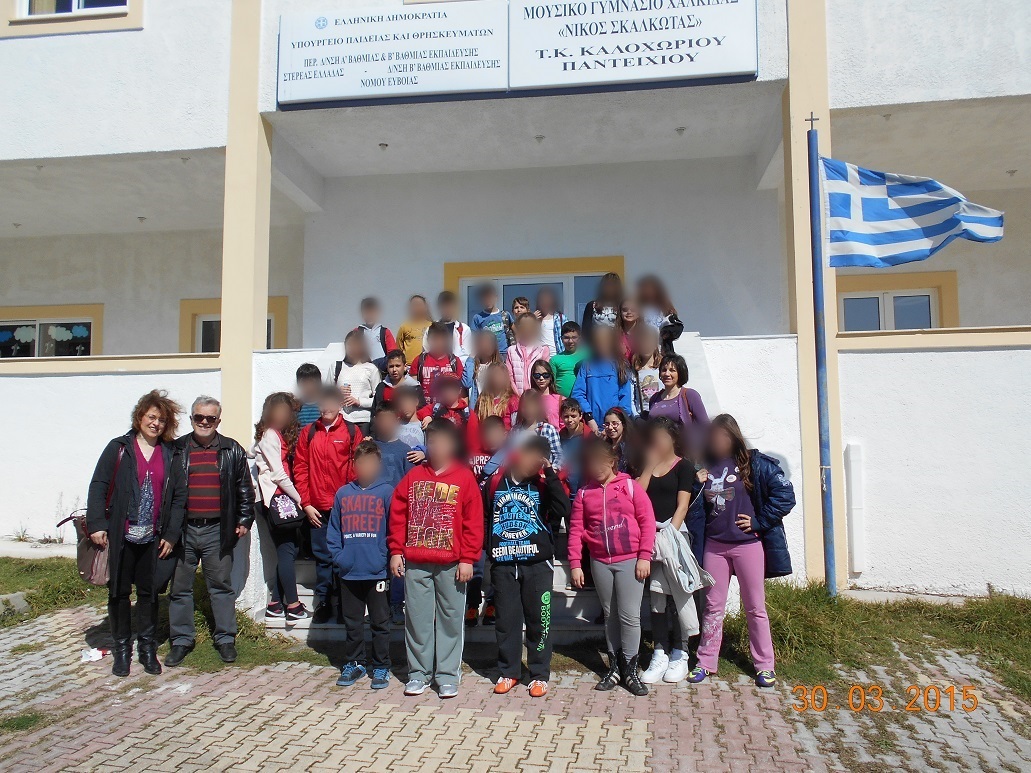
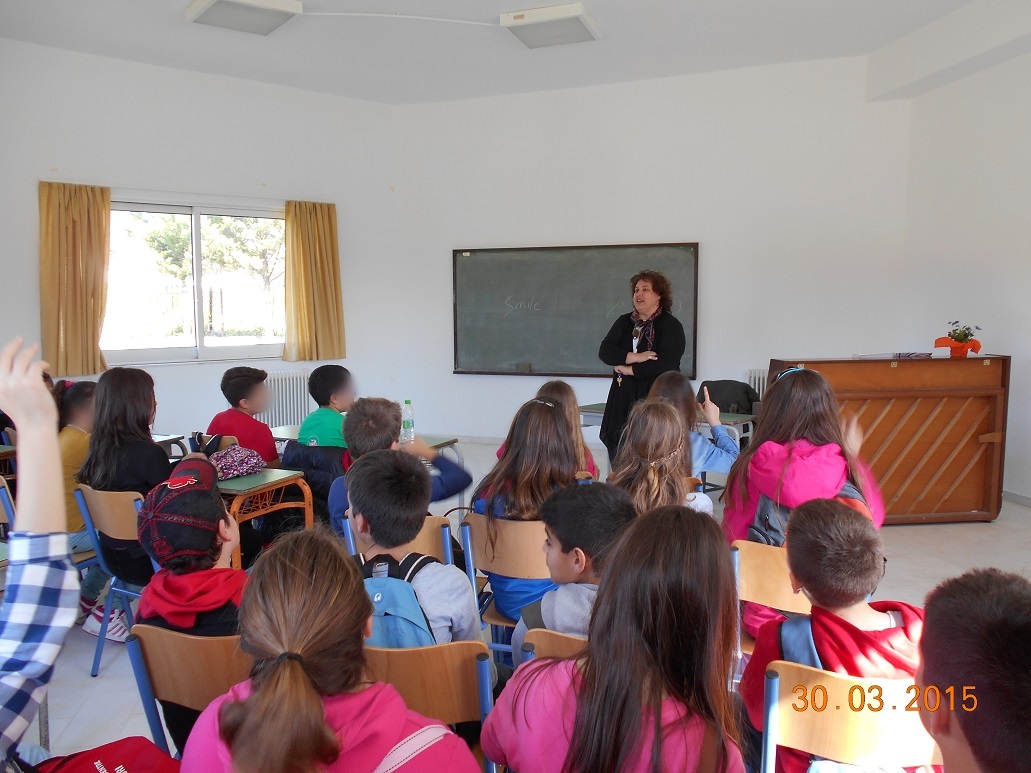
Εκπαιδευτική επίσκεψη με τραίνο της Στ τάξης στο Μουσικό Γυμνάσιο
Οι μαθητές της ΣΤ τάξης επισκέφτηκαν το Μουσικό Γυμνάσιο Χαλκίδας στο Παντείχι. Εκεί ξεναγήθηκαν και ενημερώθηκαν για την οργάνωση και λειτουργία του Μουσικού Γυμνασίου.


Δεν επιτρέπεται σχολιασμός στο Εκπαιδευτική επίσκεψη με τραίνο της Στ τάξης στο Μουσικό Γυμνάσιο