ΤΟ ΕΠΙΚΙΝΔΥΝΟ ΦΑΙΝΟΜΕΝΟ ΤΟΥ ΡΑΤΣΙΣΜΟΥ από το Βασίλη Βαζούρα – Τεύχος Ιουνίου 2010

racism.jpg 

ΤΟ ΕΠΙΚΙΝΔΥΝΟ ΦΑΙΝΟΜΕΝΟ ΤΟΥ ΡΑΤΣΙΣΜΟΥ

από τον Βασίλη Βαζούρα


Ο ρατσισμός δεν είναι ένα φαινόμενο της εποχής μας. Υπάρχει από τα αρχαία χρόνια, όταν οι πλούσιοι άνθρωποι αντιμετώπιζαν ρατσιστικά, δηλαδή εξευτελιστικά και υποτιμητικά, τους δούλους. Παρόμοια αντιμετώπισαν οι Ευρωπαίοι τους Ινδιάνους της Αμερικής. Και με τον ίδιο τρόπο αντιμετωπίζουν σήμερα οι άνθρωποι κάποιους άλλους ανθρώπους που διαφέρουν από αυτούς στην καταγωγή, στο πνευματικό ή οικονομικό επίπεδο.

Εντύπωση προκαλεί η ιστορία της 15χρονης Λορέιν, που περιλούστηκε από πάνω μέχρι κάτω με λευκή μπογιά από έναν λευκό καταστηματάρχη, επειδή την πέρασε για κλέφτρα. Και βέβαια τέτοια γεγονότα συμβαίνουν κάθε μέρα, ακόμα και στη χώρα μας, την Ελλάδα.

Κατά τη γνώμη μου, για να εξαφανιστεί ο ρατσισμός, θα πρέπει οι άνθρωποι να λαμβάνουν σωστή παιδεία και μόρφωση. Μόνο έτσι θα μάθουν να σέβονται τους άλλους ανθρώπους, να αναγνωρίζουν σε αυτούς τα ίδια δικαιώματα και να τους θεωρούν ίσους. Εύχομαι αυτό να συμβεί γρήγορα και οι άνθρωποι να σταματήσουν να υποφέρουν εξαιτίας του ρατσισμού.

ANIMALS IN DANGER by our 4th graders – June 2010 Issue

animals-in-danger.jpg 

ANIMALS IN DANGER

by our 4th grade students


As part of a project for their English lesson, the 4th grade students of our school have found information and written about animals in danger. Here is some of their work: 

PANDA

by Vaggelitsa Papadimoula & Christina Houliara

 Pandas live in China. It looks like a bear. It eats bamboo. It has babies, usually one. It has babies once a year. They aren’t many pandas because people hunt them. We can help save the pandas not disappear if we don’t let people kill them.   

THE WOLF

by Anastasia and Mary Androniadou

 The wolf lives in North America, in Asia and in the Middle East. However, the constant hunting has reduced the number of wolves living in these areas. How do wolves look like?  The wolf is the ancestor of the dogs. This means that dogs came from it. However, its neck is thicker than the dogs’, so it is more difficult to move. Its skull is bigger in connection with its body and it has 42 teeth and 2 very big teeth, too. During the winter, its fur is grey, but during the summer the fur turns into yellow. Breeding: Wolf is a monogamous species and finds another wolf for a lifetime. The breeding period starts from February to April. The female wolf has 4-5 babies every year. Food: They eat elks, wild pigs, wild goats, sheep, cows, rabbits and grass. Dangers: The wolves are in a big danger. Poisoned food, hunting, destroying forests are the most serious dangers wolves face. So, to sum up, all of us should help to save the wolves left. Arcturos is an organization which helps animals that are in big danger. So, visit the site www.arcturos.gr for more information on how to help.  

CHINESE GIANT SALAMANDER

by Tina Pappa

 The Chinese giant salamander is the largest in the world, reaching a length of 180 cm, but, nowadays it is rarely to reach that size. It has a large head, small eyes and very poor eyesight. Its skin is dark and wrinkly. It lives in the rocky mountain streams and lakes in China and feeds on insects, frogs and fish. The female lays 500 eggs in an underwater breeding cavity, which is guarded by the male until the eggs hatch after 50-60 days. The Chinese salamander ways 15,25 -30 kg and is 1,15 cm in length. The Chinese salamander is considered critically endangered due to habitat loss, pollution and over-collecting, as it is considered a delicacy and used in traditional Chinese medicine. It has been listed as of the top-10 “focal species” in 2008 by the Evolutionary Distinct and Globally Endangered Project.  

PANDA

by Maria Mylona

 Panda is a big wolf. It lives in China. Its weight is 86-125 kilos. It has colour white and black. It is 1,20-1,90 metres long. It eats bamboo. All pandas are very beautiful. Today, there are only 1600 pandas.  The WWF protects them.  

THE BROWN BEAR
by Kostas Boudis

 The brown bears have got a lot of teeth, two legs, two arms, big eyes; they are fat and have sharp claws. They live in the mountains Pindos and Rodopi. They eat ants, fish, small animals and fruits. They are in danger because people hunt them.

THE TIGER
by Ioanna Vanikioti

 The tiger lives in the jungle. It looks like a big cat. The tiger gives birth to babies. It has five to six babies every year. The tiger eats wolves, wild goats, iguanas, tortoises and lizards. Today there are not many tigers. They live in Africa and there are only 100.000 on the planet. We can help them by not buying things made of their fur. We must love animals and not kill them. 

THE BROWN BEAR
by Panos Koletas

 The brown bear is the biggest flesh-eating animal of European forests. Its height is two metres when it stands on its two back feet. Its weight is more than 300 kilos. Its fur is brown and thick. Actually, it’s an animal that eats everything: meat, fruits, roots, honey. The brown bear is an animal that lives in loneliness, except for the summer, which is the period for reproduction. It has one or two babies per year. We have to protect the brown bear and help it to live free. 

MONACHUS MONACHUS
by Costas Mamalis

 The Mediterranean Monk seal “Monachus – monachus” is one of the most endangered mammals in the world. The Greek waters now host 250 seals at the North Aegean, Sporades, Crete, etc. Their face looks like a little dog, without ears, and there are whiskers under their nose. The size of an adult seal is about 2,5 metres and the weight of a seal is between 260 and 340 pounds. The monk seal can live more than 20 years free in nature. The breeding season is mainly during the months of May-November and it gives birth only to one seal. Seals feed with fish of various kinds, octopuses, etc. The natural enemies of the monk seal are the whales, sharks and orcas. The human are the greatest enemy of all animals.  

THE BROWN BEAR
by John Agorastos

 The brown bear appeared 35 million years ago. From the 19th century, their population is decreasing dramatically due to hunting. In France, Italy and Spain the total number doesn’t exceed 200. In Greece, there are around 150 in the mountains of Pindos and Rhodope.  The brown bear eats wild fruits, roots and mushrooms. It also likes honey. It is naturally aggressive. It can climb trees and stand on its two rear legs. In winter, it falls into slumber for 4-5 months. The female gives birth to one or two small bears, which are naked and blind.  Today, the hunting of the brown bear is forbidden by law.

RECYCLING by Konstantinos Papadimoulas – June2010 Issue

recycling.jpg

RECYCLING

by Konstantinos Papadimoulas


About a month ago, my English teacher and my classmates decided to recycle rubbish which where outside our school and in our playground. Our teacher gave us special gloves and bags.


We started picking up the rubbish and, then, we threw them in special recycling bins. It was a tiring, but very good activity, because we helped the environment to be less polluted. The most surprising thing was that we threw more than 10 bags in the recycling bin, full of plastic, paper and glass rubbish! And it was all in and around our school!

I felt very happy and excited because I did it with my friends and it was the first time that I took part in such an activity.

ΑΝΕΚΔΟΤΟ από την Μαρία Ιορδανίδου – Τεύχος Ιουνίου 2010

laughter1.jpg 

ΑΝΕΚΔΟΤΟ: «Η ΠΕΘΕΡΑ»

της Μαρίας Ιορδανίδου

Ήταν μια πεθερά πού είχε τρεις κόρες, και φυσικά τρεις γαμπρούς. Με τον πρώτον τα πήγαινε πάρα πολύ καλά, με τον δεύτερο έτσι κι έτσι και με τον τρίτο τα πήγαινε πολύ χάλια!

Μια μέρα είχε πολύ ζέστη και ήθελε να κάνει ένα τεστ για να δει πόσο την αγαπάνε οι γαμπροί της και έτσι αποφάσισε να πάει στην παραλία για να κάνει το τεστ. Πήρε λοιπόν τον πρώτο γαμπρό (αυτόν που τα πήγαινε πολύ καλά μαζί του) και πήγαν στην παραλία και έκανε πως πνιγόταν στα ψέματα. Μόλις την βλέπει ο γαμπρός τρέχει να την σώσει. Την άλλη μέρα, βρίσκει ο γαμπρός μία Lamborghini με κορδέλες και μια κάρτα: «Με αγάπη, η πεθερά σου». Συνεχίζει με τον άλλο γαμπρό το ίδιο. Την άλλη μέρα, βρίσκει και αυτός ένα ωραίο αμάξι και κορδέλες και μια κάρτα: «Με αγάπη, η πεθερά σου .Την άλλη μέρα κάνει το ίδιο στον άλλο τον γαμπρό, που δεν τα πήγαινε καθόλου καλά μαζί του. Κάνει ότι πνίγεται, αλλά αυτή την φορά πνίγεται στα αλήθεια. Δεν την σώζει ο γαμπρός και πεθαίνει στα αλήθεια !


Την άλλη μέρα, βρίσκει ο γαμπρός 1 πανάκριβο αυτοκίνητο με κορδέλες και μια κάρτα που έλεγε: «Με αγάπη, ο πεθερός σου !!!       

THE BEST CAMPING TRIP by John Alassonitis – June 2010 Issue

camping.jpg 

THE BEST CAMPING TRIP

by John Alassonitis


Last summer, I went camping in Fthiotida. There were a lot of children that I didn’t know. 

We stayed in tents. We all had our own tents. The camping area was really big. There was a beach and all the children were going there every morning. Later, we found a lot of fields for football, for tennis, basketball and volleyball. In the camping, there were 120 children, 50 girls and 70 boys. The boys were in teams for all the sports available, but the girls had a team for basketball, tennis and volleyball.

This is a camping I liked very much, because I made lots of friends and met different people who were friendly with me, as were all of the children.

ΑΝΕΚΔΟΤΟ από τον Παναγιώτη Κεραμίδα – Τεύχος Ιουνίου 2010

laughter.jpg 

ΑΝΕΚΔΟΤΟ


από τον Παναγιώτη Κεραμίδα


Πήγε κάποιος στον γιατρό γιατί ήταν άρρωστος. Μόλις τον είδε ο γιατρός, τον εξέτασε και του είπε πως είναι βαριά άρρωστος και ότι του μένουν 10. Τότε του είπε: «Τι, 10 λεπτά, 10 ώρες, μήνες, τι? Πείτε μου να ξέρω!» Και ο γιατρός απαντά: «10,9,8…..»

AMAZON RIVER by George Kehagiadakis – June 2010 Issue

amazon-river.jpg 

AMAZON RIVER

by George Kehagiadakis  


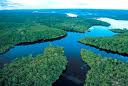
Amazon is a big river in North America. Its length is 6840 kilometers. Amazon is one of the longest rivers in the world. It got its name by the Spanish Francisco de Orlando, who sailed there in 1541-1542. During his trip, he fought against tribes of women, so he gave the river the name Amazon. Amazon is very famous for the jungle. This jungle has got the biggest forest. This forest is in danger, because people cut the trees. For more information, you can visit www.wikipedia.org .

ΑΘΛΗΤΙΚΕΣ ΔΡΑΣΤΗΡΙΟΤΗΤΕΣ – ΤΕΥΧΟΣ ΜΑΡΤΙΟΥ 2010

volleyball.jpg

Τις τελευταίες τρεις εβδομάδες πριν από το κλείσιμο των σχολείων για τις ημέρες του Πάσχα, οι μαθητές της Ε’ και Στ’ Τάξης, συμμετέχοντας στις σχολικές ομάδες ποδοσφαίρου και βόλεϊ κοριτσιών, πήραν μέρος σε αγώνες που διεξήχθησαν μεταξύ των σχολείων της περιφέρειάς μας. 

Πιο συγκεκριμένα, η ομάδα του βόλεϊ κοριτσιών της Στ’ Τάξης, μετά από νίκη έναντι του 4ου Δημοτικού Σχολείου, πέρασε στον τελικό με το 3ο Δημοτικό Σχολείο. Ο αγώνας έγινε στο κλειστό γήπεδο Αλμυρού, και η ομάδα μας έχασε μετά από ένα καταπληκτικό αγώνα με 2-1 σετ. Οι μαθήτριες – αθλήτριές μας, πάντως, έδωσαν τον καλύτερό τους εαυτό και τις συγχαίρουμε για την προσπάθεια. Συγχαρητήρια και στην ομάδα του 3ου Δημοτικού, πάντα επιτυχίες!

football.jpg

Όσον αφορά την ομάδα ποδοσφαίρου, έπαιξαν ήδη με την ομάδα του Δημοτικού Σχολείου Κροκίου και κέρδισαν με σκορ 10-2! Μετά τις διακοπές του Πάσχα, θα αγωνιστούν με το 4ο Δημοτικό Σχολείο Αλμυρού και, αν περάσουν στον τελικό, με το 2ο Δημοτικό Σχολείο Αλμυρού. Καλή Επιτυχία, παιδιά!!!

ΤΡΙΗΜΕΡΟ ΕΚΔΗΛΩΣΕΩΝ ΓΙΑ ΤΟ ΒΙΒΛΙΟ ΚΑΙ ΤΑ ΠΑΙΔΙΑ ΤΗΣ ACTIONAID – ΤΕΥΧΟΣ ΜΑΡΤΙΟΥ 2010

books.jpg

Το 1ο Δημοτικό Σχολείο Αλμυρού γιόρτασε το βιβλίο με ένα τριήμερο εκδηλώσεων. Την Τετάρτη 17/03 ξεκίνησε η Έκθεση Βιβλίου, την ευθύνη της οποίας είχαν οι ίδιοι οι μαθητές, και την Πέμπτη 18/03 φιλοξενήθηκε στους χώρους του σχολείου μας ο συγγραφέας παιδικών βιβλίων Άρης Δημοκίδης.

Ο κ. Δημοκίδης είναι ένας νεαρός συγγραφέας που στα βιβλία του, στα παραμύθια του, γράφει γι’ αυτά που του αρέσουν και τον ενθουσιάζουν. Με μεγάλη χαρά, οι μαθητές τον υποδέχτηκαν στην τάξη τους, όπου τους μίλησε, απάντησε στις ερωτήσεις τους και τους έδειξε τον τρόπο που γράφει, ονειρεύεται, σχεδιάζει τα βιβλία του. Στην τελική εκδήλωση, με όλα τα παιδιά του σχολείου,  παραβρέθηκαν ο Προϊστάμενος του 1ου Γραφείου Π.Ε. Μαγνησίας, κ. Ιωάννης Παπαϊωάννου, και η Σχολική Σύμβουλος της 3ης Περιφέρειας Π.Ε., κα Τερψιθέα Ρηγοπούλου. Η Έκθεση Βιβλίου έδωσε τη δυνατότητα στους μαθητές να δουν από κοντά τα βιβλία του κ. Δημοκίδη, αλλά και ήρθαν σε επαφή με τα βιβλία και άλλων Ελλήνων συγγραφέων.

bazaar.jpg

Την Παρασκευή 19/03, την ώρα που δινόταν η βαθμολογία του β’ τριμήνου και γινόταν ενημέρωση των γονέων και κηδεμόνων, οι μαθητές του Σχολείου μας πραγματοποίησαν με μεγάλη επιτυχία παζάρι με Πασχαλινές χειροτεχνίες για τα παιδιά της ActionAid.

MY FUTURE JOB by Effie Tsilochristou – June Issue 2010

military-officer.jpg 

All of us, the 6th grade students, have dreams and hopes about our future. In one of the projects we had to do  for our English lesson, we were asked to write about our future jobs. Here are some of our dreams and hopes  for the future …  


MY FUTURE JOB, by Effie Tsilochristou 


When I was younger I wanted to be a doctor. I used to examine my dolls. Today I would like to be a military officer because I think this job expresses me. There are advantages and disadvantages in this job. The advantages are that you study for 4 years to be an officer. Also, you take lots of money. The disadvantages are that you must move on every year in another town. You have to be very careful, too.  I hope to succeed as a military officer!!!