Informative
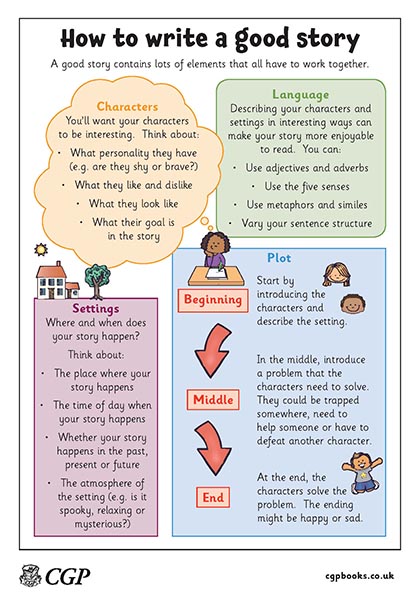
HOW TO WRITE A GOOD STORY
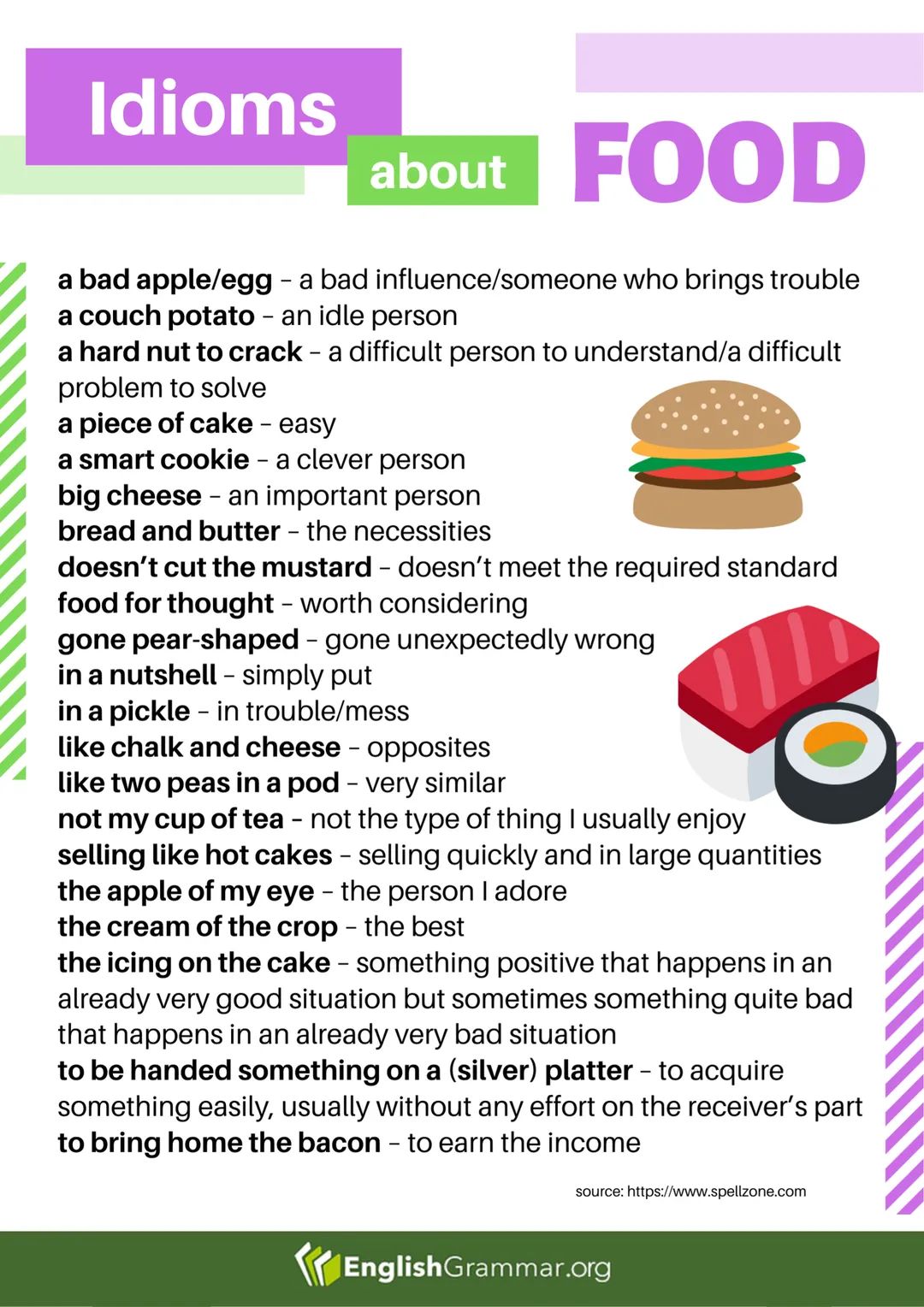
IDIOMS OF FOOD
IDIOMS OF TIME

CHRISTMAS WISHES


Guernica
THE STORY OF THE HAMBURGER
The hamburger is the most eaten food in the whole world. The first hamburgers were made and sold in Connecticut in 1895 by an American called Louis Lassen. Louis called them hamburgers because he was given the recipe by sailors from Hamburg in Germany.
Hamburgers became a favourite meal in America in the early part of the twentieth century. Their popularity grew even more after the Second World War, when they were bought in large quantities by teenagers who preferred fast food to family meals. In 1948 two brothers Dick and Mac Donald opened a drive-in hamburger restaurant in San Bernardino, California.
Since then over 25,000 McDonald’s restaurants have been opened worldwide and now 35 million MacDonald’s hamburgers are eaten every day in 115 countries from India to the Arctic Circle.
Exercise : Put the verbs into the correct tense, active or passive.
The first hamburgers______________ (make) in 1895. Louis Lassen ____________(call) them hamburgers because he ______________(give) the recipe by sailors. Hamburgers ____________ (become) his favourite meal. Their popularity _____________(grow) even more when they _______________(buy) in large quantities by teenagers who ____________(prefer) fast food. Dick and Mac MacDonald_____________ (open) a drive-in hamburger restaurant. 25,000 McDonald’s restaurants ____________(open) worldwide. More than 35 million hamburgers ____________(eat) every day.
Olive Oil-ppt
OLIVE OIL -in video
SUGAR-WHITE GOLD
81 Examples of Food Idioms Explained with examples
Idioms are words or phrases that have a different meaning than the literal meaning of the word or words. There are many examples of food idioms that are commonly used in the English language. They are not only fun to use but are sure to get your point across creatively in conversation.
Everyone loves food, and can relate to foodie phrases, but remember that food idioms do not literally mean what they say. For example, if you say someone is a “bad apple” this implies that the person is a negative influence on others or is troublesome in nature.
There are endless idioms connected with food. The following are some popular expressions followed by the explanation and example sentence.
Sweet and Sour
- As busy as popcorn on a skillet – Very active. He was always as busy as popcorn on a skillet and never sat down for a minute.
- As flat as a pancake – Very flat.
The ball was as flat as a pancake after the neighbor’s dog bit it. - As sour as vinegar – Disagreeable person.
Her attitude was as sour as vinegar making it difficult for her to keep friends. - As sweet as honey – Very sweet person.
He loved being with her since she was as sweet as honey and always knew what to say. - Have a sweet tooth – Love for sugary and sweet foods.
He had a sweet tooth and never passed up dessert. - Like taking candy from a baby – Easy to do.
Passing the exam was like taking candy from a baby. - Salt of the Earth – Ordinary and decent people.
My neighbor is a salt of the Earth type and always helps out when she can. - Sell like hotcakes – Sell quickly and in large amounts.
Her book sold like hotcakes on the first day it was released. - Sugarcoat – Gloss over bad information.
Please don’t sugarcoat it. I need to know the news right now. - Take with a grain of salt – Don’t take something seriously.
I would take what he says with a grain of salt and not let him upset you. - That’s the way the cookie crumbles – That is the way that things happen.
We can’t control where she goes to college. That’s just the way the cookie crumbles we have to accept it. - Worth your salt – Worth one’s pay.
His teacher was worth her salt and always stayed late to help her students. - Variety is the spice of life – Differences give life interest. Traveling to different cities is fun and exciting. After all, variety is the spice of life.
Πρόσφατα σχόλια