Italy – Direzione Didattica 8o Circolo Piacenza – Article in local press
An article about our project was published in local press Piacezasera.it

All’ Ottavo circolo di Piacenza l’Erasmus è di casa gia dall’infanzia
An article about our project was published in local press Piacezasera.it
All’ Ottavo circolo di Piacenza l’Erasmus è di casa gia dall’infanzia


The 5 years old children celebrated autumn and birthday with a tree cake.
The base was a sponge cake prepared in the classroom with children, teacher and assistant.
Once cooked, the cake was cut in order to make tree tunk and branches.
Then the tree was decorated with nutela and smarties (sweets).
The cake was eaten outside as the ground was dry and the weather warm!
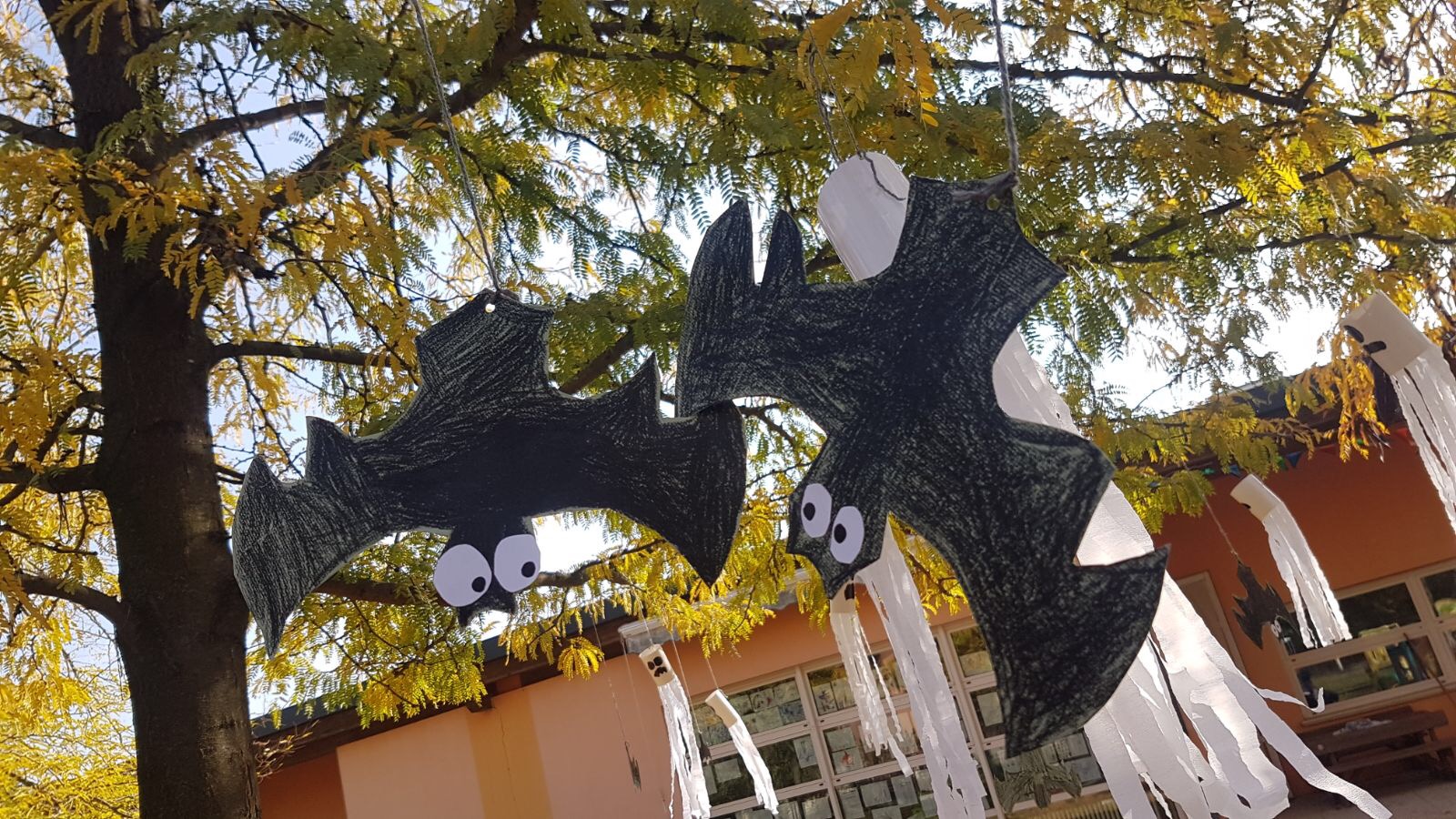
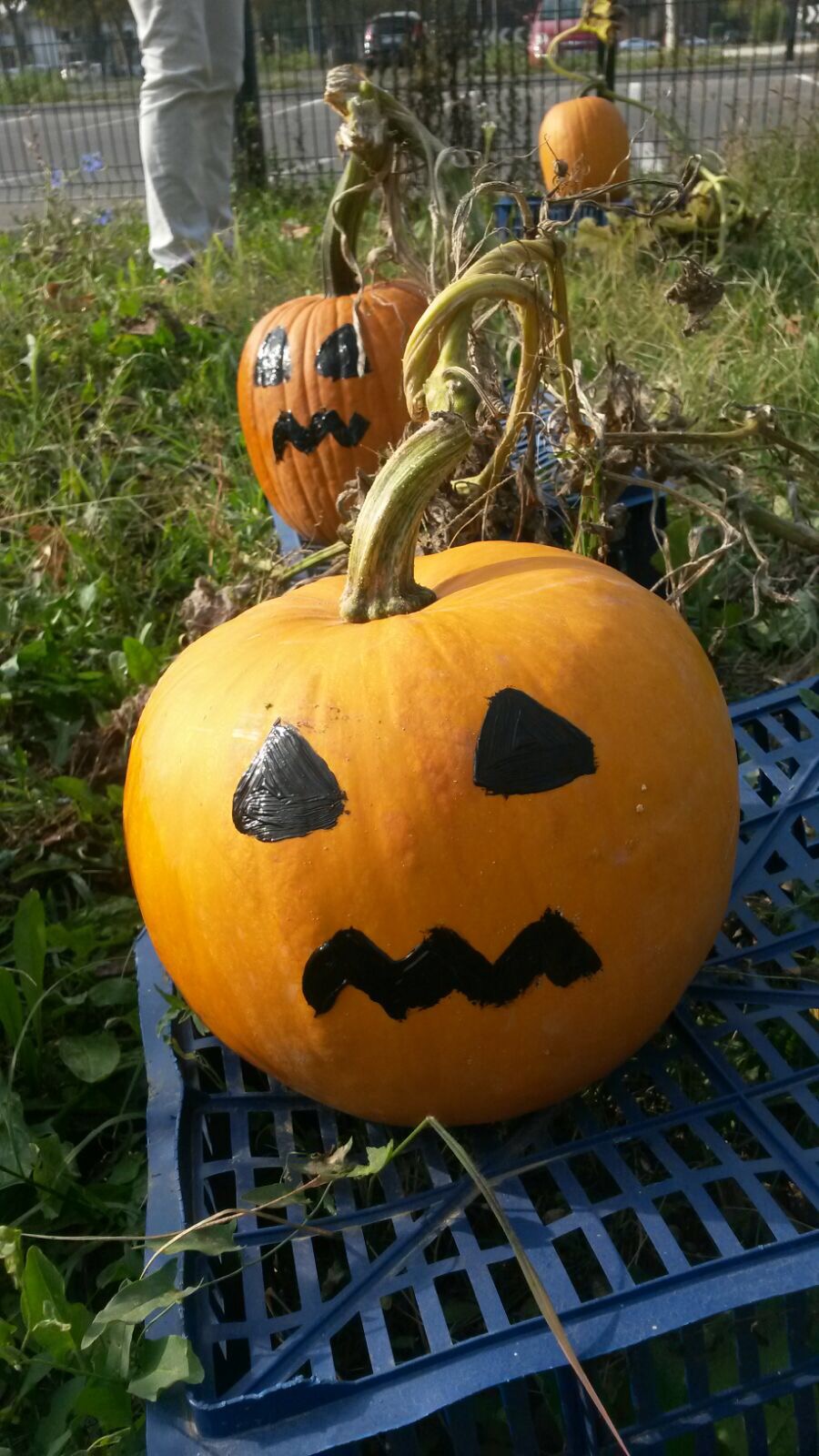
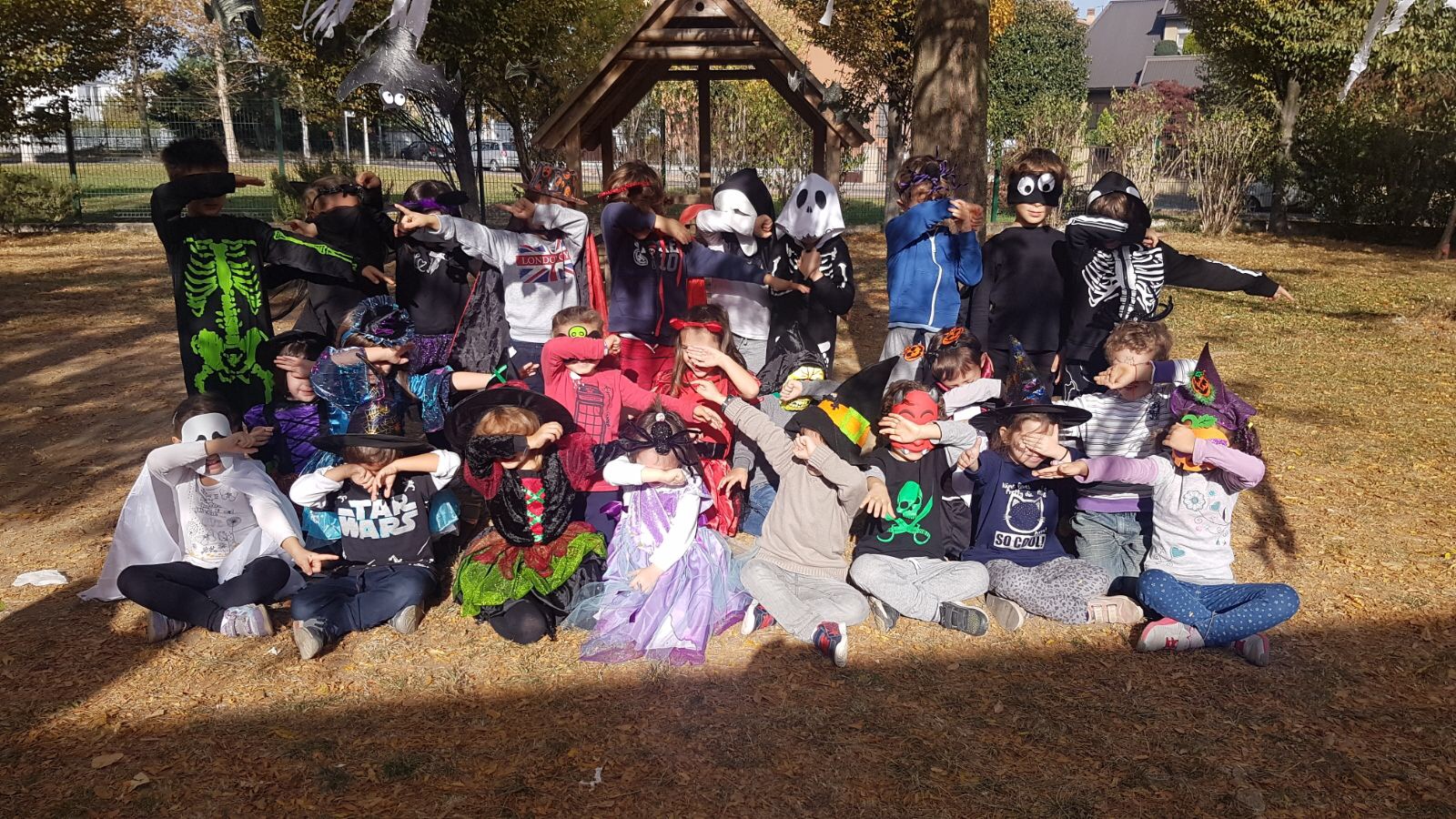 Our pupils were really brave to wander around the trees of our schoolyard where we had hanged lots of bats and ghosts! Only our “fresh made” pumpkins -grown in our vedetable garden since summer- looked a bit scary …Probably because of our little terrifying creatures!!


Our partners from Italy Marisa Badini and Maria Cristina Cella who participated last September in eTwinning conference in Florence (“Citizenship : A new ethic for the 21st century – The contribution of eTwinning”) disseminate our partnership in social networks Twitter, eTwinning, Facebook and Instagram.
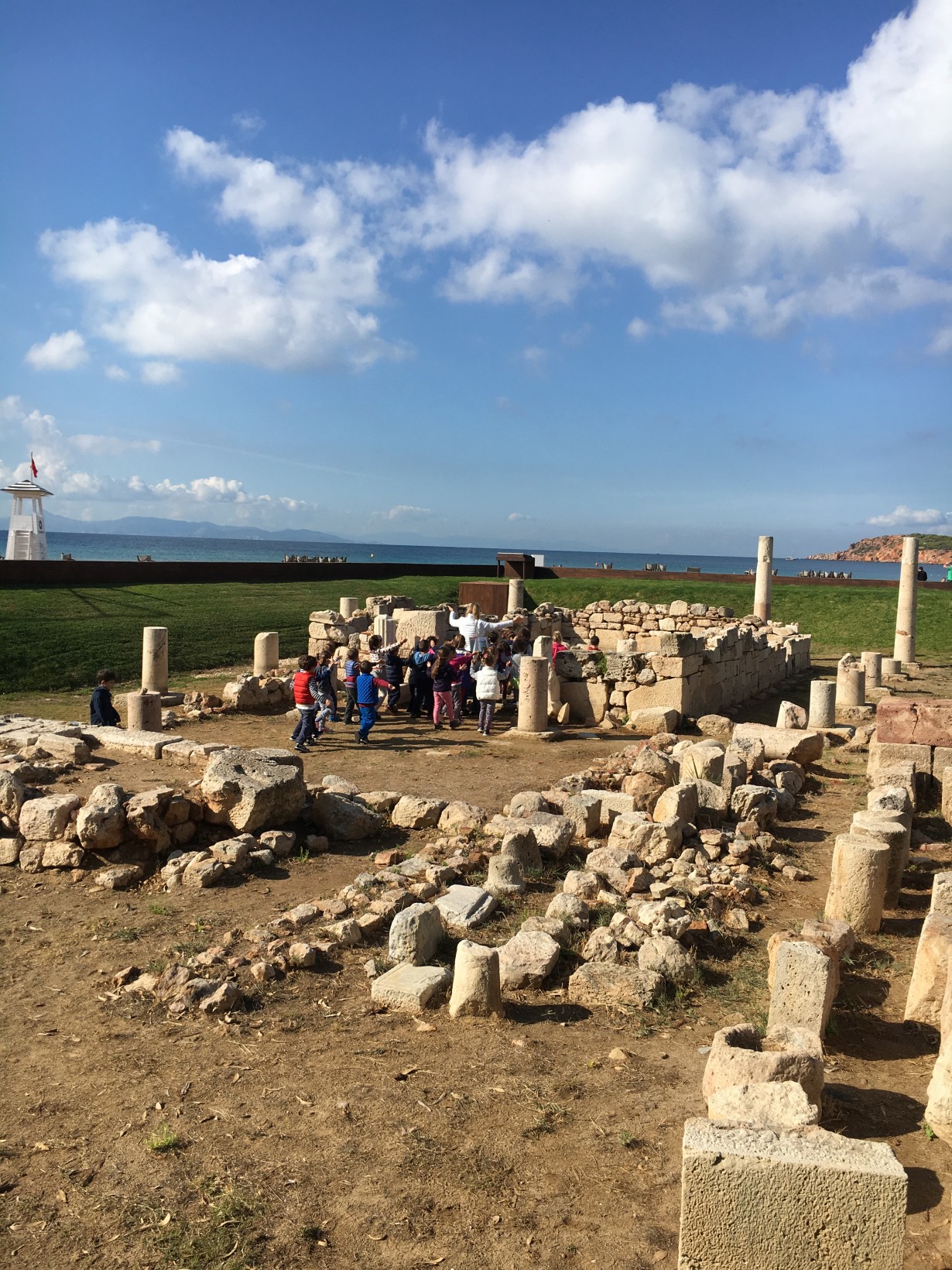
On Friday the 10th of November we visited an ancient temple which is close to our school. As the temple was dedicated to god Appollon, we pretented to make an ode and we walked with raised hands in order to feel the unique atmosphere of the area. After having explored the temple we settled down on the hill to enjoy the beauty of the scenery and to draw our special point of vue… This visit has been a part of our project about “Life in Ancient Greece” which is being developed in our school for the last 10 days.


The class visiting local song festival ground – Aruküla Lauluväljak. This autumn rained a lot and the place was under the water. In a cold October day the little lake was covered with ice. It was good opportunity experiment with the ice. Different activities were taken place: looking sun through the ice, throwing pine cones on the ice. Children discovered how easily ice will broke and what is under the ice. Learning and having fun the same time.

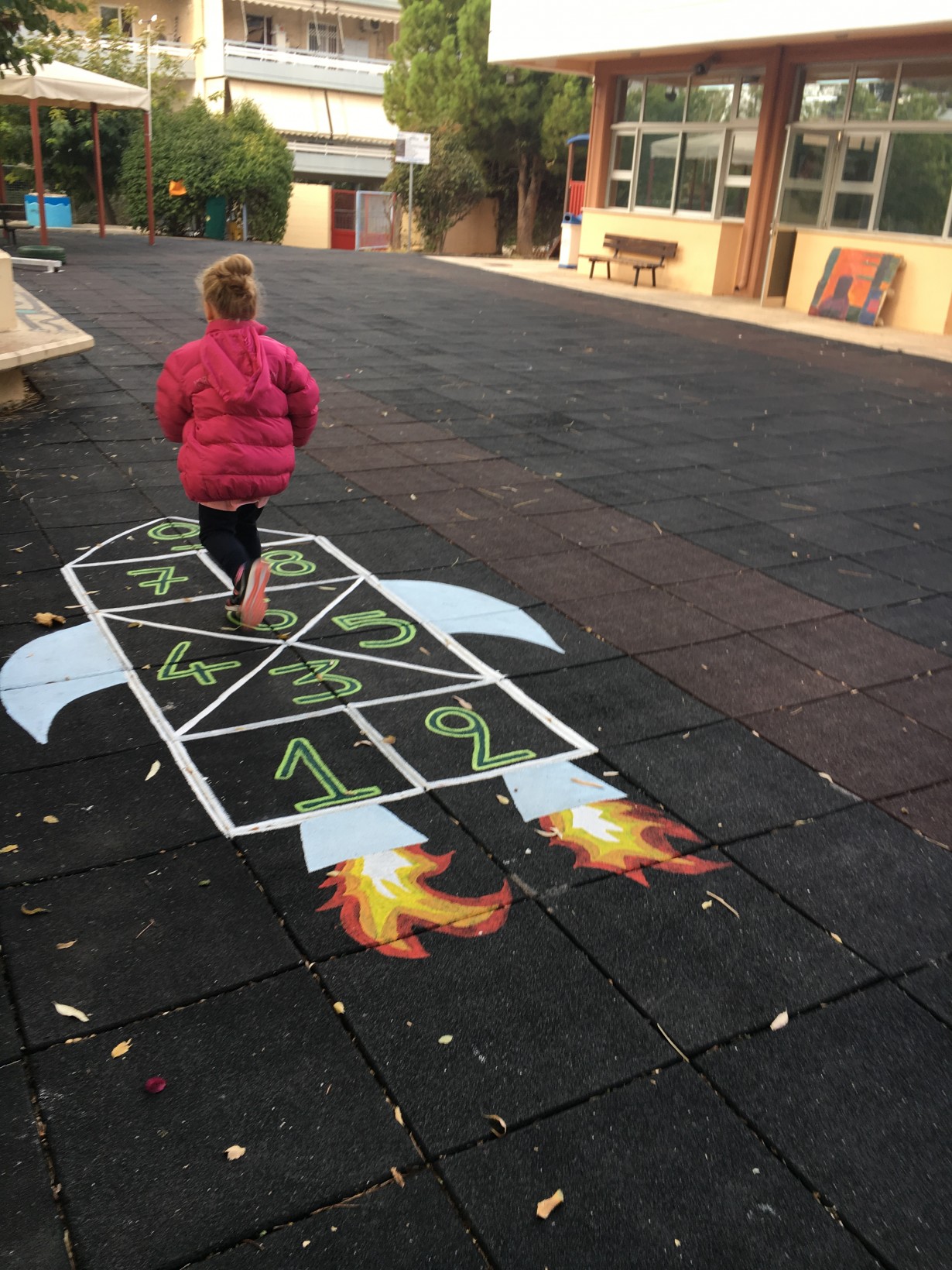
 New joyful corners have been created in our yard with the help of volunteers mothers. A hopscotch “takes them to the moon”, a beam helps them to keep their balance, and a chessboard makes them move towards different directions. Our yard now offers new experiences!

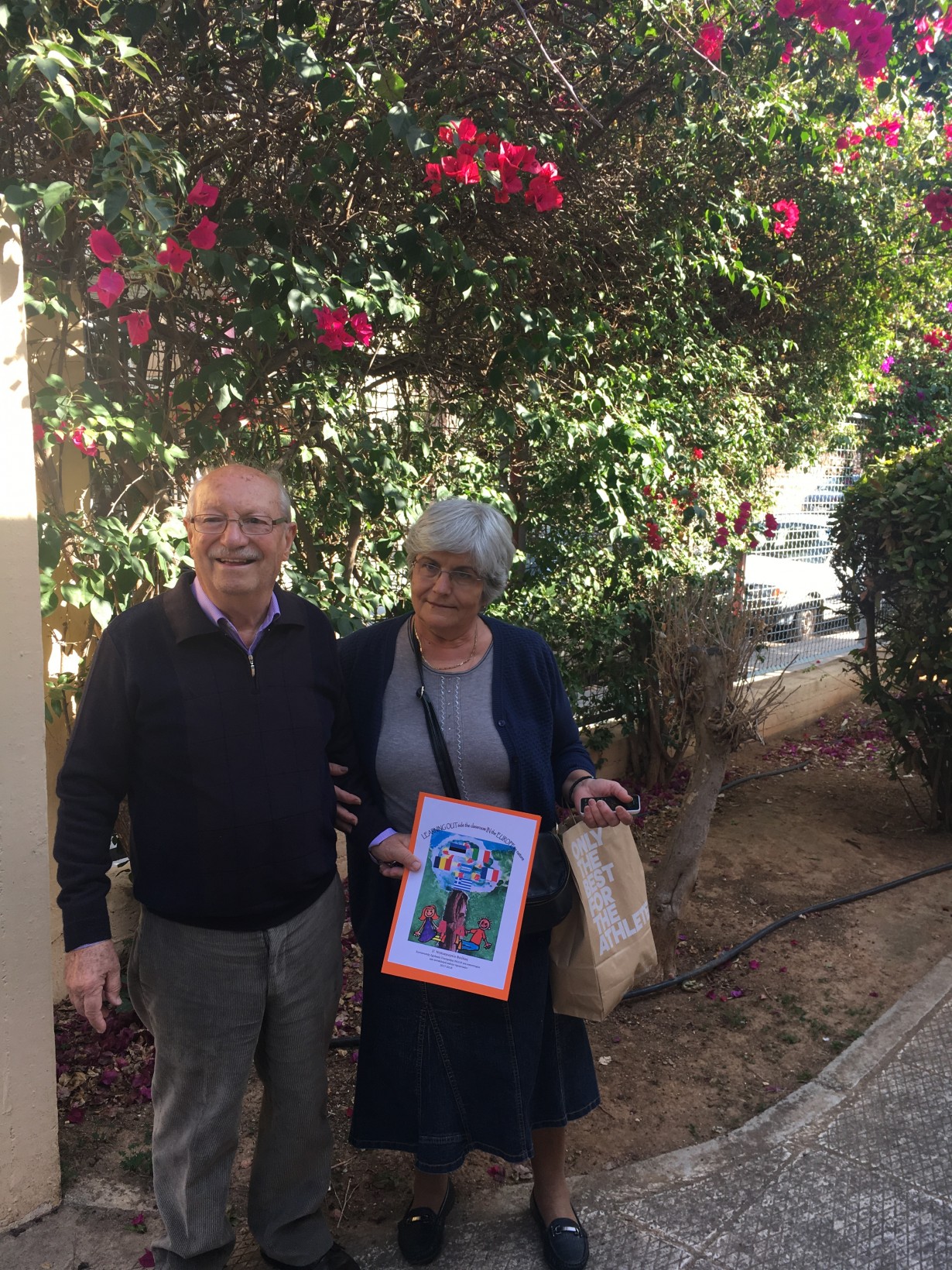 Today we had the pleasure to play traditional games in our yard with the grandparents of one of our pupils. We spent an hour together playing “tenekedakia” and “volous” and at the end we offered them the european gift that we had prepared in the classroom.
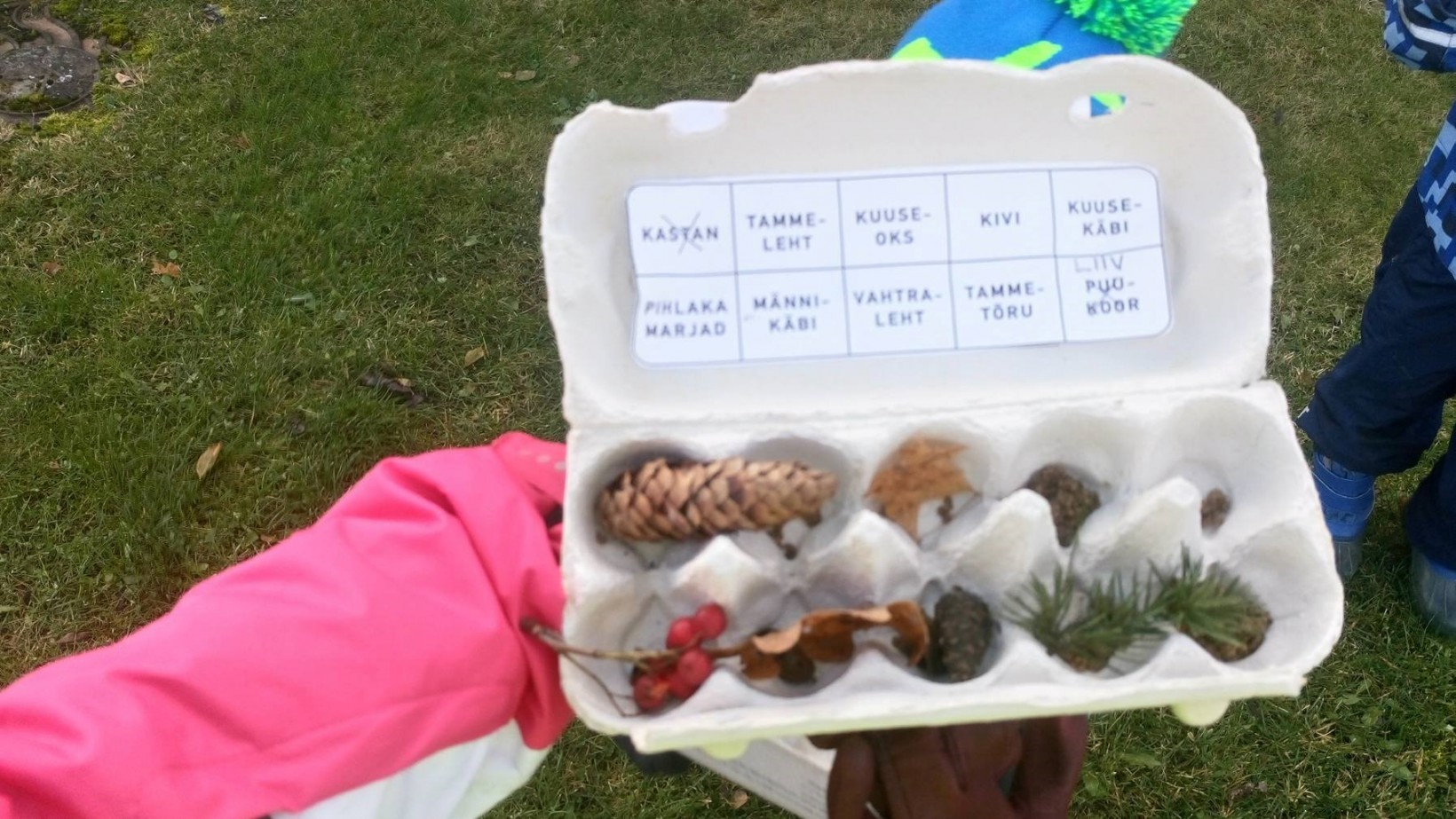 Figure 1. Treasures
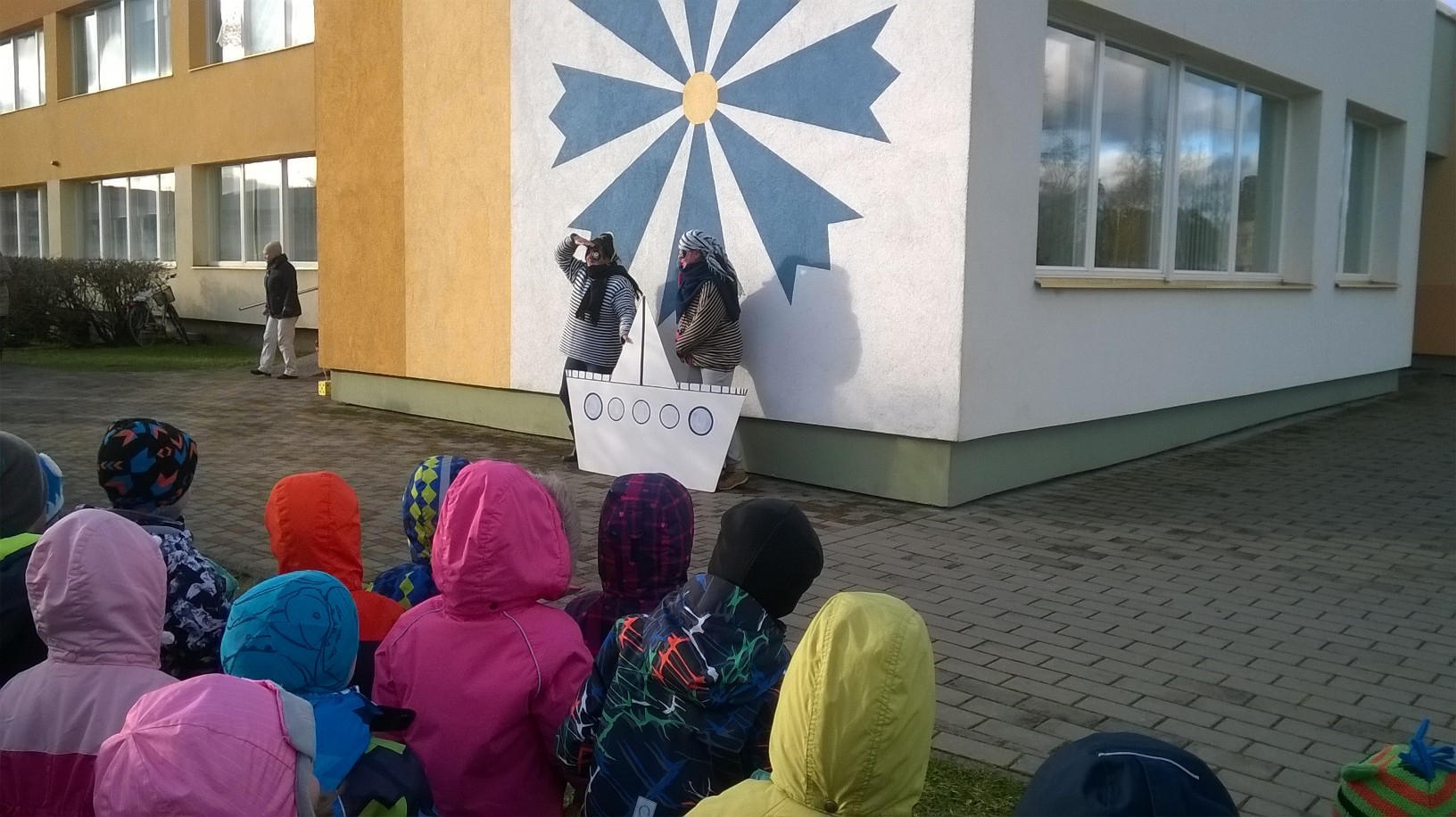 Figure 2. Pirates
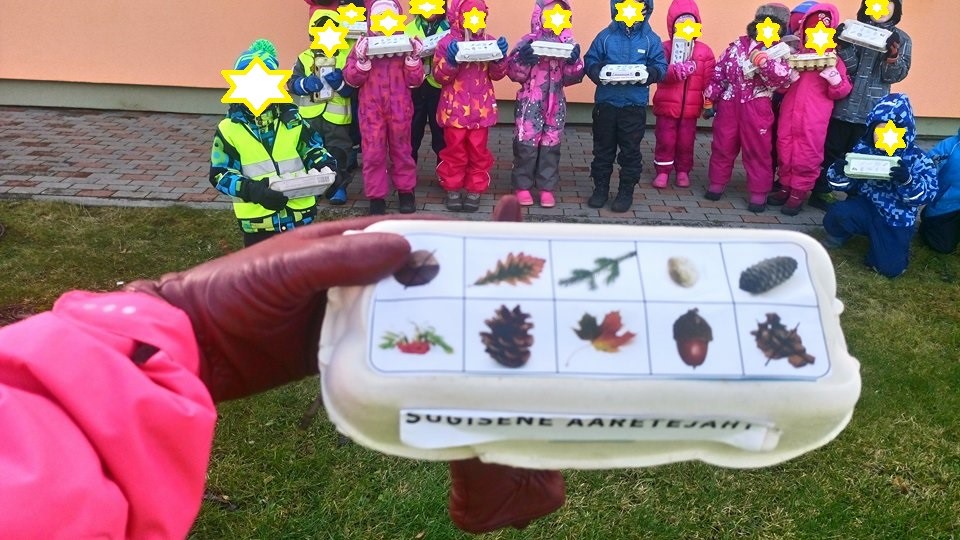 Figure 3. One of our 11 groups.
Happy hunters with their treasures.
First of November took place a big treasure hunting day in Aruküla Kindergarten. Treasures were objects in nature: sand, stone, leaves, pine cones etc (fig.1). Treasures were findable in the kindergarten’s backyard and surrounding area.
We had a special story before the treasure hunting. There were pirates in our area who were lost. And they saw the land and found empty treasure boxes with a map. They gave empty boxes to every kid and asked them to find treasures (fig.2).
All classes took a part in our outdoor sport event. After that all groups got warm drink with ginger and orange. This event gave us a lot of joy and happy children and teachers (fig. 3).
Below you can find the link to the on-line local newspaper, ph-online.ro where we sent an article to make known our project in Ploiesti.
![erasmus-Logo-212x300[1]](https://blogs.sch.gr/1nipvoul/files/2017/11/erasmus-Logo-212x3001.jpg)