-
Ξεφυλλίστε εδώ τον οδηγό για τον αρχαιολογικό χώρο της Ελευσίνας online.
http://www.latsis-foundation.org/megazine/publish/ebook.php?book=6&preloader=1
-
Σύμφωνα με τον μύθο, η θεά Δήμητρα έφτασε στην Ελευσίνα μεταμφιεσμένη σε γριά, αναζητώντας την κόρη της Περσεφόνη που είχε απαγάγει ο θεός του Άδη Πλούτων. Έγινε δεκτή από το βασιλιά Κελεό ο οποίος την φιλοξένησε και ως ανταπόδοση ανέλαβε την ανατροφή του γιού του, έγινε όμως αντιληπτή από την βασίλισσα και εκδιώχθηκε με αποτέλεσμα να προκαλέσει στην περιοχή λοιμό και ξηρασία ώσπου η Περσεφόνη επέστρεψε στον πάνω κόσμο. Από τον μύθο αυτό ξεπήδησε η ιερή λατρεία της Δήμητρας και τα Ελευσίνια Μυστήρια. Αντίθετα με τις λατρείες άλλων θεών, η λατρεία της Δήμητρας προϋπόθετε την επιλογή και την κατήχηση των πιστών, την ‘μύησή’ τους δηλαδή, όπου ότι έβλεπαν, άκουγαν και βίωναν, απαγορευόταν να το εκμυστηρευτούν σε άλλους. Φαίνεται ότι οι αρχαίοι Έλληνες, πλην ελαχίστων εξαιρέσεων, τήρησαν κατά γράμμα τις επιταγές της θεάς: σήμερα για μία από τις σημαντικότερες λατρείες του αρχαίου κόσμου δε γνωρίζουμε παρά μόνο τις εξωτερικές της εκφάνσεις. Τα Μεγάλα Ελευσίνια τελούνταν κάθε χρόνο τον Σεπτέμβριο. Η γιορτή κρατούσε εννιά ημέρες, όσο δηλ. είχε διαρκέσει και η περιπλάνηση της Δήμητρας. Τα Ελευσίνια Μυστήρια δεν ήταν τυχαία τα πιο «κρυφά» μυστήρια της αρχαιότητας, διότι οι αρχαίοι Έλληνες δεν τελούσαν μυστήρια ούτε έχτιζαν ναούς σε τυχαία σημεία. Το ότι μέχρι σήμερα δεν έχουν καταφέρει να αποκωδικοποιήσουν τα Ελευσίνια Μυστήρια συμβαίνει γιατί οι ιερείς ή αλλιώς οι μύστες επιλέγονταν με μεγάλη προσοχή και ήταν χαρακτήρες εμπιστοσύνης.
-
 Τελεστήριο: Σύμφωνα με την παράδοση το πρώτο Τελεστήριο κτίστηκε στη Μυκηναϊκή εποχή για να χρησιμεύσει ως κατοικία της Δήμητρας.Αργότερα αποτέλεσε την αίθουσα, όπου αναπαριστάνονταν γεγονότα σχετικά με τη ζωή της Δήμητρας και της Κόρης και μυούνταν οι πιστοί στα μυστήρια.Το τετράγωνο σχήμα του οφείλεται στο σχέδιο που εκπόνησε ο Ικτίνος, το οποίο όμως δεν ολοκληρώθηκε. Στη μετα-περίκλεια περίοδο τρεις αρχιτέκτονες συνέχισαν την ανοικοδόμησή του. Σε κάθε μια από τις πλευρές του Τελεστηρίου υπήρχαν οχτώ σειρές βαθμίδων, από τις οποίες οι μυούμενοι παρακολουθούσαν τα μυστήρια.
-
 Καλλίχωρον φρέαρ: Σύμφωνα με τον Ομηρικό Υμνο, εδώ κάθησε η Δήμητρα, όταν ήρθε στην Ελευσίνα. Εδώ τελούνταν και οι χοροί των γυναικών της Ελευσίνας, που αποτελούσαν μέρος των ιεροτελεστιών προς τιμή της θεάς Δήμητρας (α΄ μισό 5ου αιώνα π.Χ.).
 Ιερά αυλή: Χώρος συγκέντρωσης των πιστών, κατάληξη της Ιεράς οδού, όπου υπήρχε Εσχάρα με βωμούς για θυσίες στις θεές (8ος αιώνας π.Χ. – 2ος αιώνας μ.Χ.) καθώς και ναός της Προπυλαίας Αρτέμιδος του 2ου αιώνα μ.Χ.
-


Προσθήκη λεζάντας 

Πλουτώνειο άντρο 
Το αρχαίο και το νέο στο ίδιο πλάνο 
-
-
-
-
The Secret Annex Online
Περιηγηθείτε στο σπίτι της Άννας Φρανκ και ανακαλύψτε την ιστορία της. Στην αγγλική γλώσσα.
ΔΕΙΤΕ ΤΑ ΠΑΡAΚΑΤΩ
ROOM FRANK FAMILY- Studious Margot: Ωραίο βίντεο με φωτογραφίες της Άννας και της Μαργκότ.
- Αnne and Margot grow fast: Βίντεο που δείχνει τις σημειώσεις στον τοίχο με το ύψος των κοριτσιών καθώς ψήλωναν κάθε χρόνο.
- Biography of Anna Frank :Κείμενο με τη βιογραφία της Άννας Φρανκ.
- Bombs fall on Αmsterdam: Βίντεο με βομβαρδισμούς στο Άμστερνταμ.
- Edith draws comfort from her faith: Ωραίο βίντεο για τη μητέρα της Άννας.
ANNA’ S ROOM- Red shoes: Ωραίο βίντεο με τα μοναδικά της κόκκινα παπούτσια
- Dreaming of Hollywood: Η Άννα ονειρεύεται το Χόλυγουντ σαν όλα τα κορίτσια.
- Big fight for a small table: Βίντεο.
-
Φύλλο εργασίας για την ταινία “Χορεύοντας με τους λύκους”
Επιμέλεια : Μαίρη Καλδή1η ώρα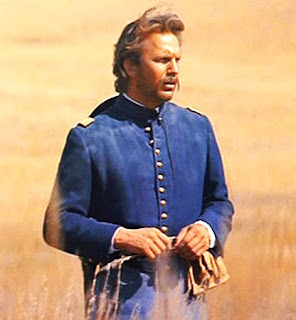
1. Περιγράψτε τον πρωταγωνιστή:
α. εξωτερική εμφάνιση
β.χαρακτήρας
2. Πώς εμφανίζεται στην ταινία ο λύκος;
 3. Πώς εμφανίζονται οι Ινδιάνοι στην ταινία;
Έχουν όλοι την ίδια συμπεριφορά προς τον λευκό;
4. Ποιο είναι το πρόβλημα του ήρωα;Πώς προσπαθεί να το λύσει;
2η ώρα
1. Περιγράψτε μια σκηνή που σας εντυπωσίασε…
2. Πώς διαμορφώνονται οι σχέσεις Ινδιάνων – λευκού με το πέρασμα του χρόνου;
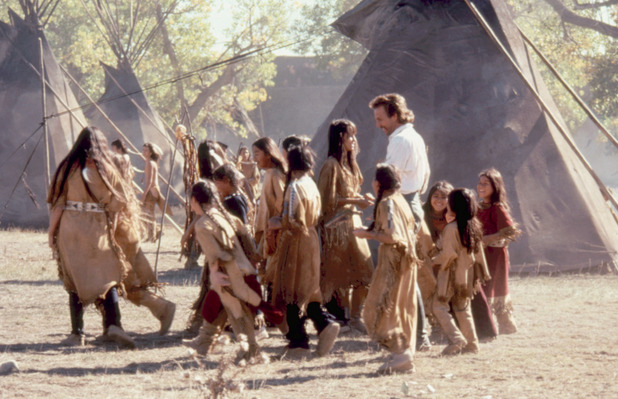
3. Ποια πράξη συντελεί στην ειρηνική τους συνύπαρξη;
3η ώρα:
1. Τι ώθησε τον Ντάνμπαρ να απαρνηθεί την ταυτότητα του ως λευκού και να υιοθετήσει τον τρόπο ζωής των Ινδιάνων;

2. Πώς σχολιάζετε το love story της ταινίας:- εντυπωσιακή ιστορία αγάπης ……….
- απίθανο να συμβεί κάτι τέτοιο στ’ αλήθεια……..
- μία λύση ανάγκης…….
- έρωτας με την πρώτη ματιά………
- κοινή στάση ζωής τους ενώνει…….
3. Ποιά είναι κατά τη γνώμη σας η πιο δυνατή σκηνή της ταινίας;
ΨΗΦΙΣΤΕ ΣΤΟ ΜΠΛΟΓΚ ΠΑΝΩ ΔΕΞΙΑ….- ο χορός με τον λύκο
- οι σκηνές με τους ινδιάνους πάνω στα άλογα
- οι σκηνές κυνηγιού των βουβαλιών
- η ερωτική ιστορία
- ο φόνος του λύκου
- ο γάμος του Ντάνμπαρ και της Στέκεται με γροθιά
-
σχόλιο θεατή
An animal kills because its hungry, or it feels threatened, humans kill for sport. To mount the head of an animal on our walls or to make rugs of them. One thing i always admired about the native americans was that when they killed the buffalo they used every single part of it as a tool or food etc. They respected the earth and its creautures. Not many people do that. I wish we could all see how much harm we are truly doing to mother nature and her creatures.
Solarissis σε απάντηση προς korova1975 (Εμφάνιση του σχολίου) πριν από 3 χρόνια
-
Διορισμένος σε μια απομακρυσμένη περιοχή της Δύσης την περίοδο του 1980, ο υπολοχαγός Τζων Ντάνμπαρ φοβάται τη φυλή των Σιου Ινδιάνων που κατοικούν κοντά στο φυλάκιο και ετοιμάζεται να τους πολεμήσει.Όμως, τελικά γίνεται φίλος τους και έτσι βρίσκεται στη μέση της διαμάχης ανάμεσα στα επεκτατικά σχέδια της αμερικάνικης κυβέρνησης και του διωγμού των Ινδιάνων ιθαγενών.
- ΣΚΗΝΟΘΕΣΙΑ:
- ΠΑΙΖΟΥΝ:
-
-
-
-
Ο τελευταίος των Μοϊκανών
Από τη Βικιπαίδεια, την ελεύθερη εγκυκλοπαίδεια
The Last of the Mohicans O τελευταίος των Μοϊκανών
Εικονογράφηση από την έκδοση του 1896, του J.T. MerrillΠρωτότυπη έκδοση Συγγραφέας Τζέιμς Φένιμορ Κούπερ Είδος Ιστορικό μυθιστόρημα Εκδότης H.C. Carey & I. Lea Γλώσσα αγγλικά Πρώτη έκδοση Φεβρουάριος 1826 Έπεται του The Pioneers Προηγείται του Το Λειβάδι Ο Τελευταίος των Μοϊκανών είναι ιστορικό μυθιστόρημα τουΤζέιμς Φένιμορ Κούπερ, που εκδόθηκε για πρώτη φορά τονΙανουάριο του 1826. Είναι το δεύτερο και γνωστότερο βιβλίοτης πενταλογίας “Τα κατορθώματα του Αετομάτη”. Το βιβλίο “Ο Ανιχνευτής”, το οποίο εκδόθηκε 14 χρόνια αργότερα, το1840, αποτελεί τη συνέχειά του.Πλοκή του έργου [Επεξεργασία]
Το 1757, στα μέσα της τρίτης χρονιάς του πολέμου που έκαναν οι Γάλλοι με τους Άγγλους για την κυριαρχία στη Βόρεια Αμερική, ένα βρετανικό απόσπασμα ξεκίνησε από το φρούριο Έντουαρντ για να πάει να ενισχύσει τον συνταγματάρχη Μονρό στο φρούριο Ουίλιαμ Χένρι.Λίγη ώρα μετά την αναχώρηση των Άγγλων στρατιωτικών, έφυγαν από το φρούριο Έντουαρντ άλλοι τέσσερις άνθρωποι, που πήραν όμως ένα μυστικό μονοπάτι για να φτάσουν κι αυτοί στο ίδιο μέρος. Οι τέσσερις αυτοί άνθρωποι ήταν οι δύο κόρες του συνταγματάρχη, η Άλις και η Κόρα Μονρό, ο Άγγλος ταγματάρχης Ντάνκαν Χέιγουορντ που είχε αναλάβει να τις συνοδεύσει ως το οχυρό του πατέρα τους, και ο Ινδιάνοςοδηγός τους, ο Μαγκούα. Είχαν προτιμήσει να πάρουν διαφορετικό δρόμο από το απόσπασμα, πιστεύοντας πως έτσι θα ήταν πιο ασφαλείς γιατί θα απέφευγαν τις συμπλοκές που πιθανόν να είχαν οι στρατιώτες με τους Ινδιάνους.Από την πρώτη στιγμή η Άλις διαισθάνθηκε ότι δεν έπρεπε να εμπιστεύονται τον οδηγό τους. Και οι δύο κοπέλες αντιπάθησαν τον βλοσυρό Μαγκούα μόλις τον είδαν. Αλλά ο ταγματάρχης Χέιγουορντ τις καθησύχασε λέγοντας ότι ήταν άνθρωπος του Αγγλικού στρατού. Η Άλις τον ρώτησε αν ήταν Μίνγκο, γιατί οι Ινδιάνοι Μίνγκο είχαν συμμαχήσει με τους Γάλλους. Ο Χέιγουορντ της αποκρίθηκε ότι ναι μεν ήταν Μίνγκο στην καταγωγή, αλλά τώρα ανήκε σε άλλη φυλή, φίλη των Άγγλων.Δεν είχαν προχωρήσει πολύ όταν άκουσαν κάποιον να έρχεται πίσω τους. Σταμάτησαν με κάποια αγωνία, αλλά ευτυχώς δεν ήταν παρά ένας αγαθός ψάλτης, ο Δαβίδ, που πήγαινε κι εκείνος στο φρούριο Ουίλιαμ Χένρι.Στο μεταξύ, όχι μακριά από κει, κουβέντιαζαν τρεις άνθρωποι: ένας λευκός και δύο Ινδιάνοι Μοϊκανοί, πατέρας και γιος, που είχαν απομείνει οι τελευταίοι της φυλής τους. Αυτό ακριβώς έλεγε ο Τσίνγκατσγκουκ, ο μεγαλύτερος Μοϊκανός, στον λευκό φίλο του, τον Αετομάτη. Φοβόταν πως αν χανόταν πρόωρα ο γιος του, ο Ούνκας, θα έσβηνε για πάντα η φυλή του. Εκείνη τη στιγμή είδαν τους ταξιδιώτες που πλησίαζαν. Ο Αετομάτης ρώτησε τον Ντάνκαν τί γύρευαν εκεί πέρα. Όταν έμαθε πως πήγαιναν στο φρούριο Ουίλιαμ Χένρι, τους συμβούλεψε να προσέχουν πολύ γιατί τριγύριζαν πολλοί Μίνγκο στα δάση, που σκότωναν και έκλεβαν. Παραξενεμένος ο Χέιγουορντ που δεν τους είχε προειδοποιήσει για κάτι τέτοιο ο Μαγκούα, πήγε να του ζητήσει το λόγο αλλά ο ύπουλος ερυθρόδερμος το έβαλε στα πόδια.Μένοντας έτσι χωρίς οδηγό, ο ταγματάρχης παρακάλεσε τους τρεις φίλους να τον βοηθήσουν να πάει με ασφάλεια τις δύο κοπέλες στον πατέρα τους. Ο Αετομάτης, ο Τσίνγκατσγκουκ και ο Ούνκας δέχτηκαν πρόθυμα. Αποφάσισαν τότε να διανυκτερεύσουν όλοι σε ένα νησάκι του ποταμού Χάντσον γιατί ήταν επικίνδυνο να προχωρήσουν μέσα στη νύχτα. Με μια μικρή ινδιάνικη βάρκα αποβιβάστηκαν στο νησάκι και μπήκαν σε μία σπηλιά για να κοιμηθούν και να συνεχίσουν το ταξίδι τους ξεκούραστοι το άλλο πρωί. Αλλά τα πράγματα ήρθαν πολύ διαφορετικά από ό,τι τα περίμεναν καθώς ο Μαγκούα θέλει να εκδικηθεί τον συνταγματάρχη Μονρό βασανίζοντας και σκοτώνοντας τις κόρες του.
-
Φαίνεται παρακάτω πως αμφισβητείται από κάποιους αν αυτή είναι η αληθινή ομιλία του Σηάτλ. Η πιο κοινή εκδοχή είναι ότι στις 11 Μαρτίου του 1854 ο Σηάτλ έκανε μια ομιλία σε μια μεγάλη συγκέντρωση στο Σηάτλ. Τη συγκέντρωση κάλεσε ο διοικητής Isaac Ingalls Stevens με σκοπό να συζητηθεί η ανακωχή ή η πώληση της γης των Ινδιάνων στους λευκούς. Ο Doc Maynard, γιατρός και υπερασπιστής των δικαιωμάτων των Ινδιάνων, παρουσίασε στο κοινό τον Stevens που εξήγησε σύντομα την αποστολή του. Τότε σηκώθηκε ο Σηάτλ να μιλήσει. ακούμπησε το τεράστιο χέρι του στο πολύ πιο μικρόσωμο Stevens και μίλησε δυνατά με μεγάλη αξιοπρέπεια για πολλή ώρα. Κανένας δεν ξέρει σήμερα τι ακριβώς είπε, γιατί μίλησε στη διάλεκτο των Lushootseed, μετά κάποιος μετέφρασε τα λόγια του στη διάλεκτο Chinook jargon και ένα τρίτο πρόσωπο μετέφρασε τα λόγια του στα αγγλικά.
Chief Seattle
From Wikipedia, the free encyclopedia“Sealth” redirects here. For the ferry, see MV Sealth. For the camp, see Camp Sealth.[edit]Si’ahl earned his reputation at a young age as a leader and a warrior, ambushing and defeating groups of enemy raiders coming up the Green River from the Cascade foothills, and attacking the Chimakum and the S’Klallam, tribes living on the Olympic Peninsula. Like many of his contemporaries, he owned slaves captured during his raids. He was tall and broad for a Puget Sound native at nearly six feet; Hudson’s Bay Company traders gave him the nickname Le Gros (The Big One). He was also known as an orator; and when he addressed an audience, his voice is said to have carried from his camp to the Stevens Hotel at First and Marion, a distance of 3⁄4 miles (1.2 km).[3]Biography
For all his skill, Si’ahl was gradually losing ground to the more powerful Patkanim of the Snohomish when white settlers started showing up in force. When his people were driven from their traditional clamming grounds, Si’ahl met Maynard in Olympia; they formed a friendly relationship useful to both. Persuading the settlers at Duwamps to rename the town Seattle, Maynard established their support for Si’ahl’s people and negotiated relatively peaceful relations among the tribes.Si’ahl kept his people out of the Battle of Seattle (1856). Afterwards, he was unwilling to lead his tribe to the reservation established, since mixing Duwamish and Snohomish was likely to lead to bloodshed. Maynard persuaded the government of the necessity of allowing Si’ahl to remove to his father’s longhouse on Agate Passage, ‘Old Man House‘ or Tsu-suc-cub. Si’ahl frequented the town named after him, and had his photograph taken by E. M. Sammis in 1865.[3] He died June 7, 1866, on the Suquamish reservation at Port Madison, Washington.The Speech controversyThere is a controversy about a speech by Si’ahl concerning the concession of native lands to the settlers.Even the date and location of the speech has been disputed,[8] but the most common version is that on March 11, 1854, Si’ahl gave a speech at a large outdoor gathering in Seattle. The meeting had been called by Governor Isaac Ingalls Stevens to discuss the surrender or sale of native land to white settlers. Doc Maynard introduced Stevens, who then briefly explained his mission, which was already well understood by all present.[3]Si’ahl then rose to speak. He rested his hand upon the head of the much smaller Stevens, and declaimed with great dignity for an extended period. No one alive today knows what he said; he spoke in the Lushootseed language, and someone translated his words into Chinook jargon, and a third person translated that into English.Some years later, Dr. Henry A. Smith wrote down an English version of the speech , based on Smith’s notes. It was a flowery text in which Si’ahl purportedly thanked the white people for their generosity, demanded that any treaty guarantee access to Native burial grounds, and made a contrast between the God of the white people and that of his own. Smith noted that he had recorded “…but a fragment of his [Sealth’s] speech”. Recent scholarship questions the authenticity of Smith’s supposed translation.[9][verification needed]In 1891, Frederick James Grant’s History of Seattle, Washington reprinted Smith’s version. In 1929, Clarence B. Bagley’s History of King County, Washington reprinted Grant’s version with some additions. In 1931, John M. Rich reprinted the Bagley version in Chief Seattle’s Unanswered Challenge. In the 1960s, articles by William Arrowsmith and the growth of environmentalism revived interest in Si’ahl’s speech. Ted Perry introduced anachronistic material, such as shooting buffalo from trains, into a new version for a movie called Home,[1] produced for the Southern Baptist Radio and Television Commission.[10] The movie sank without a trace, but this newest and most fictional version is the most widely known. Albert Furtwangler analyzes the evolution of Si’ahl’s speech in Answering Chief Seattle (1997).[11]The speech attributed to Si’ahl, as re-written by others, has been widely cited as “powerful, bittersweet plea for respect of Native American rights and environmental values”.[1] A similar controversy surrounds a purported 1855 letter from Si’ahl to President Franklin Pierce, which has never been located and, based on internal evidence, is considered by some historians as “an unhistorical artifact of someone’s fertile literary imagination”.[8][edit]
-
NATIVE AMERICAN INDIAN RESOURCES
WWW Virtual Library – American Indians
Index of Native American Resources on the Internet

Native American Indian Cultures
-
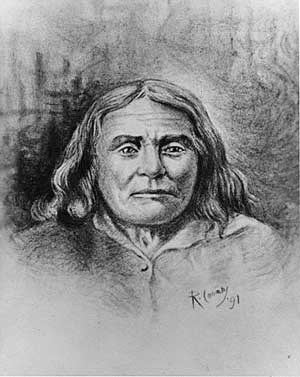
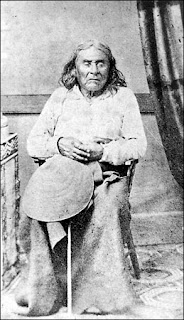
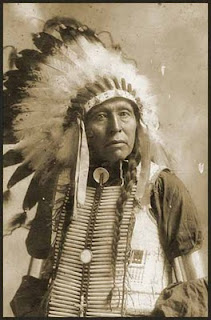
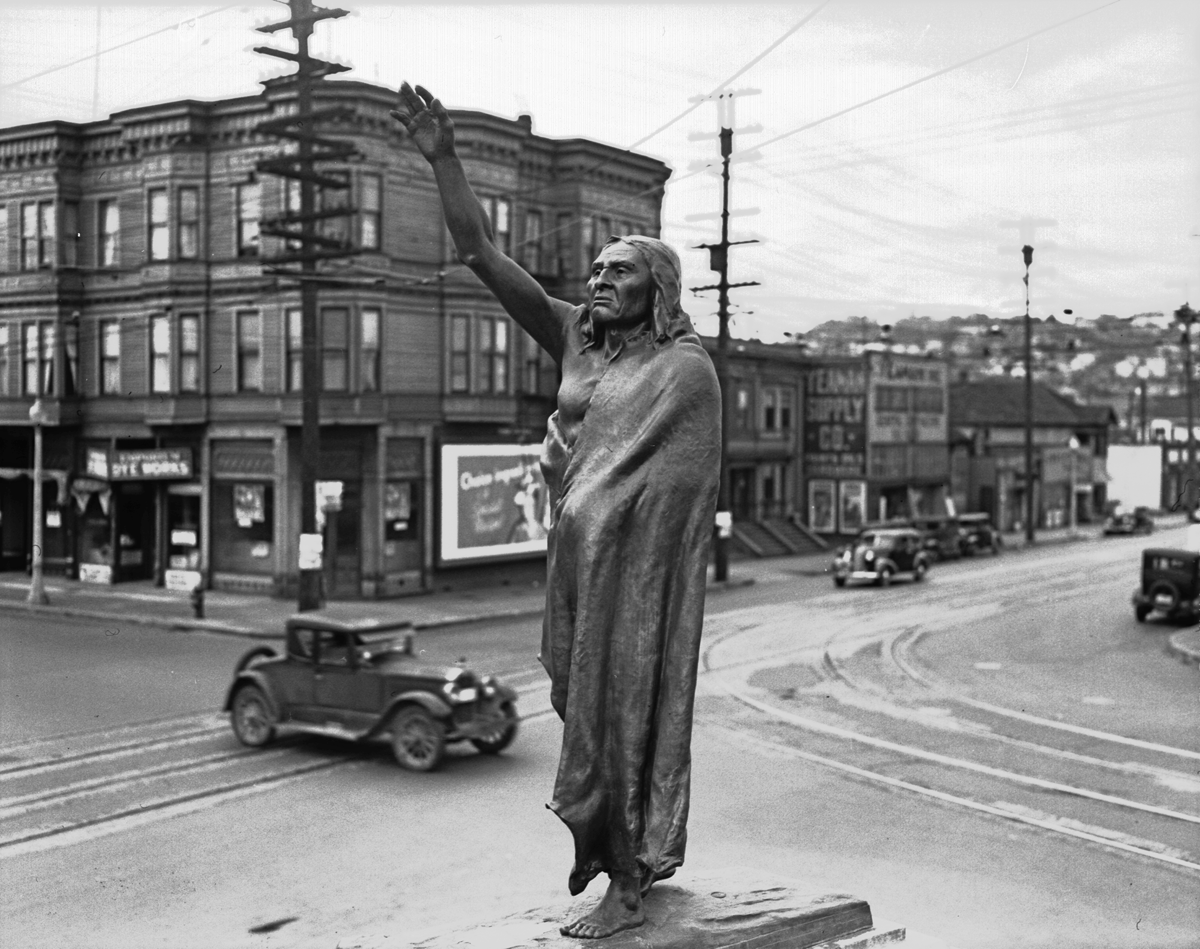
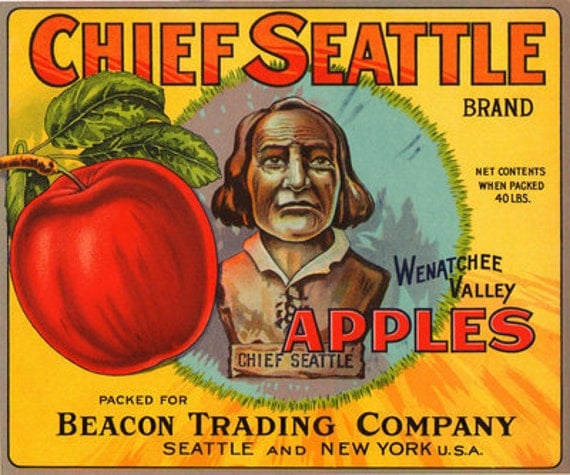 James Wheh’s sculpture of Cheif Seattle at Tilikum Place, 5th Ave and Denny Way (1920)
-
Indigenous Women of the Americas
In the spring of 1993, several Canadian Indigenous women leaders met and discussed the need to establish links with Indigenous women from Central and South America. From an international meeting of Indigenous Peoples, these women realized minor progress had been made to highlight the unique aspirations of Indigenous women.The women contacted the International Centre for Human Rights and Democratic Development to assist in identifying and communicating with Indigenous organizations from Central and South America. The centre provided financial and human resources to facilitate contact for the purpose of involving Indigenous women in a continental process.The importance of the initiative is underlined when realizing that Guatemala, Bolivia, Peru and Ecuador currently account for 80% of the world’s Indigenous populations. The potential for partnerships in projects around health, education, and economic development of Indigenous nations is multiplied with the participation of Aboriginal women.The role of the organizing committee in Canada has been to build a foundation for this collaborative work between the Americas. It consisted of representatives from the following Canadian Aboriginal organizations in addition to the International Centre for Human Rights and Democratic Development: Métis National Council of Women, Pauktuutit Inuit Women’s Association of Canada, Ontario Native Women’s Association, Quebec Native Women’s Association, Assembly of First Nations, Congress of Aboriginal Peoples, World Council of Indigenous Peoples, Nechi Institute on Alcohol and Drug Education and Aboriginal Women in the Labour Force.The immediate challenge was to develop a strategy for the continental wide process that would incorporate the vision of grassroots Indigenous women. Three regional workshops were planned in order to establish communication among the women and gain consensus on priorities from the issues facing them:- Central America – hosted by CONAMUIP (National Coordination of Indigenous Women of Panama) in April of 1995;
- South America – held in July of 1995 with organizational support from ONIC (National Indigenous Organization of Columbia) and CONAIE (Confederation of Indigenous Nationalities of Ecuador); and
- North America – held in Aylmer, Quebec in January of 1996.
The North American workshop was designed in accordance with the framework set out by the United Nations International Decade for the World’s Indigenous Peoples. In attendance were ninety-three delegates representing Indian, Métis, and Inuit women’s groups and organizations from Canada. International representatives from Indigenous organizations who had participated in the two preceding workshops came from Mexico, Guatemala, Venezuela, Columbia, Ecuador, and the United States to act as observers.A continental gathering took place in Guatemala in July of 1996 to weave together the regional recommendations and formulate priorities that would address the issues of social, cultural, environmental and economic survival concerning Indigenous women. The priorities are:- To empower Indigenous women’s leaders with training to enable their greater participation within their organizations and in regard to the future of their peoples;
- To improve communications and mutual support between Indigenous women of the Americas to broaden their economic and political sphere of influence both nationally and internationally; and
- To improve control of craft commercialization to protect cultural heritage and to develop markets for women.
Several Commissions were formed to further the work addressing these priorities.Canada agreed to participate on the Commission on Craft Commercialization and Intellectual Property. To date, the work of this Commission has been the most successful. The Canadian members conducted research in Canada on Aboriginal women’s arts and crafts production, commercialization and the protection of related Intellectual Property Rights (IPR).Other countries gathered similar information based on the questions that the Commission had formulated in Guatemala. Panama synthesized the findings and the Commission met in Peru in 1997 to plan the next steps. As a result, Canada will host a training workshop on protecting IPR in 1998 for delegates from 20 Latin American countries as well as representatives from Indigenous Women of the Americas in Canada.The longer term objective of this Commission is to work towards the establishment of regional and continental commercialization centres that would enable women to control the flow of their craft products, thereby advancing their economic self-sufficiency. The centres would assist the women to actively protect their cultural knowledge and artistic heritage.
Last Updated: 2004-04-23 Important Notices


60s

Τα τοπία μου
Ολα τα άρθρα
- Μάρτιος 2013 (40)
- Φεβρουάριος 2013 (14)
- Ιανουάριος 2013 (11)
- Δεκέμβριος 2012 (9)
- Νοέμβριος 2012 (3)
- Οκτώβριος 2012 (37)
- Νοέμβριος 2009 (2)